


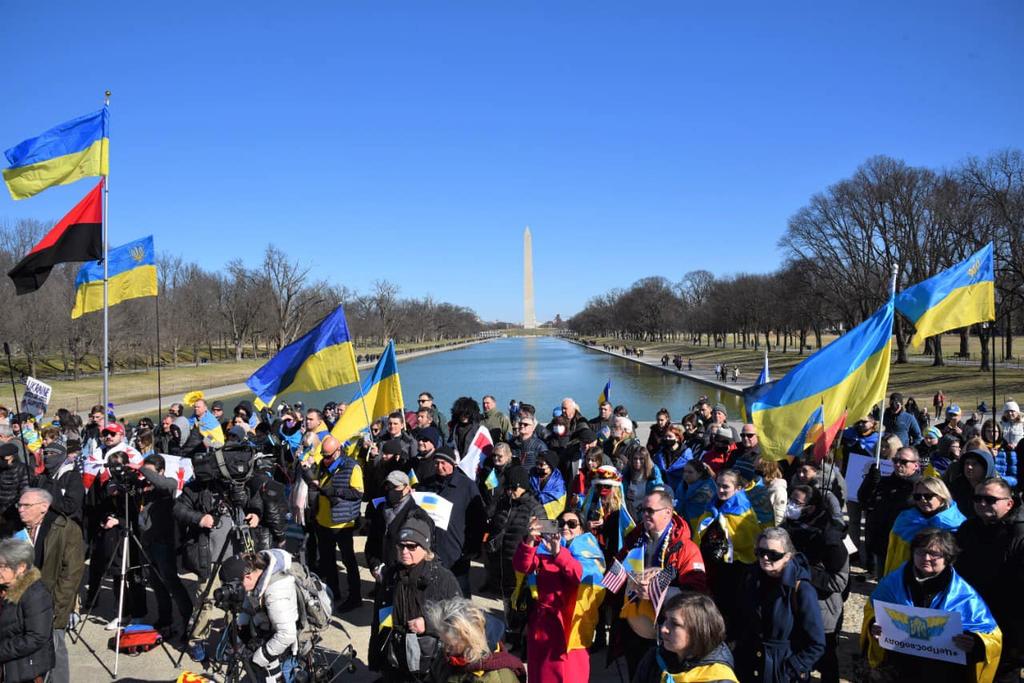
The American continent has always been an important center of emigration of Ukrainians. Researchers of ethnic groups distinguish four waves of emigration of Ukrainians to the USA - the first in 1899-1914, the second wave that arose after the decline of the Ukrainian People's Republic, in 1920-1936, the third - after the Second World War - 1945-1953, the fourth - after the collapse of the USSR, in the 1990s and the beginning of the 21st century. Over time, another one was added - after the Revolution of Dignity and the beginning of the war in the East of Ukraine - 2014-present time. Each of these waves has its own reasons and characteristics. All, except the third, have a political character, namely: wars and repressions.
A public and religious figure is considered the first Ukrainian to set foot on American soil pastor Agapiy Honcharenko. In 1865, he descended from the Yarington ship in Boston.

Originally from the Zhytomyr region, he entered the Kyiv Theological Seminary at the age of eight, then became a novice Kyiv Cave Monastery under the name Agapius. Subsequently, the monk was sent on a mission to Athos. There, he came across the revolutionary newspaper Dzvin, which was banned by the Russian Empire and published by Russian democrats. Father Agapiy became a contributor to the newspaper and covered the problems of Ukrainian life in the Russian Empire. The monk was assassinated, and in early 1865 he moved to New York. In the free country, he taught Greek to minorities and published a bilingual newspaper, The Alaska Nation (1868-72). It was published in Russian and English.
The first great wave of 1877-1914
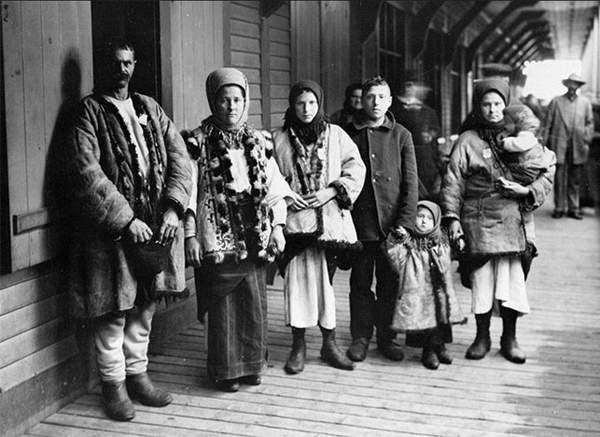
The first wave of Ukrainian emigration to America had a significant impact on the formation of the Ukrainian community in the United States. Most of the emigrants were peasants who suffered from taxation and limited land resources. Most of the Ukrainian lands, including Galicia, Bukovyna, and Transcarpathia, belonged to the Austro-Hungarian Empire. Ukrainians faced ethnic discrimination and social restrictions. In 1877, the Pennsylvania Coal Company in the United States faced labour strikes. The company's agents began searching for potential workers in the poorest areas of Austria-Hungary: the underdeveloped lands of Zakarpattia and Lemkivshchyna. Only in 1899 did the federal immigration service started register the number of emigrants by nationality. According to various estimates, between two and five hundred thousand Ukrainians have come to America.
Most Ukrainian immigrants settled in industrial areas of Pennsylvania, New York, and New Jersey and worked in heavy industry: mines, gold mining, construction, railways, metallurgy, etc.
Every year the number of Ukrainian women emigrants grew. They mostly worked as maids. Over time, they became seamstresses in factories. More entrepreneurial emigrants opened their own businesses: grocery stores, butcher shops, and taverns. It is currently difficult to establish the exact quantity Ukrainians who emigrated to the United States on the eve of the First World War. After all, many returned home and were sometimes recorded as Hungarians or Austrians. At that time, Ukrainians were traditionally called "Rusyns" from the word Rus, and later many of them were considered Russians in the United States. The first wave of emigration laid the foundation for the Ukrainian diaspora in the United States, where the Ukrainian Greek Catholic Church became the centre of social life. Ukrainians preserved their traditions, language, and culture.

Uncertainty about national security during the First World War allowed Congress to pass the Immigration Restrictions Act. It required immigrants to be able to read in any language and to pay a tax on arrival in the country.
The second wave of the interwar period of 1920-1936
After the defeat of the Ukrainian People's Republic (UPR) and the establishment of Soviet rule in Ukraine, the second wave of emigration began. The Soviet authorities began to persecute Ukrainian intellectuals, representatives of the national liberation movement, political and military figures, forcing them to seek political asylum in the United States and Canada, France and Germany.
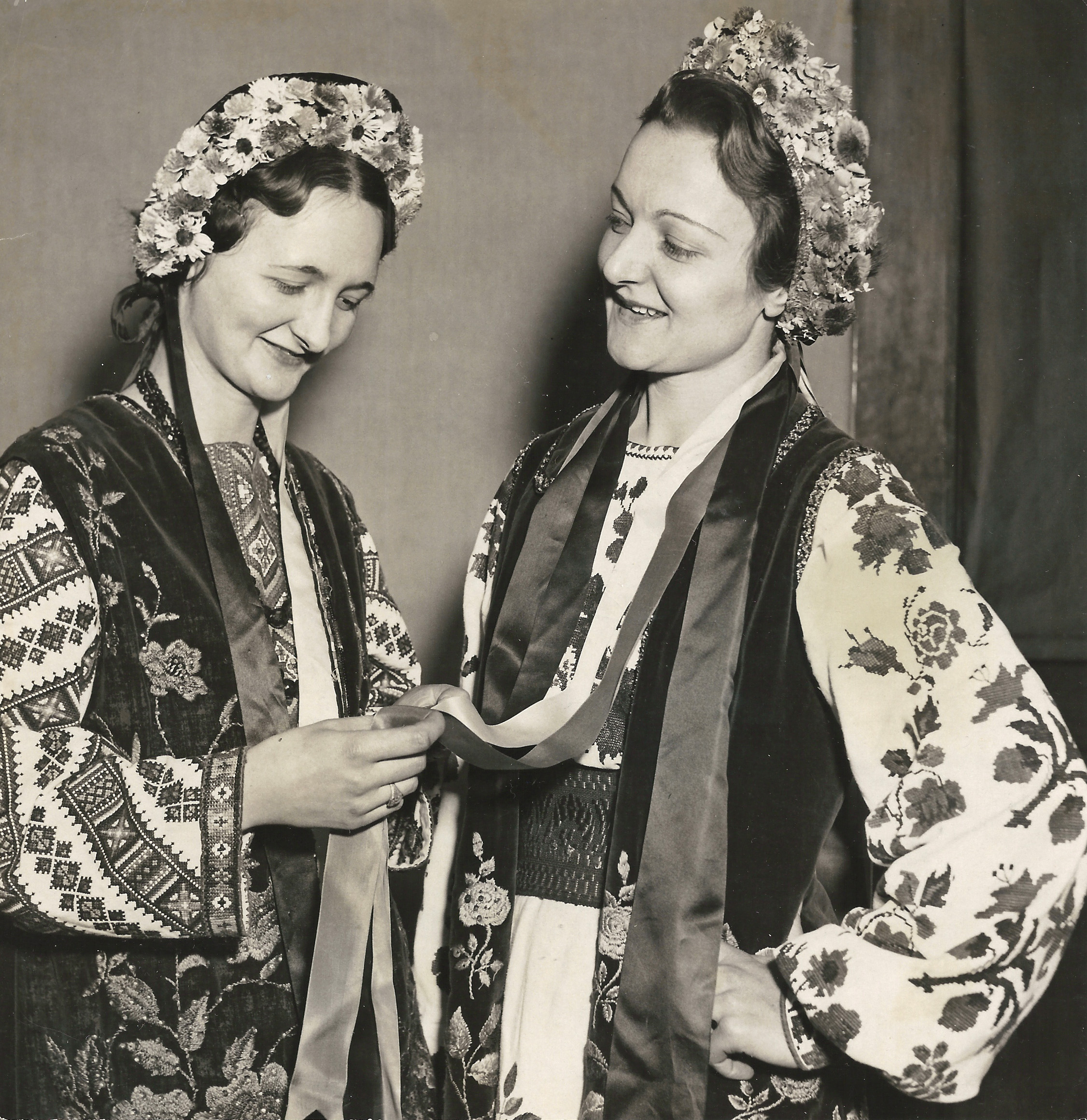
In the interwar period, immigration to the United States was limited by numerous quotas. One of them was determined by the so-called Law Johnson-Reed Immigration and Naturalisation Act of 1924. The law introduced an annual quota of up to 2% of national origin for each country and a limited number of visas. Due to immigration restrictions imposed by the United States, Ukrainians mostly emigrated to Western Europe, Canada, and South America. Between 1932 and 1933, the Holodomor, introduced by Stalin, took place on the territory of Ukraine. The Ukrainian diaspora tried to send aid from the United States, but it was blocked by the Soviet government.
The third wave after the Second World War
The Second World War and the subsequent occupation of Ukrainian territories by the Soviet Union triggered another wave of emigration. After the war, about 3 million Ukrainians ended up in Western Europe. Among them were former prisoners of war of the Soviet army, prisoners of Nazi concentration camps, and forcibly deported workers who were taken from Ukraine to Austria and Germany. In 1948, the US Congress passed the Displaced Persons Act. Ukrainian emigration peaked in the 1949s and 1950s, with about 85,000 Ukrainians ending up in America.
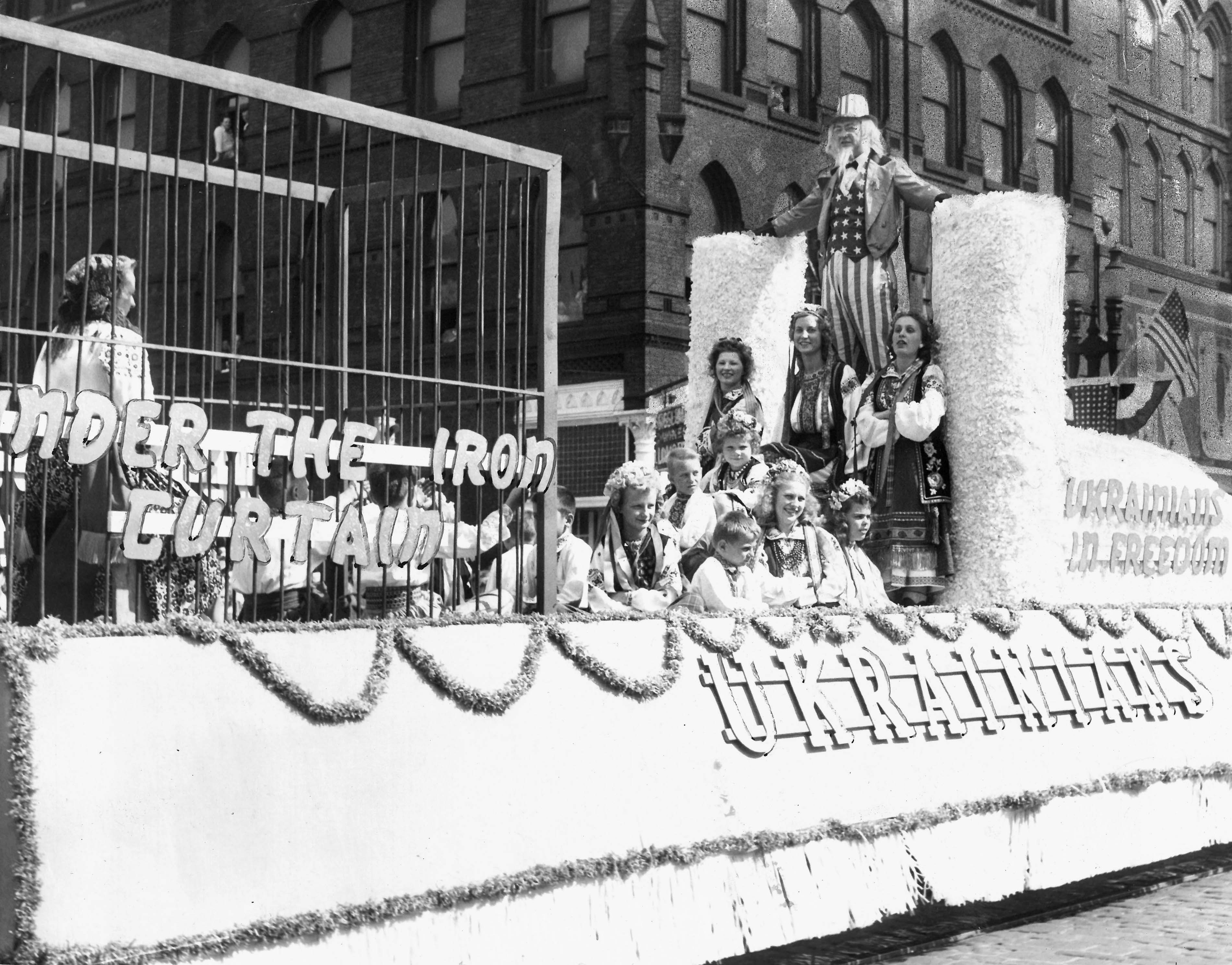
The refugees were helped to integrate into American society by being taught English and provided with employment opportunities.
The fourth wave after the collapse of the USSR
An American law The Immigration Act of 1990 significantly increased the number of people who could legally immigrate to the United States. This law raised the limit on regular immigration (excluding refugees) to a flexible cap of 700,000 people until 1995 and 675,000 people thereafter. It also introduced a diversification visa programme (Green Card), under which about 55,000 immigration visas were issued by lottery per year.
The collapse of the USSR led to the decline of the Ukrainian economy: high unemployment and political instability. In 1994, Ukraine was included in the list of countries participating in the US immigration lottery. Therefore, the fourth wave of Ukrainian emigration was largely formed by people who received a green card. Many Ukrainians emigrate to the US on the basis of family reunification, student, work and tourist visas. The latter are used to stay in the US illegally. The trend of massive inflows of Ukrainian emigrants continued until 2005, and each year it decreased.
The fifth great wave
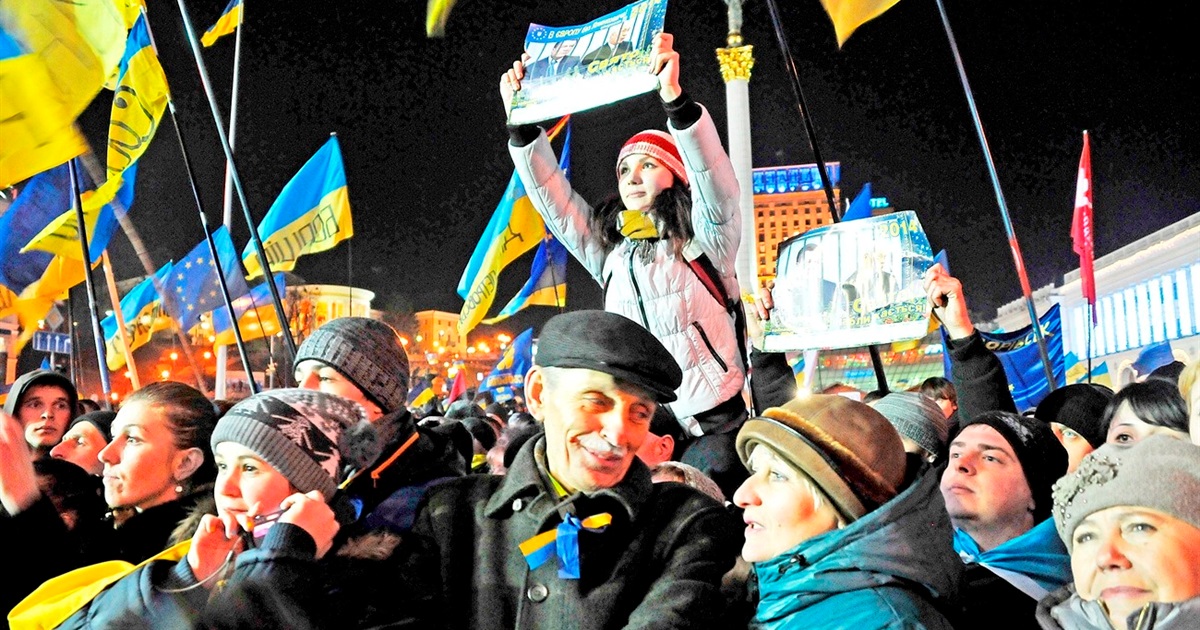
In 2014, Russia annexed Crimea and launched a war against Ukraine. This triggered a new large wave of emigration of Ukrainians to the United States, which continues to this day.
After the full-scale invasion, about 5 million Ukrainians were forced to move to safer parts of the country. According to the UN, about 6.3 million Ukrainians have become refugees. This is currently one of the largest displacement crises in the world.
In 2022, the United States initiated the "Uniting for Ukraine"programme, which allows Ukrainians to come to America thanks to caring Americans. Under this programme, Ukrainian immigrants can stay in the US for up to two years with a special "humanitarian password"by having access to some federal benefits, such as work permits and social services. However, this programme does not provide an opportunity to obtain green card.
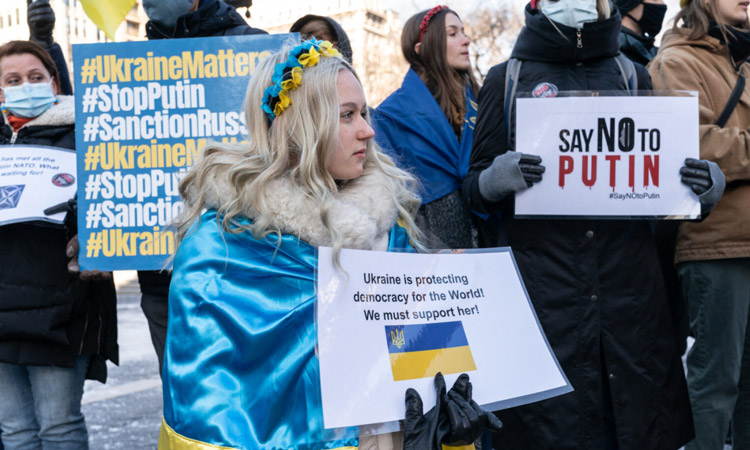
In June 2023, a new bill, the Ukrainian Adjustment Act, was introduced in the US Congress, which provides for a simplified procedure for obtaining permanent resident status for Ukrainian citizens who are lawfully residing in the United States. This bill is only at the very first stage and remains under preliminary consideration.
Since February 2022, more than 270,000 Ukrainians have immigrated to the United States.
Author: Snizhana Gusarevych