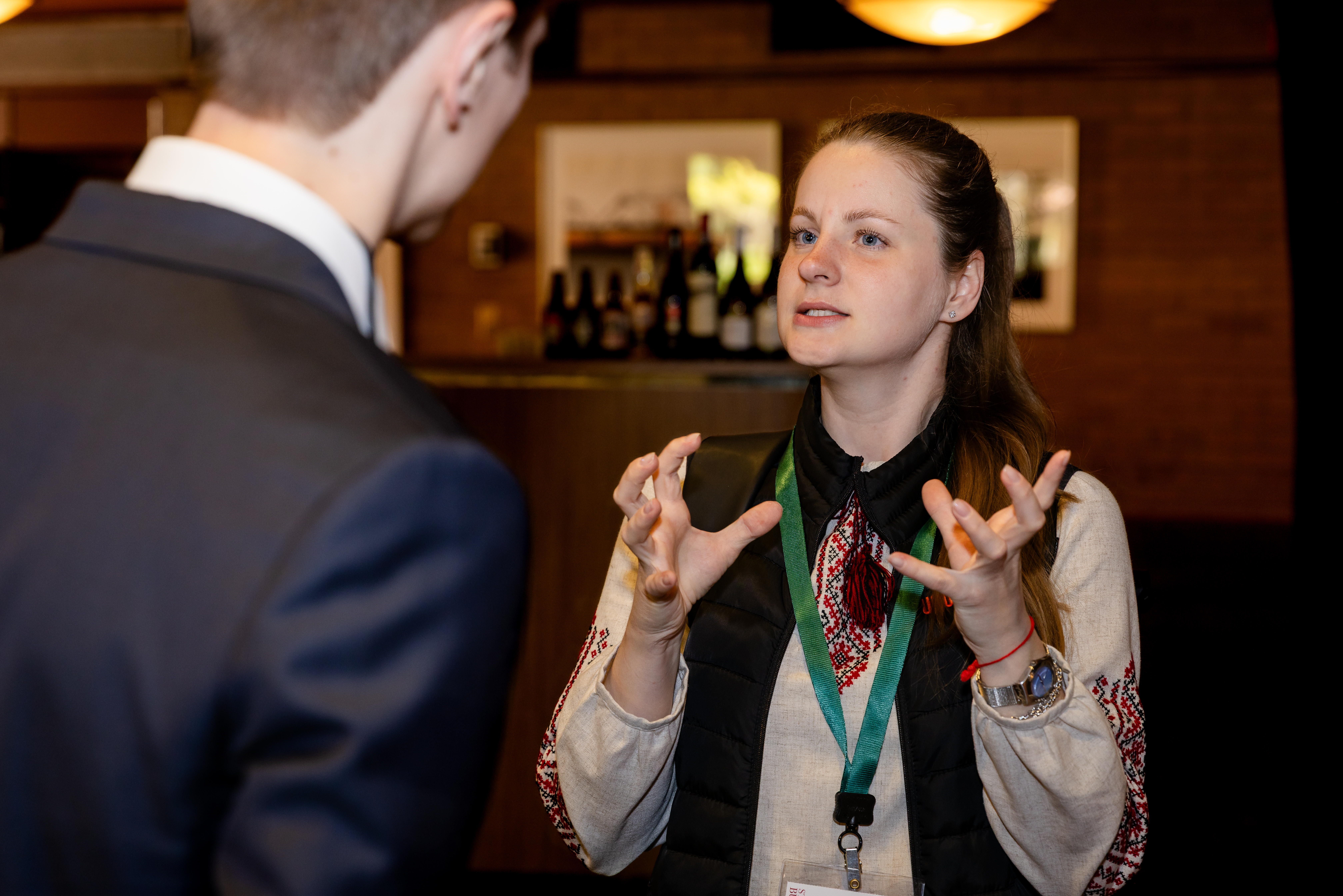
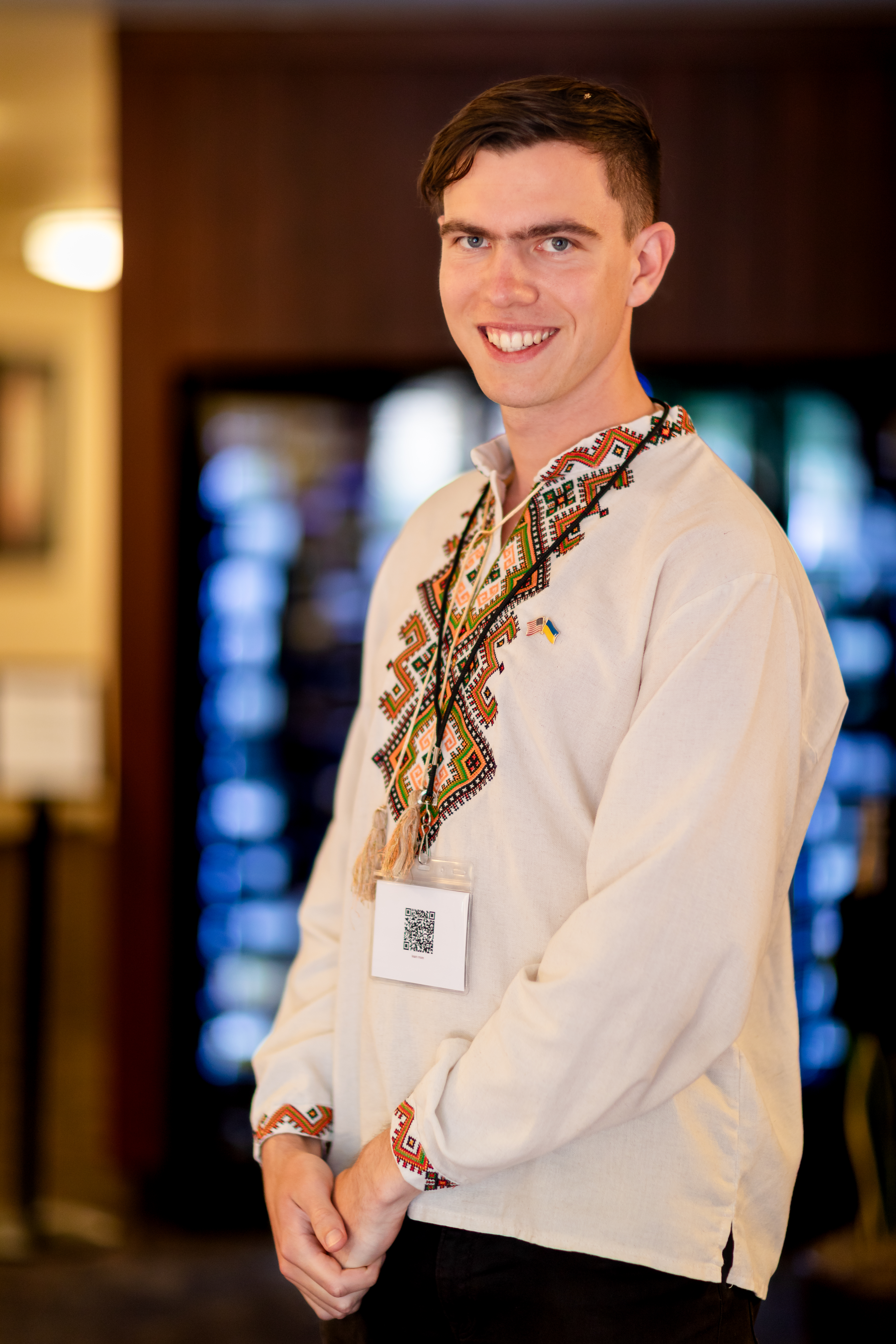
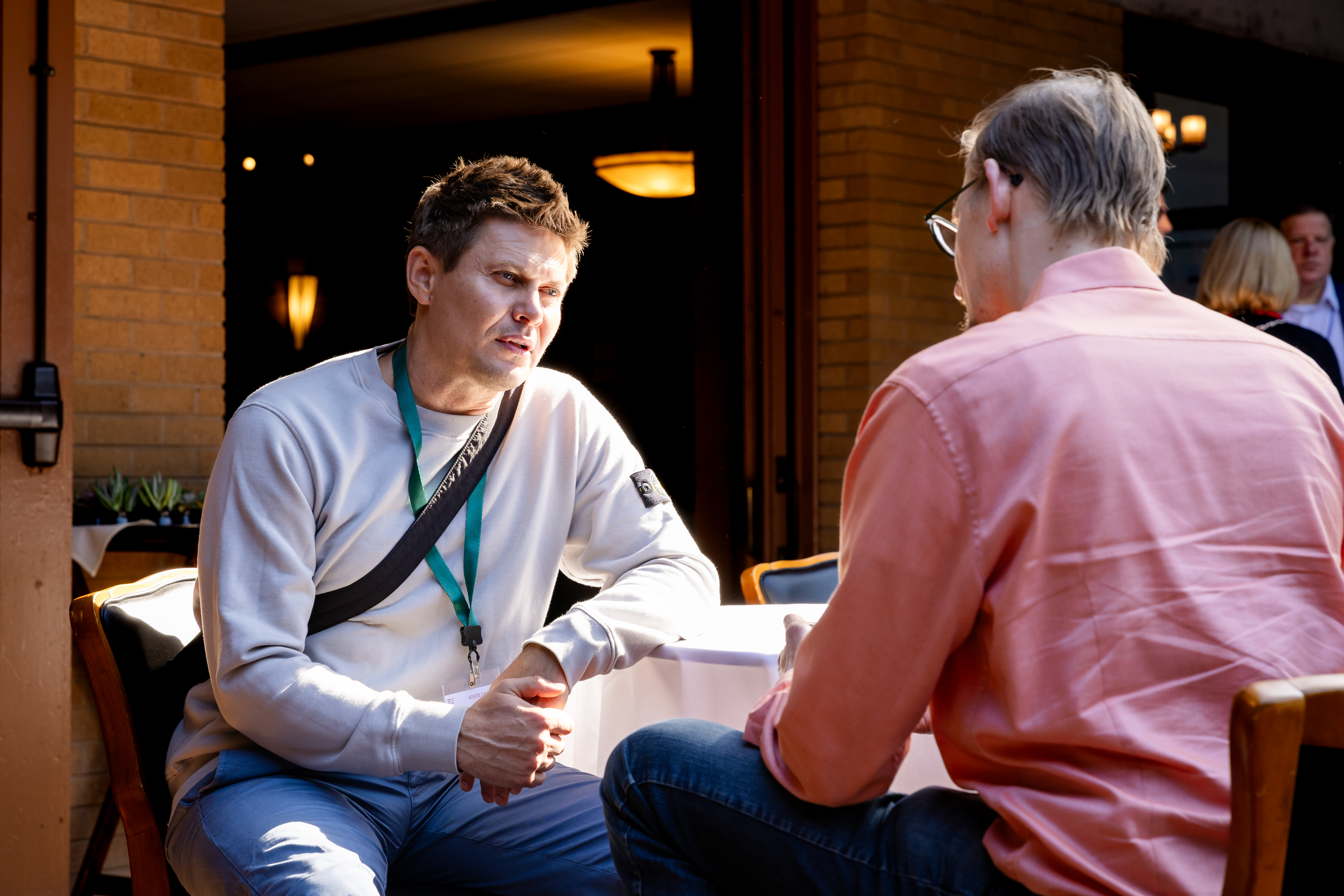
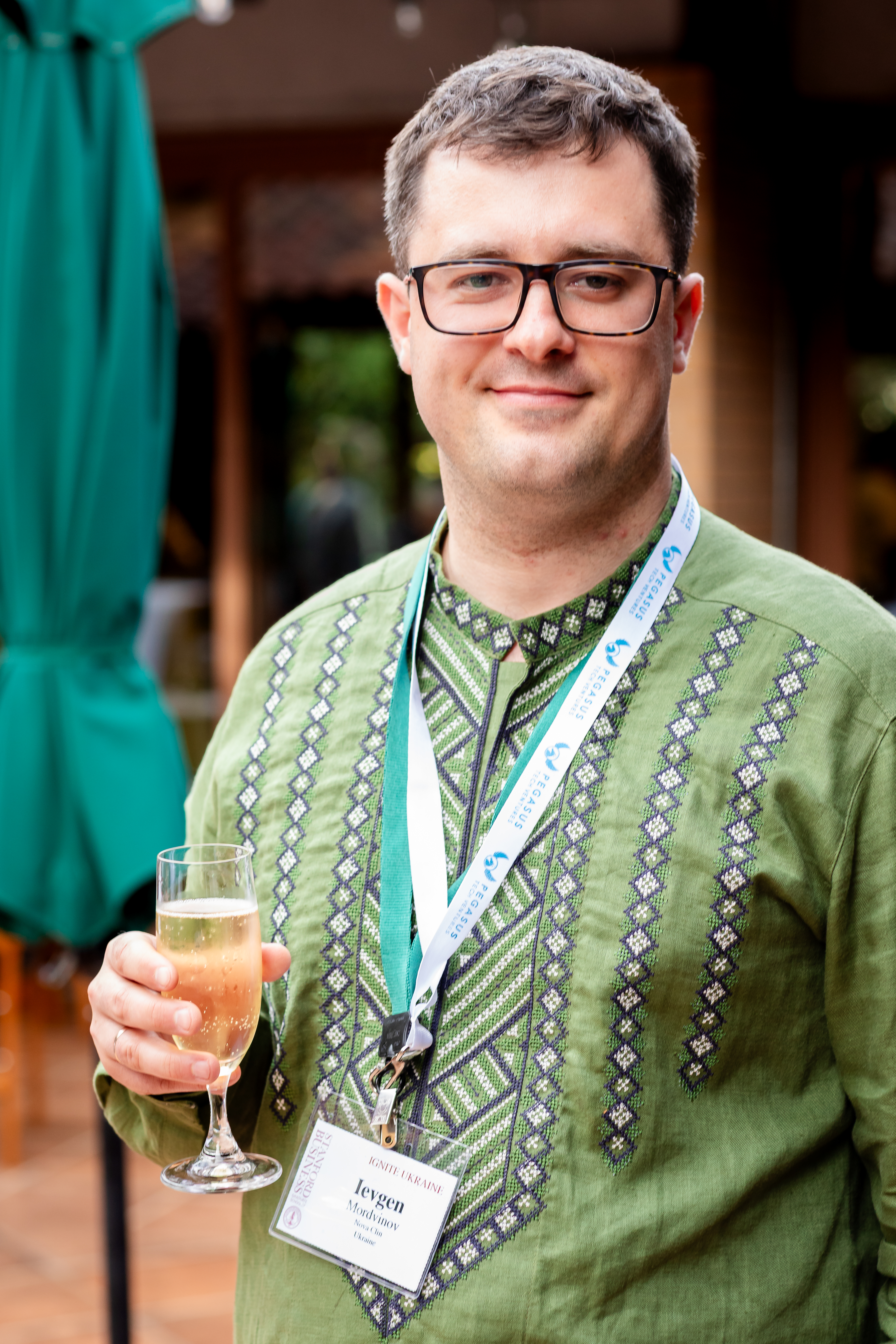
These days, forty two Ukrainian entrepreneurs—owners of small and medium sized businesses selected from almost nine hundred applications—are hard at work on the campus of the Stanford Graduate School of Business. Ahead of them lies a combination of lectures with GSB professors, team work on their own business projects, and deep immersion in the start up ecosystem of Silicon Valley. They have already completed facilitation sessions at the Ukrainian Catholic University and a four week online block, so the main stage is now under way. The organizers—CfE Accelerator UCU and Stanford GSB, with the support of USAID and Ukraine’s Ministry of Economy—have joined forces to provide modern managerial tools and contacts to the most visible and promising Ukrainian businesses, enabling them to contribute more effectively to the development of the Ukrainian economy and enter global markets while remaining distinctly Ukrainian.
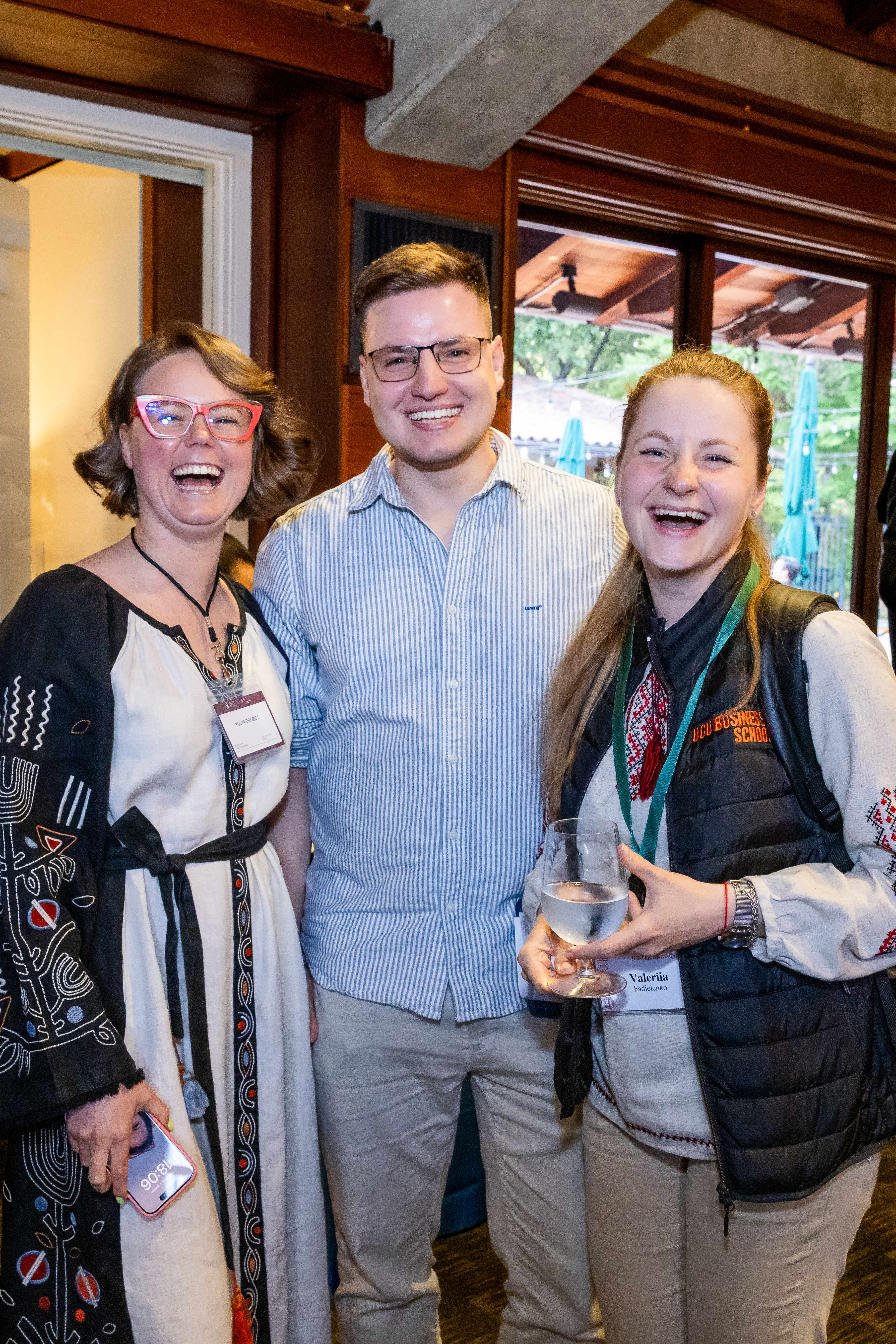
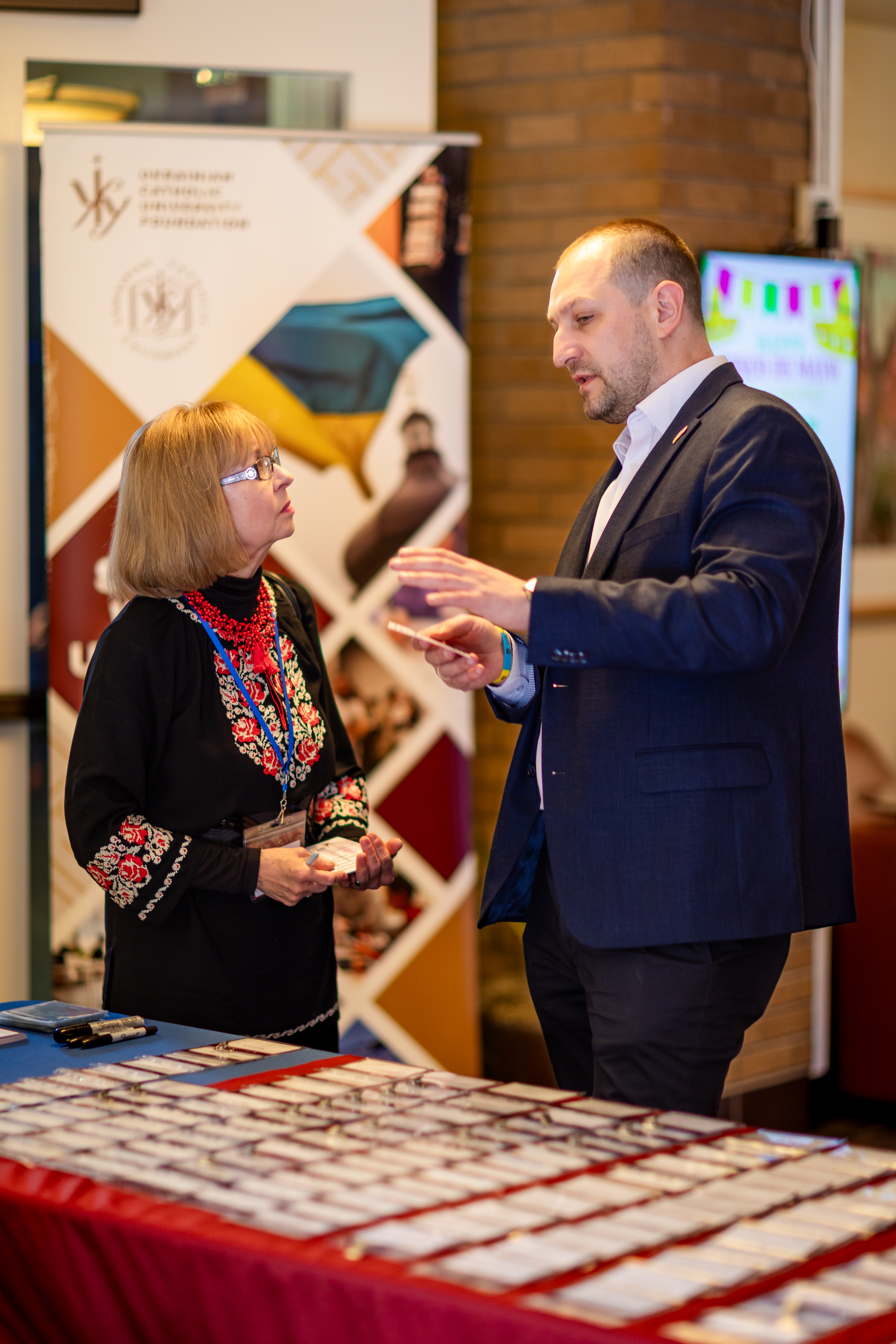
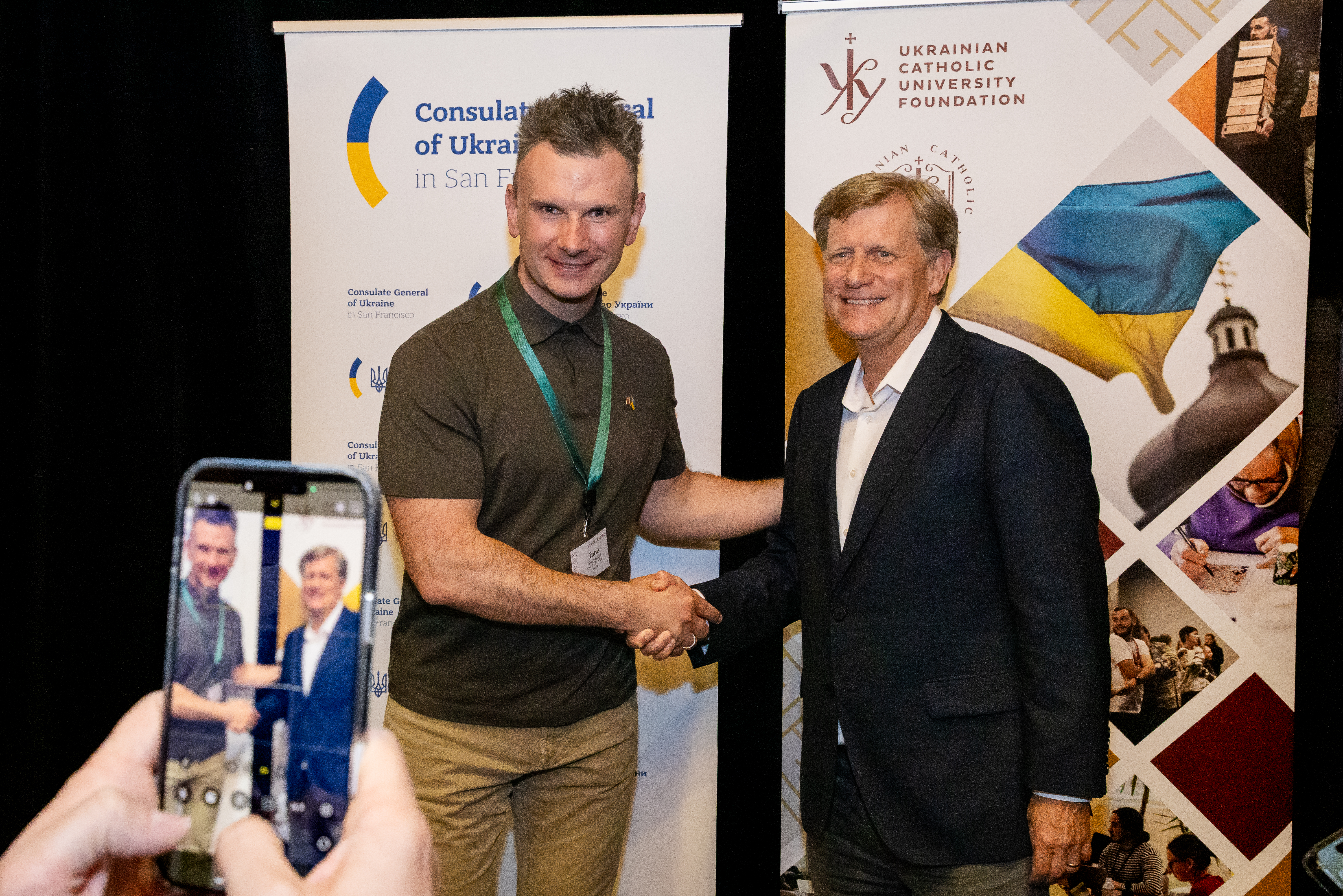
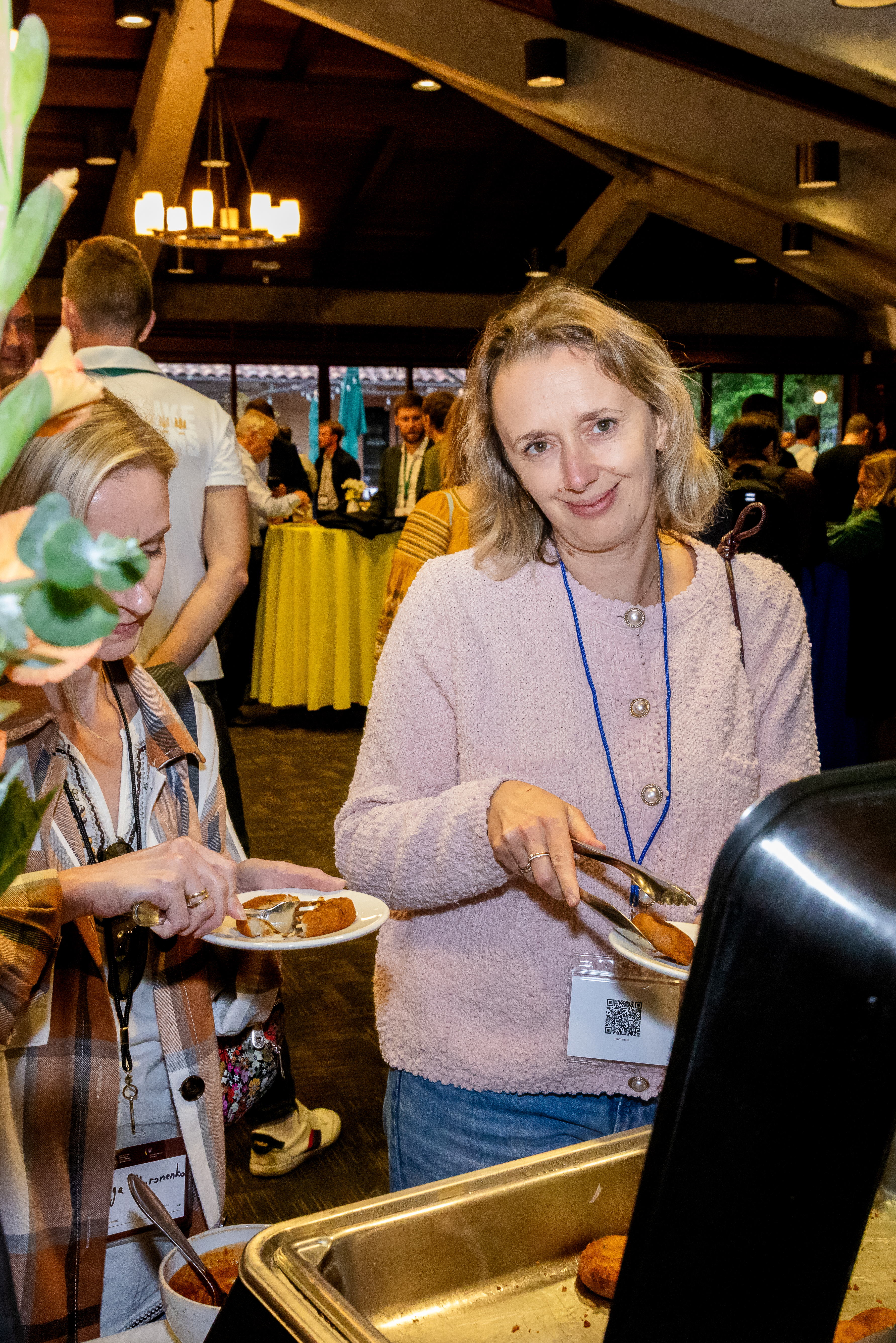
On 3 May, a formal reception was held at the Stanford Faculty Club in honor of the new cohort of participants. The hall was filled with Stanford professors, Ukrainian diplomats, Ukrainian start up founders from Silicon Valley, investors, members of Ukrainian organizations in the United States, and the local diaspora. Ukrainian speech once again rang out within Stanford’s venerable walls, and embroidered vyshyvankas delighted the eye.

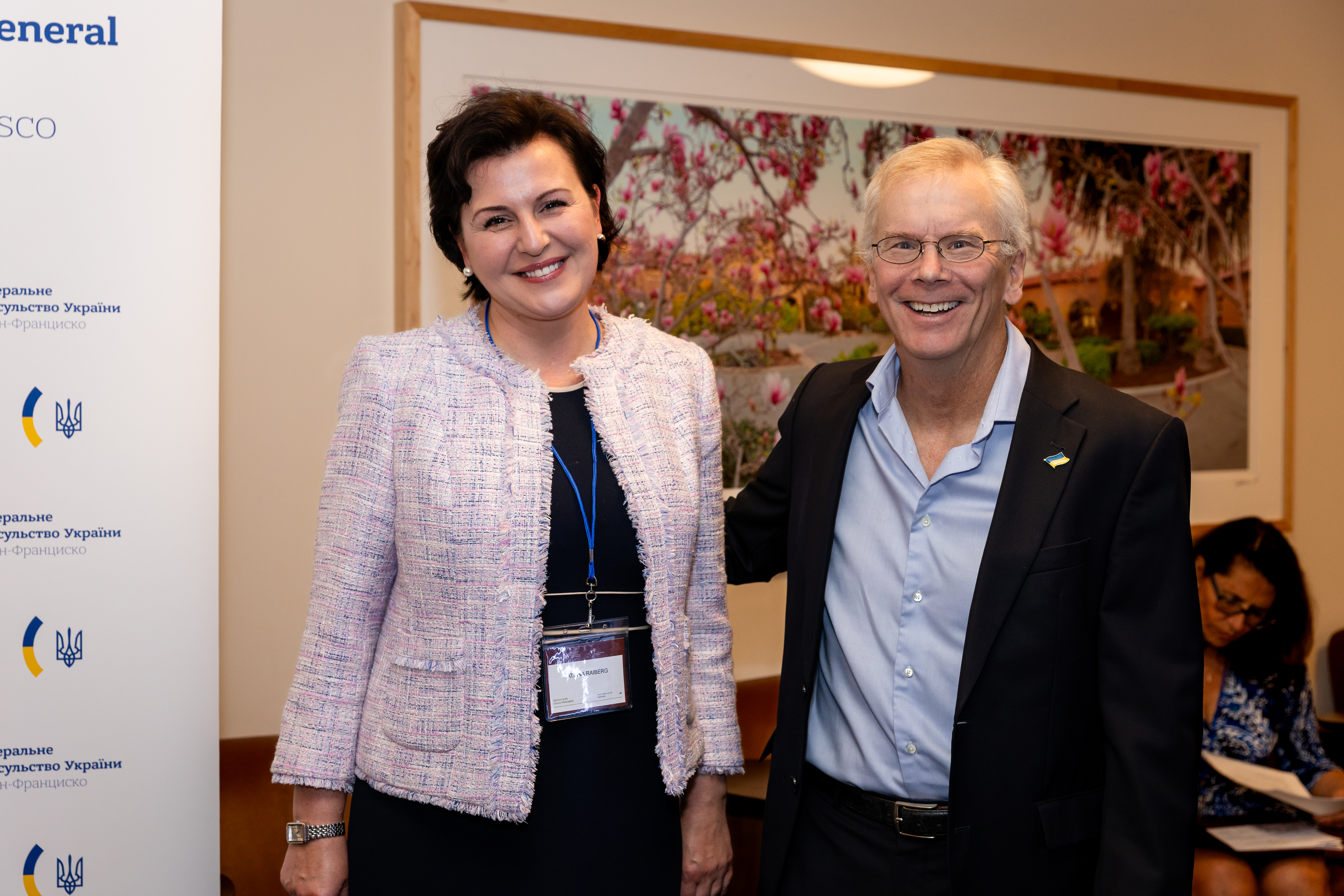
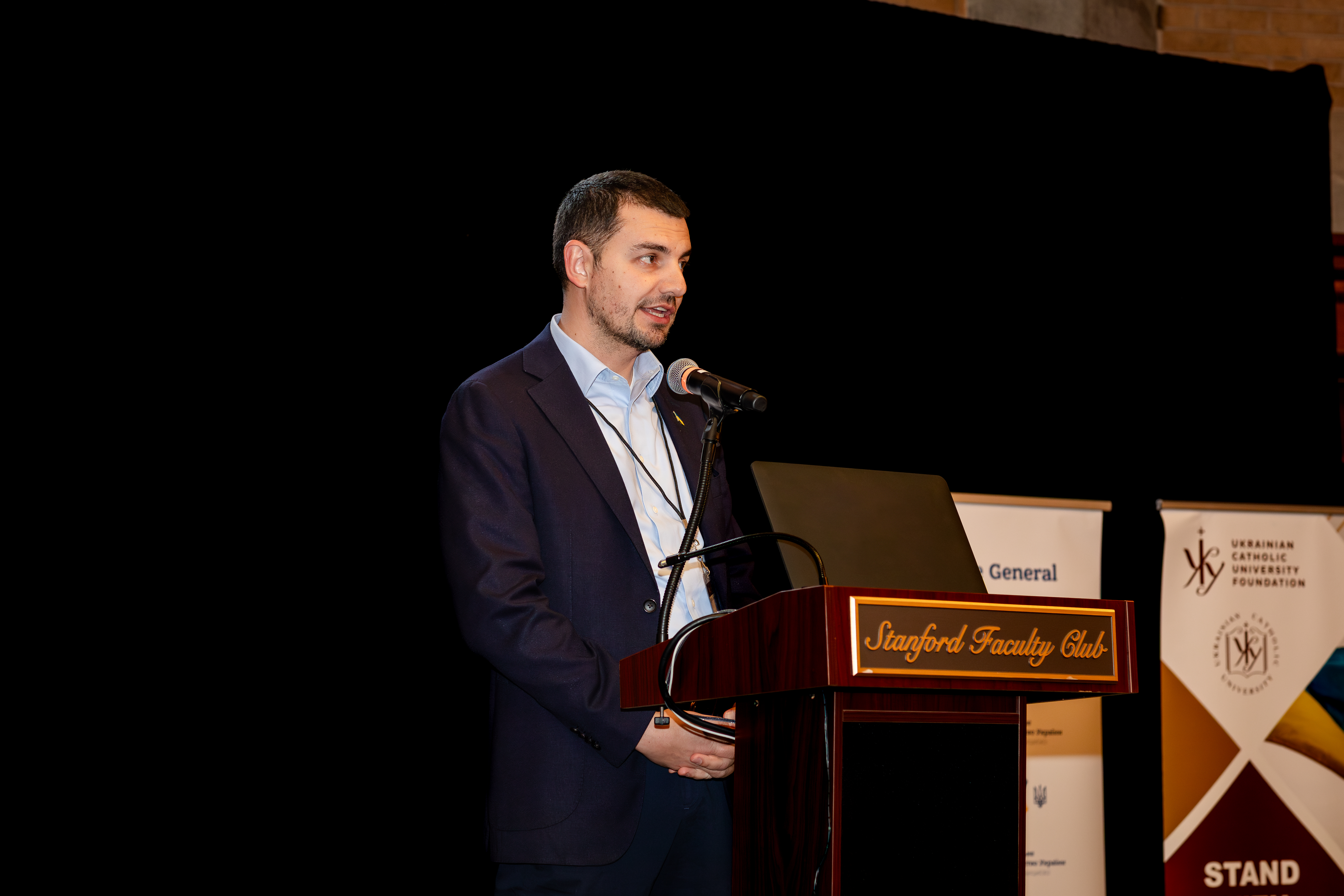
Photo, left to right: Michael McFaul, Nataliya Anon, Annetta Hevko.
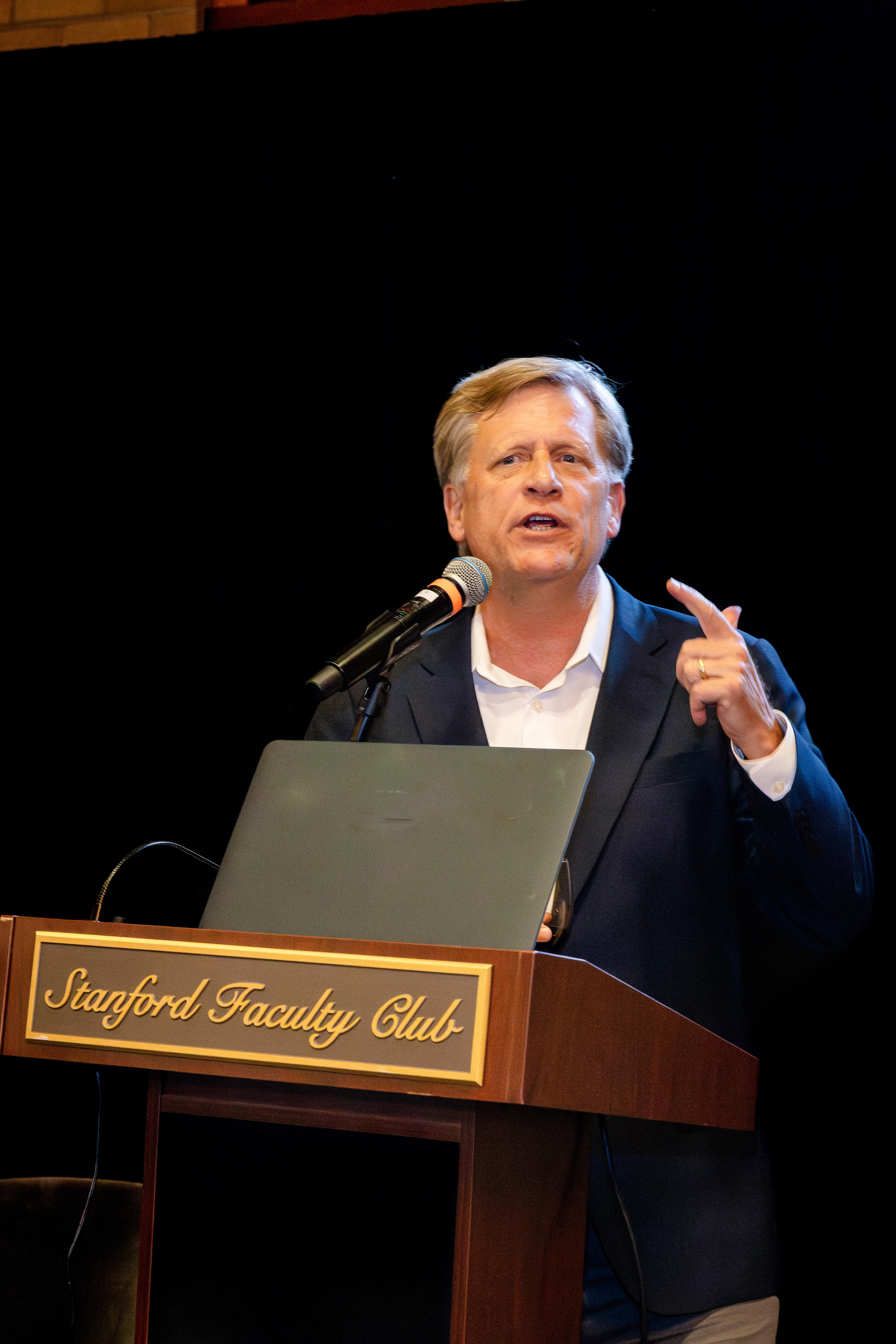
Professor Michael McFaul, Director of the Freeman Spogli Institute and former U.S. Ambassador to Russia, greeted the guests from the stage. He recalled how, in 2021—six months before the full scale invasion—he shook the Ukrainian President’s hand in that very spot, and how Stanford has unwaveringly supported the Ukrainian people ever since.
“I am addressing those of you from Ukraine—your relatives, your fallen loved ones, your friends serving at the front. I want to say ‘thank you.’ Not on behalf of your country—you can thank one another yourselves. I say ‘thank you’ on behalf of the free world, because you are fighting a dictatorship for your democracy. You are fighting evil—and you are the good. This is the struggle of good against evil,” McFaul said.
To ensure economic stability and viability, it is vitally important to continue developing entrepreneurship in Ukraine. Participation in a program such as Stanford Ignite Ukraine undoubtedly inspires, empowers, and enriches its participants. They return home, continue building their businesses, and create a community among themselves, forming a global network. So believes Annetta Hevko, CEO of the Ukrainian Catholic University Foundation: “Partnerships that UCU forges with leading universities such as Stanford are crucial, because they demonstrate that both institutions value quality education, innovation, and creativity, can serve as agents of change, and help drive transformation. Therefore—whether we are talking about entrepreneurship, civic leadership, religious leaders, social workers, or scholars—it is extremely important that UCU continues its mission,” Hevko explains, adding, “We already see these processes in last year’s first cohort, and it is clear how this wave is forging even stronger ties.”

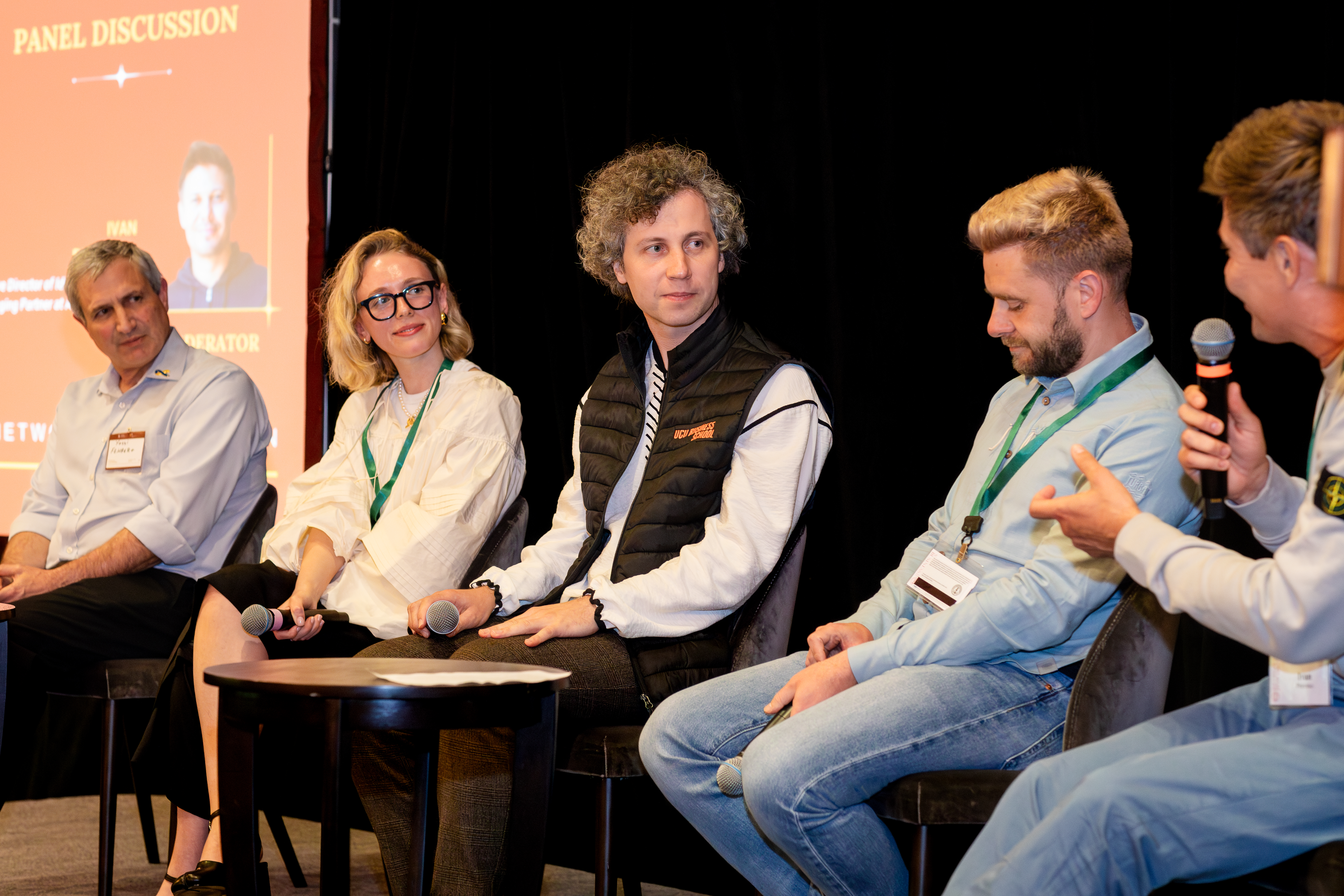
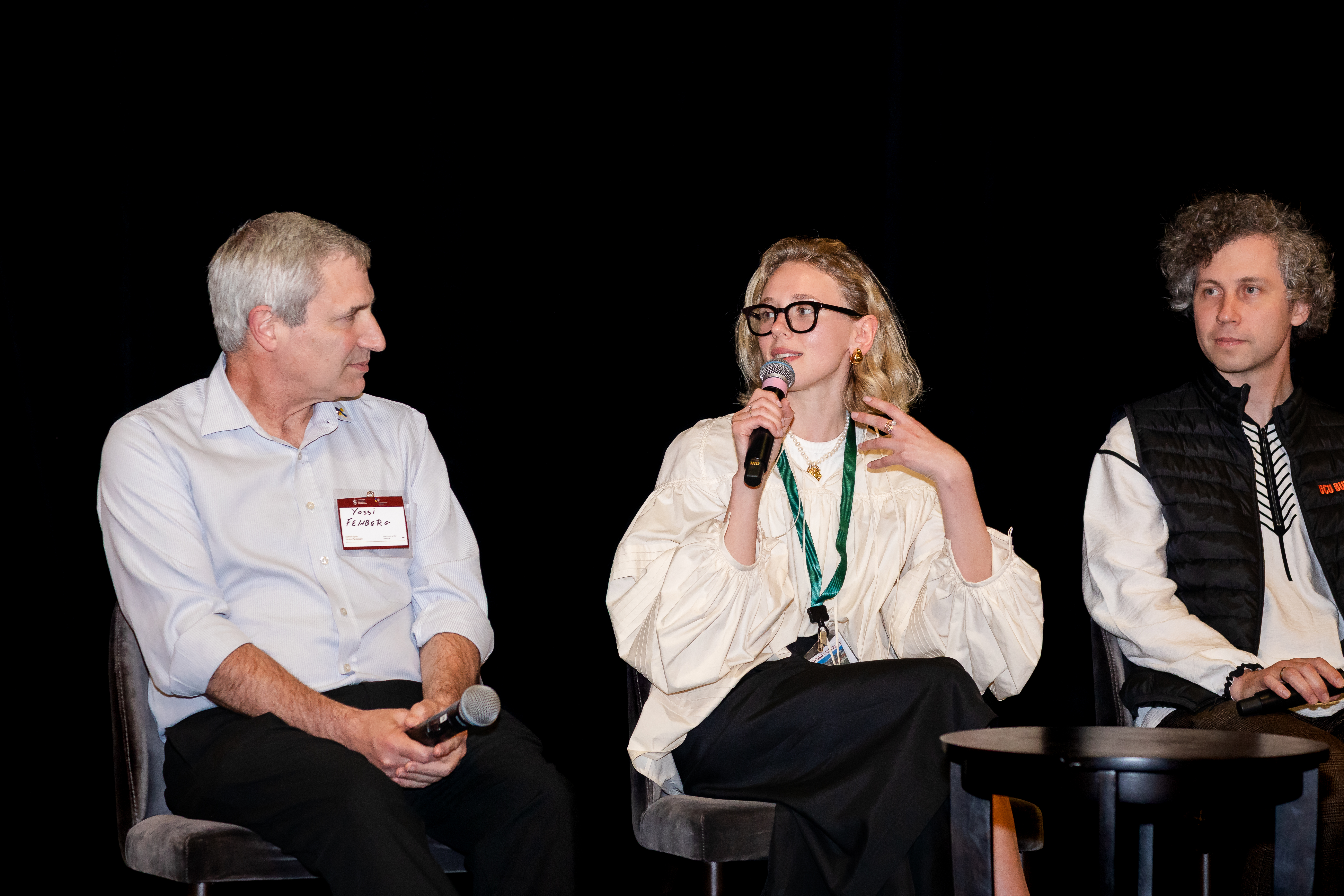
In the photo: Ivan Petrenko moderates a panel discussion with participants of Stanford Ignite Ukraine.
The second wave of SIU differs in the scale of its participants. So notes Ivan Petrenko, the project’s direct leader, managing partner of the Angel One venture fund, and head of the Ideas Center UCU. “This is a more mature, seasoned group. Here the participants represent companies with greater turnover and already active sales abroad. There are also more technology businesses,” he says. He admits that, over the past year, they managed to work on mistakes and adjust approaches to organizing group work. “The first group arrived in Stanford without knowing one another. And all of them were business owners accustomed to making decisions individually. So, for the second wave, we introduced a week of training at UCU—devoting time to networking, teamwork, and leadership. By the time they came to Stanford, our new participants had a shared story that did not exist last year.”
The program’s initiator and donor, Nataliya Anon—founder and CEO of Svitla Systems—joined the project this time also as a lecturer. She delivered a lecture on scaling a business for the Ukrainian entrepreneurs. “Today I spoke about how to enter other countries’ markets, synthesized Svitla Systems’ own experience, and shared practical steps. A third of the group already has experience with international operations, while the rest have tremendous desire. I saw forty pairs of eyes literally burning in the hall: people felt they too could create something bigger. Such is the magic of joining the ‘Stanford dream.’ And that passion is my greatest reward,” Anon shared.
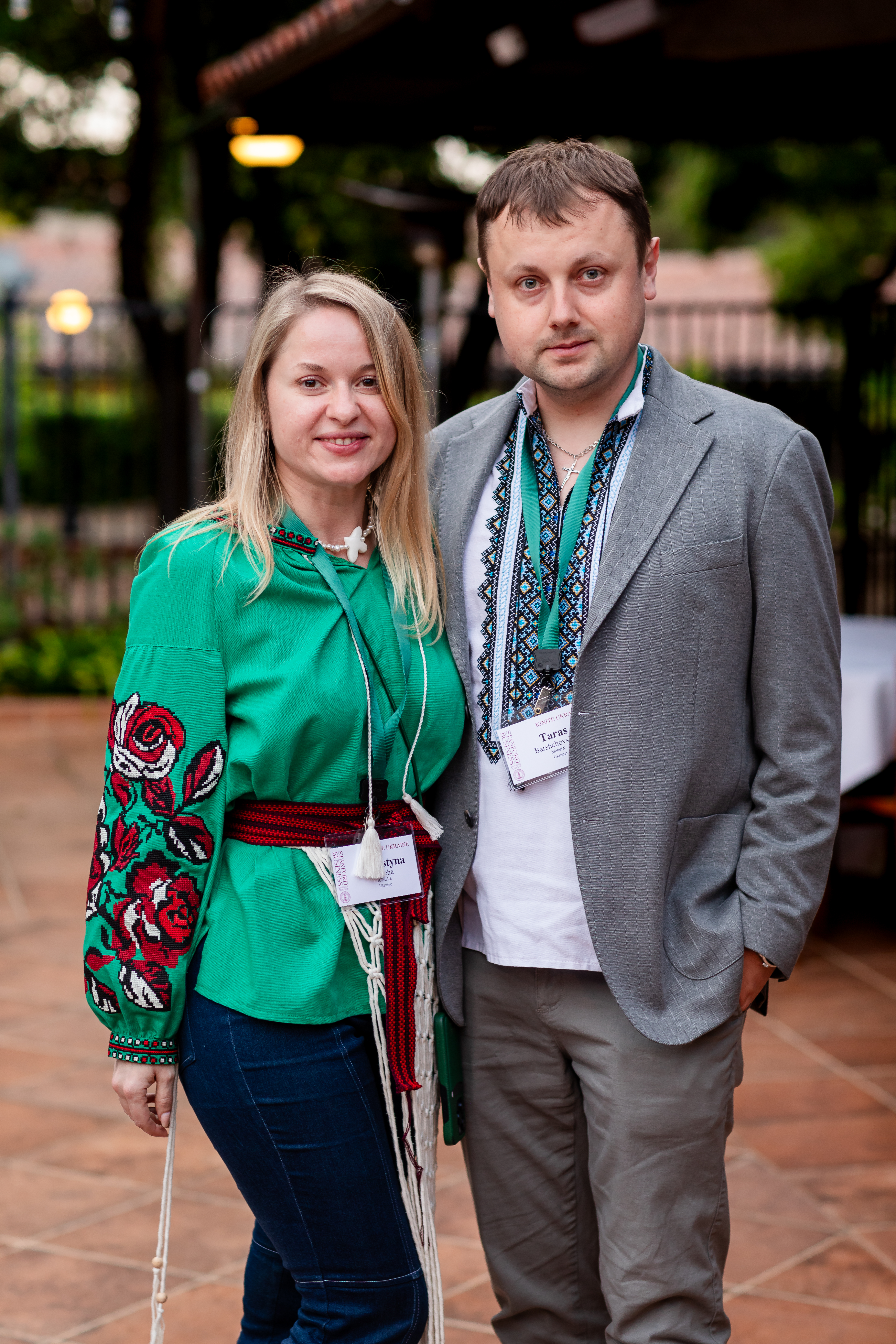
Among the program participants is Khrystyna Shabat, co founder of the network of kindergartens “Ptashenya. Children’s Space” and head of the Center for Child Dignity at UCU. She views Stanford Ignite Ukraine not merely as a business springboard but as a mission: “I feel like part of a greater task for Ukraine. From the very founding I have built my company on clear principles. Our taxes are drones and soldiers’ salaries, so they are always ‘transparent.’ Likewise, the basic values in raising small children. How five year olds learn to stand in line or not snatch another’s toy will determine whether, as adults, they respect the law and private property,” Khrystyna is convinced. She finds new ideas every day and only laments that she cannot share them all with colleagues in Lviv. “We are now creating a curriculum for very young children that is more relevant than ever. Many children have left Ukraine, and the need to remain Ukrainian without fully assimilating in new countries is only increasing. So we are working on a solution so that little ones can study the same way in a large Ukrainian school in Chicago and in a small village somewhere in Switzerland. People everywhere can remain Ukrainian,” Shabat says.
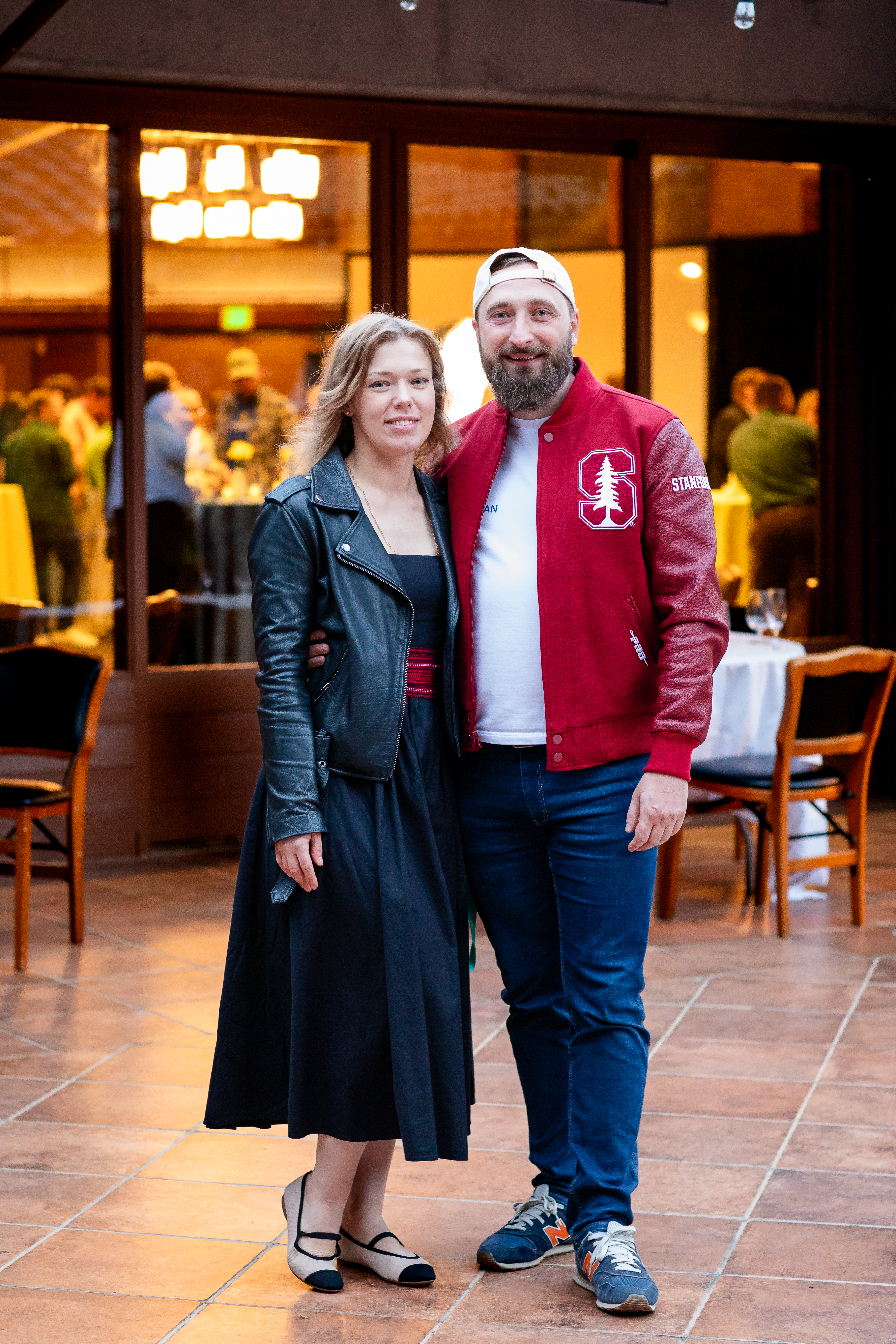
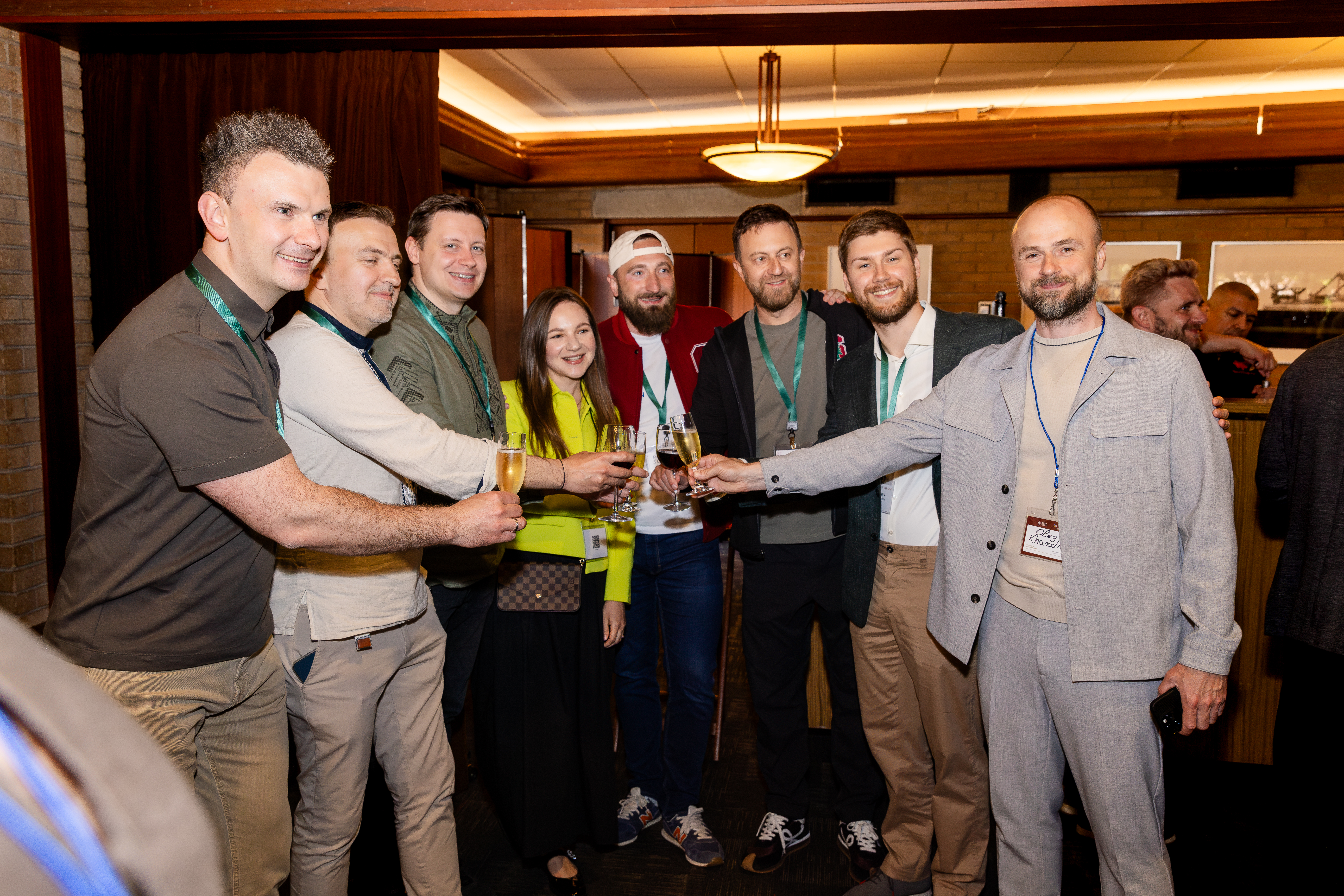
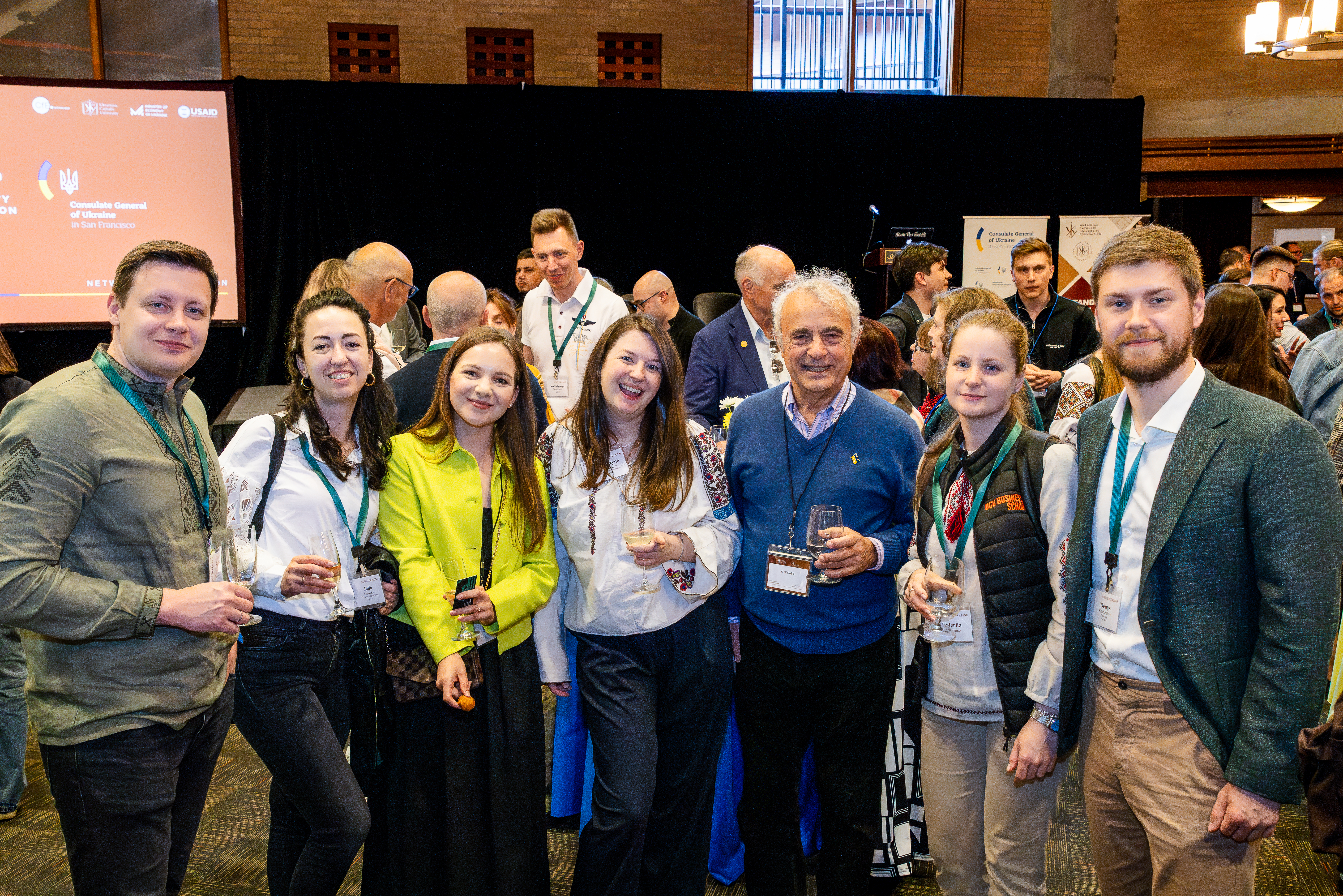
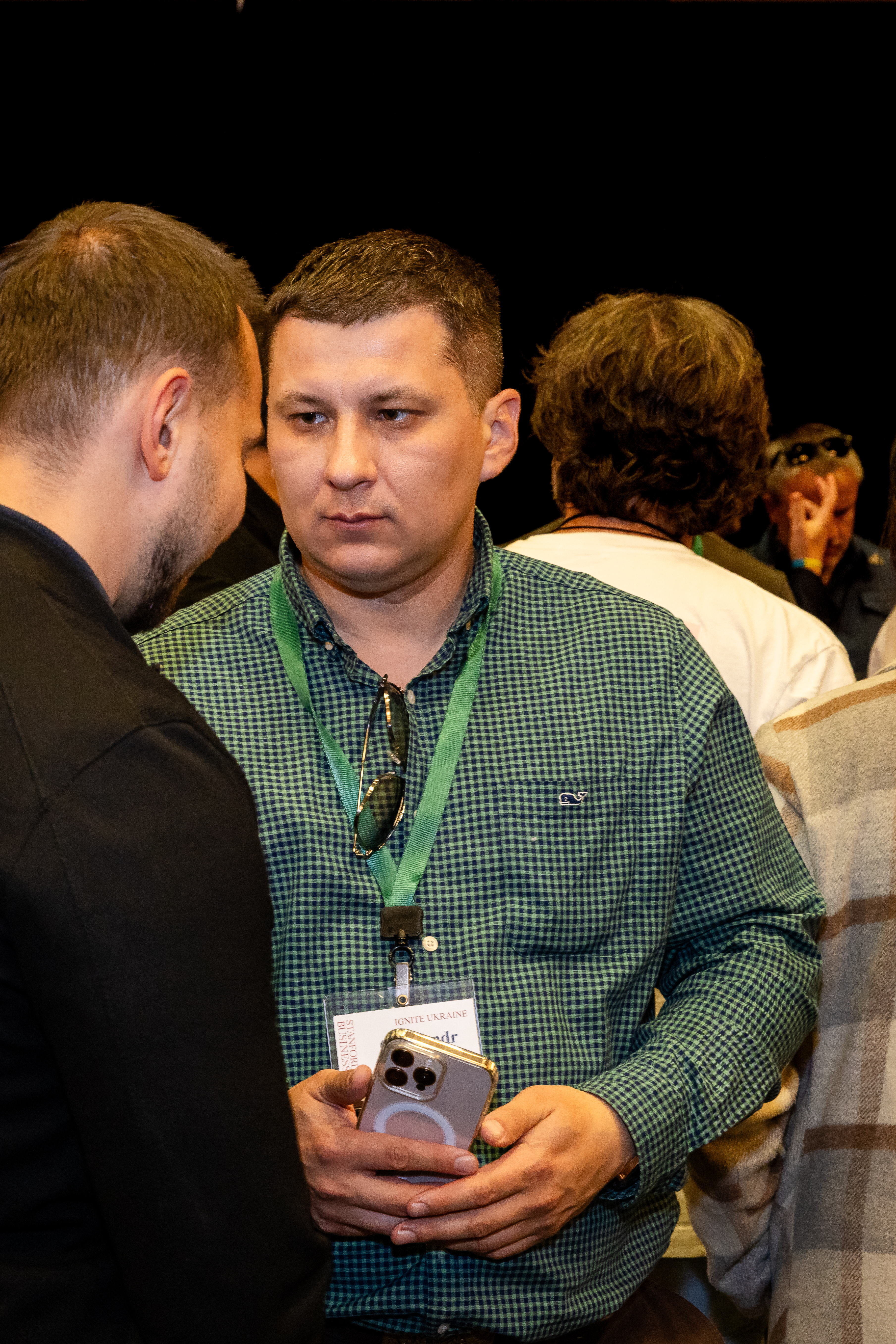
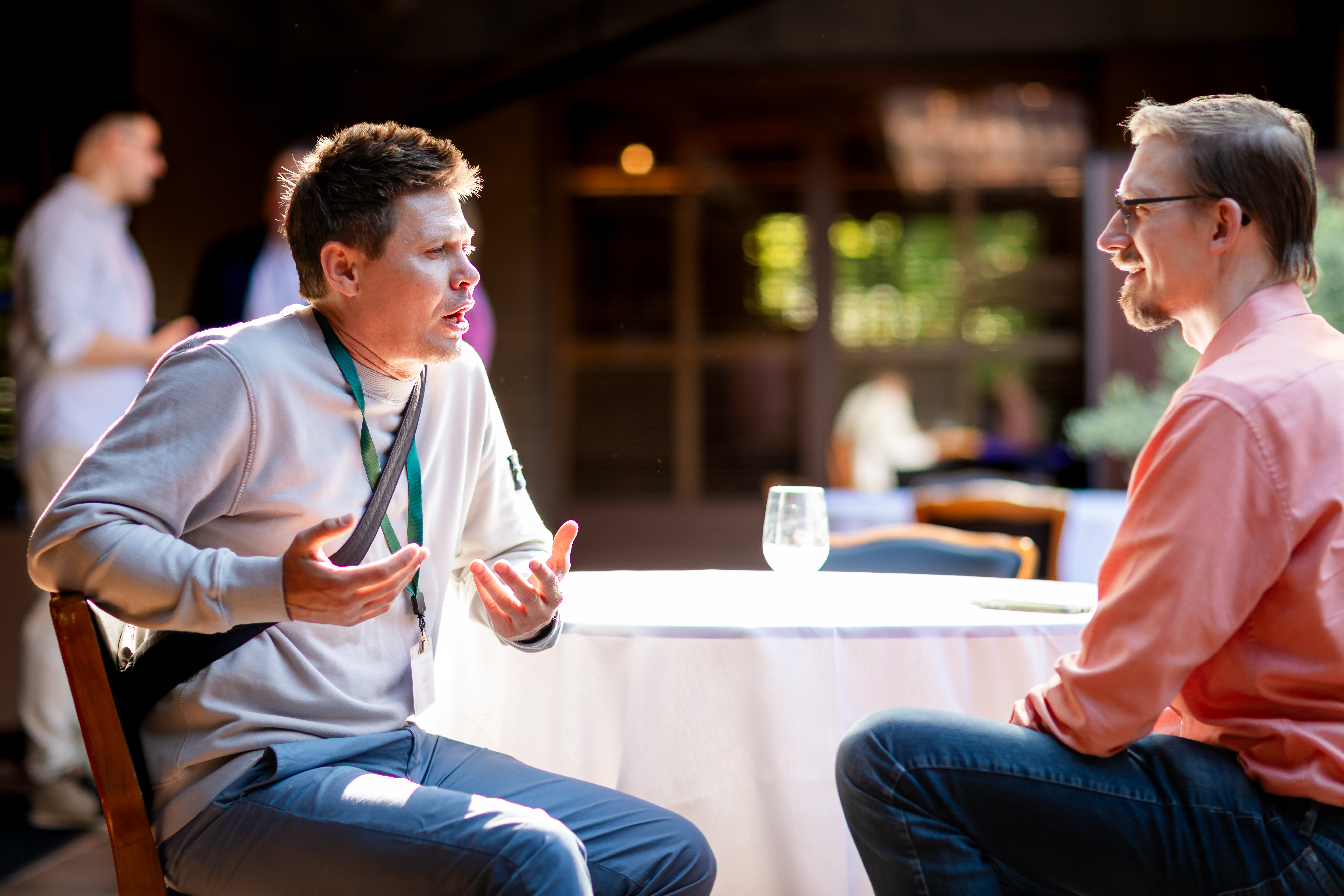
In the photo: SIU 2025 participants and guests of the event at the Stanford Faculty Club.
Although the program is formally free for participants, it requires full engagement: after the on site stage, the entrepreneurs present refined projects to Valley investors. In the previous SIU wave, several start ups already raised financing. Key selection criteria include readiness to scale, implement innovation, and operate transparently, because such businesses, organizers say, “support the country best during wartime.”
In view of its success, the CfE Accelerator UCU and Stanford GSB team plans to announce a new intake: the application form will most likely open in autumn 2025. Under conditions in which Ukraine’s economic resilience has become as much a front as the military one, SIU’s initiators are convinced that subsequent waves of entrepreneurs will bring back from Stanford even bolder ideas and resources for reconstruction and development—just as vital, in the long term, as the Ukrainian army’s victory on the battlefield.
About Author: