


The annual event Ukraine's Innovation Days 2.0, one of the most important platforms for discussing Ukraine's future through the lens of innovation, took place in the U.S. capital. The event brought together leading Ukrainian officials, international partners, researchers, entrepreneurs, experts in finance, defense technology, science and education. Discussions focused on strategic approaches to Ukraine's post-war recovery and integration into global economic and security processes.
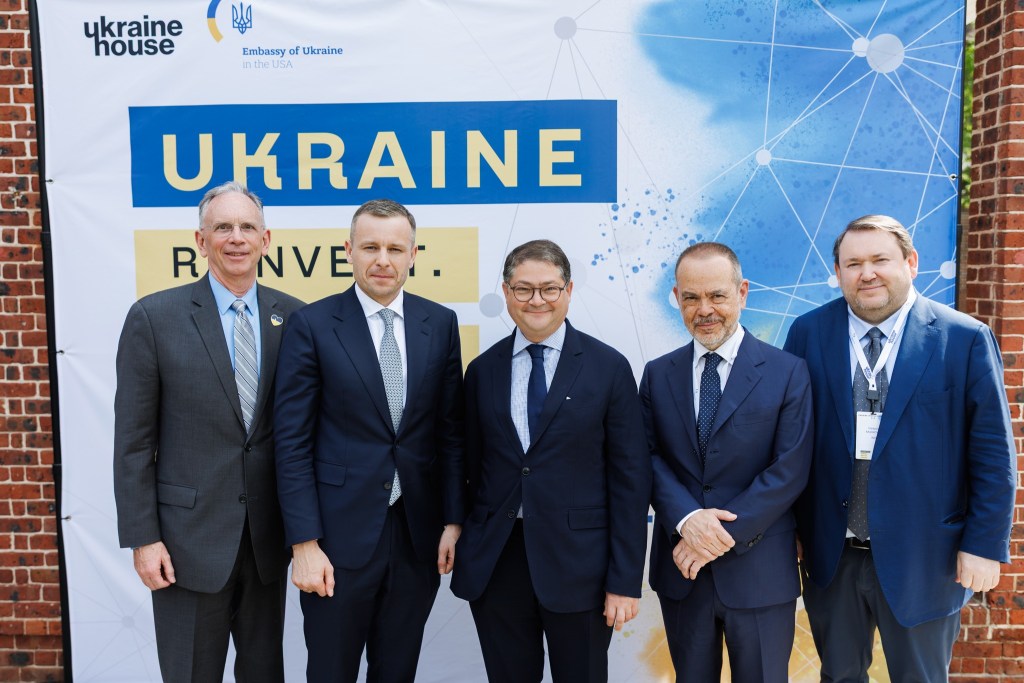
During the first session, participants sought answers to questions about investment and ensuring sustainable growth in Ukraine. National Bank Governor Andriy Pyshnyi emphasized that the defense sector is the foundation for all other sectors and outlined key priorities: restoring logistics and exports, modernizing the energy sector, and developing automation. Finance Minister Sergii Marchenko warned of the risks associated with weak institutional capacity and stressed the need to strengthen state control over the implementation of infrastructure projects. The representatives of France and Italy, Pierre Gelbrunn and Davide La Cecilia, confirmed their readiness to support investments in digital transformation, the agricultural sector and the defense industry, which will allow Ukraine to take a significant place in global value chains.
Part of the discussion was devoted to defense innovation. Mykhailo Fedorov, Deputy Prime Minister for Innovation and Digital Transformation, spoke about the incentives introduced for technology companies: tax breaks, grant programs, and simplified customs procedures. As a result, drone interception systems and mobile missile systems are being actively developed in Ukraine, and the country itself is becoming a unique testing ground for dual-use technologies. Abigail Desjardins, a representative of the U.S. Defense Innovation Unit, emphasized that the U.S. defense industry benefits from cooperation with Ukrainian engineers. Debra Kagan from the Atlantic Council called for concrete steps that would confirm the strategic partnership with Ukraine not only at the level of statements, but also in practical decisions. Raytheon's Jennifer Puschner emphasized that modern wars are won not only by technology, but also by the ability to adapt quickly to changes.

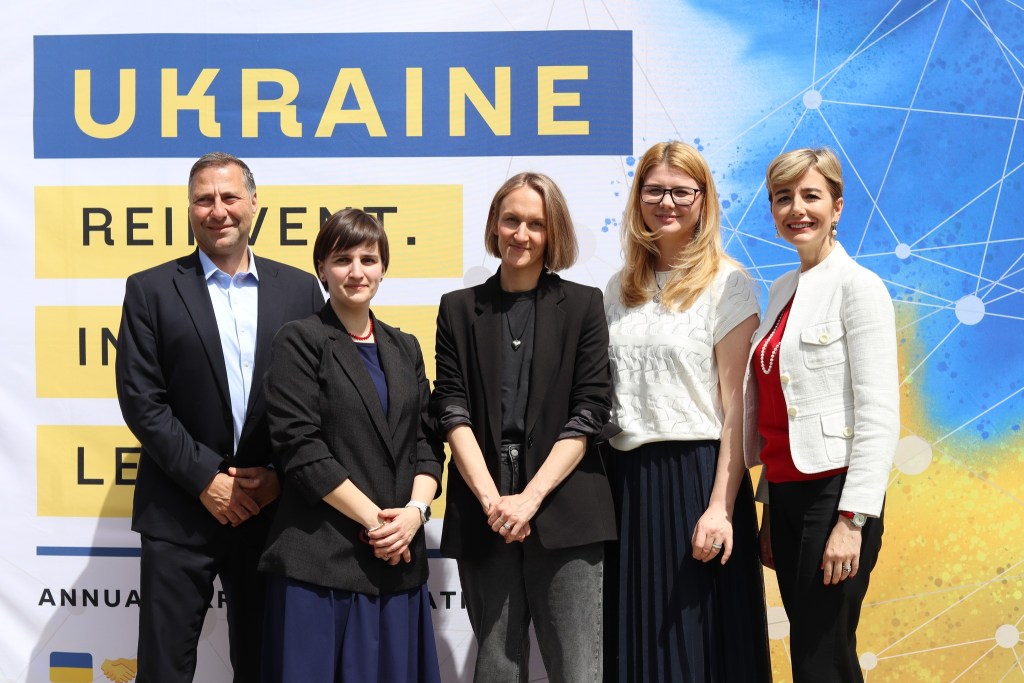
Participants also focused on the long-term drivers of Ukraine's development, such as education, science, and human capital. Vaughan Turekian of the US National Academies drew a historical parallel with the creation of the US Academy of Sciences during the Civil War, emphasizing that even limited but strategically targeted investments can yield breakthrough results. Natalia Shapoval of the Kyiv School of Economics presented a model for an educational cluster that combines academic training with practical skills, particularly for engineers, welders and CNC operators. She emphasized that veterans who acquire new skills can become drivers of the economy. Anastasia Rozlyutska of the Ukrainian Development Foundation called for veterans to be seen not as a challenge but as a resource for the future. Nadia Krisan of Princeton University stressed the importance of a structured approach to funding research initiatives, particularly through the Horizon Europe program, and the need for leaders who can turn research into real products.
All presentations and discussions at Ukraine's Innovation Days 2.0 were united by one idea: only a comprehensive combination of security resilience, strategic investments, advanced technologies and human capital development can ensure not only Ukraine's recovery, but its transition to a new level as an innovative, flexible and globally integrated state.
Author: Danylo Pievchev