


The Ukrainian presence in New England has a long history, which was formed over a century. Today, in the cities of the region, in particular in Boston and the settlements of Connecticut, an active public and cultural life of Ukrainians is recorded: schools operate, charitable events are held, and cultural initiatives are functioning.
This was reported by Myroslava Fallback.
The first Ukrainian immigrants appeared in the late 19th and early 20th centuries. They arrived from the territories of Galicia, Bukovina, and Transcarpathia, which were part of Austria-Hungary. In documents, they could be identified as “Austrians” or “Ruthenians,” but they retained their own cultural identity. The main places of work were industrial enterprises: textile factories in Rhode Island, steel mills in Connecticut, paper mills in Maine.
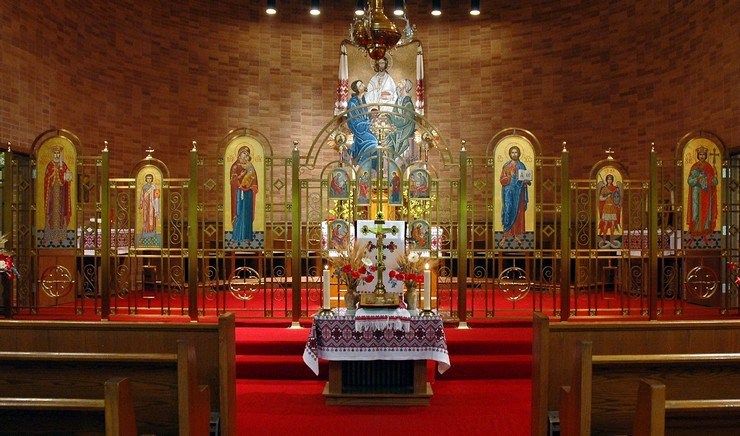
Church parishes played an important role in consolidating the community. They became centers of not only religious but also cultural life. They operated Sunday schools, choirs, amateur theaters, and organized joint events, which contributed to the formation of a stable Ukrainian community in the region.
In the interwar period, the number of Ukrainians in New England grew. Prosvita organizations, youth, cultural, sports, and women's associations appeared. Publishing activities developed, and cultural events were held. A significant part of this activity was carried out by representatives of the working class.
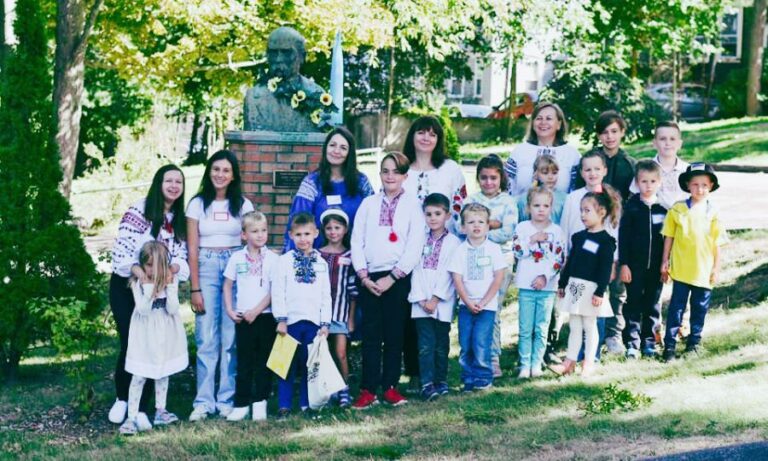
After World War II, a new wave of emigrants arrived in the United States - educators, scientists, doctors, and writers. They actively participated in public life, created educational and cultural institutions, and organized political initiatives related to supporting Ukraine. This generation also served as a source of information about events in Ukraine during the Soviet period.
In the 1950s–1980s, the Ukrainian community was active in the public space of the United States. Actions, pickets were organized, appeals to politicians were made, and events were held aimed at drawing attention to Ukrainian issues.
After 1991, in connection with the declaration of independence of Ukraine, a new wave of emigrants arrived in the region. Among them were students, specialists in various fields, and young families. This contributed to the renewal of the community, the development of educational programs, and the emergence of new cultural and professional initiatives.

The events of 2014 became a factor in the activation of the Ukrainian diaspora. In response to the annexation of Crimea and the war in Donbas, actions were organized, volunteer groups were created, and aid was collected for the victims. New public initiatives emerged in the cities of the region.
Since 2022, there has been a significant change in the size of the community. Tens of thousands of Ukrainians have arrived in New England. They were assisted by Ukrainian parishes, volunteers, cultural centers, and local residents. In parallel, new professional and cultural environments were formed, businesses and educational projects were created.
Modern Ukrainian life in New England includes the activities of cultural and educational institutions. In particular, the Ukrainian Cultural Center of New England operates, which organizes cultural events, lectures, exhibitions, and public initiatives. There are Saturday schools, art groups, and church communities.

An important element of public life are festivals and charitable events, in particular the Ukrainian Festival in Boston and local events in other cities in the region. They contribute to the preservation of culture and the unification of the community. After 2022, volunteer activity has become more active. Public organizations and initiative groups are engaged in collecting humanitarian aid, and student communities organize information and cultural events.
Demographic changes are observed in the region. In Massachusetts, Connecticut, and neighboring states, the number of Ukrainians has increased, including young professionals and families. New local communities are forming, businesses are developing, and cultural initiatives are flourishing.
Photo: Myroslava Fallback
Author: Danylo Pievchev