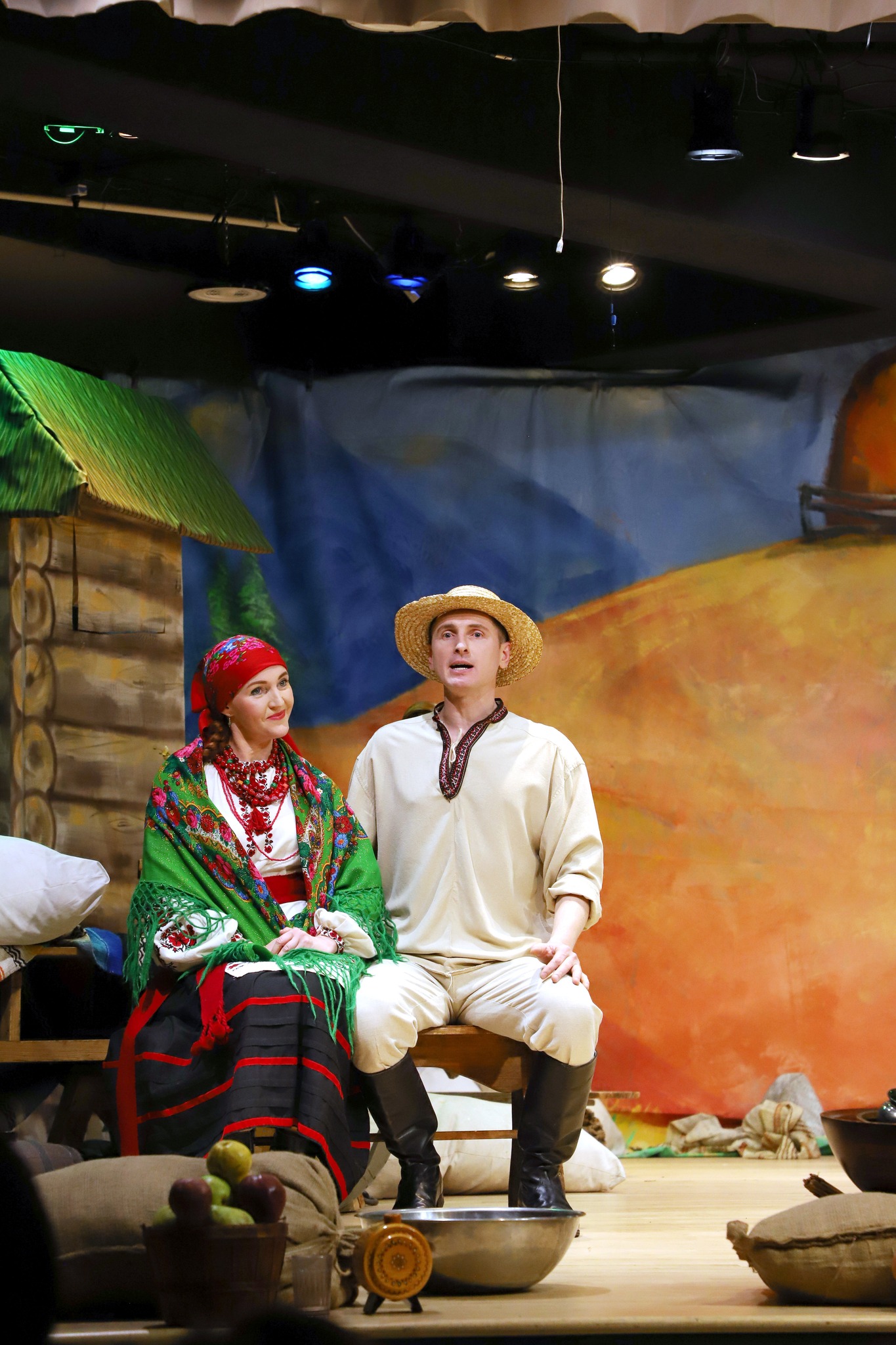
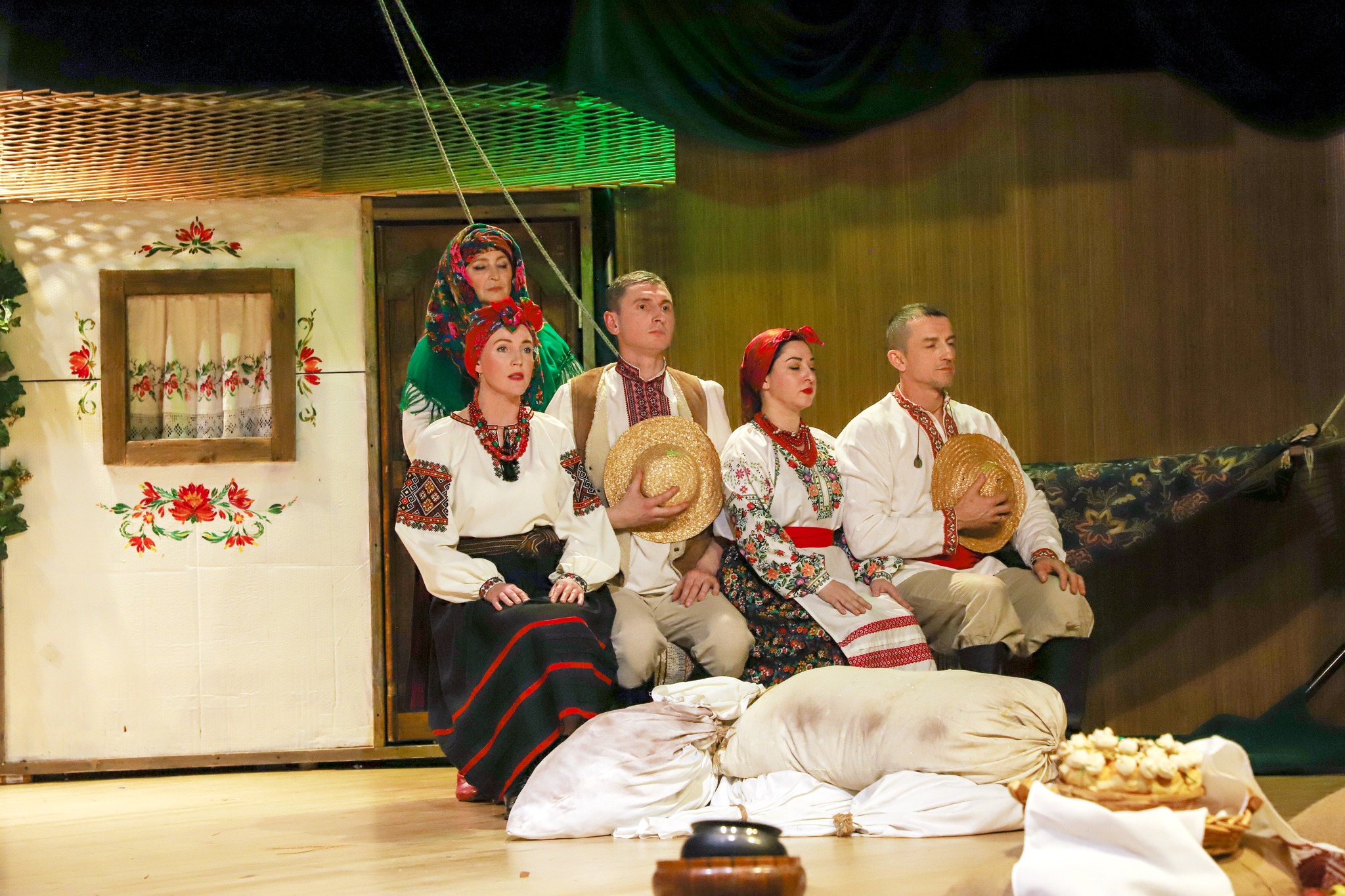
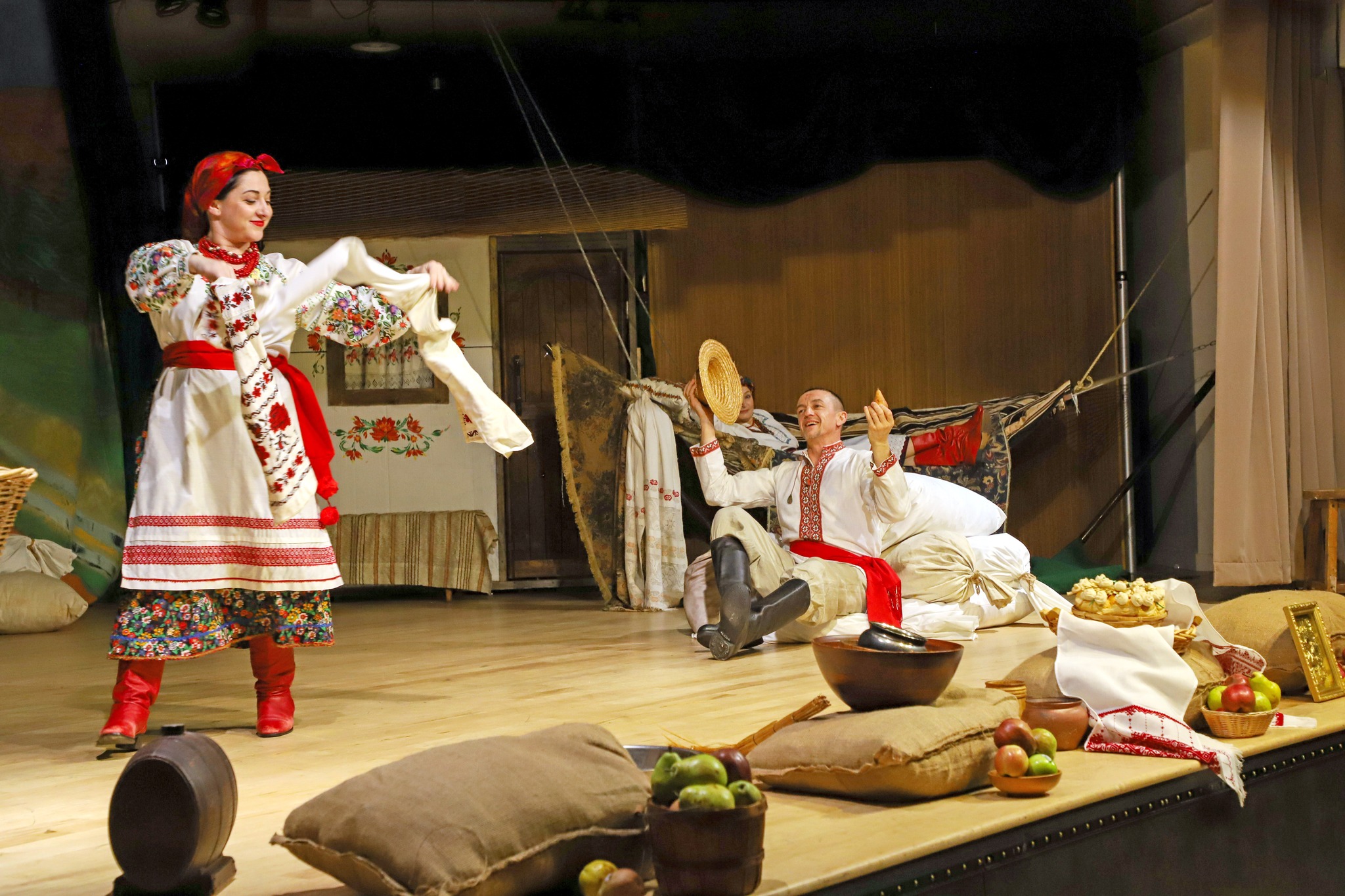
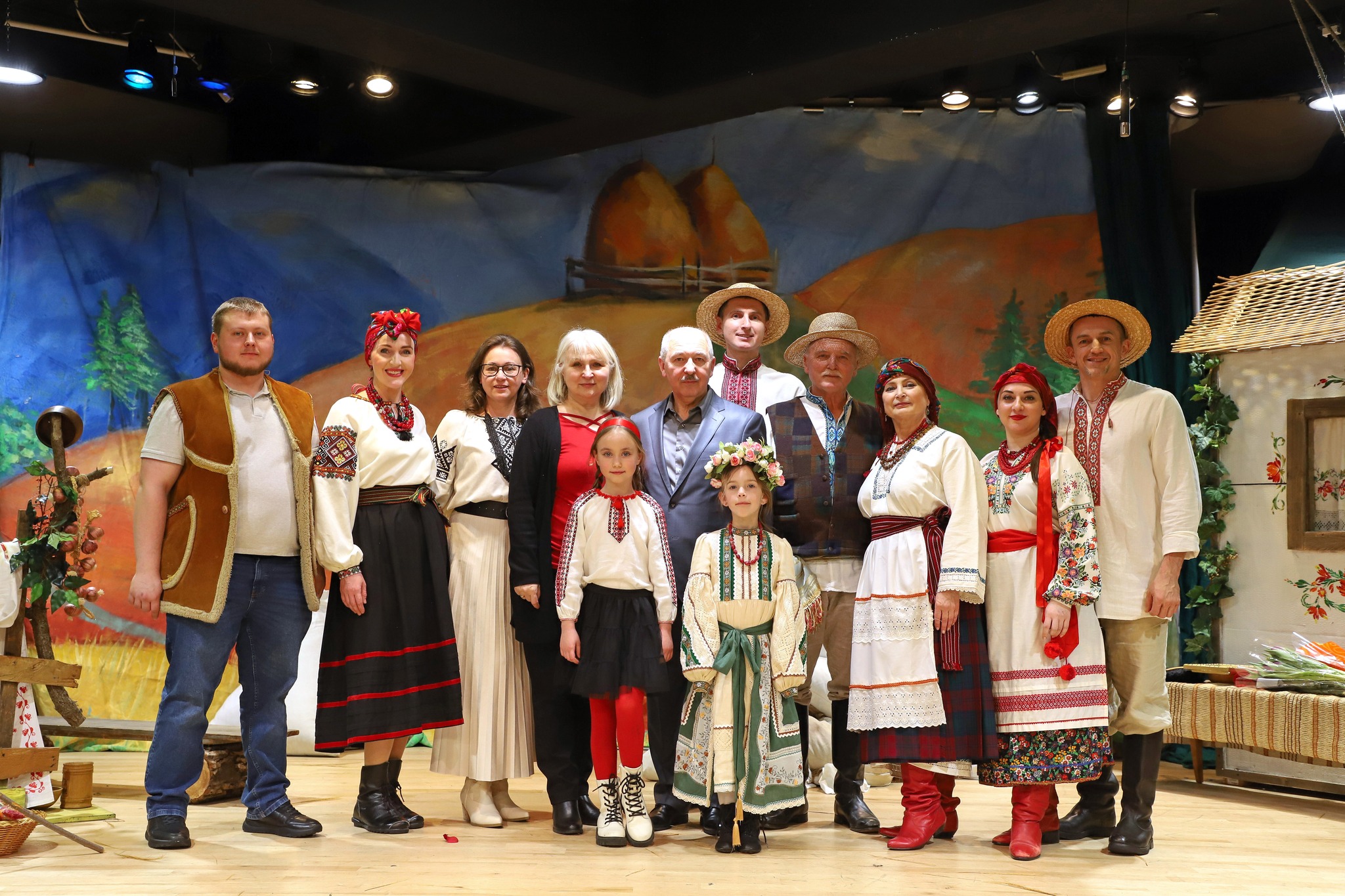
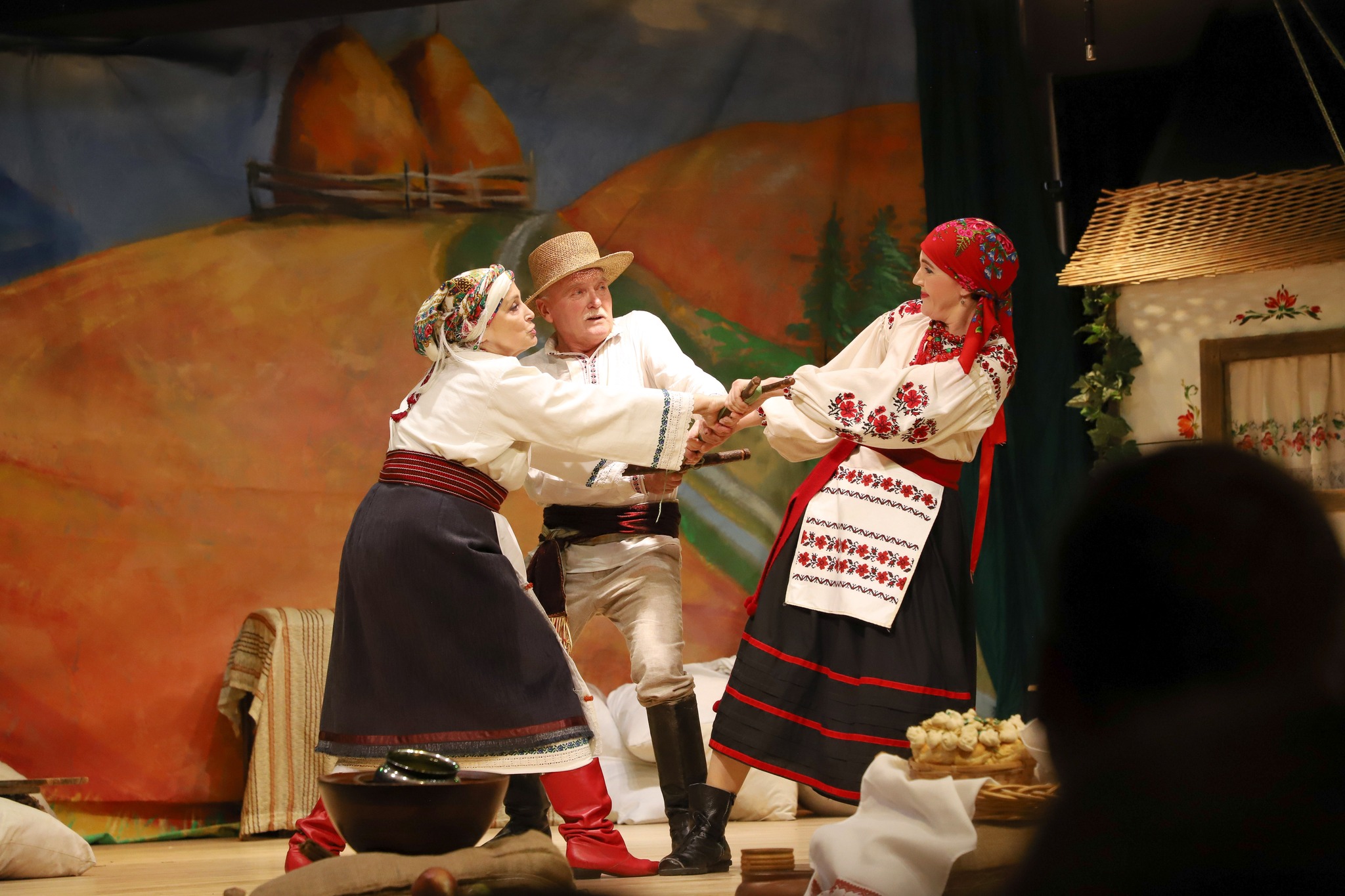
The Ukrainian drama theater “Homin,” which operates at the St. Joseph the Betrothed Ukrainian Catholic Church in Chicago, once again presented the play “The Kaidash Family” based on the classic novella by Ivan Nechuy-Levytsky. The production, which had a successful premiere nearly a year ago, was staged again due to strong audience interest.
This was reported by Radio UA Chicago.
The “Homin” theater, which has been active in Chicago’s Ukrainian community for more than 18 years under the direction of director Vasyl Mytnychuk, continues to promote Ukrainian literature, culture, and language far from the homeland. Over the years, it has become an important cultural center for the diaspora.
The performances took place on Saturday evening and Sunday afternoon in the auditorium of St. Joseph the Betrothed Church.
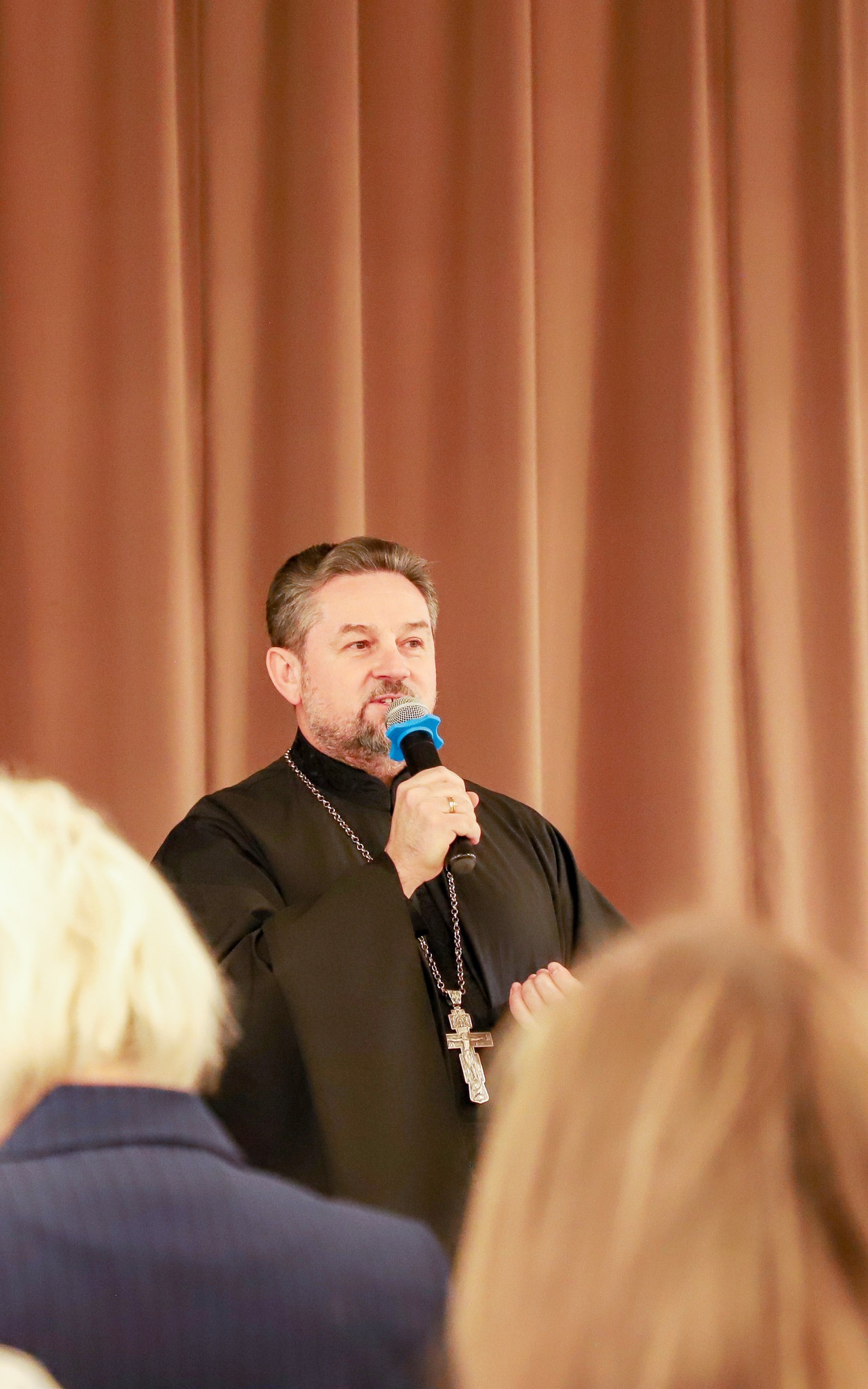
Before the performance began, the parish priest, Father Mykola Buriadnyk, addressed the audience.
“Back to those roots, to those origins, creative people of the Ukrainian community in Chicago bring us through their diverse art forms,” Father Mykola said. “Today this was done by the ‘Homin’ theater, which invited us not simply to a performance, but to show us a part of life, the relationships between people in general and within one family in particular. It wants to show us what it means to be human. I believe that everyone will take something for themselves from this production, draw certain conclusions, and perhaps even change some of their views on life and communication with loved ones.”
 The stage adaptation of the work by Ivan Nechuy-Levytsky was prepared by Serhii Herzhyk, while the production was directed by Vasyl Mytnychuk. On stage, the actors recreated the well-known Ukrainian story of the Kaidash family — with conflicts, humor, drama, and sincere human emotions.
The role of Omelko Kaidash was performed by Yaroslav Kupchak, who portrayed the complex character of the hero — stubbornness, strength, and the inner struggles of a man striving to be a good хозяин and father. Marusia Kaidashykha, played by Halyna Holovko, appeared before the audience as a strong-willed and emotional woman who has carried the family on her shoulders all her life.
Motria was portrayed by Olha Oliinyk — her character proud, emotional, and sharp-tongued. Karpo, played by Roman Stefantsiv, appeared restrained and stubborn, while Lavrin, portrayed by Andrii Hrechaniuk, was remembered by the audience for his bright character and sense of humor. The role of Melashka was performed by Khrystyna Shcherbin.
Director Vasyl Mytnychuk, together with Leonida Mytnychuk, succeeded in bringing together actors of different ages into one theatrical team, which allowed them to create a vivid and emotional production. The story made the audience both laugh and reflect on themes of family relationships, respect, responsibility, and the value of loved ones.
 The ending of the performance was especially symbolic. Near the stage, children who were born in the United States but are being raised in Ukrainian families handed pears to the audience — a symbolic gift referring to the plot of “The Kaidash Family.” In the novella, it is the pear tree that sparks the conflict between the families of Karpo and Lavrin, and its resolution becomes a symbol of reconciliation.
After the performance, the actors together with director Vasyl Mytnychuk addressed the audience, among whom were Ukrainian soldiers. They wished peace to every family and to Ukraine. The hall responded with a standing ovation.
The performance also had a charitable purpose. The “Homin” theater joined a fundraiser in support of the Hero Protection Fund, which operates at St. Joseph the Betrothed Church and helps Ukrainian soldiers.
Others who contributed to the production included: Leonida Mytnychuk — musical accompaniment and costumes, Khrystyna Shcherbin — scenography, Yaroslav Kupchak — props, and Vitalii Kharysh and Oleh Lobukh — lighting design.