


The claims about alleged American “biolabs” in Ukraine have once again become a topic of international discussion and have drawn criticism from journalists and experts. At the same time, Ukrainian military and government structures are actively working on the implementation of artificial intelligence to manage combat operations and analyze data. In parallel, Western partners are discussing possible formats for future negotiations to end the war, while the global security situation remains tense due to the events surrounding Iran.
Hubbard published data on alleged US-funded “biolabs” in Ukraine
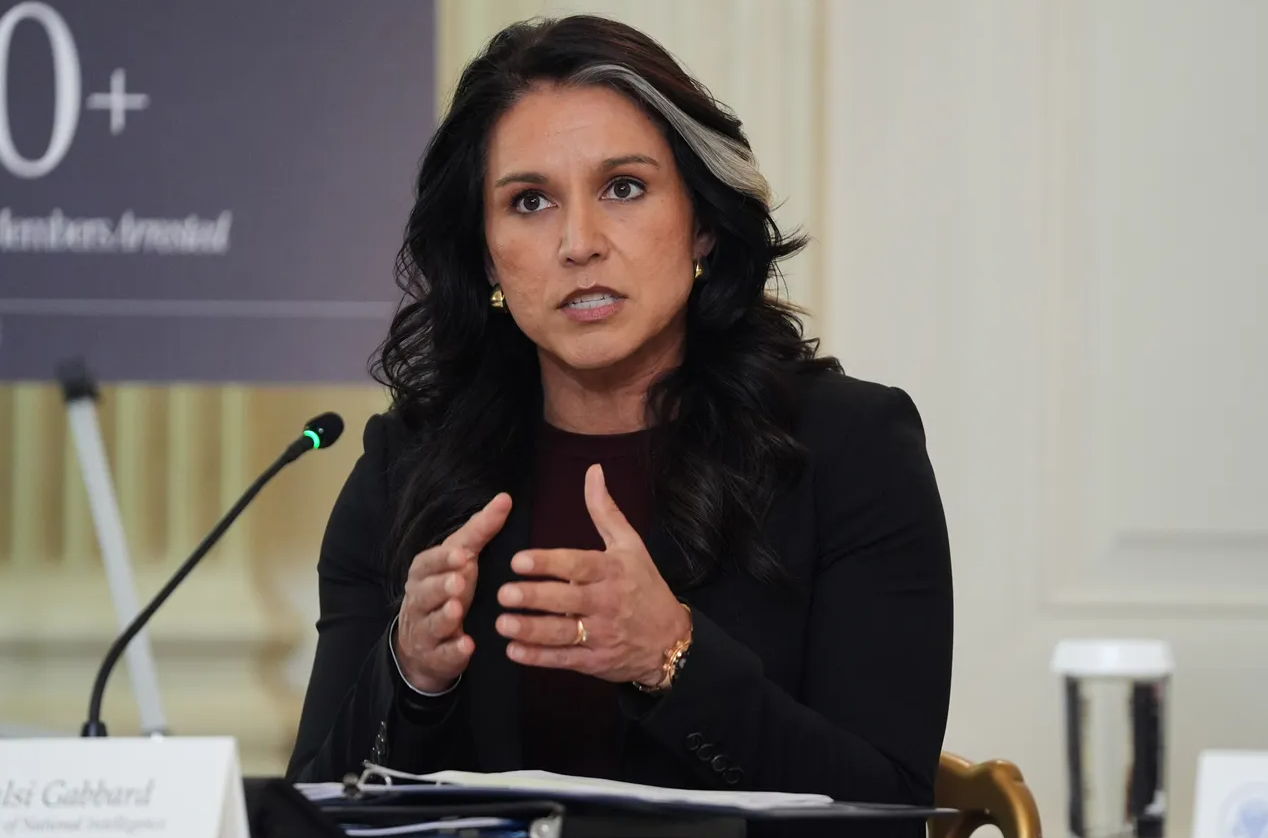
The outgoing US Director of National Intelligence, Tulsi Hubbard, announced the existence of more than 120 laboratories in 30 countries around the world, which, according to her to, were funded by the American government. She named Ukraine among such objects, publishing a map with the designation of alleged “biolabs”. Gabbard claims that these facilities could pose a risk due to war and allegedly contain dangerous pathogens that could be captured or damaged during hostilities. She also accused the Joe Biden administration of hiding information about the relevant programs from the American public.
The published materials caused a wave of criticism from journalists and experts. Financial Times correspondent Christopher Miller drew attention to numerous errors on the map, where Kyiv was placed near Odessa, and instead of Chernivtsi or Chernigov, the city of “Cherniv” appeared. He stated that the presented slides cannot be considered evidence of the statements made. Bulgarian investigative journalist Hristo Grozev also criticized Gabbard’s actions, calling them an information gift to the Kremlin and abuse of office.
The Ukrainian Foreign Ministry rejected the claims about “biolaboratories” and biological weapons
Ministry of Foreign Affairs of Ukraine said, that the country has never been engaged in the development, production or accumulation of biological weapons. The department emphasized that Ukraine fulfills all its obligations under the Biological and Toxin Weapons Convention and does not engage in activities that contradict international norms. Diplomats also drew attention to a new wave of statements regarding US-Ukrainian cooperation in the field of biological safety. The Foreign Ministry emphasized that for many years such cooperation has been aimed exclusively at developing the public health system, laboratory diagnostics, and epidemiological surveillance.
The department noted that the laboratories that participated in international assistance programs perform civilian scientific and diagnostic functions and are not related to military programs. It is also noted that Russia has been spreading accusations of allegedly creating biological weapons in Ukraine for many years, but they have been repeatedly refuted at the international level. In 2022, the relevant statements were considered within the framework of a special consultative process with the participation of the states parties to the Convention, as well as in the UN Security Council. According to the results of these inspections, no evidence of the existence of military biological programs or the development of biological weapons in Ukraine was found.
Ukraine predicts the emergence of a new format of warfare thanks to artificial intelligence
The head of the Artificial Intelligence Center of the Ministry of Defense of Ukraine, Danylo Tsvok, said, that in the coming years, artificial intelligence can radically change the nature of modern warfare. According to him, the future of combat operations is associated with the creation of unified digital systems that will combine large data sets and help make decisions faster on the battlefield. Ukraine is already actively using artificial intelligence technologies to control drones, analyze Russian attacks, and plan combat operations. The Ministry of Defense believes that the side that can collect, analyze, and use information faster will have the advantage.
In March, a specialized artificial intelligence center was created in Ukraine, which is working on integrating various control systems into a single network. This involves combining data from the front, unmanned systems, intelligence and command structures into a common information space. Ukraine also cooperates with foreign technology companies and provides access to combat data to improve relevant software solutions. At the same time, Kyiv recognizes that Russia is also actively developing its own capabilities in the field of artificial intelligence and uses them to plan strikes with drones and missiles.
The format of future peace talks on Ukraine may be discussed at the G7 summit
During the G7 summit, which will be held from June 15 to 17 in Evian, France, one of the topics may be the prospects for peace talks between Ukraine and Russia. According to information by sources in the German government, the most realistic format is currently considered to be one involving Ukraine, Russia, the United States and European countries. The interlocutors note that the situation on the front and the economic difficulties of the Russian Federation create new conditions for diplomatic efforts. At the same time, there are currently no specific agreements on launching a new negotiation process.
According to the sources, one of the main problems remains the issue of Europe's representation at potential negotiations. The European partners are seeking to find a balance between the effectiveness of the negotiation format and its political legitimacy. This requires coordination between Ukraine, the United States and European countries, but a final decision has not yet been made. The interlocutors also consider it unlikely that a new joint peace initiative will be agreed upon during the summit.
Iran could replenish its missile arsenal during the truce with the US
Iran could receive new missiles from Russia during the ceasefire with the US, which was in effect in early April 2026. This is reported by Bloomberg , citing its own sources. According to the publication, from late February to early April, Iran launched more than 1,850 missiles at Middle Eastern countries and used at least twice as many Shahed attack drones. At the same time, during the truce, Tehran could restore some of its launchers and replenish its weapons stockpiles.
Sources in intelligence agencies believe that Iran has managed to preserve a significant part of its pre-war missile potential. According to them, the US has not been able to completely destroy the production facilities for the production of missiles and drones, as they are dispersed across various facilities. Against this background, US President Donald Trump said that Washington plans to sign an agreement to end the war with Iran as early as June 14. Following the start of the US-Israeli military operation, Iranian forces responded with missile strikes and drone attacks on Israel, as well as US bases in the Gulf countries.
Photo: Getty Images/Alex Wong
Author: Danylo Pievchev