


During the three years of full-scale war, 13% of Ukrainians defined their mental health as unsatisfactory. Compared to the previous year, in 2023, this figure increased by 2 points. The mood is dominated by three emotions: tiredness (46%), tension (44%) and hope (31%). The latter is decreasing compared to the two previous years of full-scale war.
This is the result of a study on the mental health of Ukrainians conducted as part of the nationwide mental health program "How Are You?" for January 2024.
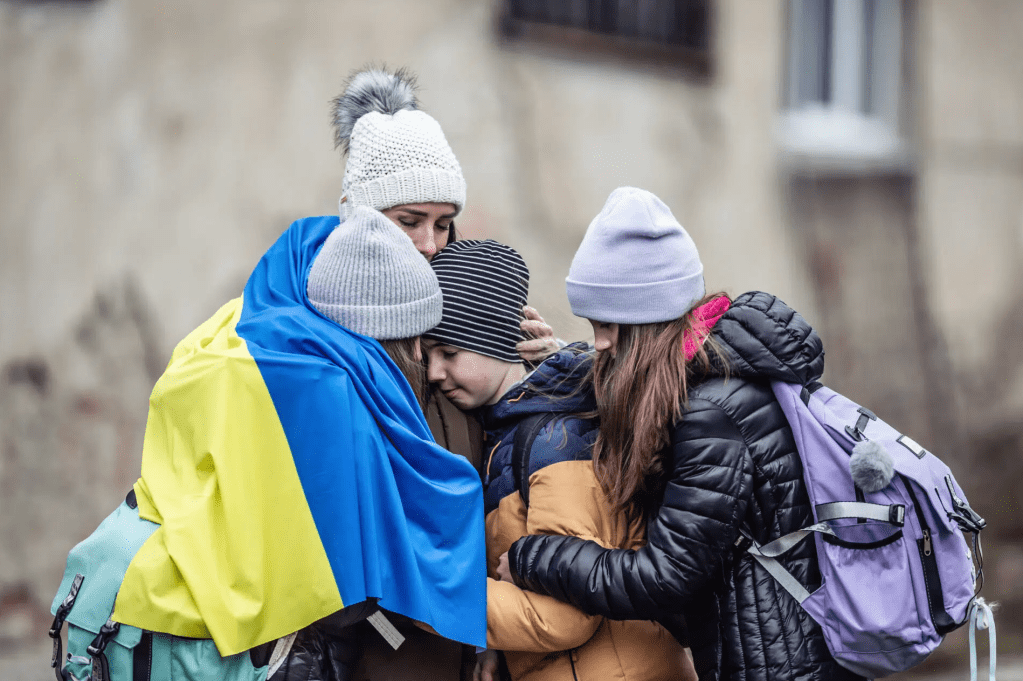
The study found that the biggest source of stress is a full-scale war with Russia, deteriorating financial situation, socio-political events in Ukraine and poor health. Ukrainians who participated in the survey identified the following causes of constant stress: safety of loved ones (70%), risk of losing property (35%), risk to life and high probability of injury (51%). This last aspect is growing in comparison with previous years.
Ksenia Dubych, psychologist at Veteran Hub, explains: "Although people adapt to stress, life in war is a constant change of contrasts. Today we expect rockets, tomorrow we expect power cuts, and the day after that we expect the terrible news of the death of our relatives. This affects the state of health. People constantly mobilize all their internal resources, and as soon as they relax, diseases appear that did not manifest themselves in a state of active stress. You must allow yourself to rest and let your emotions flow". According to the psychologist, in order to reduce psychological stress, it is necessary to start with small things: a planned day, self-care, walks, relaxation with a book.
The study found that the most popular way to deal with stress among all people in Ukraine today is to surf the Internet (39%), and this figure has remained unchanged throughout the three years of full-scale war. Ukrainians also use watching TV, movies and TV series (34%) and communicating with loved ones (32%) to relieve stress.
"We cannot change the conditions and the reaction to the war, but we can change our own attitude to everything. People who seek psychological help learn to live with the emotions that arise. War is not a sprint, it is a marathon. You need to share that marathon with someone. Hiding emotions can have negative consequences in the future," says psychologist Ksenia Dubych.
Among the Ukrainians surveyed, 75% believe that the topic of mental health needs more attention in the information space, and 44% are convinced that it is necessary to conduct training in self-help skills and first aid.
"There are more people seeking psychological help now. For example, people who are paired with military personnel understand that if they are in a more or less calm state, they will be able to help their partner. It is clear that not everyone needs to go to a psychiatrist, psychotherapist, or psychologist. However, we need new competent personnel to help both civilians and military partners and to have some support. Then people will have the opportunity to collect the emotions they are experiencing. This is work for the future, so that we can have a calmer and more balanced society," says Ksenia Dubych, a psychologist at the Veteran Hub.
The negative impact of the Russian-Ukrainian war on mental health is not only felt by Ukrainians. According to a study commissioned by the Third Summit of First Ladies and Gentlemen, the most affected countries are: Turkey (61%), Brazil (56%), Japan (42%), and the United States (36%).