


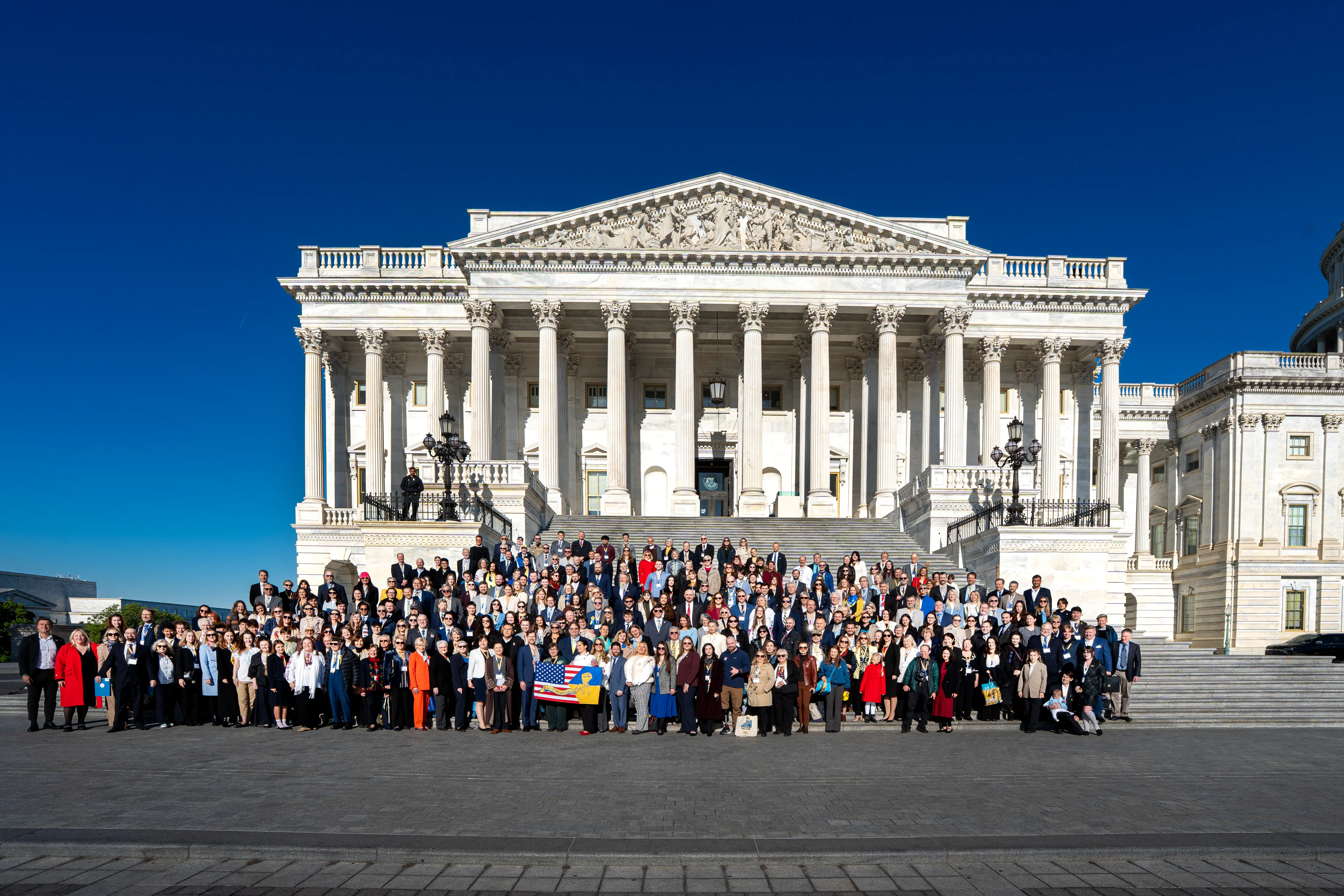
An iconic photo of Ukraine Action Summit delegates on the steps of Congress - a must-have moment at each of the eight gatherings. It has become both a symbol of advocacy for Ukraine in the United States and a measure of its growth: this year, more than 700 delegates traveled from all 50 states and Puerto Rico. But the image is only the tip of the iceberg. A frame that takes 15 minutes to capture reflects work that unfolds over an entire year. Even 445 meetings on Capitol Hill are just one part of the process. The real work happens daily, back in congressional districts, where delegates build relationships with Senate and House offices and convey the priorities of their communities, said Marianna Tretiak, Chair of the Board of Directors of the American Coalition for Ukraine.
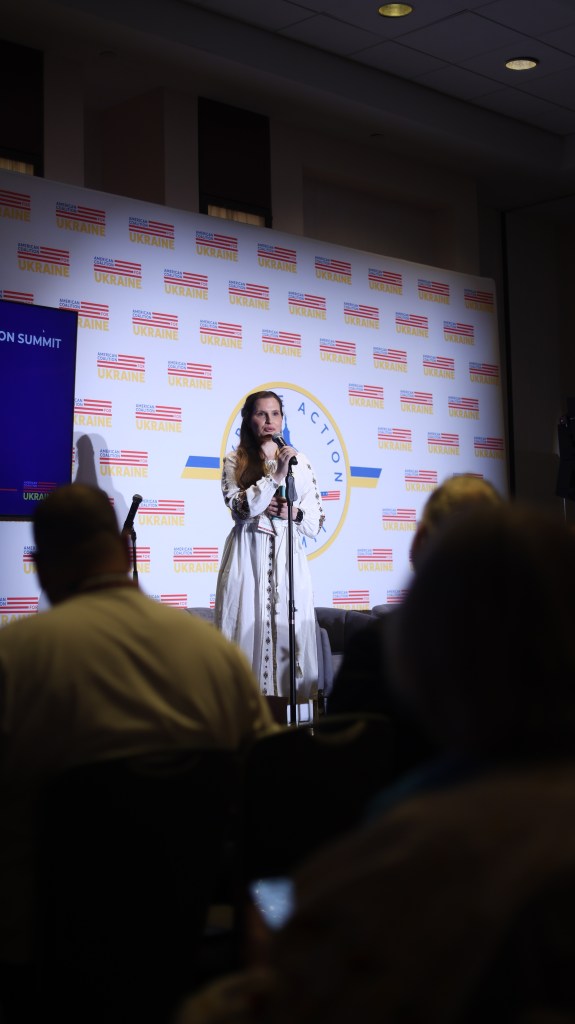
“Each summit builds on the last one,” she said. “One of the things that we really try to do is we are not coming just for a one-off experience in Washington D.C. The Ukraine Action Summit really serves to educate and empower anyone in the United States who cares about Ukraine. In between this summit and the last one, our community members, our delegation leaders, and the team have been engaging with their elected officials and building on those relationships. So each summit, we see an increase in meetings that we get scheduled because we already know the people in those offices and they know us and they want to meet with us.”
Lawmakers as Co-Sponsors of Pro-Ukraine Initiatives
During and immediately after the summit, 20 lawmakers signed on as co-sponsors of pro-Ukraine initiatives in Congress. Within the first week following the summit, the number of co-sponsorships on target legislation reached 35. That number is likely to grow in the coming weeks, as delegates continue their advocacy well beyond their meetings on Capitol Hill. For advocacy, co-sponsorship is one of the most concrete and immediately visible results. Co-sponsors are members of Congress who formally join a bill or resolution, signaling support alongside its original sponsor. Their role is critical: each new co-sponsor sends a political signal that an idea has backing and improves its chances of advancing through committees and reaching a vote. Securing those commitments is a central goal of meetings during the Ukrainian Action Summit. Delegates press lawmakers to sign on as co-sponsors or thank those who already have. Each additional name reflects a message delivered by constituents and turned into tangible political action. More on that below.
From Advocacy to Action: How the Issue of Abducted Children Is Shaping U.S. Policy
In recent days, four lawmakers - two members of the House and two senators - signed on as co-sponsors of the Abducted Children Resolution. But the effort to address the issue of Ukrainian children abducted by Russia has been underway for several years. Maryna Baydyuk, Chair of the membership committee of the American Coalition for Ukraine and President and Executive Director of United Help Ukraine, said that the work of delegates at previous summits has been part of a broader process that is now producing tangible policy results in Washington. Advocacy around the issue of abducted Ukrainian children has not only intensified congressional attention but also delivered measurable outcomes, including a growing number of co-sponsors and concrete actions by the U.S. government.
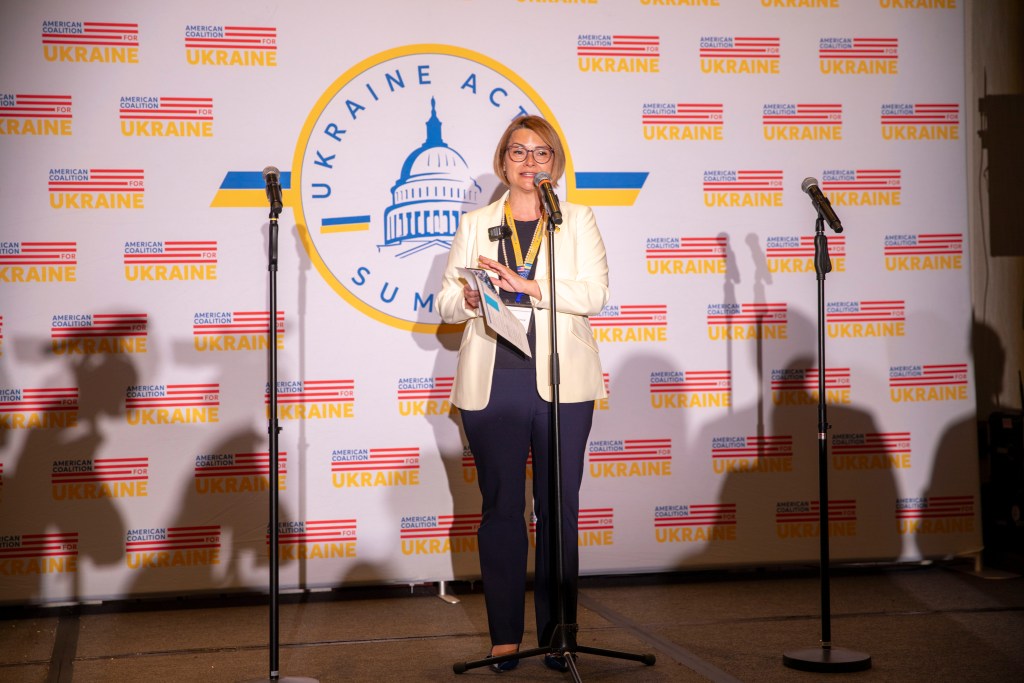
“The previous summit in Fall 2025, when we focused on returning the children, we saw the increase in co-signing these co-sponsors, for House resolution it was doubling from 14 representatives to 28. And in the Senate from 14 to 24,” she said. “Right after the summit we saw this uptick of congressmen and senators signing the legislation to bring Ukrainian children back. It's a huge win for the Coalition, for the work that our advocates are doing. And again, of course, it's a win for Ukrainian kids who hopefully will be brought back.”
The advocacy effort tends to follow a clear sequence: months of engagement with lawmakers by Ukrainian delegates and advocacy groups to growing attention in Congress and eventually to concrete action. The issue of abducted Ukrainian children moves onto the official agenda, becoming the subject of congressional hearings. On March 25, the Tom Lantos Human Rights Commission held a hearing in the U.S. House of Representatives focused on the issue. The very next day, the U.S. Department of State, part of the executive branch announced, in coordination with Congress, a $25 million initiative to support efforts to locate, return and rehabilitate Ukrainian children. It is a clear example of how advocacy works in Washington: from meetings with delegates and sustained engagement in congressional districts to hearings on Capitol Hill and, ultimately, to concrete policy decisions by the U.S. government.
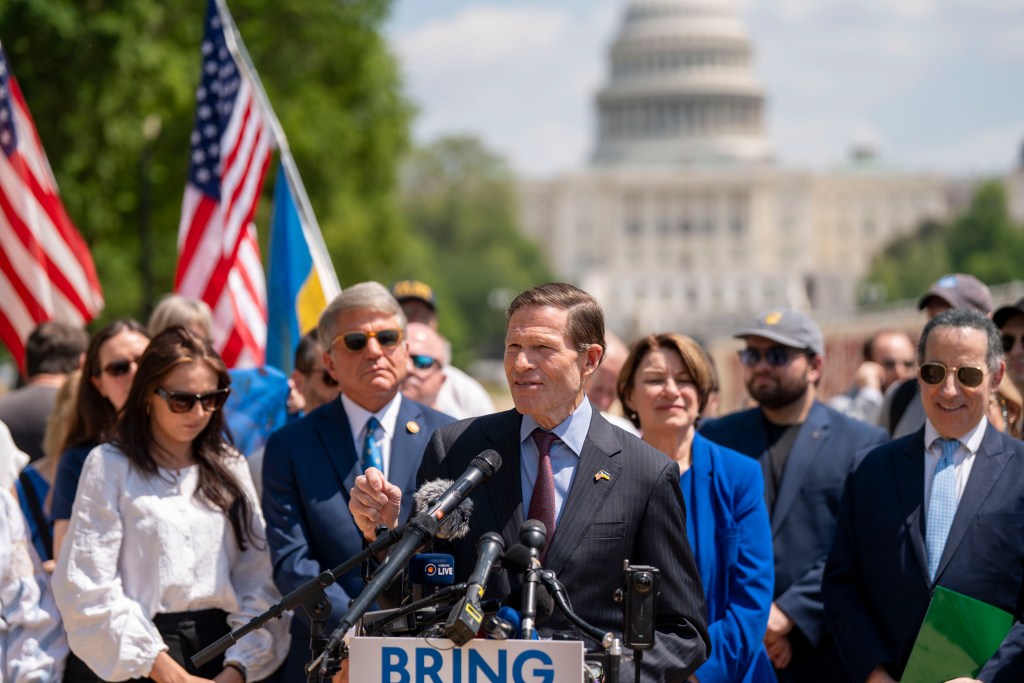
The day after the summit, during the “Bring Kids Back” rally in downtown Washington, lawmakers were already outlining concrete next steps. Sen. Richard Blumenthal (D-Conn.) said he is working on bipartisan legislation that would designate Vladimir Putin a war criminal if he does not immediately return the abducted Ukrainian children.
Katya Pavlevych, a policy adviser to Razom for Ukraine and the American Coalition for Ukraine and a leading advocate on the issue of abducted children, urged summit delegates to pair moral arguments with political pressure in their meetings on Capitol Hill.

“This is both a moral imperative and a strategic tool for influencing policy in Washington,” she said. “The goal is to make the return of abducted children a top priority in any peace negotiations — they cannot become bargaining chips. This is one of the strongest arguments we have in Congress because no one can say no to saving children. We must make sure this issue does not go away, and that Congress continues to apply pressure until every child is returned.”
From Gas Prices to War Crimes: A New Argument for Sanctions on Russia
The easing of sanctions on Russian oil has been widely viewed negatively in the United States, even amid rising fuel prices driven by escalating tensions in the Middle East. Critics argue the move does little to bring prices down, while helping Vladimir Putin replenish state revenues used to wage war against Ukraine - effectively prolonging the conflict and, possibly, even incentivizing Moscow to ensure confrontation with Iran is drawn out, thus aiding Russia's flagging economy. For many in the United States, the decision to temporarily lift sanctions appears especially troubling against the backdrop of reports that Russia has been assisting Iran in its standoff with Washington.
But a new argument has emerged, too. A report by the Yale Humanitarian Research Lab implicates Russian energy giants Gazprom and Rosneft in financing a network of camps and programs tied to the deportation and “re-education” of Ukrainian children. Ukrainian advocacy groups have focused on that connection, linking the issue of abducted children to the case for sanctions on Russian oil companies — shifting the debate from a purely economic perspective into a moral and political one.
Ambassador Daniel Fried, Former Assistant Secretary of State for Europe; Weisner Family Distinguished Fellow, Atlantic Council said it is entirely possible to contain oil prices without financing Russia’s war machine, noting during a panel at the Ukraine Action Summit that there are tools to stabilize the market without filling the Kremlin’s coffers.
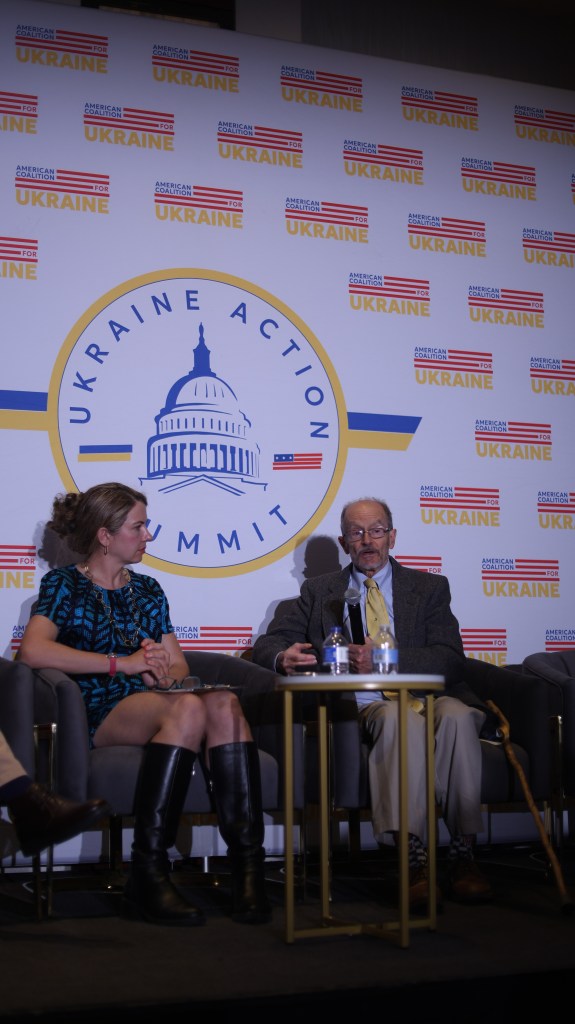
“You could issue a license (referring to a special sanctions license issued by the U.S. Department of the Treasury that allows limited transactions involving Russian oil — editor’s note), to force countries buying Russian oil to observe the price cap,” he said. “Secondly, the proceeds could be placed in escrow. It wouldn’t go straight to Russia, but it could be used by the Russians for food and medicine. We did this with the Iraq sanctions 10 years ago.”
At the same time, he offered a critical assessment of the current policy of easing sanctions. According to Daniel Fried, delaying or loosening oil sanctions on Russia is not an effective strategy and may reflect either indifference or excessive political pressure on the White House.
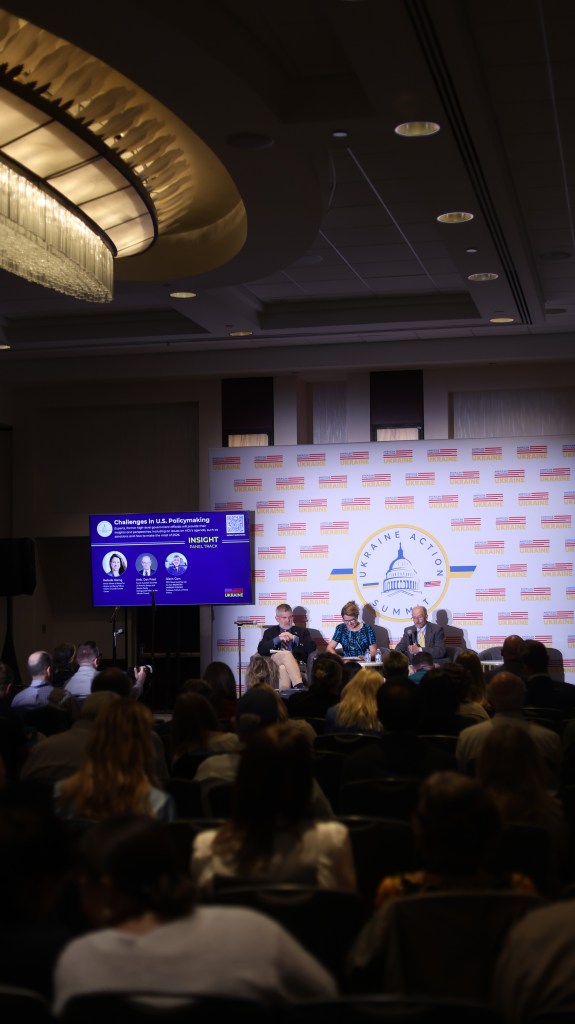
The Trump administration should increase pressure on Moscow, not ease sanctions, said Glenn A. Corn, CEO of Great South Bay LLC and professor at the Institute of World Politics, during a panel discussion titled “Challenges in U.S. Policymaking”.
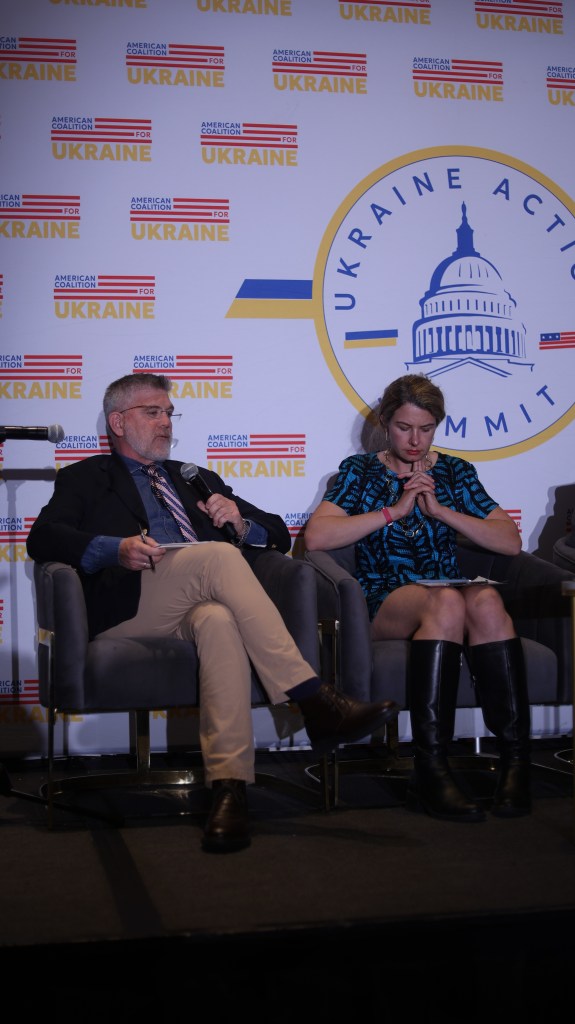
“Ukrainians have come to the table, they’ve shown a willingness to negotiate,” he said. “It’s the Russians who have not been willing to make any concessions. We’ve given Moscow a chance, and now it’s time to take a different approach, in my opinion. And that would be increasing the sanctions. We know that the Russian economy is in very bad shape.”
Lawmakers Join as Co-Sponsors of the Peace Through Strength Act and REPO Implementation Act
Support for pro-Ukraine initiatives in Congress has continued to grow in the days following the summit. Within just a few days, 11 additional lawmakers signed on as co-sponsors of the Peace Through Strength Act, while four more joined the REPO Implementation Act. Within a week, target legislation has gained a total of 35 co-sponsorships.
The bipartisan Peace Through Strength Act, introduced by Brian Fitzpatrick, a Republican, and Gregory Meeks, a Democrat, aims to expand sanctions across key sectors of Russia’s economy, including its energy sector, to curb the Kremlin’s war financing, as well as its financial system and arms production. The bill is widely seen as one of the most comprehensive and far-reaching sanctions proposals currently under consideration.
At the same time, the REPO Implementation Act would authorize the use of frozen Russian state assets to fund Ukraine’s reconstruction - effectively creating a mechanism for Russia to compensate Ukraine for the damage caused by the war.
Ukraine as a Strategic US ally and a Source of Modern Military Innovation
Opening the summit, Erin E. McKee, CEO of Nova Ukraine, challenged the idea of Ukraine as merely a recipient of aid, stressing its role as a strategic partner:

“Ukraine is not a charity case,” she said. “It is a strategic ally. This is the power of partnership. That’s what friends do, they stand up for each other. There is no more important cause at this moment. We're in the fifth year of war. I'm proud to say, every single one of you in this room is a testament to the need for support and to the recognition of Ukraine’s fight for our freedom.”
One of the central pillars of this partnership is defense and innovation. Ukraine is increasingly seen not only as a country in need of support but as a global leader in defense innovation. During a panel discussion, Matthew Murray, Chair of the Board of Advisors at Velta Holdings US, Inc and adjunct professor at Columbia University and at Georgetown University School of Foreign Service, emphasized:
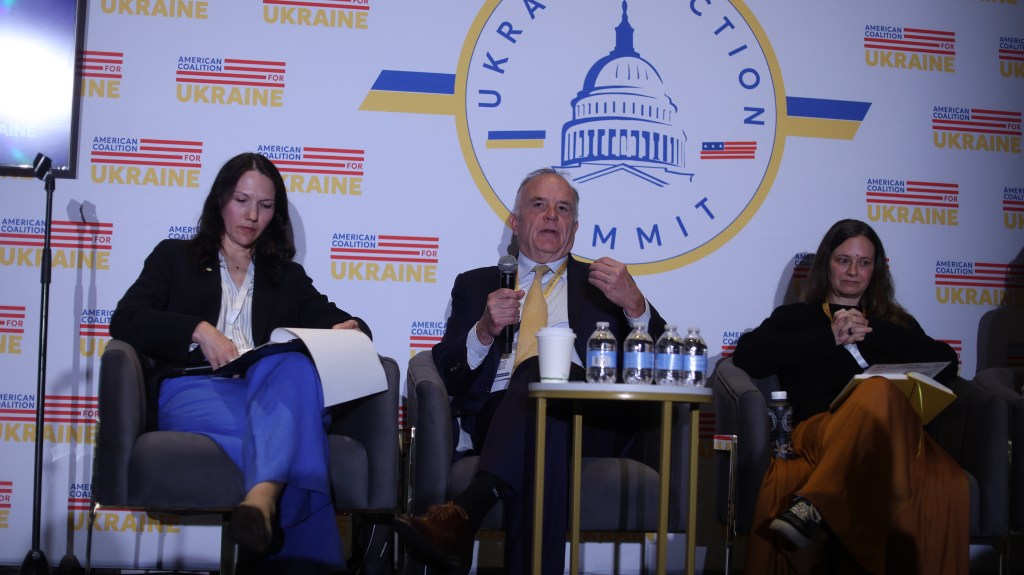
“Ukraine has become the Silicon Valley of new defense technology that will create some of the best companies in the world in this space,” he said. “They’re already generating solutions on the battlefield - for Ukraine, for our partners, and for the world.”
That experience is already shaping the United States itself. Glenn A. Corn, CEO of Great South Bay LLC and professor at the Institute of World Politics, said Ukraine has helped the United States recognize that its defense industrial base had been hollowed out:
“There are more investments in our defense industry,” he said.“We have factories that were sitting idle – now they are producing.”
But more fundamentally, the war in Ukraine followed by conflict in the Persian Gulf has revealed a shift in the very nature of warfare. Combat is increasingly defined by the mass use of drones and relatively low-cost technologies capable of striking targets and bypassing expensive air defense systems that were not designed to counter such threats. In this domain, Ukraine now holds unique operational experience and technological solutions - assets that are becoming critical not only to its own security, but also to that of its partners.
Security cooperation with Ukraine is no longer optional — it is essential.
Valerii Iakovenko, co-founder of DroneUA, explained how Ukraine has rapidly emerged as a global leader in drone production. The shift has been driven by wartime necessity and rapid innovation, which created urgent demand and enabled production to scale quickly. This immediate need made it possible to procure and produce equipment at levels rarely seen anywhere in the world, driving costs down. Today, the ecosystem includes more than 700 companies, with individual manufacturers capable of producing thousands of drones daily or tens of thousands monthly. In some cases, a single Ukrainian company produces more drones in a year than entire countries purchase.
“Ukraine became the biggest drone manufacturer in the world. We have to manufacture millions of drones, the war itself became an asset for us to do this,” he said.
Valerii Iakovenko emphasized that Ukraine’s advantage is not only scale, but speed and adaptability.
“It is a very short cycle of research, battlefield trial, and improvement that makes us number one,” he said. “That real-time experience is something no other country has at this scale.”

Cost efficiency is another critical factor shaping the industry. Ukraine procures drone equipment using small, often disposable components, such as expendable frames, which significantly reduces costs.
“Ukraine can procure drones for $250–$400, while in the United States we’ve seen prices around $10,000 per unit,” he said. “Collaboration with Ukraine is not optional - it’s a necessity.”
Adopting Ukrainian methods and collaborating with Ukrainian manufacturers could significantly lower costs, potentially saving hundreds of millions of dollars. Such cooperation would allow the United States to scale production, maintain technological leadership, and make defense systems more affordable.
Rachel Smith, Louisiana delegation leader, used her meetings with lawmakers from her state to highlight the situation on the front lines in Ukraine and the role of emerging technologies in the war. She said the topic of drones drew particular interest not only for its military significance but also for the economic opportunities it could present for the state.
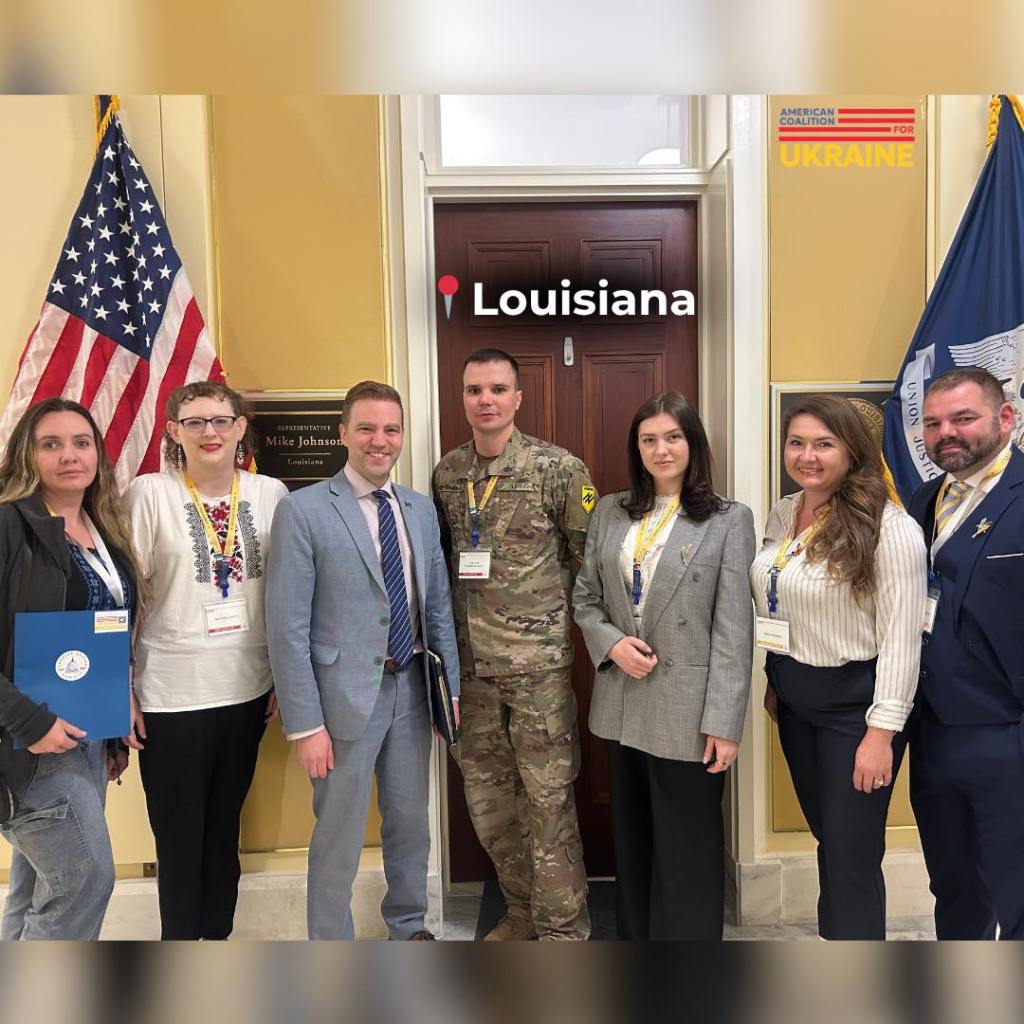
“Today we met with Senator Cassidy and gave him a good update on the status of drones and the battlefield and got to tell him all about how Ukraine took land back with nothing but drones,” she said. “All of the offices in Louisiana are very interested in drones. We have some companies who are starting to get involved in it.”
Putin Is a KGB Agent — Meaning He Is a Liar
At the same time, Rachel Smith noted that shaping public opinion in Louisiana is challenging amid political polarization and the spread of disinformation. But framing the discussion around security, particularly drones and military technology has strengthened the delegation’s position in meetings on Capitol Hill, she said, shifting the conversation from one rooted in values to one grounded in pragmatic U.S. interests.
Smith said she had studied Russian history but, after the start of the full-scale invasion, made a deliberate effort to understand the Ukrainian perspective in order to separate facts from Russian narratives.
“Knowing Putin was a KGB agent, I always viewed him as dangerous and a liar,” she said.
Advocacy as a Form of Diplomacy
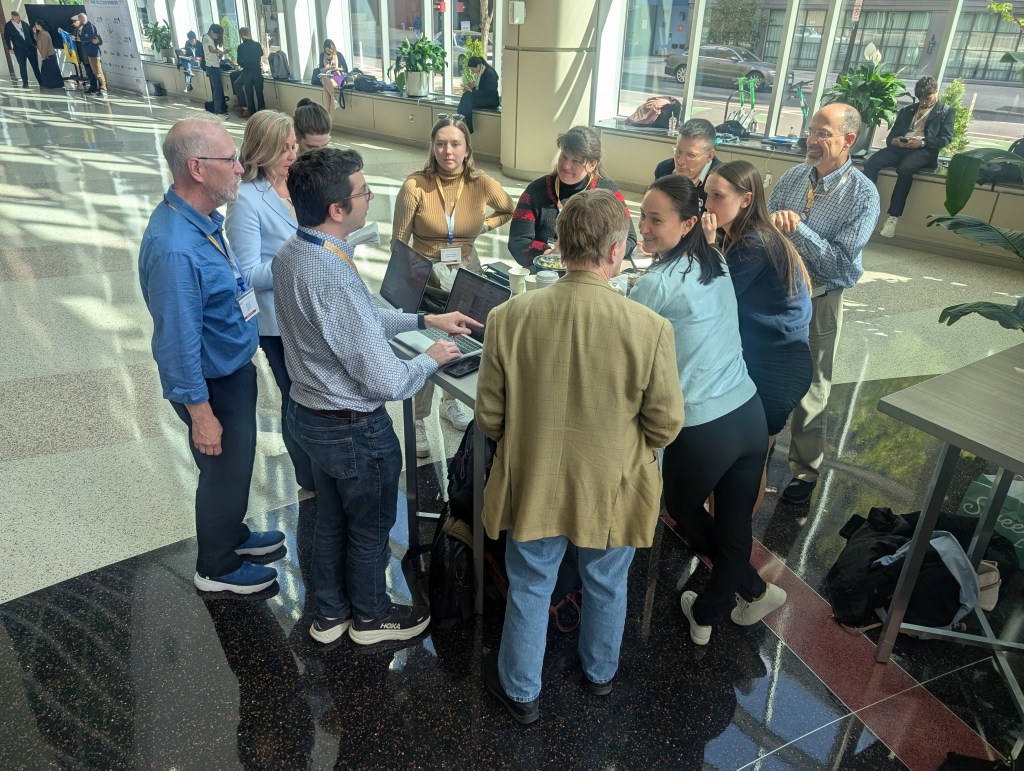
Along the walls of the conference center, placards bearing the names of U.S. states helped participants organize into their delegations.

Delegates worked in small groups, refining messaging, assigning roles and preparing for meetings on Capitol Hill.
Orest Jejna, co-leader of the Arizona delegation, has served as a judge in Scottsdale for more than 20 years. He shared his perspective on leadership, shaped by decades of experience and working with people:
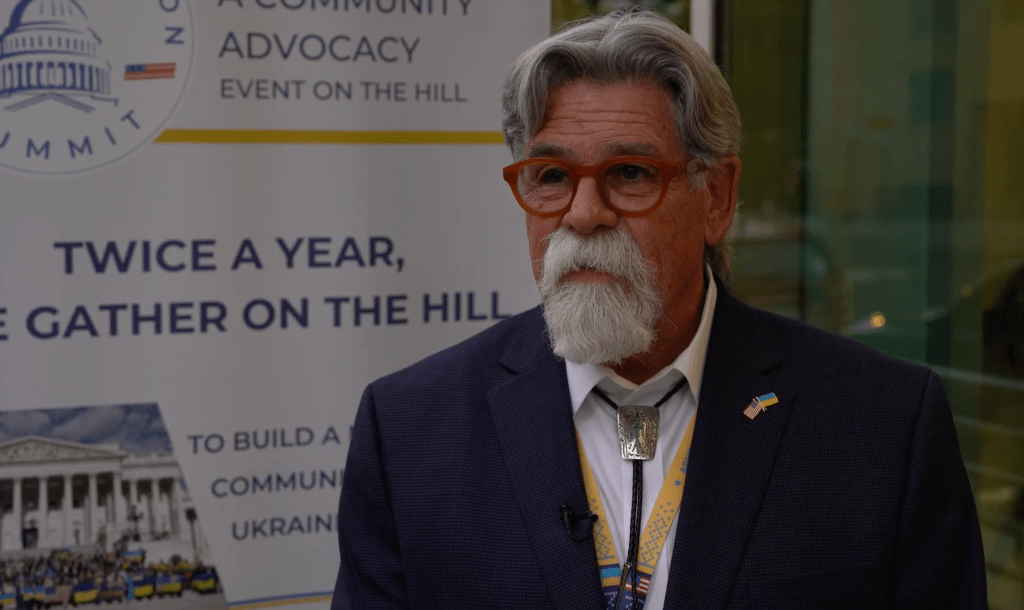
“I think that overall the position of judge that I hold gives me the opportunity to listen to people,” he said. “And it's not always providing information to others, but listening, absorbing that information, and then providing it and spreading it to other individuals. This is a growing experience. It's one where it makes us better individuals, brings about better leadership”.
Preparation includes studying lawmakers’ positions. The work of the Texas delegation offers one example. While some offices are openly supportive of Ukraine, engaging those who do not share pro-Ukraine views is just as important.
Anna Berezniak, leader of the Texas delegation, said there is no one-size-fits-all approach to working with congressional offices. Even within a single party, including among Republicans - positions vary widely, from more hardline to more moderate. As a result, each meeting requires a tailored strategy.
“We develop a strategy for every office we meet with,” she said. “We take into account recent public statements and voting records.”
Engaging lawmakers who do not yet hold a clear pro-Ukraine stance is essential, she added, they are often the ones who most need to hear the arguments. Texas Rep. Vicente Gonzalez attended a meeting with a Russian delegation in Congress, even as most other lawmakers declined to do so. Berezniak and fellow Texas delegates openly voiced their disagreement with the approach, arguing that such contacts risk legitimizing Russian authorities and advancing their propaganda.
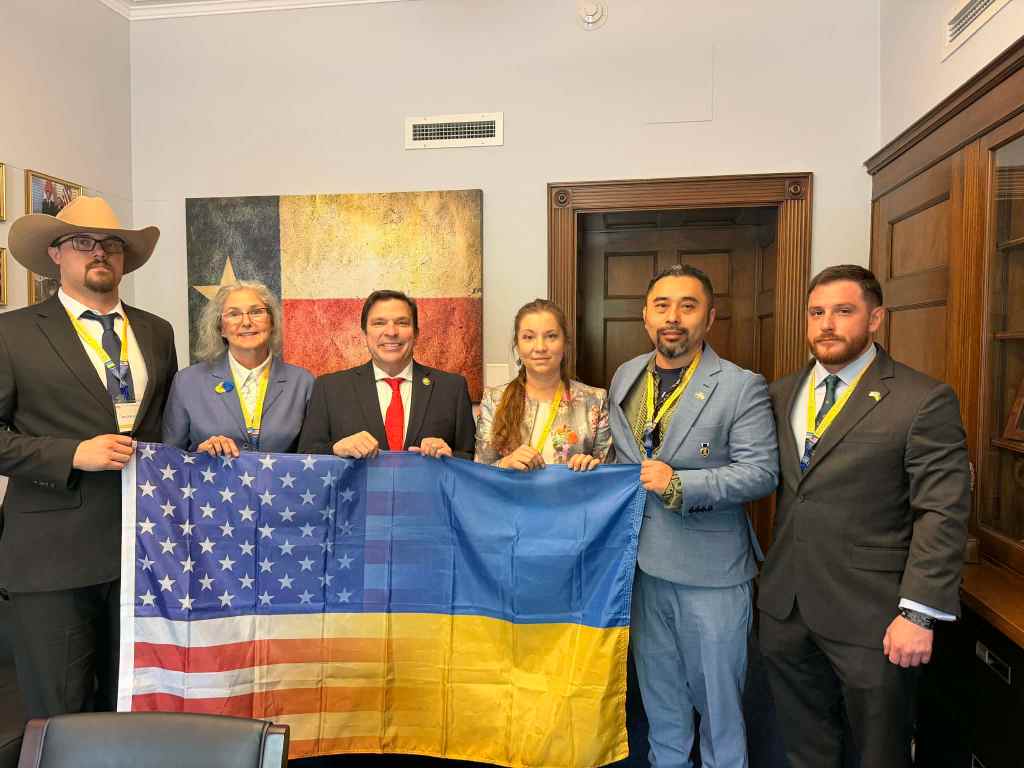
“Despite our differences, we were able to have a productive conversation, and Gonzalez confirmed that his support for Ukraine has not changed,” she said. “We shared our concerns about the risks of such contacts, and I believe he heard us.”
Berezniak noted that congressional staffers are increasingly consumed by other issues, particularly ahead of the November elections, making each conversation count.
“This is exactly the moment when advocacy matters most,” she said. “Attention to Ukraine is declining. If we don’t do everything we can to keep Ukraine at the center of their focus now, they will shift to other priorities. They may sincerely continue to support Ukraine, but their attention will move elsewhere. Our task is not only to remind them about Ukraine, but to push for action - to ensure they advance legislation.”
Oli Nevinska, delegation leader from Arizona and New Mexico, recalled how attitudes toward the delegations have shifted over time. Early on, some congressional offices declined to meet; today, many are open to dialogue and willing to continue the conversation. Delegates held a one-on-one meeting with Sen. Mark Kelly (D-Ariz.), who said he plans to return to Ukraine. The discussion focused on the current situation on the front lines, as well as innovation and the role of drones in modern warfare.
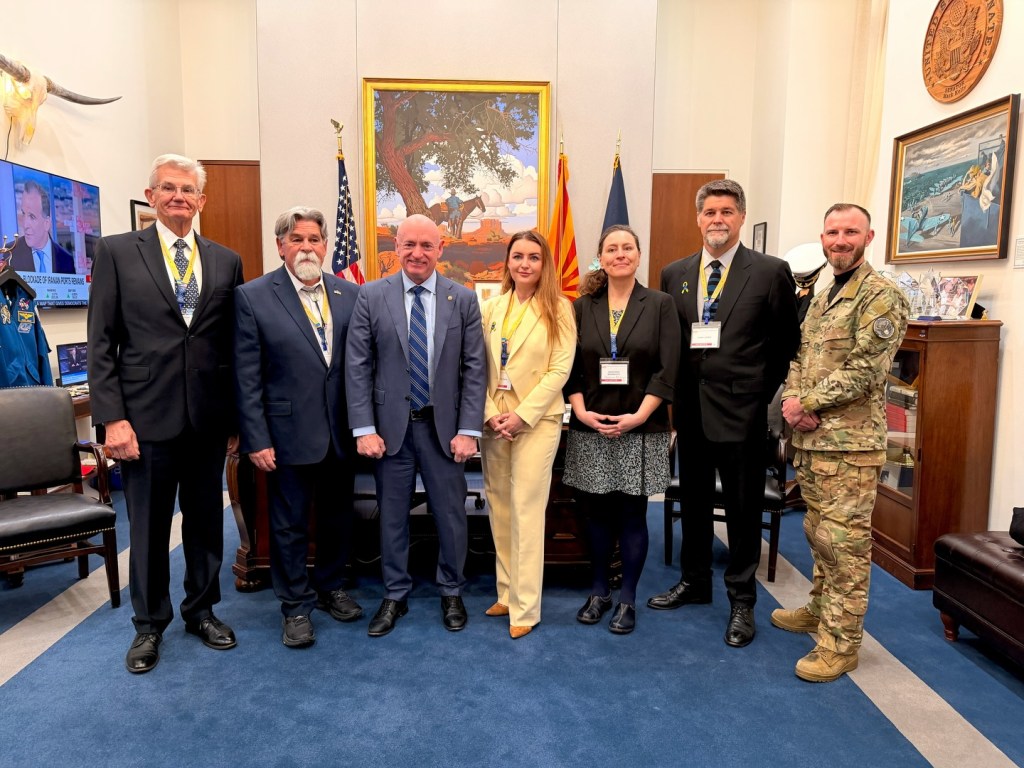
Nevinska said that for effective communication, firsthand accounts, particularly from Americans who have traveled to Ukraine, play a crucial role.
“We had people from the front lines who actually had first hand information and were able to share it in Congress," she said. “And that is not only including the battlefield, but also about the abducted children.That were Americans who actually visited the front lines in Ukraine and spent some time there and now bringing this information to the Arizona and New Mexico community as well as to the Congress.”
Russian Aggression Could Spread if Left Unchecked
Trevor Reed, an American veteran who was wrongfully detained in Russia and spent nearly three years in a Russian prison, was released in 2022 as part of a prisoner exchange. After recovering, he traveled to Ukraine, where he joined the country’s military intelligence service and fought until he was wounded. He said the war in Ukraine is not a distant conflict but a struggle with direct implications for the United States.
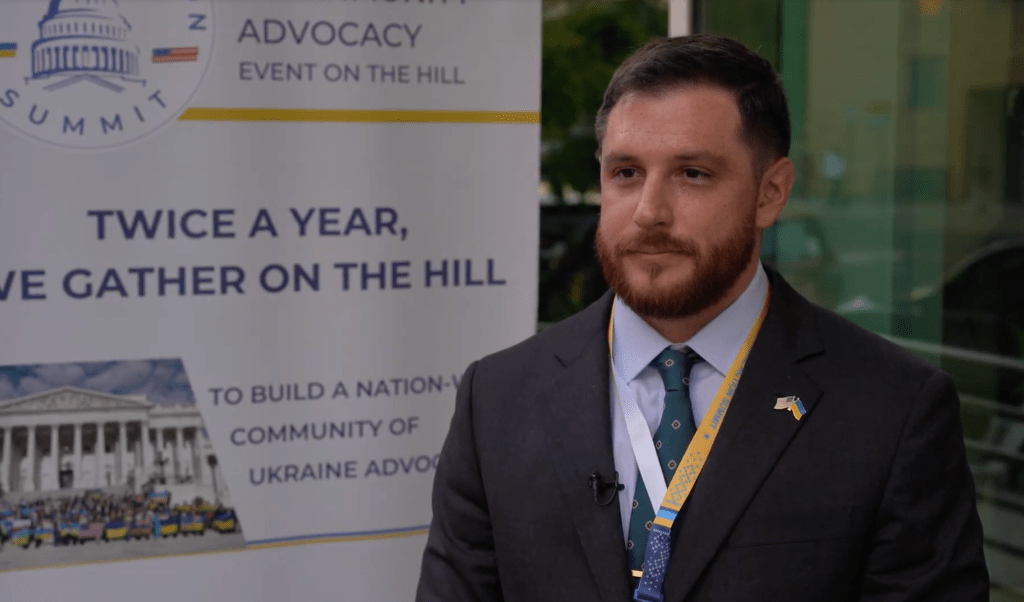
“While we have an easy life here in the United States and life goes on, in Ukraine every day thousands of people are dying,” he said. “If we don't take steps to help, more and more of them are going to die. It's important to help Ukraine not only because of what they've been through, but because we share a common enemy. And also because if we don't do something, then what Russia has done in Ukraine will spread elsewhere.”
He said his personal experience with the Russian system became a driving force behind his decision to act.
“A lot of I was seeing inside of Russian prison, how brutal the government was there, the system,” he said. “When I found out that they invaded Ukraine, I could only imagine what they were doing to Ukrainians in the occupied territories. I felt that with my experience as a marine and my training that I could help and I couldn't do anything.”
A Network of Influence: How the American Coalition for Ukraine Builds Ukraine Advocacy Across U.S. Districts
One of the advocacy goals of the American Coalition for Ukraine is to build a nationwide network of active Ukraine supporters who consistently engage with congressional offices and keep Ukraine on the policy agenda. To do so, the team tracks delegate activity and maps engagement across all states, said Sashko Krapivkin, Chair of the Outreach and Engagement Committee of the ACU
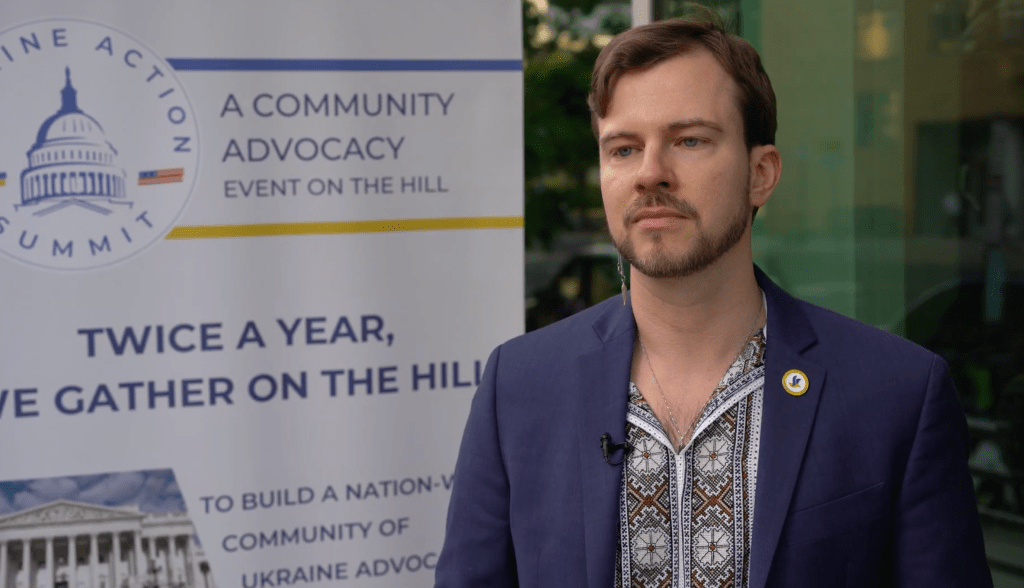
“So year round we want to ensure that in every congressional district we have Ukraine supporters who are always engaging with us,” he said. “At least over 100 constituents in every congressional district. And this is an ambitious goal, but it's achievable. We have a coordinator, who runs a map of constituents all across the United States. Every time that somebody registers and we see those colors change on the map, it's so exciting.”
How that works in practice is illustrated by Nancy Doll of Santa Fe, New Mexico. She decided to attend the summit just five days before it began, after learning there was no delegate from her congressional district.

“My friend called me five days before the summit and said they needed a representative from New Mexico,” she said. “I immediately understood what it was about and quickly arranged the trip. I’m very glad I came. We worked with lawmakers on sanctions targeting Russian oil, which generates revenue that Moscow uses through its companies to finance the war against Ukraine. Americans can do a lot — but they need to be informed. That’s why I will keep talking about this back home.”
The friend who called her was Nancy Fisher, a meditation instructor from California. Since the early days of the full-scale war, she has supported Ukrainians by holding regular online sessions and offering psychological support.
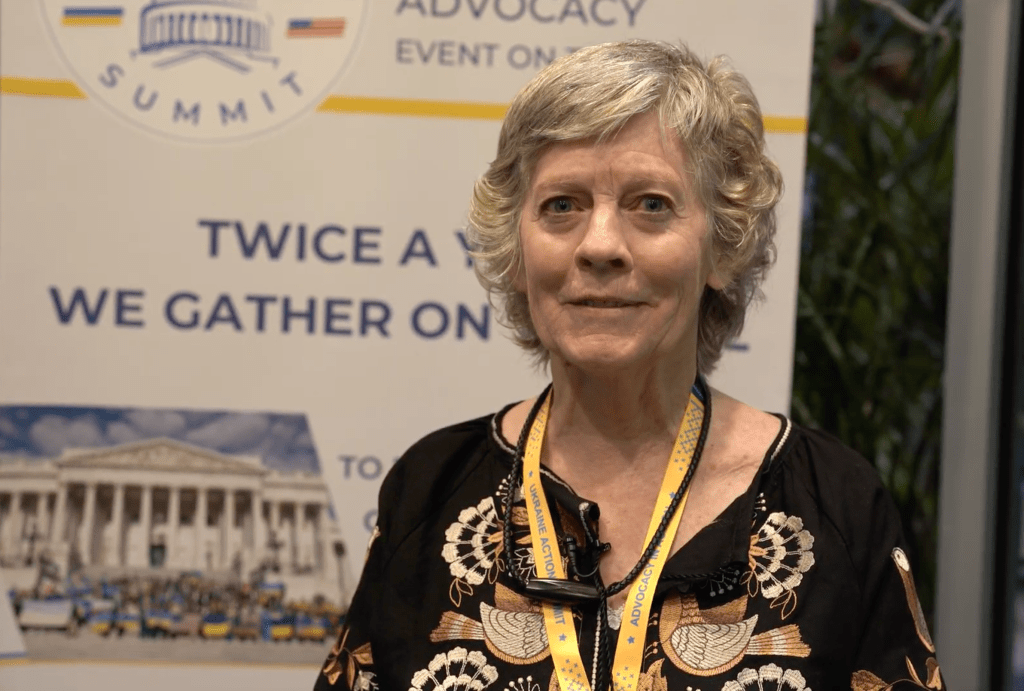
“These are Ukrainians in the United States, Germany, Britain and Ukraine. I see courage that inspires me,” she said. “One of my students is 30, from Odesa. During our sessions, people share things they have never spoken about before, not even with their families. Odesa is being bombed, and we are holding our sessions. I’ve also met her mother and grandmother online. We share stories about our gardens. They even send me photos of their goats.”
Marianna Epstein, the summit’s director, said participation continues to grow each year because people return with a sense that they can make a difference.

“People come back here year after year,” she said. “And they come back for this feeling, for this thrill of being able to make a difference. My ambition is that this thing doesn't change in terms of making people feel that it's worth their time and their money and their effort to come. It’s a sense of inspiration, knowing you have the power to act. The joy of being among people who share your values and aspirations. We feel that we are being heard and that we have the power to make a difference.”
Author: Andrew Getman
