


Signals from the US and Europe demonstrate a simultaneous movement in several directions - from the search for peace to the revision of long-term security strategies. Western leaders talk about possible compromises, but at the same time increase defense budgets and change approaches to international politics. Ukraine remains a central factor in these changes, influencing both military and diplomatic decisions. At the same time, the negotiation process is accompanied by contradictory signals and different visions of the future of the war.
Merz allows territorial concessions by Ukraine
German Chancellor Friedrich Merz said, that within the framework of a future peace agreement, Ukraine may face the need to recognize the loss of some territories. According to him, this could be a politically difficult decision that will require the support of Ukrainian society, in particular through a possible referendum. He emphasized that such a step could be accompanied by opening the path to membership in the European Union. At the same time, Merz noted that Ukraine's rapid accession to the EU is currently unrealistic.
The German Chancellor stressed that the country cannot join the EU during a war and must meet a number of criteria, in particular regarding the rule of law and the fight against corruption. He also proposed intermediate formats for integration, such as Ukraine's participation in the work of EU institutions as an observer. The issue of enlargement remains debatable among member states, despite the candidate status granted to Ukraine. At the same time, the European Union has agreed on financial support that should cover Ukraine's needs until 2027.
Ukraine among the world's largest military spenders
Ukraine is among the ten countries with the largest military expenditures, ranking seventh in the world according to SIPRI. In 2025, defense spending increased to $84.1 billion, which is about 40% of the country's GDP. This reflects the scale of the burden on the economy in conditions of a full-scale war. Overall, global military spending reached a record high of $2.887 trillion.
The US, China and Russia remain the top spenders, accounting for a significant portion of the global defence budget. Europe is seeing a sharp increase in spending, driven by security challenges and the war in Ukraine. NATO countries are also increasing their defence spending, with most of them spending at least 2% of GDP. The study captures a general trend of militarisation amid geopolitical instability.
NATO and tensions within the Alliance
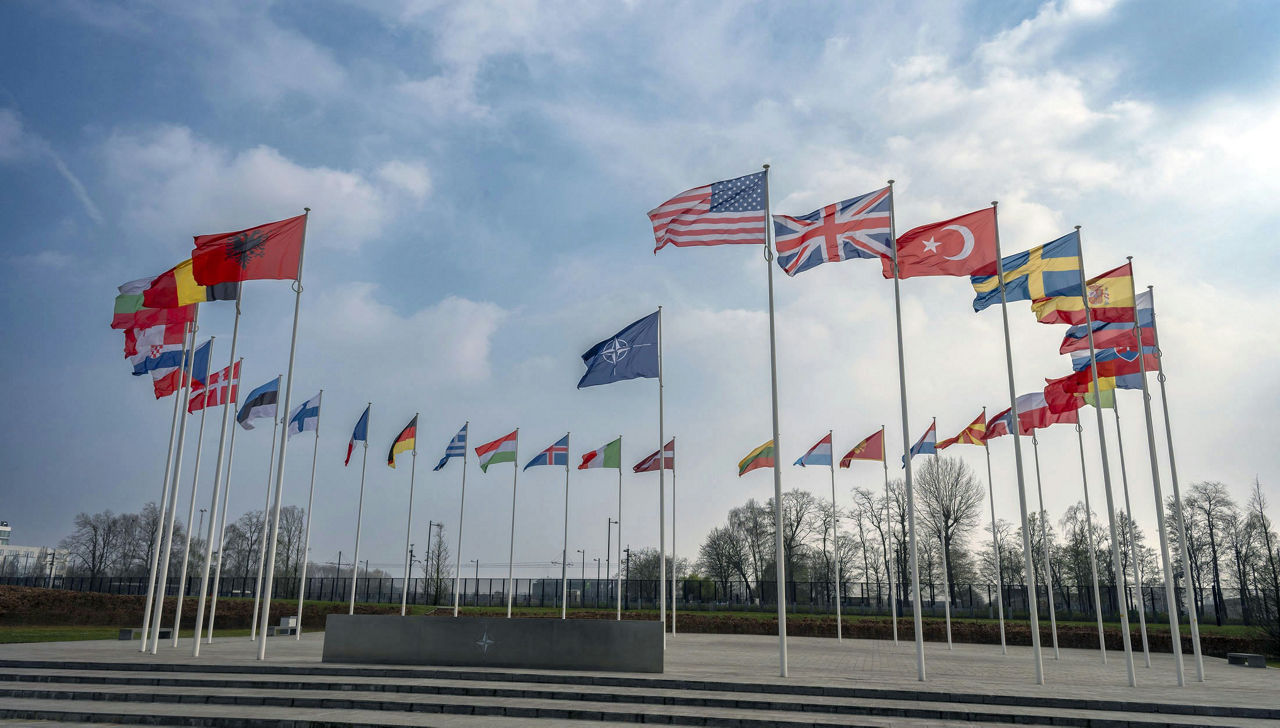
NATO discussing the possibility of abandoning annual summits and moving to a less regular format of meetings. One of the reasons cited is the risk of tense contacts between European leaders and US President Donald Trump. Some countries have suggested holding summits every two years to reduce political pressure and improve the quality of decisions. The final decision has not yet been made and depends on the position of the Alliance leadership.
Diplomats also note that frequent summits force participants to demonstrate quick results, which do not always correspond to strategic needs. Historically, NATO has not adhered to the annual format, and the current practice is relatively new. Despite this, the Alliance officially declares its intention to continue regular consultations between states. The next summit is scheduled for Turkey, but the further schedule remains open.
Ukraine raises the issue of nuclear security
The Ukrainian delegation will participation in the Review Conference on the Non-Proliferation of Nuclear Weapons in New York. The main topic will be the safety of nuclear facilities in wartime, in particular the situation around the Chernobyl and Zaporizhzhia nuclear power plants. Ukrainian representatives plan to draw attention to the risks associated with Russia's actions in the field of nuclear security. Meetings with international partners and the leadership of key organizations are also planned.
Within the framework of the conference, the Ukrainian side will speak at thematic events and take part in the debates of the UN Security Council. Kyiv seeks to strengthen international support and consolidate efforts to prevent nuclear threats. Participation in such forums is seen as an element of diplomatic strategy in war. Particular emphasis is placed on the need to comply with international law and strengthen control over nuclear infrastructure.
Trump says he has regular contacts with Zelensky and Putin on the war
US President Donald Trump also reported, that he maintains contacts with both Ukrainian President Volodymyr Zelensky and Putin. According to him, talks with both sides are “good” and aimed at resolving the war. “We are working on the situation with Russia and Ukraine and, hopefully, we will succeed,” he said. At the same time, Trump did not specify the details or the timing of the latest negotiations.
He also described the relationship between the leaders as overly emotional.
“The hatred between President Putin and President Zelensky is absurd. It is madness. And hatred is bad when you are trying to resolve something, but it will happen,” he noted.
Despite his declarations of intent to end the war, the conflict has dragged on for more than a year into his second term. The White House has given no concrete signals about possible agreements or their parameters.
Photo: nato.int
Author: Danylo Pievchev