


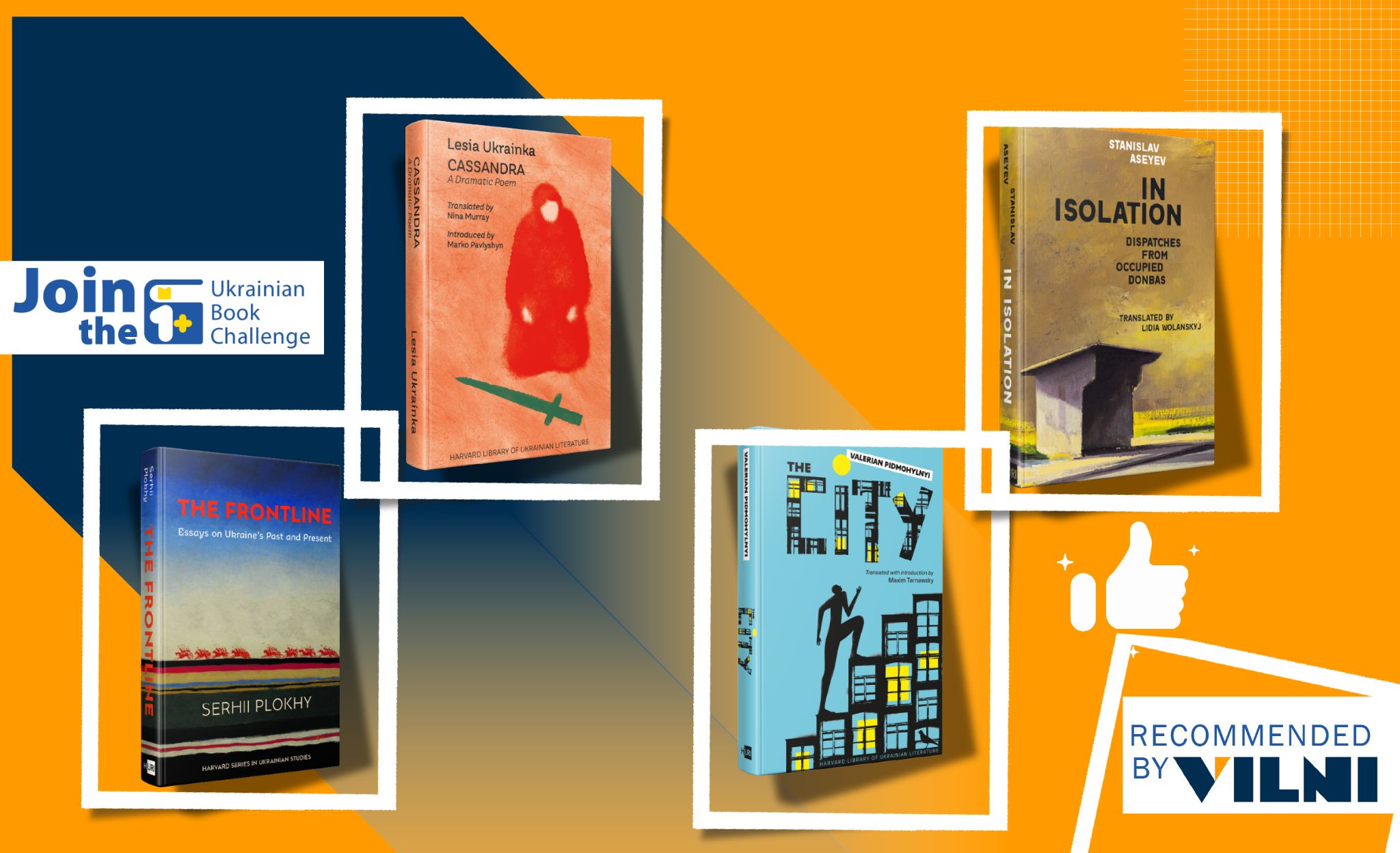
 Vilni Media has joined the international Ukrainian Book Challenge initiative by curating a selection of four English-language books by Ukrainian authors. The list includes classic literary works, historical essays, and documentary prose that help international readers gain a deeper understanding of Ukraine’s cultural experience, its colonial past, and the realities of the ongoing war. The initiative aims to support Ukrainian authors, translators, and publishers, as well as Ukrainian culture, while strengthening its presence in the global intellectual space.
"The UkrainianBookChallenge initiative is fundamentally important not only as a cultural project but also as a tool of resistance to war. Russia’s aggression against Ukraine is aimed not only at seizing territory—it deliberately seeks to destroy Ukrainian culture, language, memory, and the right of Ukrainians to exist in the world," confident in the team
For Vilni Media, it is also essential that this initiative feature classics of Ukrainian literature, in particular Lesya Ukrainka. Her works, as well as the legacy of the Kosach family as a whole, form a foundation of Ukrainian culture that neither empires nor Soviet censorship were able to destroy. Ukrainian literature existed long before the Soviet period and deserves to be known worldwide.
"For Vilni Media, participation in the Ukrainian Book Challenge is a continuation of our daily work: making Ukraine visible, understandable, and alive for Ukrainians in the United States and for American society at large. We call on people to join this initiative not only as readers but also as a community. Buy, read, gift, recommend, and talk about these books! Because sometimes one book can do more for Ukraine than a thousand words in a vacuum.” Natalia Anon, founder and resident contributor of the publication.
As a reminder, every purchased book is a tangible contribution to preserving Ukrainian culture and countering attempts to erase it. Below are descriptions of four key titles that the media considers essential reading.
The Frontline

The book is a collection of essays brought together in a single volume for the first time and thematically connected to the author’s earlier works, The Gates of Europe and Chernobyl. The essays trace Ukraine’s multidimensional history—from its complex relations with Russia and the West to the tragedies of the Holodomor and World War II, the consequences of the Chornobyl disaster, and Ukraine’s role in the collapse of the USSR. By combining historical analysis with the politics of memory, the book reveals the roots of today’s political, cultural, and military conflict and helps explain why Ukraine remains at the center of global attention.
Cassandra

One of Lesya Ukrainka’s most mature dramas, written in 1906 and published in 1908. The work combines classical mythology with a sharp reflection on colonialism, cultural subjugation, and the position of women in a patriarchal society. The figure of Cassandra—a prophetess who sees the truth but cannot convey it to others—can be read as an allegory of the Ukrainian experience within asymmetrical relations with empire. The drama also contains autobiographical elements and occupies an important place in the Ukrainian literary canon. A contemporary English translation preserves the psychological depth of the text and makes it accessible to an international readership.
The City
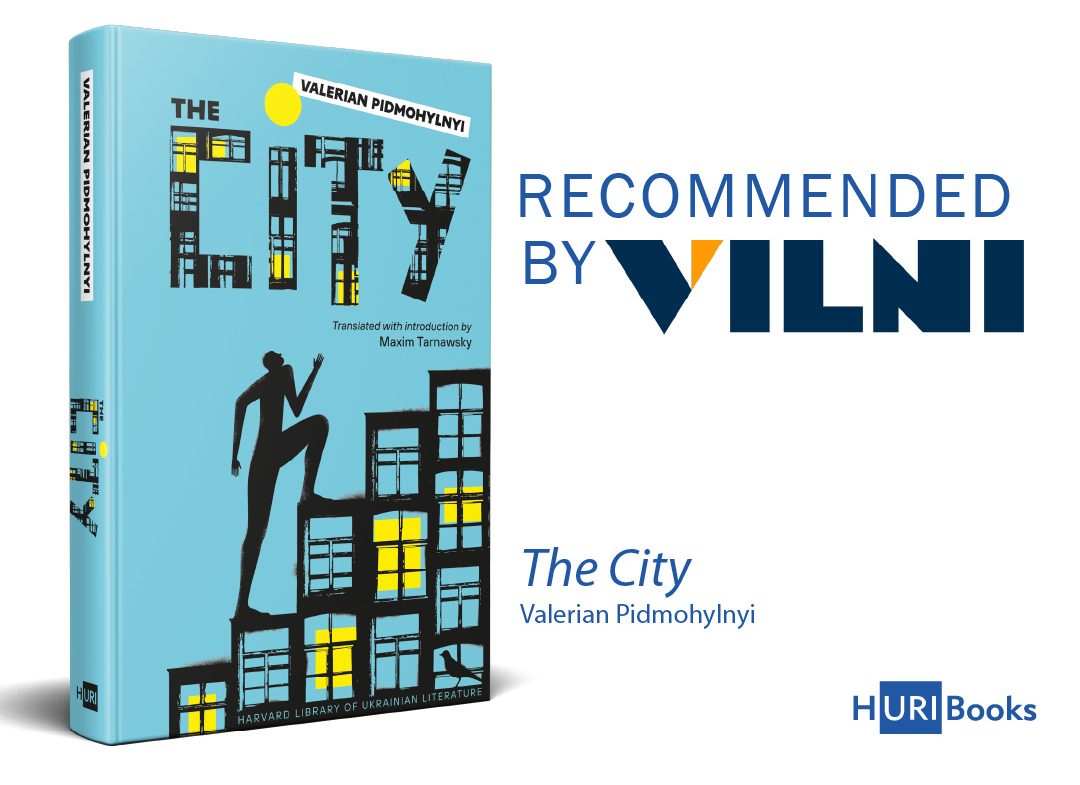
The novel became a landmark in the history of Ukrainian literature. It tells the story of Stepan, a young man from the provinces who moves to Kyiv and gradually achieves success as a writer while navigating a series of complex personal and romantic relationships. At the heart of the work is a philosophical search for harmony between rational thought and the elemental nature of human instincts. The protagonist’s sense of alienation and disorientation aligns the novel with ideas of European existentialism, making it relevant for contemporary readers as well.
In Isolation
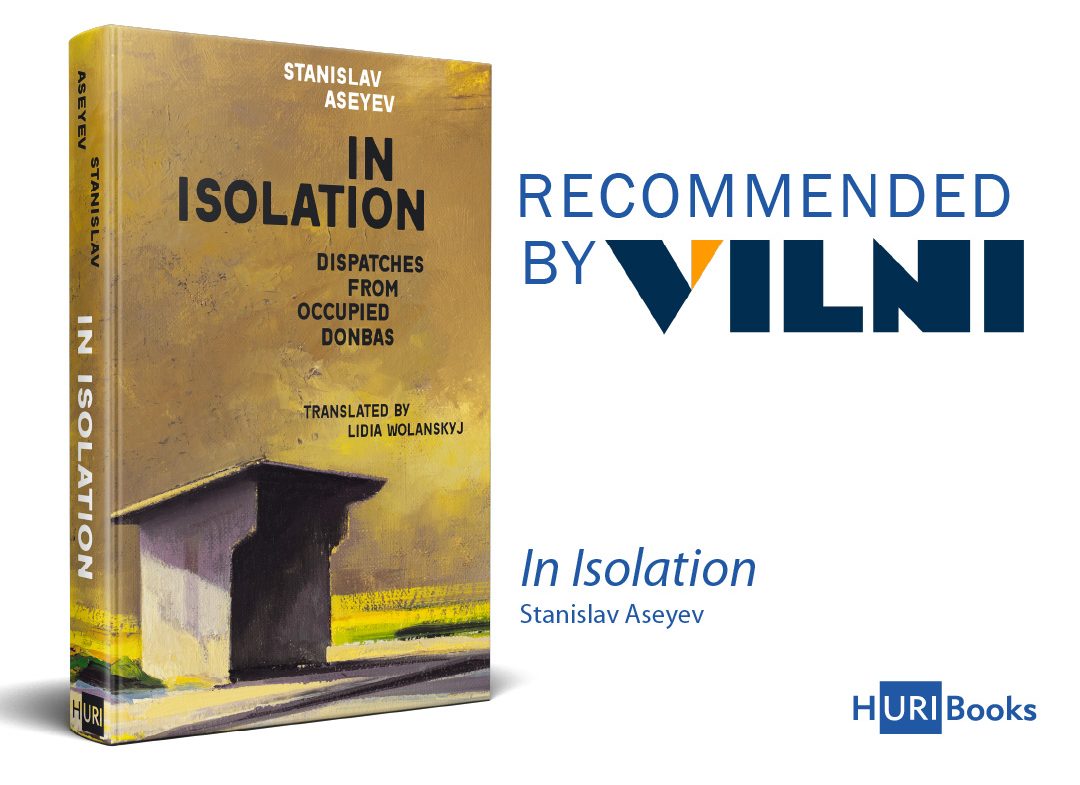
This work of documentary prose is based on the author’s personal experience in the occupied Donbas between 2015 and 2017. The book depicts everyday life in Makiivka and Donetsk, the impact of Russian propaganda on the local population, and the moral and psychological transformations people underwent under occupation. The narrative culminates in the author’s arrest, imprisonment, and torture in an illegal detention facility near Donetsk. It is one of the first insider testimonies revealing the price Ukrainians pay in Russia’s hybrid war against Ukraine and the systematic destruction of civil liberties in the occupied territories.
The curated selection showcases different dimensions of the Ukrainian experience—historical, literary, philosophical, and documentary. Within the framework of the Ukrainian Book Challenge, these books are viewed as tools of cultural resistance and dialogue with the world, capable of explaining Ukraine beyond simplified news headlines.
The Ukrainian Book Challenge initiative continues to encourage readers to get involved: choose Ukrainian books, share them with others, and help make the Ukrainian voice visible on the global literary map.
Photo: VM collage
Author: Danylo Pievchev