


 On Wednesday, February 4, a meeting with the well-known Ukrainian journalist and blogger Vitalii Portnykov took place with the Ukrainian diaspora at the University of California, Berkeley. His speeches are always timely, well-argued, balanced, and at the same time deeply emotional—they draw listeners like a magnet, prompting reflection on oneself, the world, and the events unfolding around us. This time, the audience included more than 60 university professors, students, and invited guests.
Vitalii Portnykov began his talk by recalling that it was here in Berkeley—one of the most prestigious public universities in the United States—that a large-scale protest against the Vietnam War took place in May 1969. That protest escalated into violent clashes with law enforcement and became a landmark event, demonstrating the continuation of the protest movement in the U.S. In 1970, Americans protested against the deployment of troops to Cambodia. The consequences of these protests proved tragic—not only for the protesters themselves, but also for the peoples of those countries. Deprived of American support, Vietnam and Cambodia became communist totalitarian states. The result was a reluctance on the part of the United States to take responsibility for freedom and democracy in the world.
The signing of the agreement between North Vietnam and the United States and the withdrawal of American troops marked a defeat for the U.S.—largely theoretical for Americans, but very real for the population of South Vietnam. Thousands were killed or sent to concentration camps, millions were expelled from Saigon, and the city itself was renamed Ho Chi Minh City. Similar, but even more horrific events unfolded in Cambodia: cities destroyed, nearly half of the population killed, and urban residents deported to labor camps.
In the remainder of his address, Vitalii Portnykov offered his own well-founded interpretation of contemporary realities, an assessment of the past, and a vision of the future.
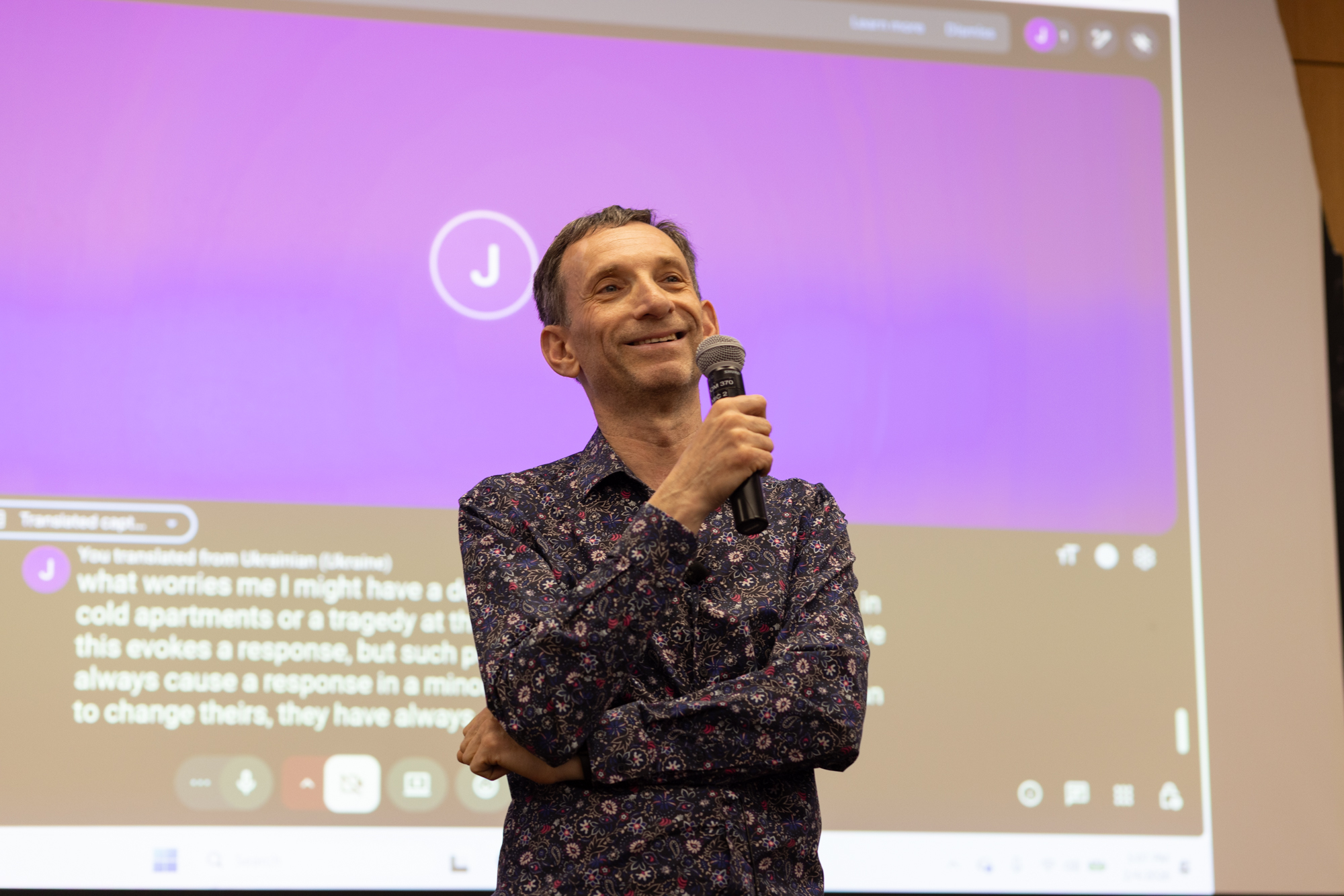 We cannot reproduce the entire speech, but below are its key ideas and statements:
- The United States has turned into a “political Lilliputian,” while communist regimes, having realized their impunity and exploiting protest movements, began expanding their influence to new countries and continents.
- War has become a policy and a form of dictatorship for all communist totalitarian regimes.
- Private property in itself does not constitute democracy or freedom and can serve as a guarantee for the survival of tyrannical regimes.
- The Soviet Union lost the Cold War and collapsed because of its planned economy—in this sense, Americans were essentially lucky.
- Chinese communism, having introduced a market economy, strengthened itself and became the world’s second-largest economy; the ruined Russian economy followed this model. China is actively injecting financial resources into various countries, increasing its influence there.
- Today, Ukraine finds itself in a situation similar to that of South Vietnam, with the difference that there are no American troops on its territory.
- Russia has adapted to wartime conditions and continues to build up its military potential despite sanctions and reduced revenues from oil and gas sales.
- The “Epstein files” reveal that Russia has created an extensive network of influence and support for right-wing forces not only in the West, but worldwide.
- Despite providing aid to Ukraine, since 2014 the U.S. has effectively maintained absolute bipartisan consensus on non-participation in the war.
- Ukraine’s defeat would mean a geopolitical defeat for the United States, shifting the center of global politics toward Moscow and Beijing, instilling fear among European voters, and empowering forces willing to negotiate with authoritarian regimes—effectively burying the European project and European democracy.
- The defeat of people who refuse to submit to tyranny is always a shared defeat, with catastrophic consequences for all who failed to defend democracy in a particular country or region.
- American isolationism has never protected anyone from anything. One cannot avoid engaging with history if one is not prepared to accept its challenge. Ukrainians have accepted this challenge because they have no choice between the existence of the state and the destruction of the nation. Americans, however, often say: “We are not ready to risk our lives if we don’t understand why.” Today’s American leadership is effectively offering Ukraine to give up its territories to Russia—just as France and Britain once suggested handing over the Sudetenland to Nazi Germany. History already knows how that ended—in a world war, which could repeat itself today.
- The consequences of such a war could be far more devastating due to the presence of nuclear weapons, although scientific and technological progress—which accelerates during wartime—may change its nature, scale, and geography.
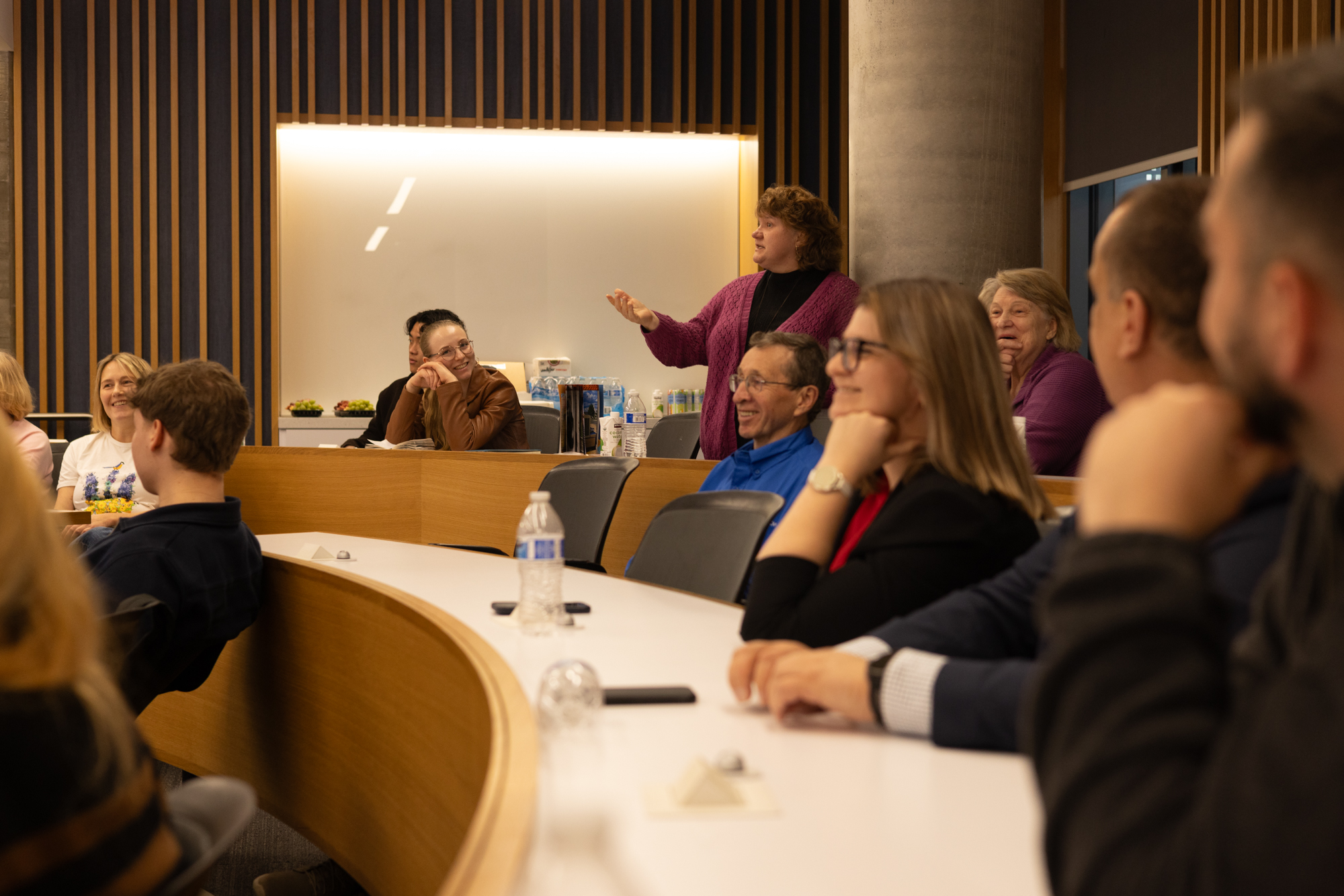
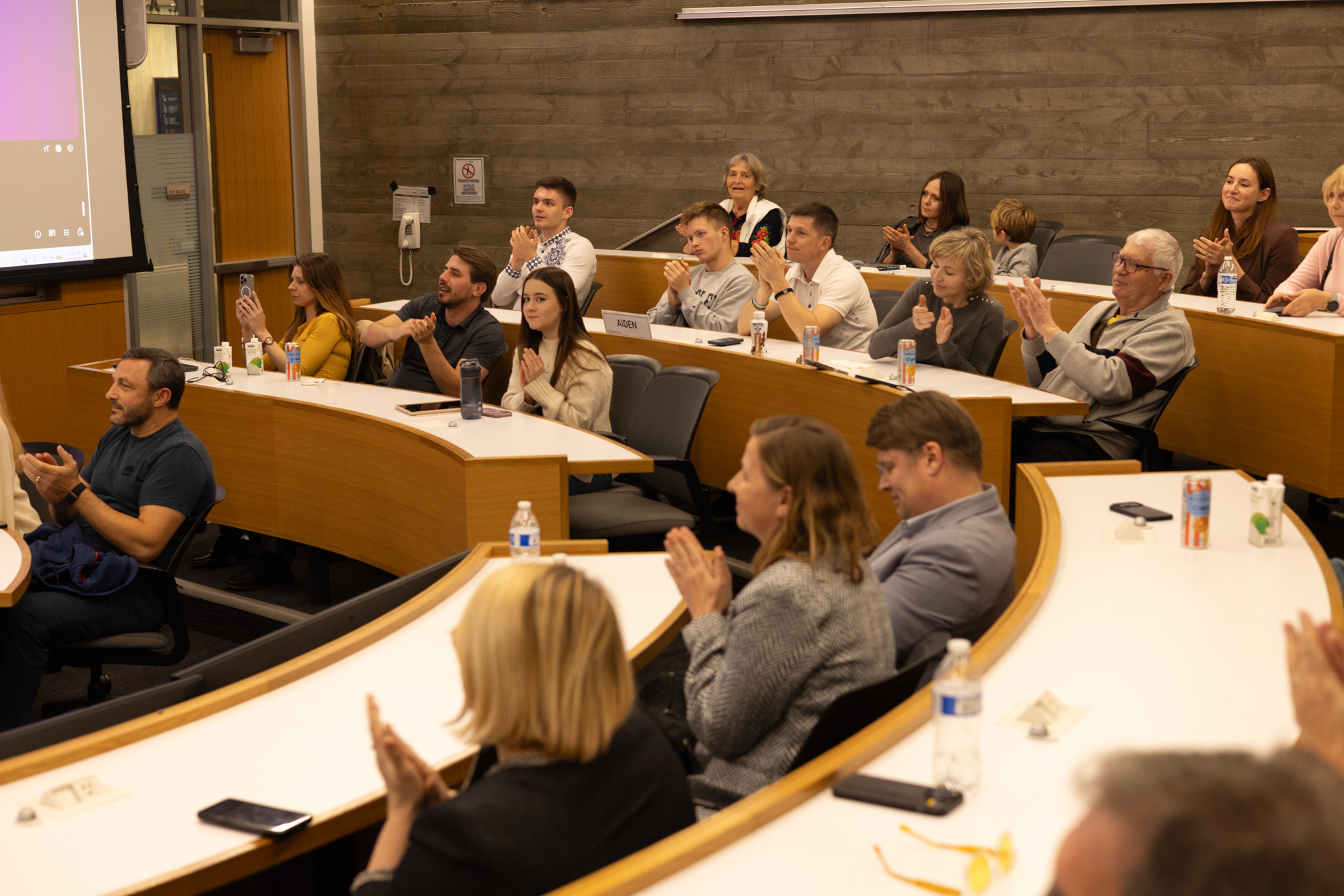
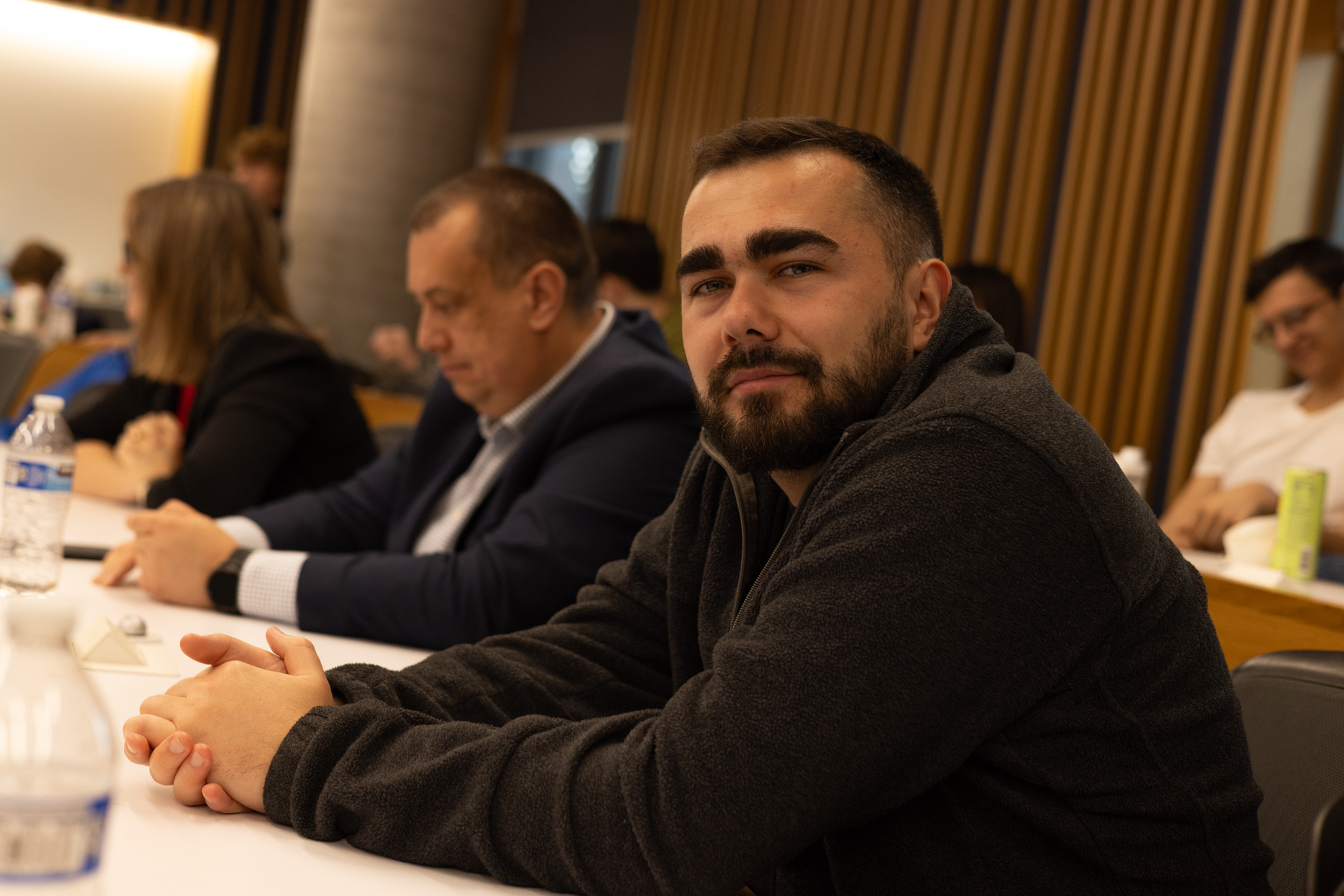
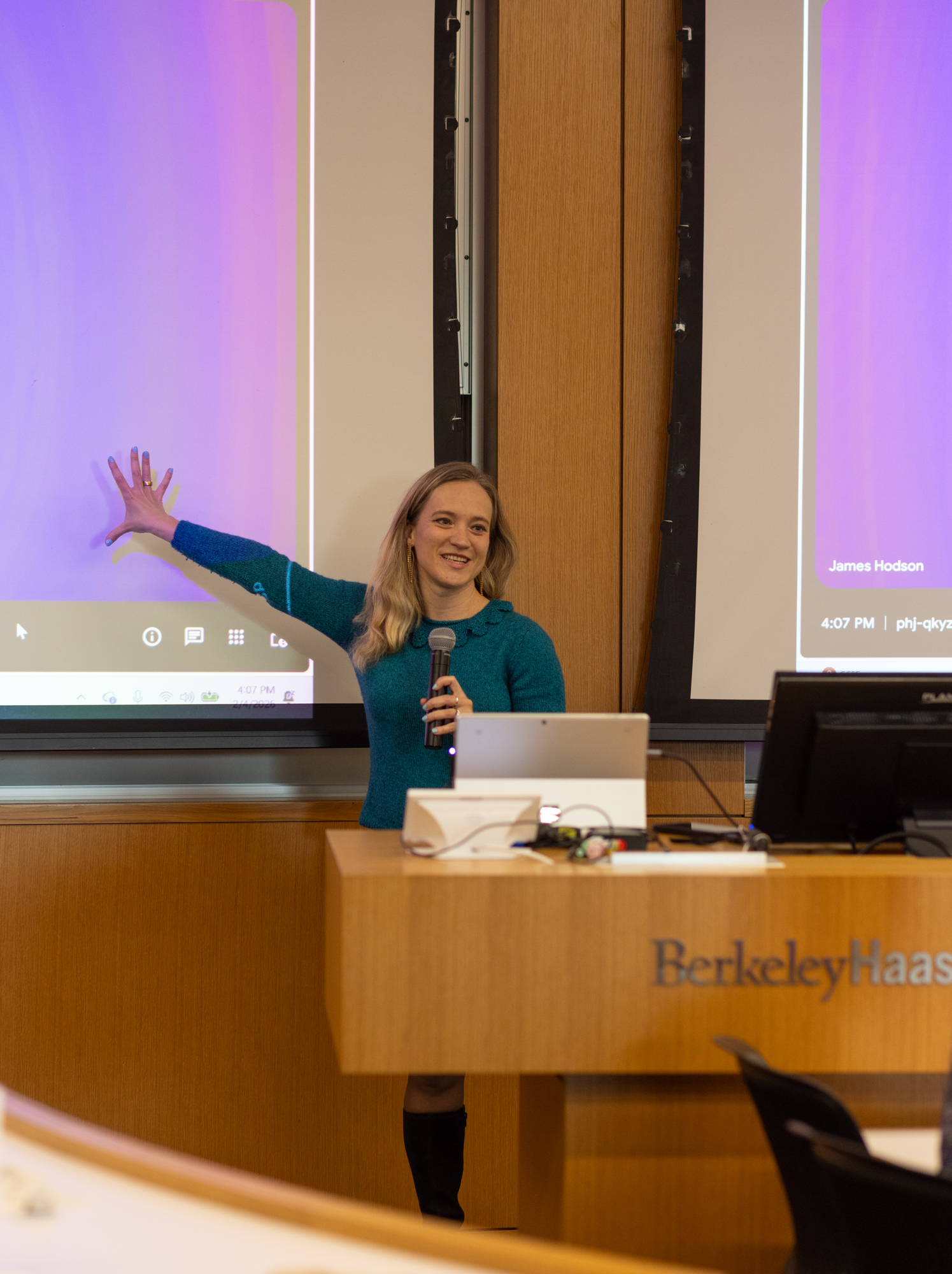
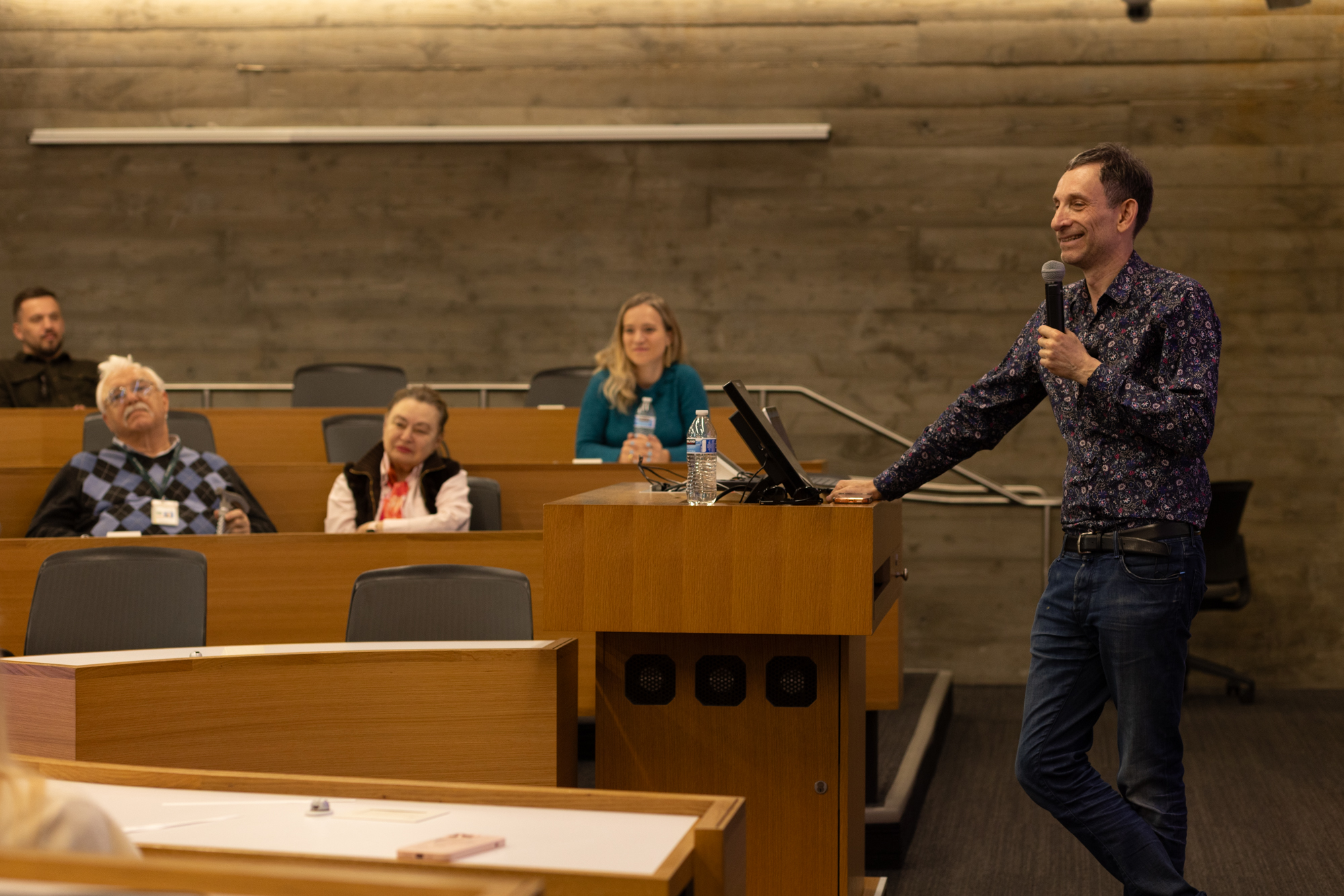
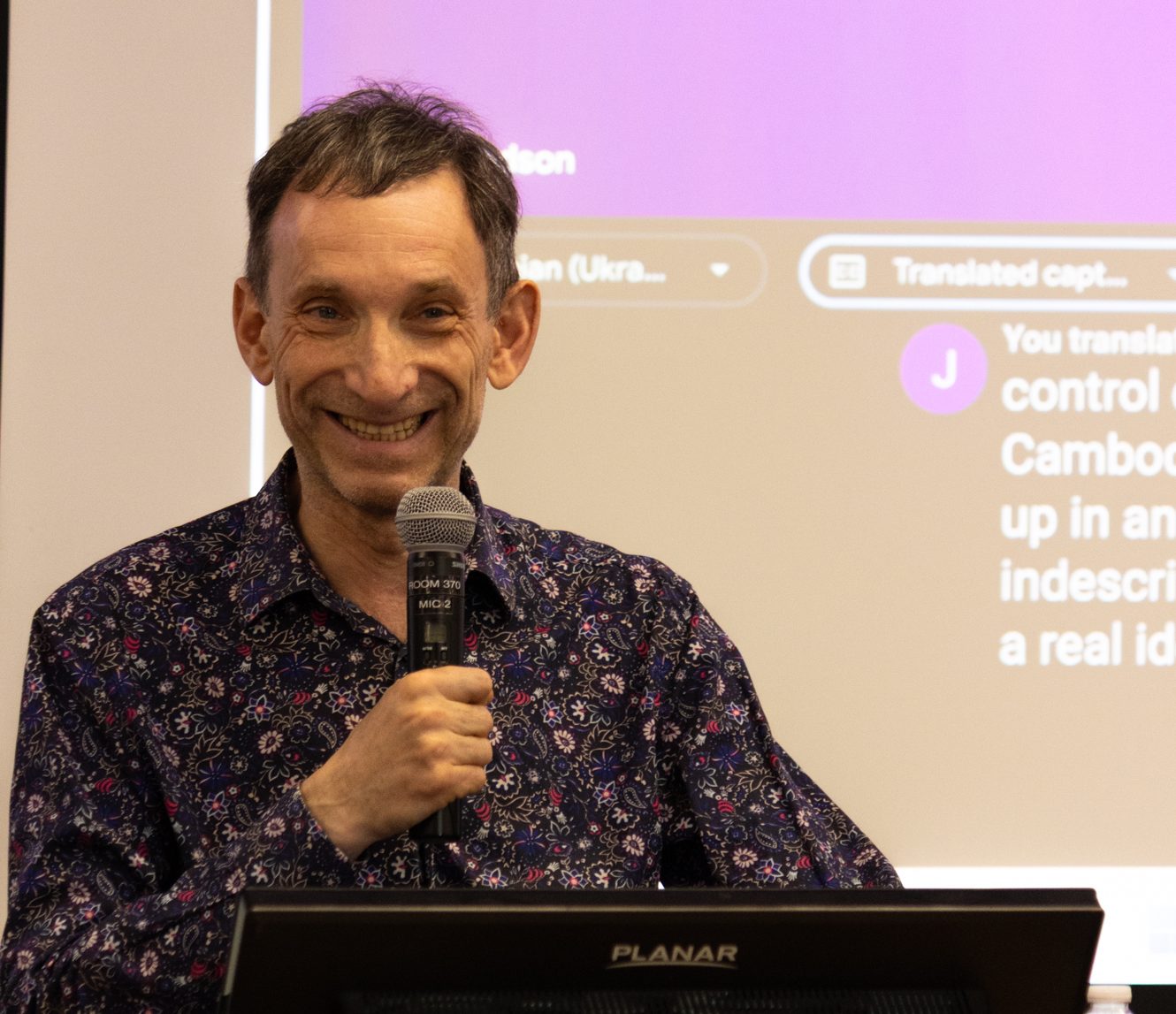


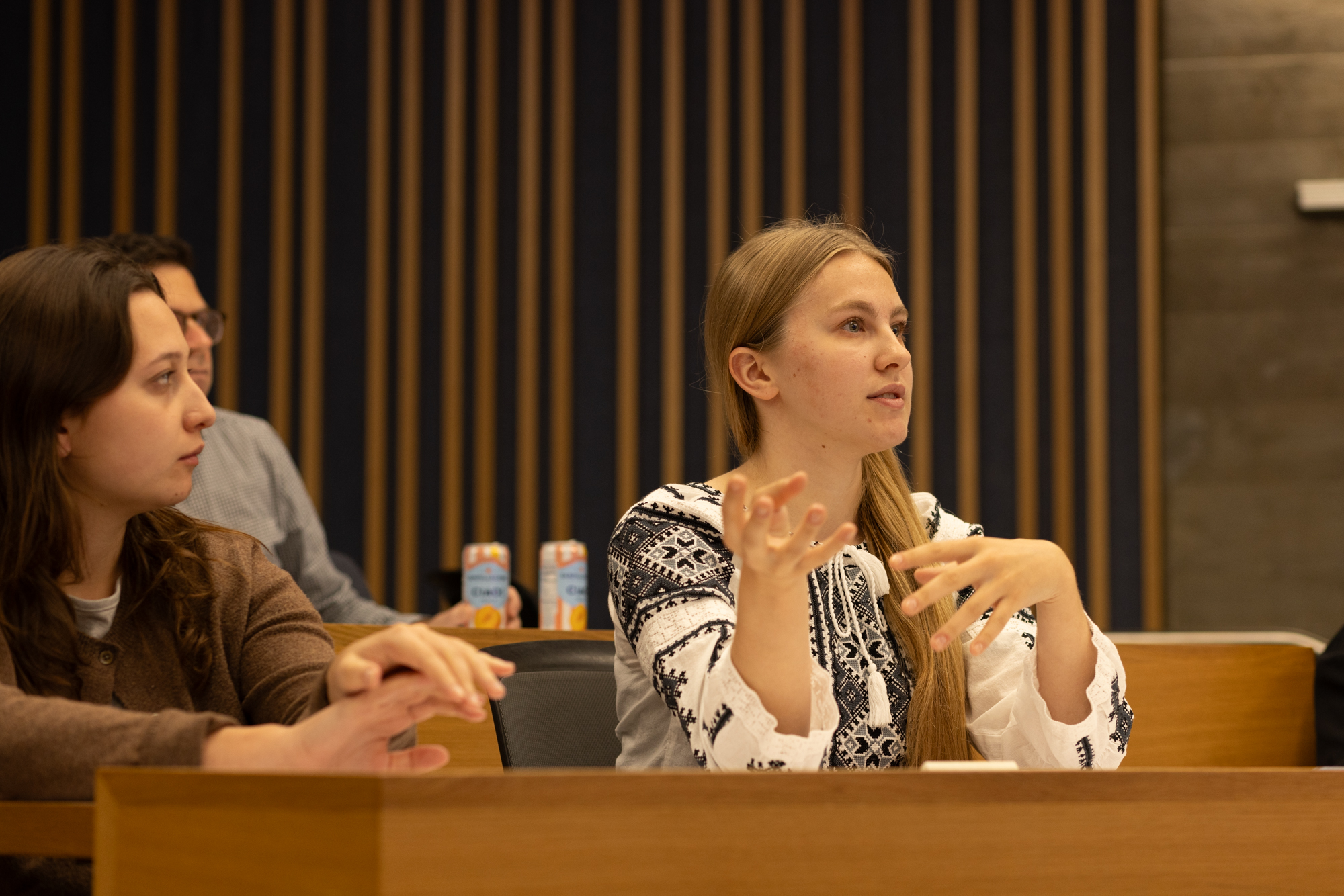
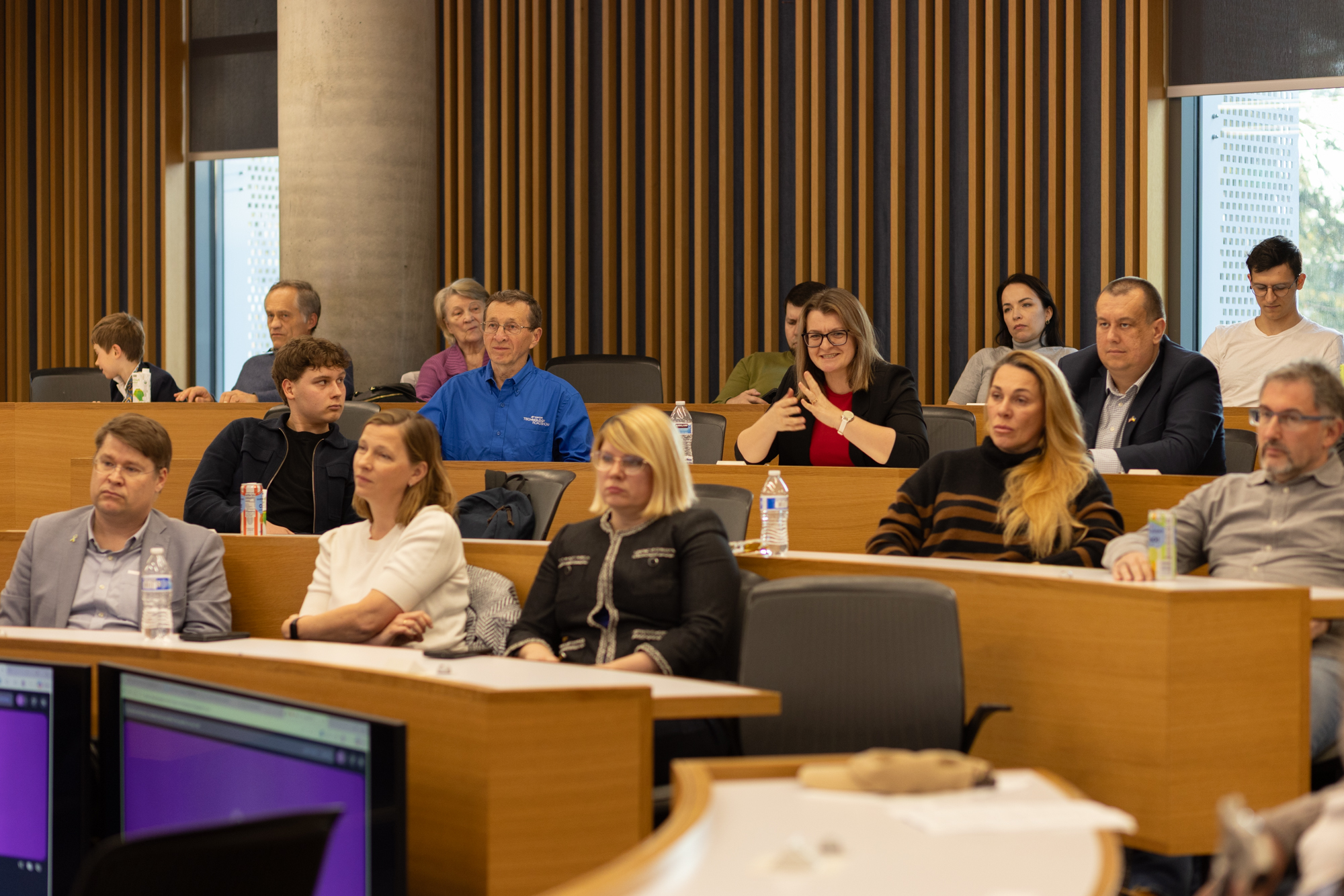

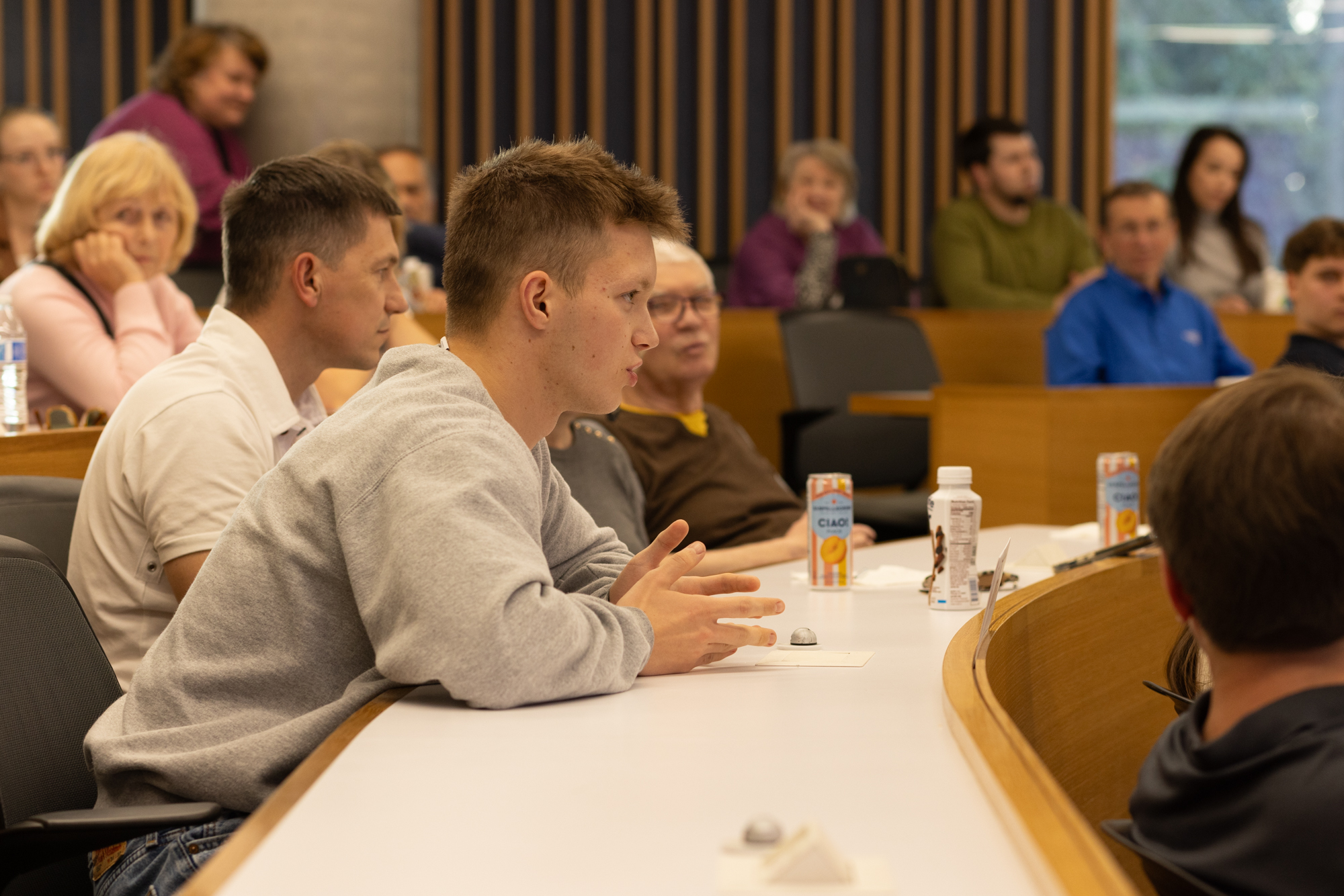
 Photo: Tetiana Redko
Author: Myroslav Grekh
