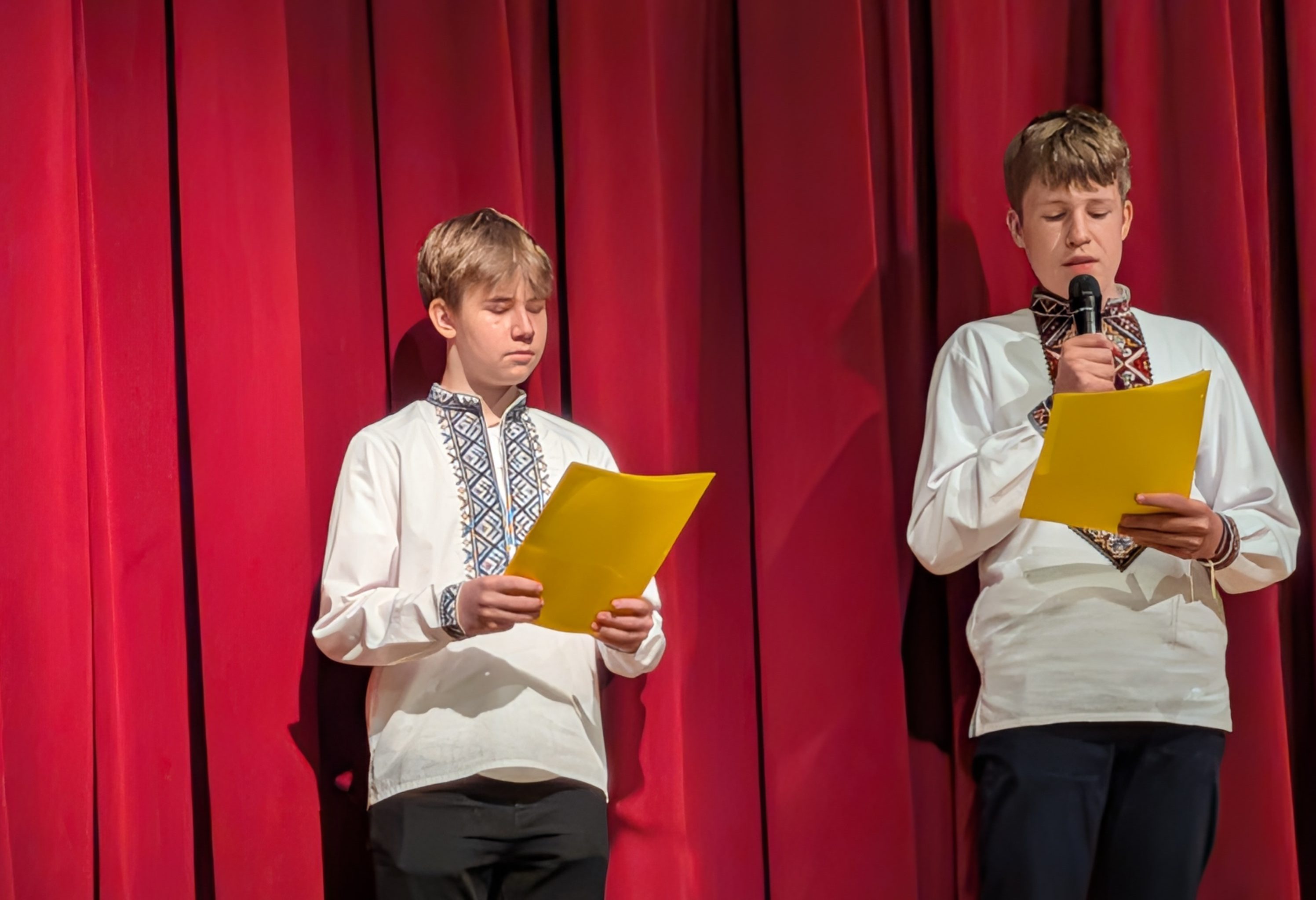
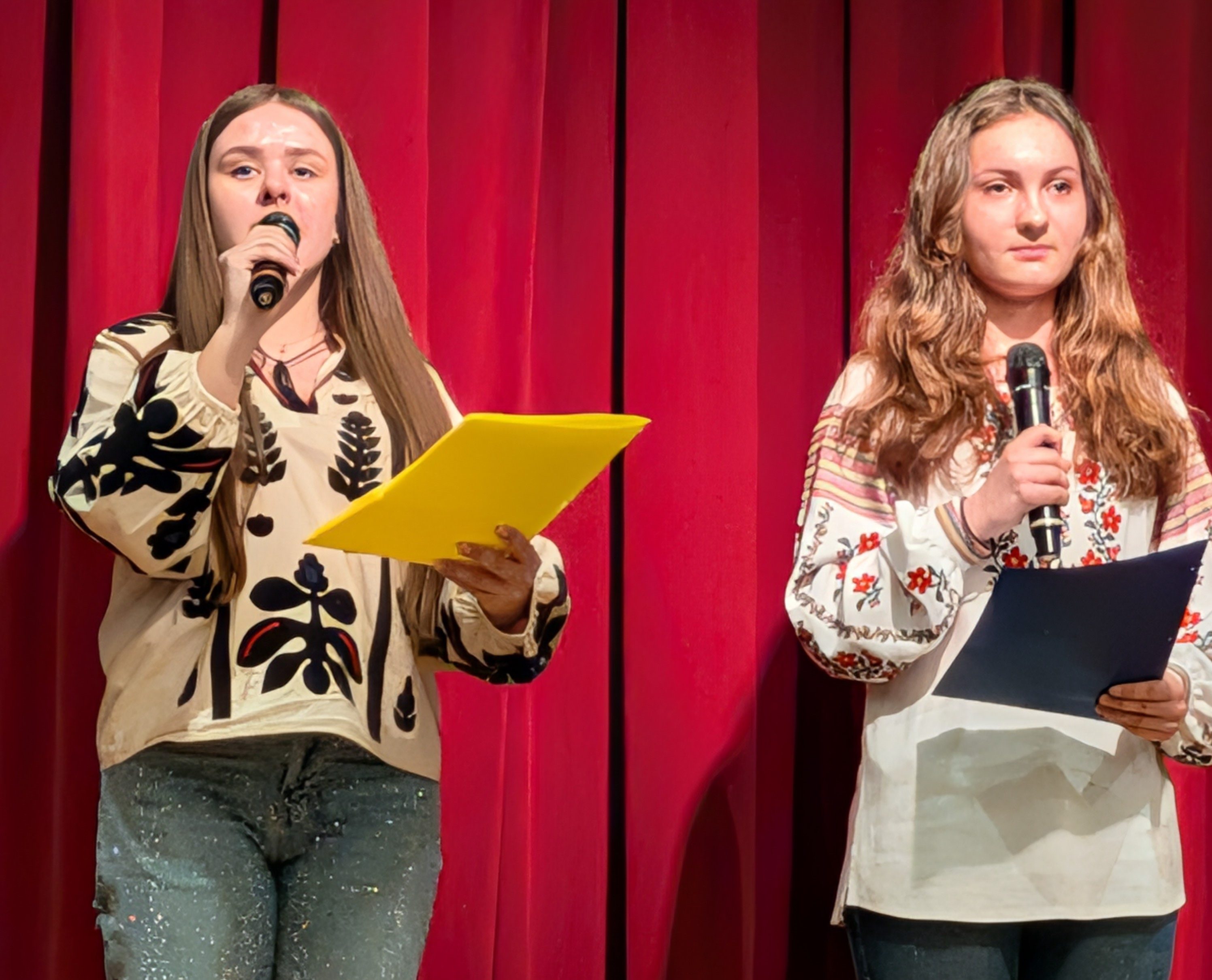
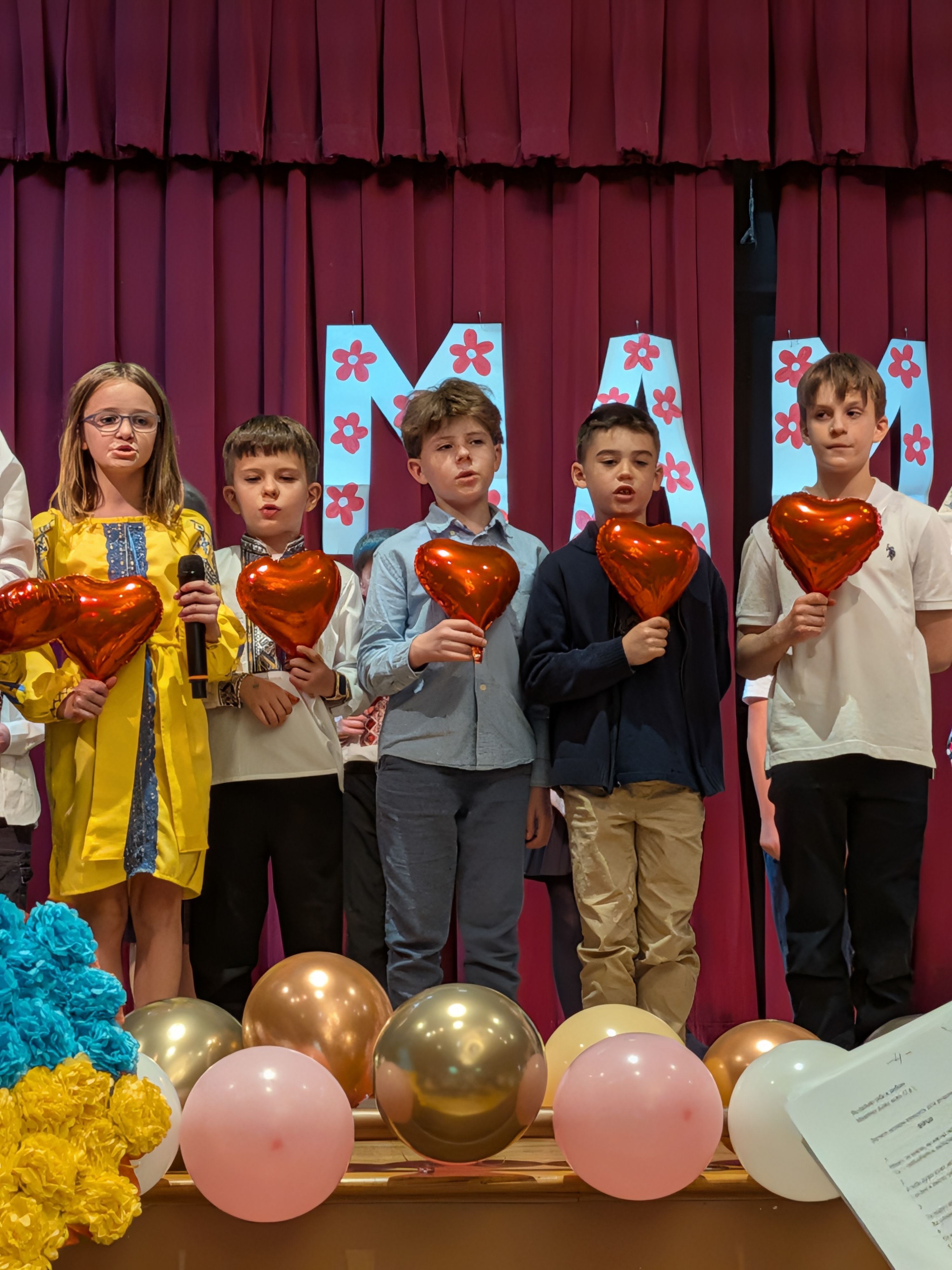
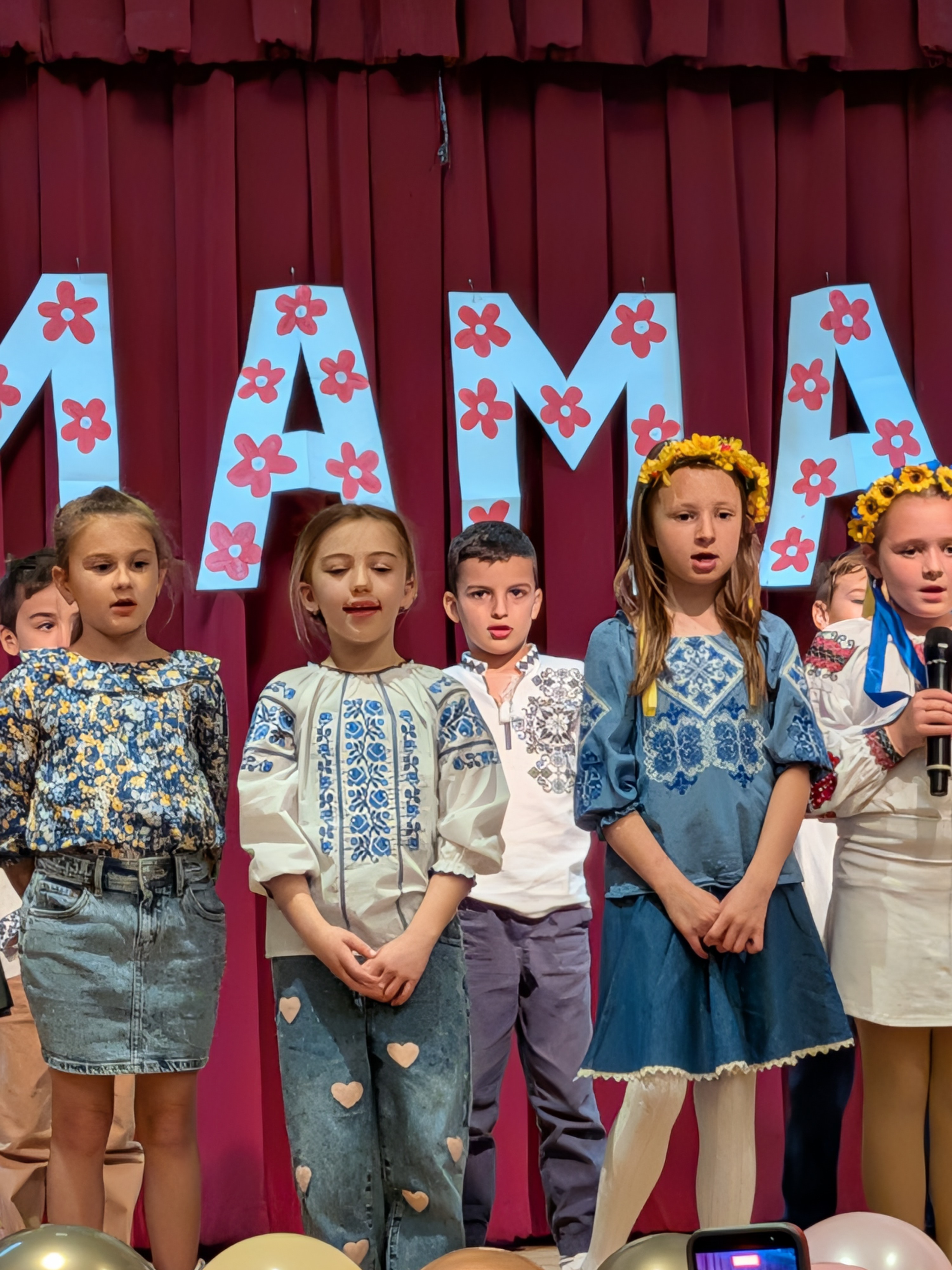
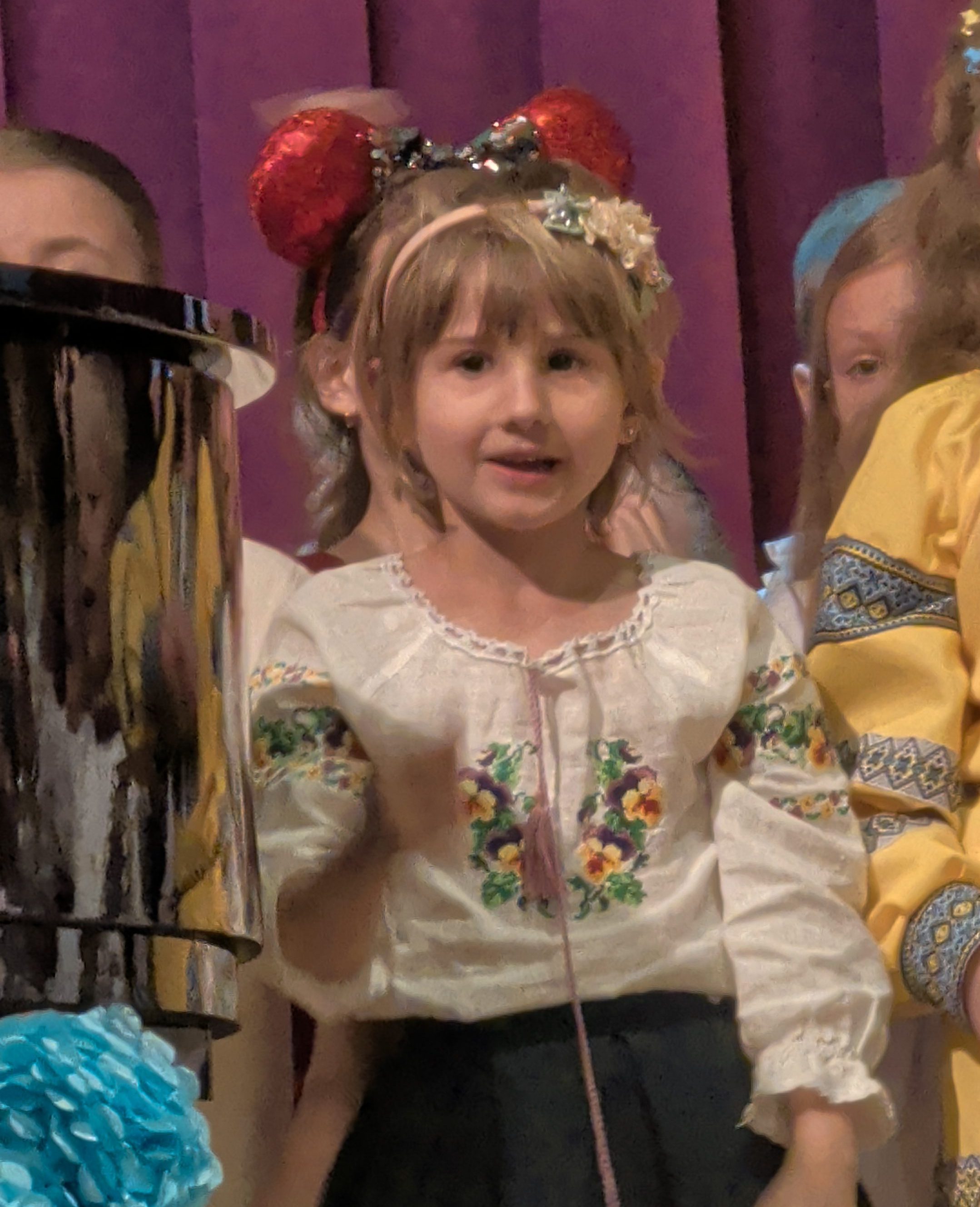
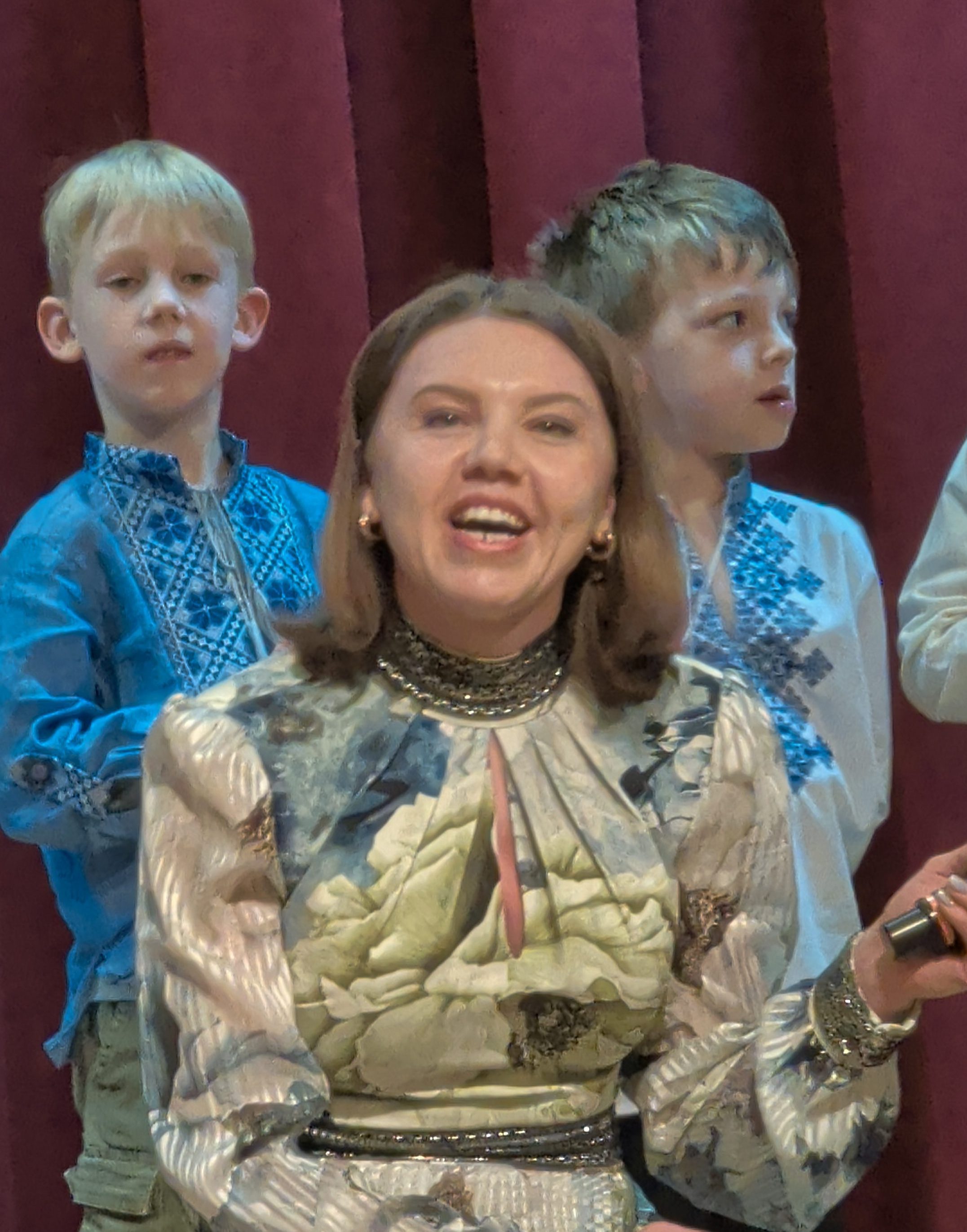
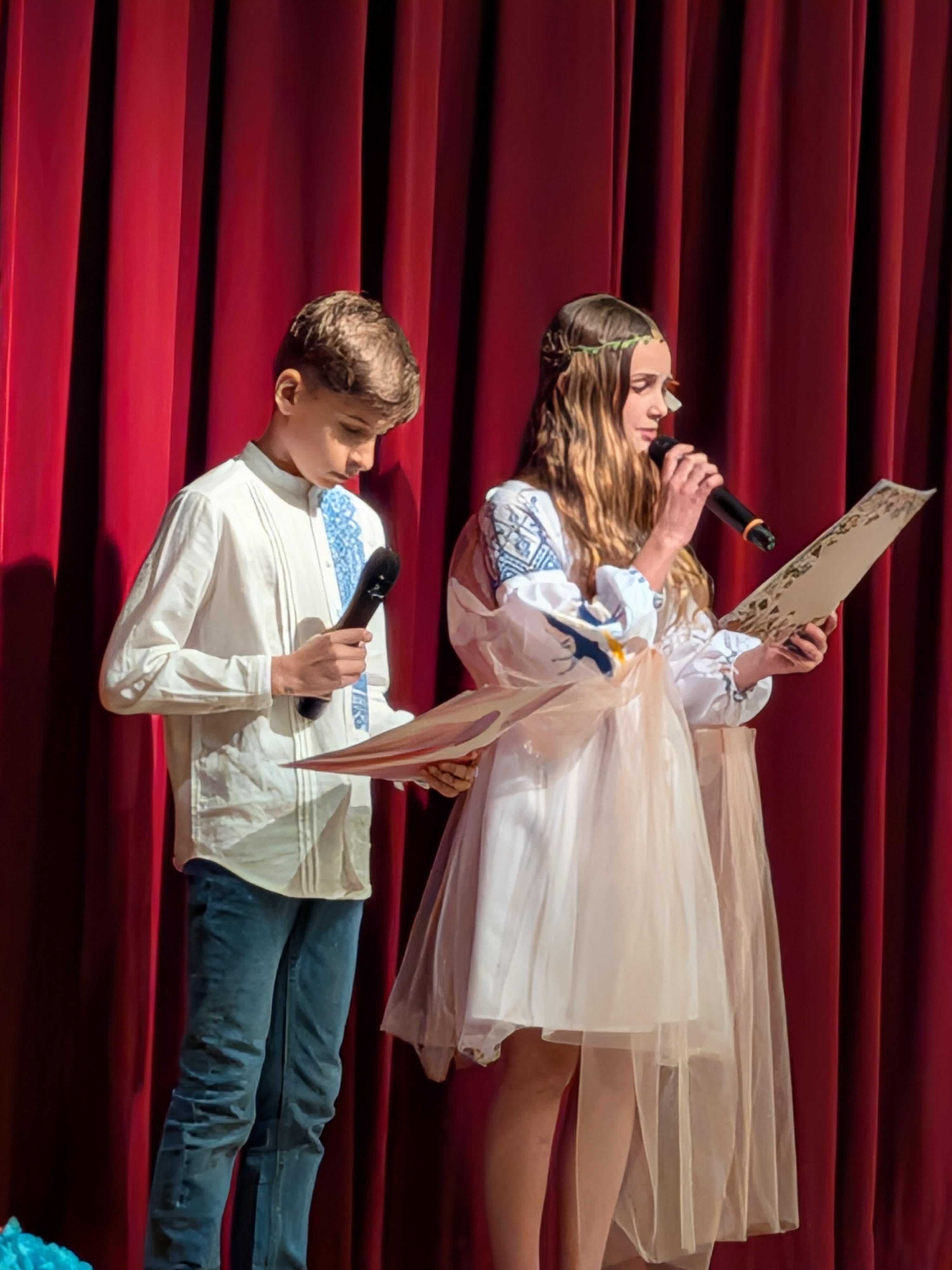
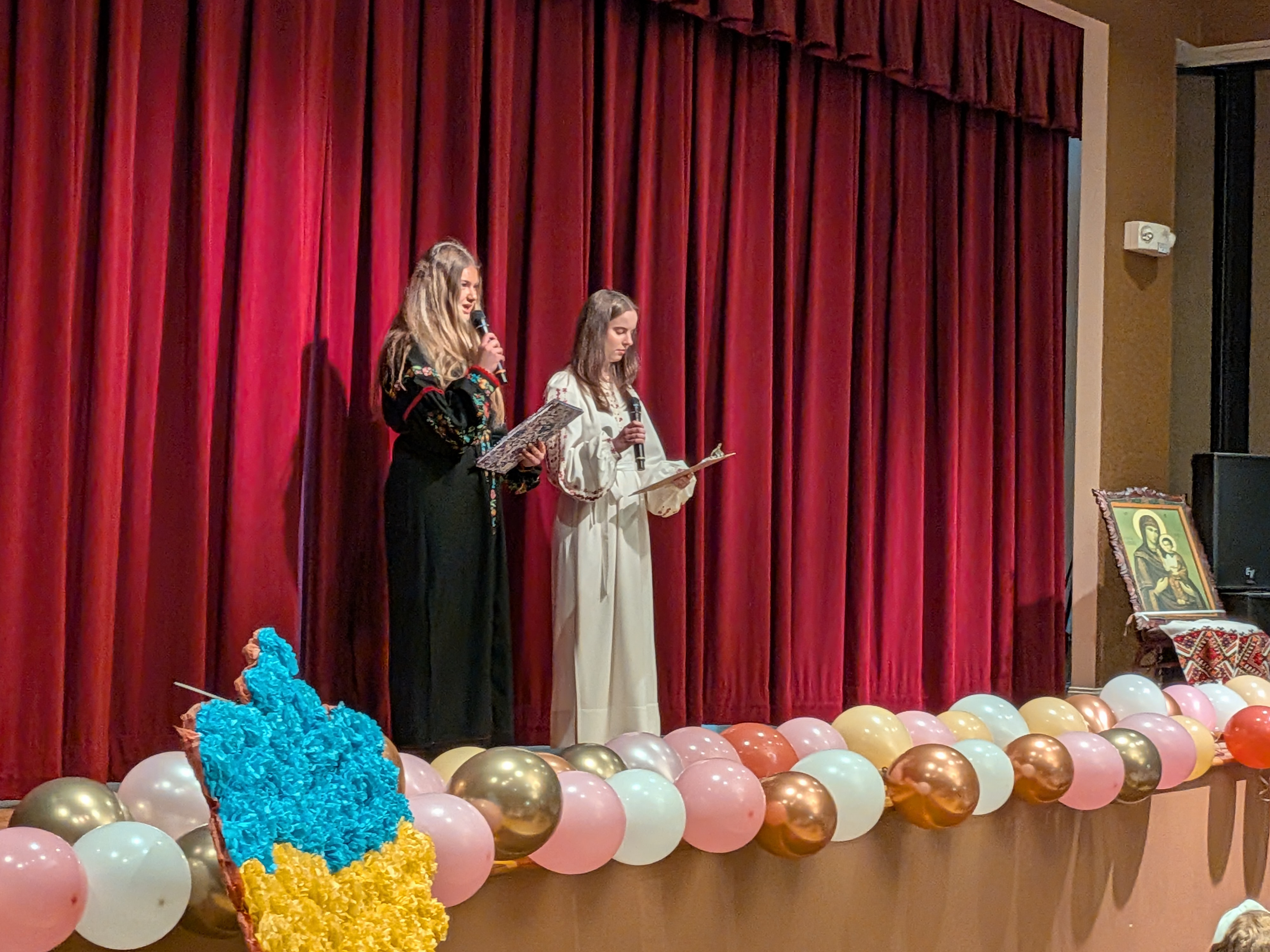
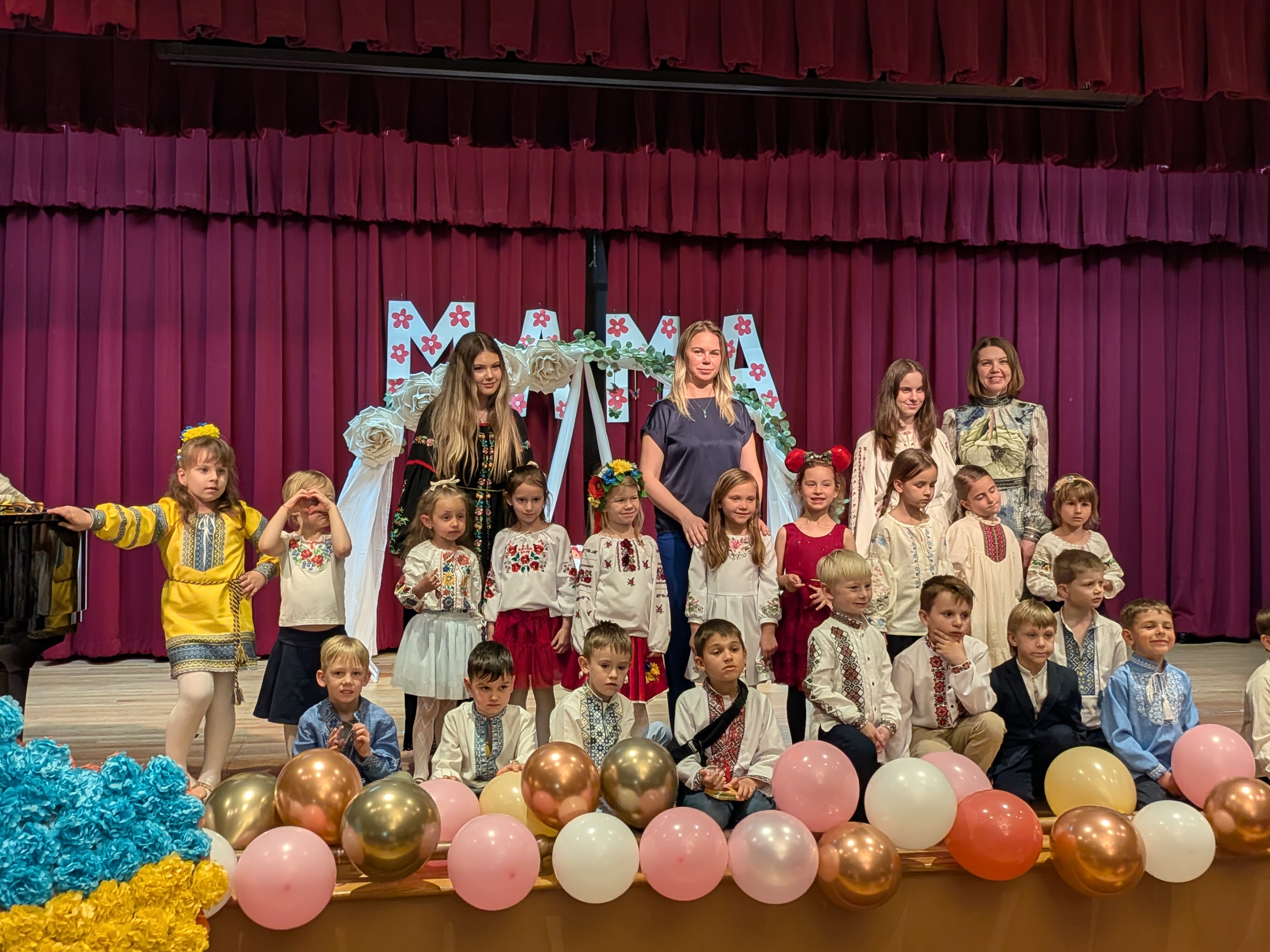
 There are words that do not need loudness, because they carry strength in themselves. They do not search for a path to the heart, because they have long lived there. They sound the same, yet for each person they mean something different: another story, another fate, another path, another love. Such is the word “mom”
Behind this short word are different women, different characters, different life journeys. Mothers who are strong and tender, smiling and tired, calm and anxious. Mothers who carry the whole world of their child every day — often silently, without applause, without grand words.
And when, at the Ukrainian school in Whippany, this word was spoken by two hundred children’s voices — gently, a little nervously, with childlike sincerity — it became something greater than part of a festive concert. It was as if the children were saying one collective “thank you, Mama,” from heart to heart. And in that moment, it seemed that every mother in the hall heard not merely an address from the stage, but an echo of her own life: first steps, sleepless nights, whispered prayers, worries, joys, and a love that never grows tired of loving.

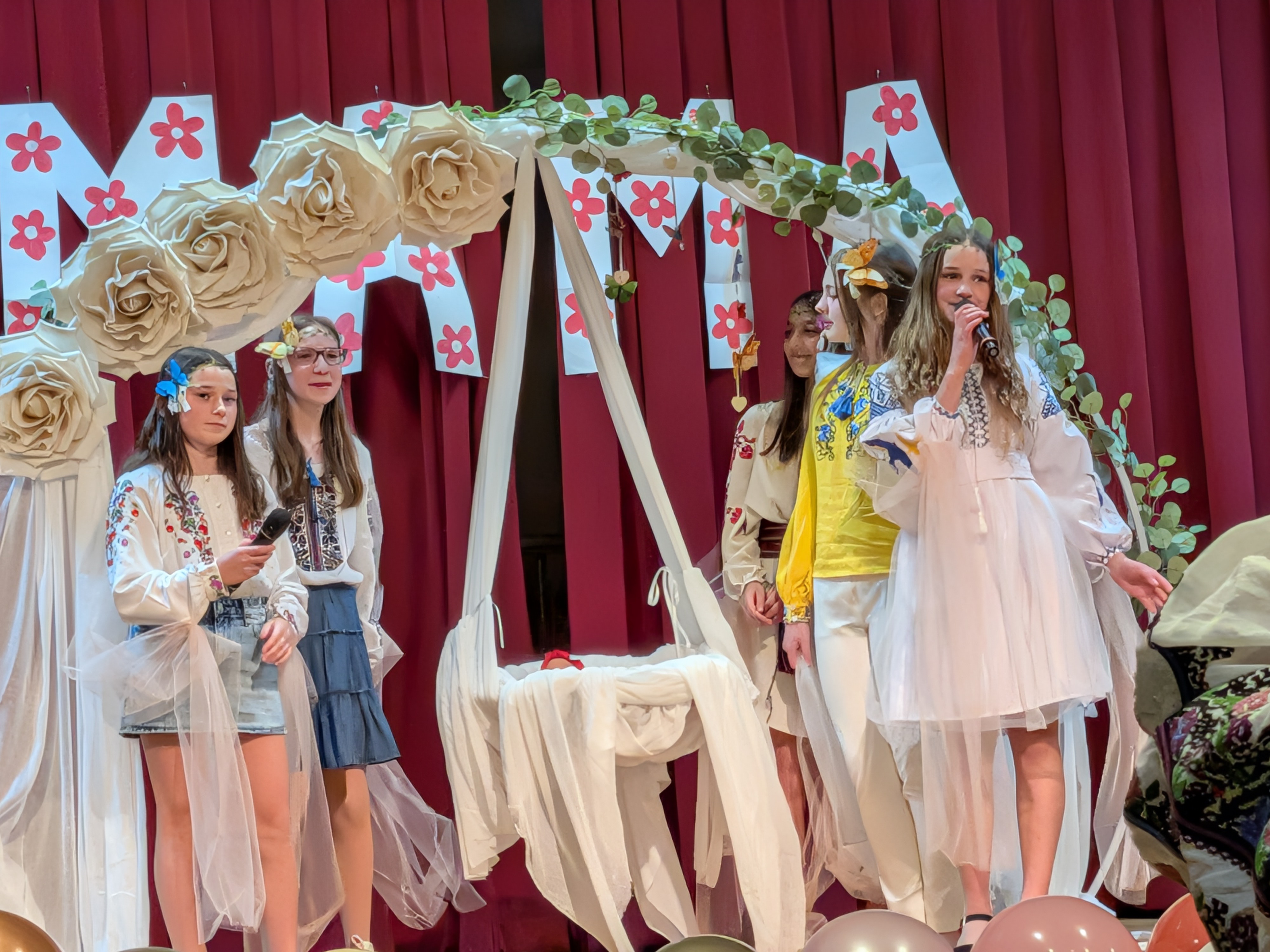 The very script of the celebration was built in a special way. In it, the word “mama” sounded not in one dimension, but in many — as mother, grandmother, the Mother of God, and Mother Ukraine.
That is why this concert felt close to every generation: to the children who are only learning to express gratitude in words; to the mothers who live this love every day; to the grandmothers, in whose hands rests the memory of the family; and to all of us who carry Ukraine in our hearts as the greatest maternal shrine.
Images of motherhood sounded through the words of Lesia Ukrainka and Ivan Franko, through prayer, ancient Ukrainian songs, and new melodies. Fairy tales, poems, and theatrical performances all intertwined into one living story about motherhood — a story with room for tenderness, memory, joy, and bright pride in the Ukrainian word.
 And behind all of this was the tireless work of the teachers. Those who did not merely write a script, but seemed to embroider it with their very being — word by word, song by song, a child’s voice joined to a mother’s tear. They are mothers themselves. They know the value of silence when a child steps onto the stage… they know how the heart trembles over every word… And perhaps that is why this celebration felt so genuine. Because beauty is not born by chance. It must be nurtured. Taught. Passed on.
Just as at the Ukrainian school in Whippany, children are given the Ukrainian word — gently, persistently, with love. And this love grows. Together with the school. Each year it becomes broader, stronger, gathering more and more children and families. Today, 300 students study here, and this year alone the school is sending 17 graduates into adult life. These are not just numbers. These are children’s voices in which Ukraine lives.