


The Ukrainian community of New England has been forming for over a century. Today, the Ukrainian presence in the region is noticeable in Boston, the cities of Connecticut, and other states of the northeastern United States – through the activities of cultural centers, Sabbath schools, community organizations, festivals, and volunteer initiatives.
This was reported by Myroslava Fallback.
The first Ukrainian immigrants arrived in New England in the late 19th and early 20th centuries. They were from Galicia, Bukovina, and Transcarpathia, which at that time were part of the Austro-Hungarian Empire. In documents, they were often recorded as “Austrians” or “Ruthenians.” Ukrainians worked in textile factories in Rhode Island, steel mills in Connecticut, and paper mills in Maine. It was during this period that the first Ukrainian community in the region began to form.
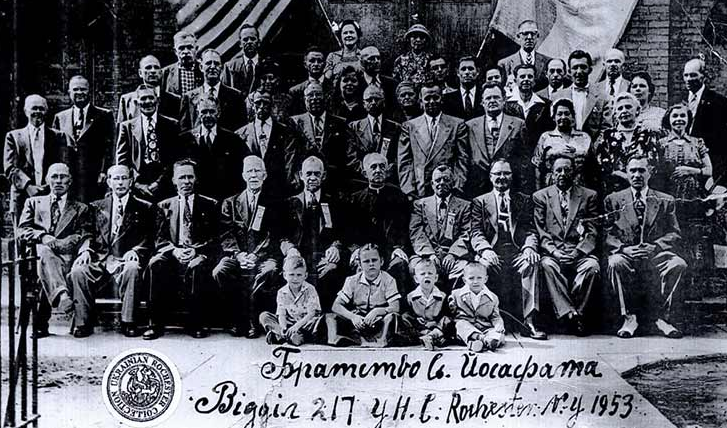
The first Ukrainian parishes played an important role in the life of the community. Churches became not only spiritual centers, but also centers of cultural and public life. They operated Sunday schools, choirs, amateur theaters, organized holidays and joint events. Photographs of the first generations of Ukrainian parishioners have been preserved in the church archives of Massachusetts and Connecticut.
In the interwar period, the Ukrainian community in the region grew. “Prosvita” organizations, youth, sports and women’s societies appeared. Cultural life developed: festivals, theatrical performances were held, Ukrainian newspapers were published. A significant part of this activity was organized by representatives of the working class.
After World War II, a new wave of Ukrainian emigration arrived in New England - teachers, scientists, writers, doctors. Many of them went through camps for displaced persons in Europe. Having settled in the USA, they actively participated in public life: they opened schools, created political committees to support Ukraine, published magazines and collections. It was this generation that became one of the main voices on Ukrainian issues during the years of the Soviet Union.
In the 1950s–1980s, Ukrainians in New England actively worked to popularize the Ukrainian issue in American society. They organized pickets, addressed congressmen, held marches and public actions. During this period, Ukrainian identity in the region acquired not only cultural but also political significance.
After the declaration of independence of Ukraine in 1991, a new generation of emigrants arrived in the region - students, doctors, engineers, programmers, young families. They joined in the renewal of public life, the development of cultural centers and educational programs. Creative studios, theater groups, and youth organizations at universities appeared.

The events of 2014 were an important stage in the activation of the Ukrainian community. After the annexation of Crimea and the outbreak of the war in Donbas, new volunteer and community initiatives began to operate in Boston, Providence and New Haven. Ukrainians organized actions, collected humanitarian aid, medical kits and funds for the victims.
After the full-scale Russian invasion of 2022, tens of thousands of Ukrainian families arrived in New England. Assistance to the newcomers was provided by parishes, volunteer organizations, cultural centers and local communities. People helped with housing, documents, employment and education of children.
During this period, a large number of new Ukrainian initiatives also appeared in the region - coffee shops, creative studios, educational programs, children's clubs, businesses and volunteer groups. Ukrainian musicians and art groups became participants in festivals in Massachusetts and Connecticut.
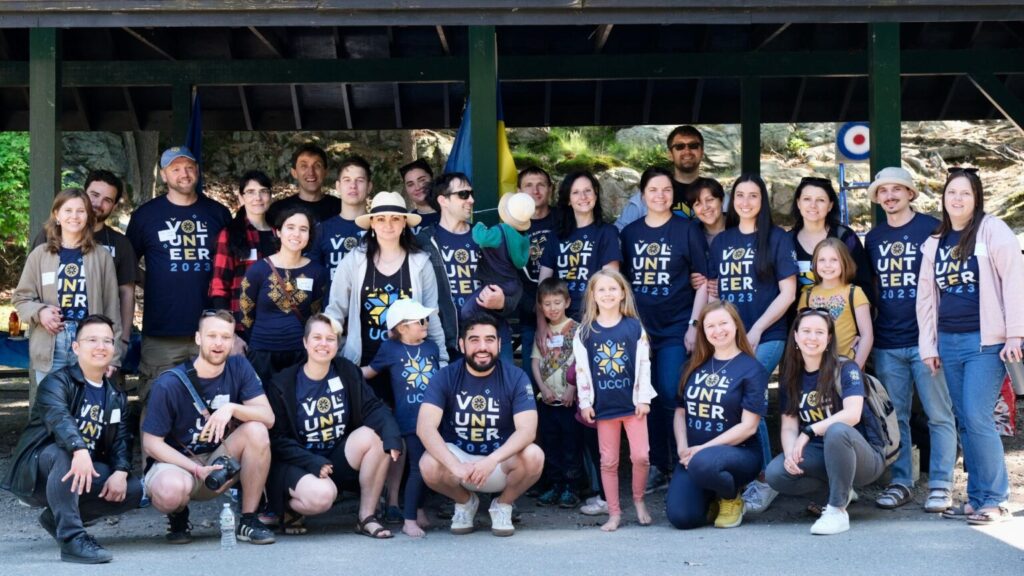
One of the modern centers of Ukrainian life is the Ukrainian Cultural Center of New England (UCCN). The organization was created in 2022 as a non-profit cultural center to support the Ukrainian community and promote Ukrainian culture in the United States. The mission of UCCN is to preserve Ukrainian identity, language, traditions, and historical memory, as well as to develop dialogue between the Ukrainian community and American society.
The center organizes festivals, concerts, fairs, art exhibitions, lectures, educational programs, and cultural events. A separate direction has become publishing activities, in particular the magazine UA Chronicles, dedicated to the life of the Ukrainian community of New England.
Saturday Ukrainian schools play an important role in public life. Educational centers for children of Ukrainian families operate in Boston, Stamford, Norwalk, and other cities. Most schools are staffed by volunteers - community representatives who combine professional activities with teaching and cultural work.
Ukrainian parishes, choral and dance groups, and art groups operate in parallel. Among them, the Dobrudja choir in Massachusetts is mentioned, as well as folklore and youth ensembles in Connecticut.
One of the largest events of the Ukrainian community is the Ukrainian Festival in Boston, which attracts thousands of visitors every year. In addition, the cities of Providence, Hartford, New Haven and Plymouth hold local festivals, charity fairs, Christmas and Easter events.
After 2022, the activities of volunteer groups and student organizations at Harvard, Boston University and Yale University have intensified. Young people organize marches, information campaigns, lectures, embroidery days and cultural evenings dedicated to Ukraine.
According to local communities, after the start of a full-scale war, from 30 to 50 thousand Ukrainians arrived in Massachusetts, Connecticut and neighboring states. New Ukrainian businesses, educational projects and professional communities have appeared in Boston and other cities. Small Ukrainian businesses and local communities are actively developing in Connecticut.
Photo: Myroslava Fallback.
Author: Danylo Pievchev