


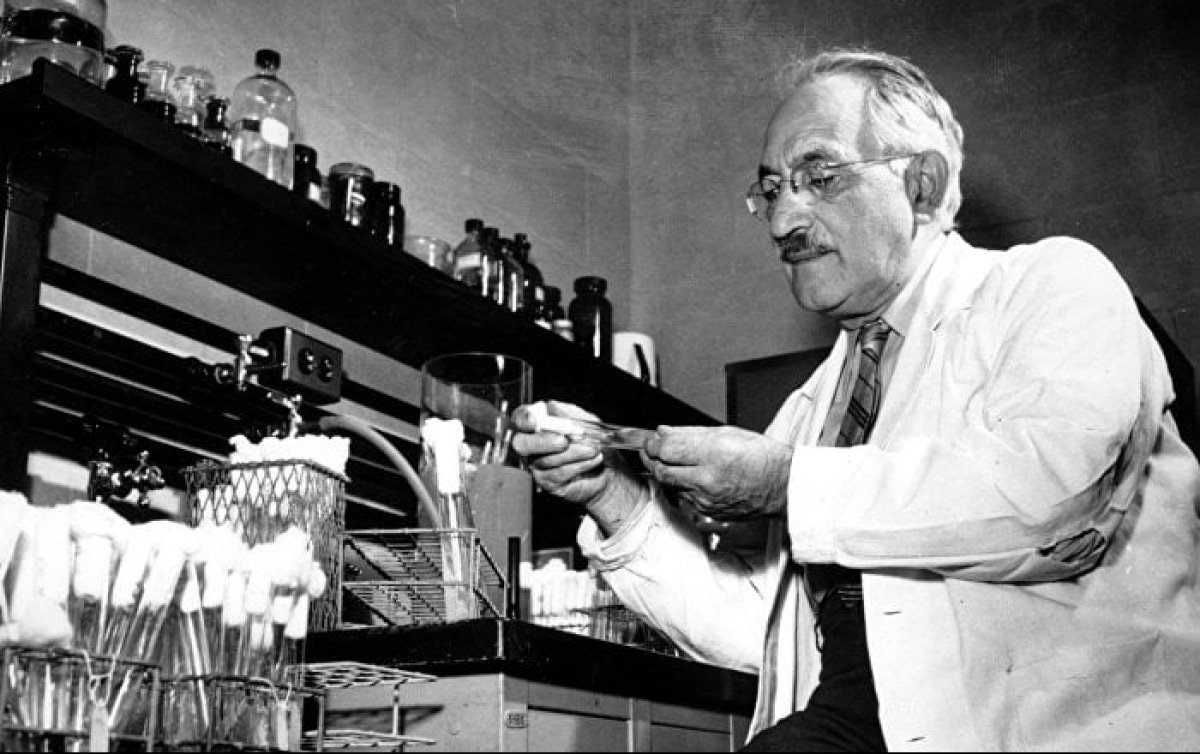
Zelman Waxman is an American microbiologist of Ukrainian origin, winner of the Nobel Prize in Physiology or Medicine in 1952 for the discovery of streptomycin, the first antibiotic effective in the treatment of tuberculosis. The future scientist was born in 1888 in the Ukrainian village of Nova Pryluka, and after emigrating to the United States became one of the most famous researchers in the field of microbiology and antibiotics.
This was reported by Bukovina State Medical University..
As a child, Waxman studied in a traditional heder, studied the Bible and Talmud. By the age of 16, he had organized a school for underprivileged children in the village, where he taught Hebrew and Russian, grammar, history, and arithmetic. He also created a group of boys to care for the sick. During the revolutionary events of 1905, he helped organize local Jewish self-defense against pogroms.
In 1910, Waxman emigrated to the United States. While studying at Rutgers University, under the influence of scientists Jacob G. Lipman and Byron David Halstead, he chose an agricultural major and began studying soil microorganisms. It was the study of soil fungi and actinomycetes that marked the beginning of his scientific career.
Waxman's first scientific works were devoted to actinomycetes and the processes of sulfur oxidation. Together with colleagues, he studied the properties of soil microorganisms, the processes of decomposition of organic residues, as well as the chemical characteristics of soil and composts. Later, the scientist became a consultant to companies that produced enzymes, vitamins, and other products based on fungi and bacteria.
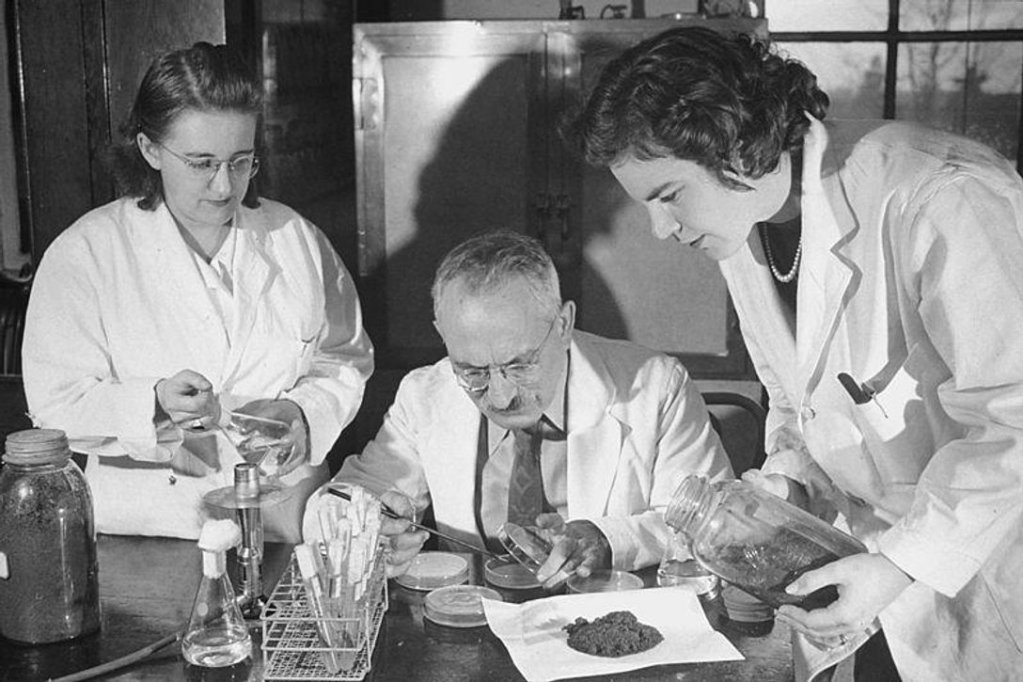
Waxman concluded that fungi and actinomycetes could be an effective source of antibacterial agents. He repeatedly drew attention to the fact that tuberculosis pathogens disappear in the soil and suggested that they are affected by antagonist microbes. This observation became the basis for further research.
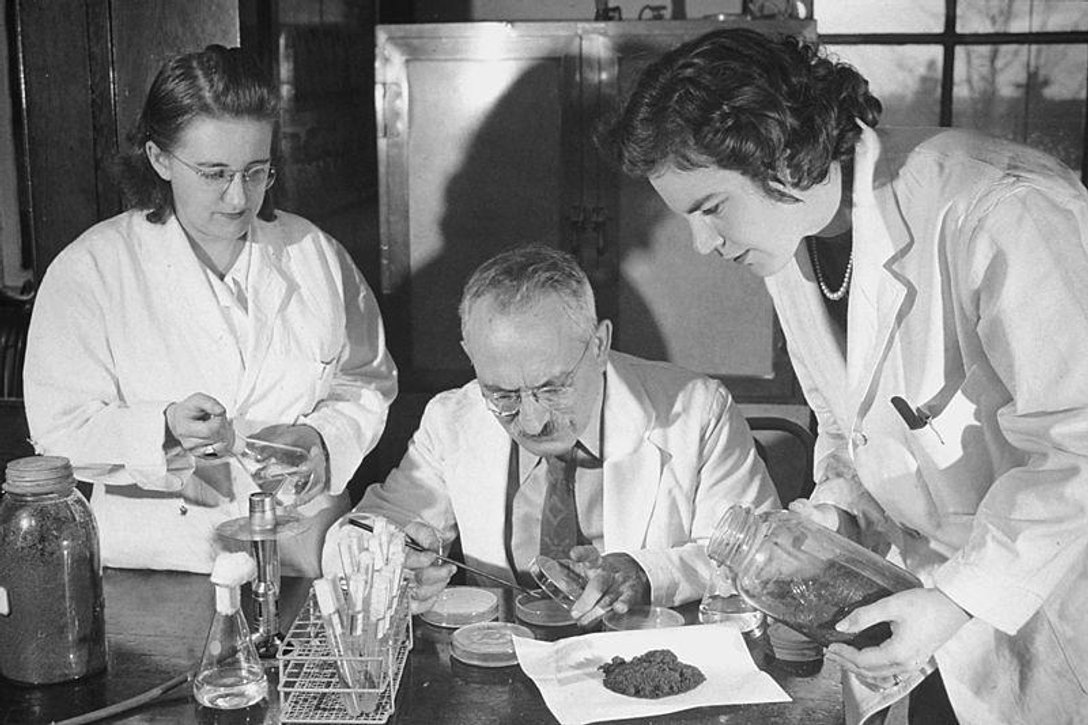
In 1932, the American National Association for the Control of Tuberculosis asked Waxman to study the process of the destruction of the tubercle bacillus in the soil. For research, he created a special scientific group, which included students, assistants and researchers. The group developed a plan to search for microbes capable of destroying pathogenic bacteria.
Funding for the project was obtained after applying to the Commonwealth of Nations Fund. During 1940, researchers studied about 10 thousand soil microorganisms in search of antibiotics that could be safe for humans.
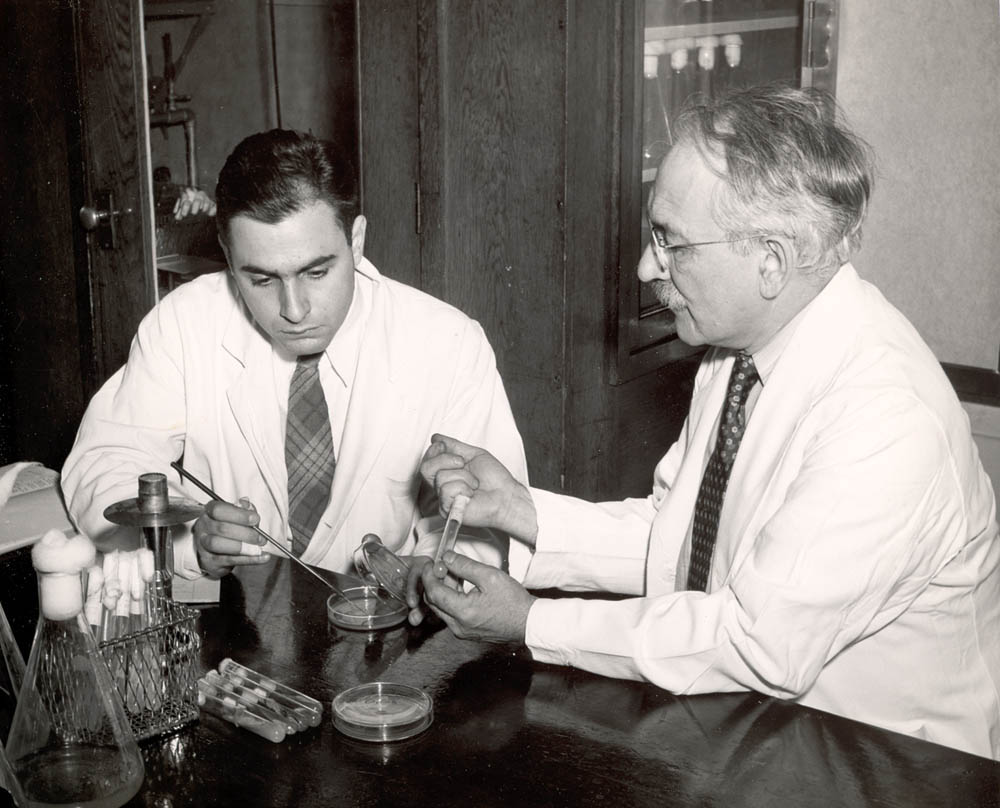
In 1940, scientists isolated actinomycin, but it turned out to be too toxic. Two years later, streptothricin was obtained. Finally, in 1943, researchers isolated streptomycin from the Streptomyces griseus strain. The first tests confirmed its effectiveness against tuberculosis bacteria.
Clinical trials of streptomycin were held at the Mayo Clinic. The first successful use of the drug in humans took place on May 12, 1945. Since 1946, streptomycin has been widely used in the world. It became the first effective remedy against tuberculosis, and also acted on other bacteria resistant to sulfonamides and penicillin.

After the discovery of streptomycin, Waksman and his team continued their research and isolated other antibiotics: clavacin, grisein, neomycin, frasidine, candididine, and candidin. In total, Waksman's group discovered more than 70 natural substances with antibacterial activity.
Patent fees from the production of antibiotics allowed Waksman to found the Institute of Microbiology and create a charitable foundation. His methods attracted the attention of researchers in many countries of the world and became the basis for the creation of new anti-tuberculosis drugs.
For his work, Waksman received numerous international awards. He was elected a member of the US National Academy of Sciences and the French Academy of Sciences. He became an honorary doctor of universities in Europe and the USA, as well as a member of many scientific societies.
Among the scientist's awards are the French Commander of the Legion of Honor, the Japanese Order of the Rising Sun, the Grand Cross of Health of Spain, the Lasker Prize and other international awards. In 1950, in Italy he was presented with a bronze equestrian statuette with the inscription: "To Zelman Waksman - Benefactor of Humanity".
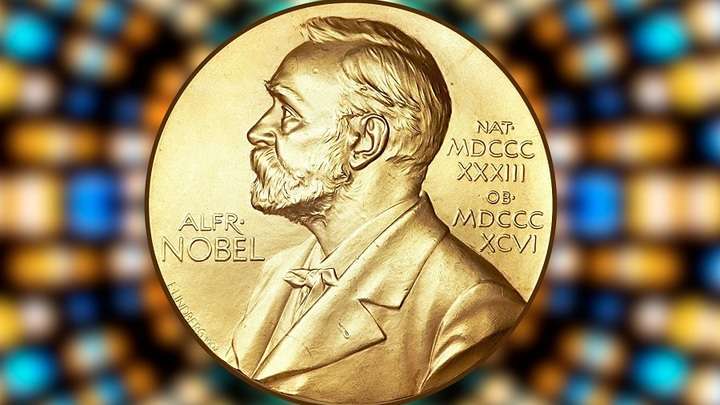
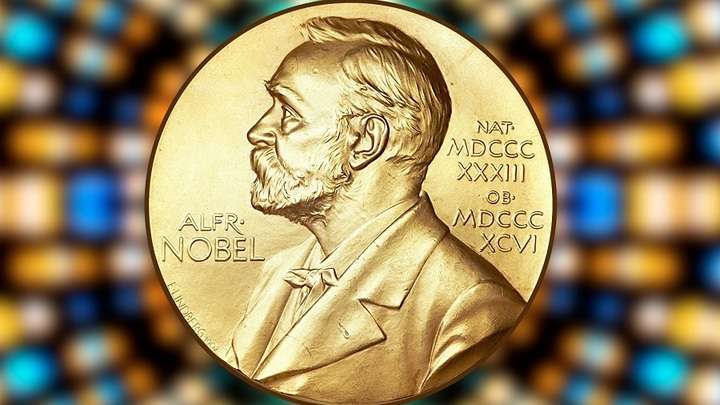
In 1952, Selman Waksman received the Nobel Prize in Physiology or Medicine “for his discovery of streptomycin, the first antibiotic effective in the treatment of tuberculosis.” When presenting the prize, the Nobel Committee noted that the discovery of streptomycin was the result of “the long, systematic, and tireless work of a large group of scientists.”
Photo: 5.ua, .t-invariant.org, comments.ua, focus.ua

Author: Danylo Pievchev