


According According there are over 6 million Ukrainians worldwide who have left their homes due to the Russia-Ukraine war. In April 2022, the United States was prepared to accept 100,000 Ukrainian citizens and other individuals fleeing Russian aggression. Since February 2022, hundreds of thousands of Ukrainians have entered the United States, including through the "Uniting for Ukraine" program.
Although Ukrainians in the United States are safe, they require mental health support. This includes overcoming refugee syndrome, characterized by anxiety, guilt, and difficulties adapting to a new reality, similar to what peacetime immigrants experience.
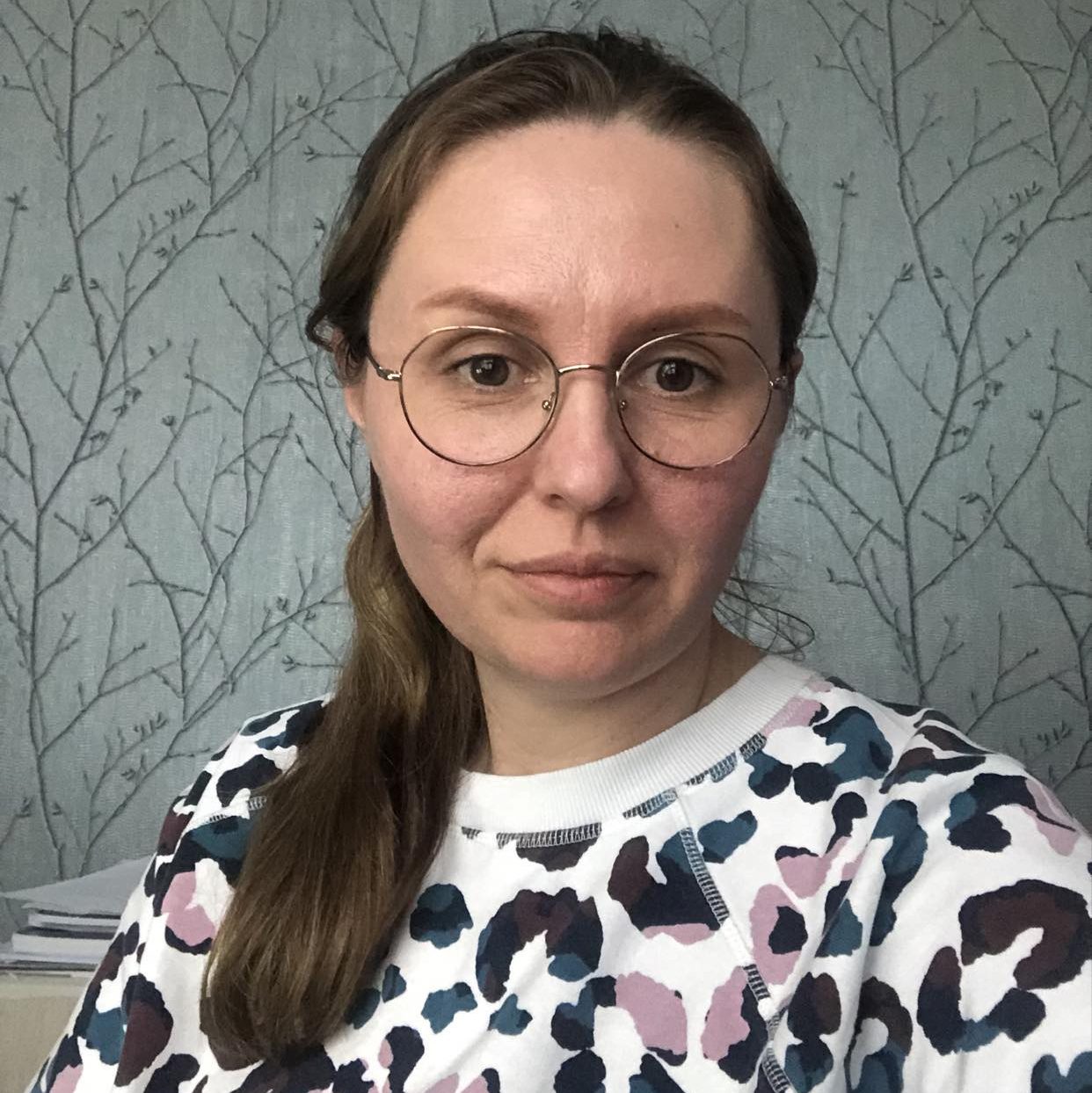
Body-oriented psychotherapist Kateryna Leshchenko left Ukraine for the United Kingdom in March 2022, spending several months in Europe waiting for a British visa. During this time, she worked with Ukrainians who were also leaving the country. Currently, she works with about 30 people building new lives in the U.S., Australia, the Netherlands, the U.K., Poland, Spain, and Germany. She shared her observations on working with Ukrainian refugees with Vilni.media. Here is her direct speech.
The symptoms of refugee syndrome can be conditionally divided into two components. The first is physical symptoms, what a person feels in their body: headaches, loss of regular biological rhythm, muscle tension, sleep disorders, digestive issues, etc. The second component is emotional symptoms: frustration and depression. Depression is the most complex manifestation of this syndrome and is unnoticeable in the early stages of its development.
Loss of connection with reality
Refugee syndrome is a complex set of symptoms, including hopelessness, anxiety, irritability, and depression. These symptoms appear in a person who has left their country due to military actions or disasters. Such a person finds themselves in completely new, unknown, and unfamiliar stressful circumstances.
If a person does not receive proper psychological help within the first three to six months after moving to a foreign country, the stress they experience turns into post-traumatic stress disorder. As a result, the person begins to situationally return to the traumatic situation in reality. They cannot control their emotions and physical reactions. For example, they may experience panic attacks or may not allow themselves to live fully because they left their home country. The person may begin to lose touch with reality, living as if between two worlds: their past in Ukraine and their new reality in another country. To prevent such symptoms, it is better not to delay seeking help from a psychologist.
A package of social and financial support provided by all host countries, including the U.S., can significantly help stop the worsening of refugee syndrome. The more financially secure a person feels, the easier it is for their psyche to adapt to new conditions. It is also important to check if the insurance package provided by the host country includes a psychologist who speaks the person's native language. If so, it is essential to take advantage of this service.

Two years living abroad – new requests
According to my clients, people who managed to leave and settle in English-speaking countries were able to integrate to some extent into their new societies. Basic knowledge of English was crucial for their integration, as it prompted people to move to English-speaking countries. Societies in the U.S., Australia, and the U.K. were more open to refugees from Ukraine and were not as saturated with people as in Europe. EU countries were overwhelmed by the wave of Ukrainian refugees, their problems, economic burden, and social work that followed our people fleeing the war. Moreover, not all European countries speak English, making language the most significant factor in changing people's lives.
Clients asked questions like, "How do I keep my footing when I realize my professional value in Ukraine is not valued in another country?" Many people had a high level of self-respect and social status before their forced relocation. They had their own results, achievements, and material base. And now everything changes. A person remains with their experience, which may not be needed in the country they arrived in. But this does not mean they have completely lost themselves. Now people come with the question, "What to do next?" Because they have integrated into the country where they are. They are afraid to return to Ukraine. The safety, environment, and resources they have abroad allowed them to exhale and recover emotionally. When a person asks themselves, "Would I like to return?" The answer is that returning to Ukraine could undermine the security and opportunities available abroad, which is a new stress. The second category of requests sounds like, "Can I adapt my life again?" Life in Ukraine is already destroyed, and you have to start over. This scares people and makes them delay their return home.
Stresses of life in Ukraine and abroad
I have clients living in southern Ukraine, and their emotional state is more stressful than those living in Kyiv or the central part of the country. Their requests are mainly about how to keep themselves resourceful, move forward, and grow professionally. For people living in central regions, there is a greater sense of security. The requests are the same, but there is less tension. Those living abroad ask how to maintain their families. Some women feel it is better to end their relationships. They have been married for 10-15 years but cannot cope psychologically due to distance and different living conditions.
Continuing to live a new life
About 80% of my clients are women, so men remain in Ukraine. No matter how resourceful a woman is, there is always anxiety for a loved one. This affects their lives. Most of my clients' functional responsibilities involve motherhood. They have integrated their children. If we talk about whether they feel completely safe in the U.S. or Europe and whether they feel capable of living their lives – no. The first year of the Russian invasion, my clients who went abroad experienced complete frustration. But now women remember the experience of caring for themselves, relying on it. Only after two years of living in another country do they allow themselves to feel that they need to continue living and feel alive, not only for their children. I always try to convey to all clients that self-care is very important.
A significant percentage of divorces occur among women living in the U.S. because they cannot visit their husbands. It's one thing to maintain relationships over the phone, but over time, people feel the distance. Without physical contact, it is very difficult. Another obstacle is the time zone difference. Initially, people tried to maintain contact with each other, but now couples across the ocean do not feel that contact, that closeness. Plus, the stability that women who left have, and the instability of men in Ukraine – associated with mobilization or military service – also affects relationships. Women who have set up life processes here selectively share information with their husbands. Men are in stressful conditions, and women feel a certain shame. Women living in Europe can go to Ukraine and be with their relatives. People living in America cannot afford this, not only financially; the program does not allow them.
The most valuable advice in such a situation is to continue living, even if it is a completely new life. There is no point in fighting what cannot be controlled and what cannot be influenced. The golden resource available to a person is physical and emotional capabilities. It is always important to talk about your need for support. Even if close people cannot provide full support because they are also in a stressful situation, there are still people and specialists around who can be supportive. You just need to allow yourself to receive it.
Snizhana Husarevych