


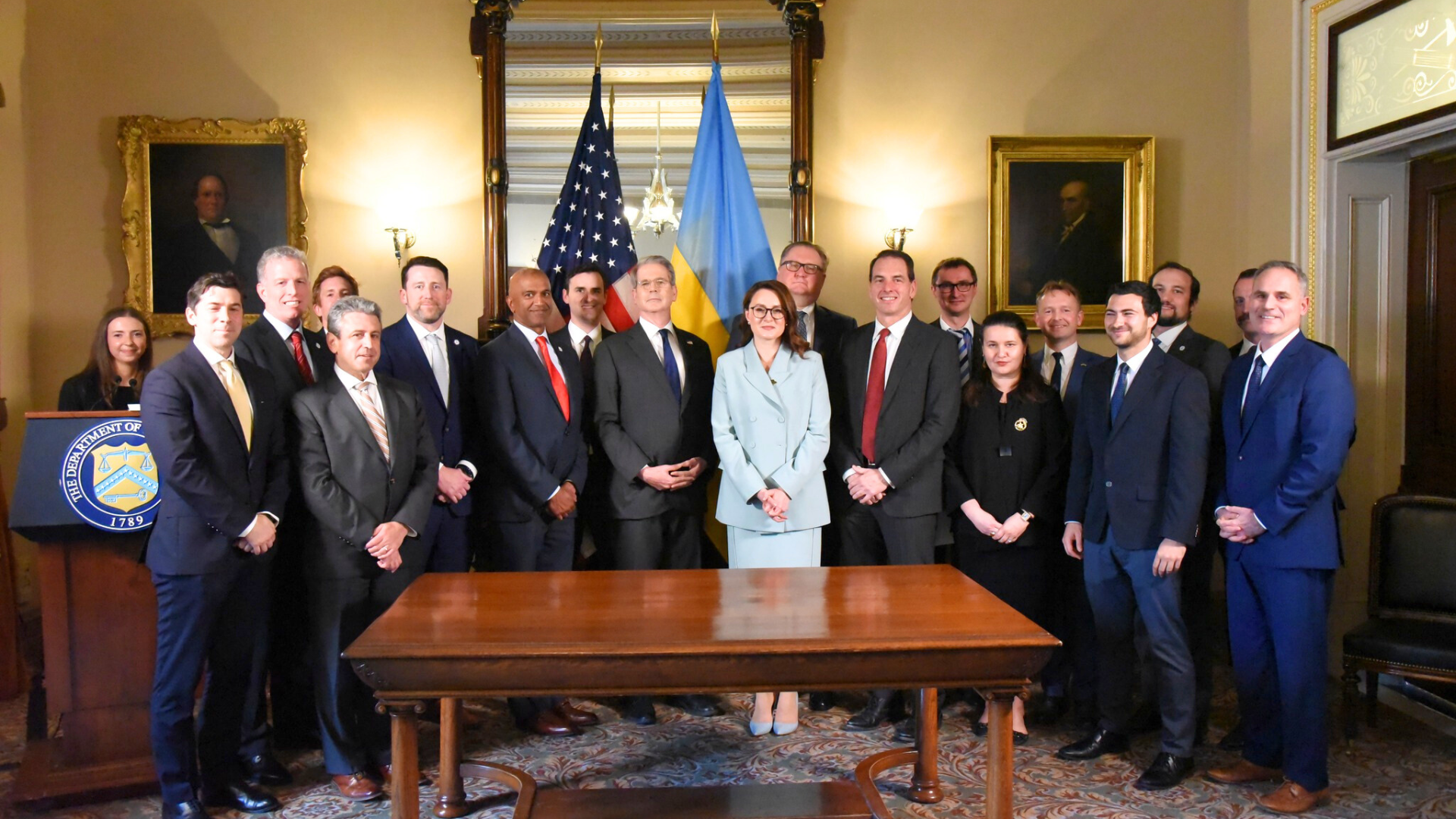
Ukraine’s Vice Prime Minister Yuliia Svyrydenko and U.S. Secretary of the Treasury Scott Bessent signed a framework agreement in Washington to establish the “U.S.–Ukraine Investment Fund,” aimed at financing the country’s post-war reconstruction and granting American investors access to new projects in the mining and energy sectors.
“This agreement sends a clear message to Russia that the Trump administration is committed to a peace process centered on a free, sovereign, and prosperous Ukraine,” stated Scott Bessent during the signing ceremony, emphasizing that no state or individual who supported the Russian war machine will benefit from the reconstruction of Ukraine. The document outlines a number of key provisions, including:
- The fund will be governed under a 50/50 structure; neither party will have unilateral decision-making power.
- Funding will come from 50% of revenues generated from new licenses for the extraction of critical minerals, oil, and gas; existing projects are not included.
- Ukraine retains ownership over its subsoil resources, infrastructure, and state-owned companies, including Ukrnafta and Energoatom.
- For the first ten years, the fund’s income will be exclusively reinvested into reconstruction and modernization projects.
- The U.S. International Development Finance Corporation (DFC) will help attract American technology and capital to selected initiatives.
“Thanks to this agreement, we will be able to attract substantial resources for reconstruction, kickstart economic growth, and gain access to cutting-edge U.S. technologies,” explained Yuliia Svyrydenko, adding that the initial profits will not be distributed between the governments but reinvested in Ukraine.
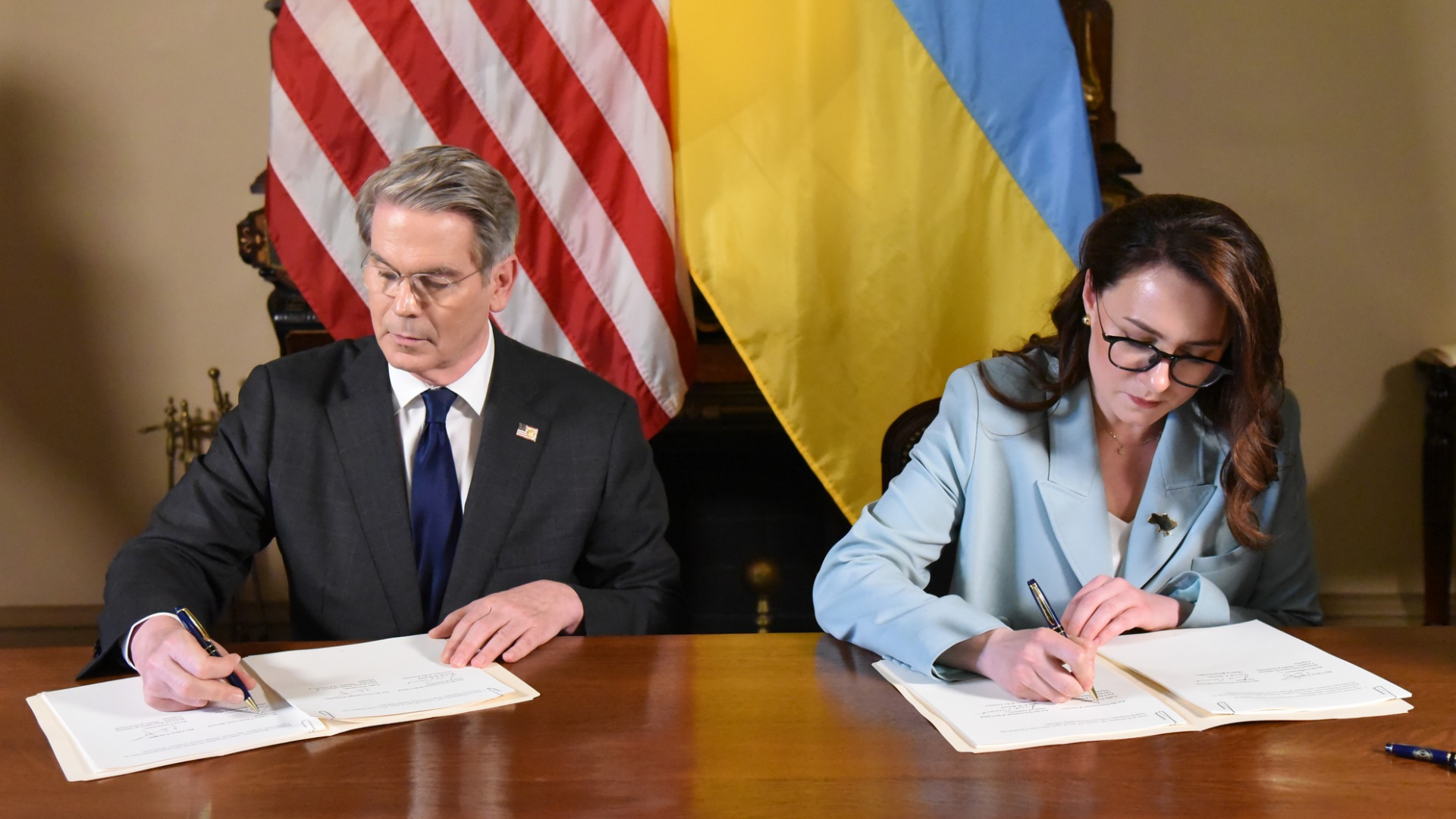
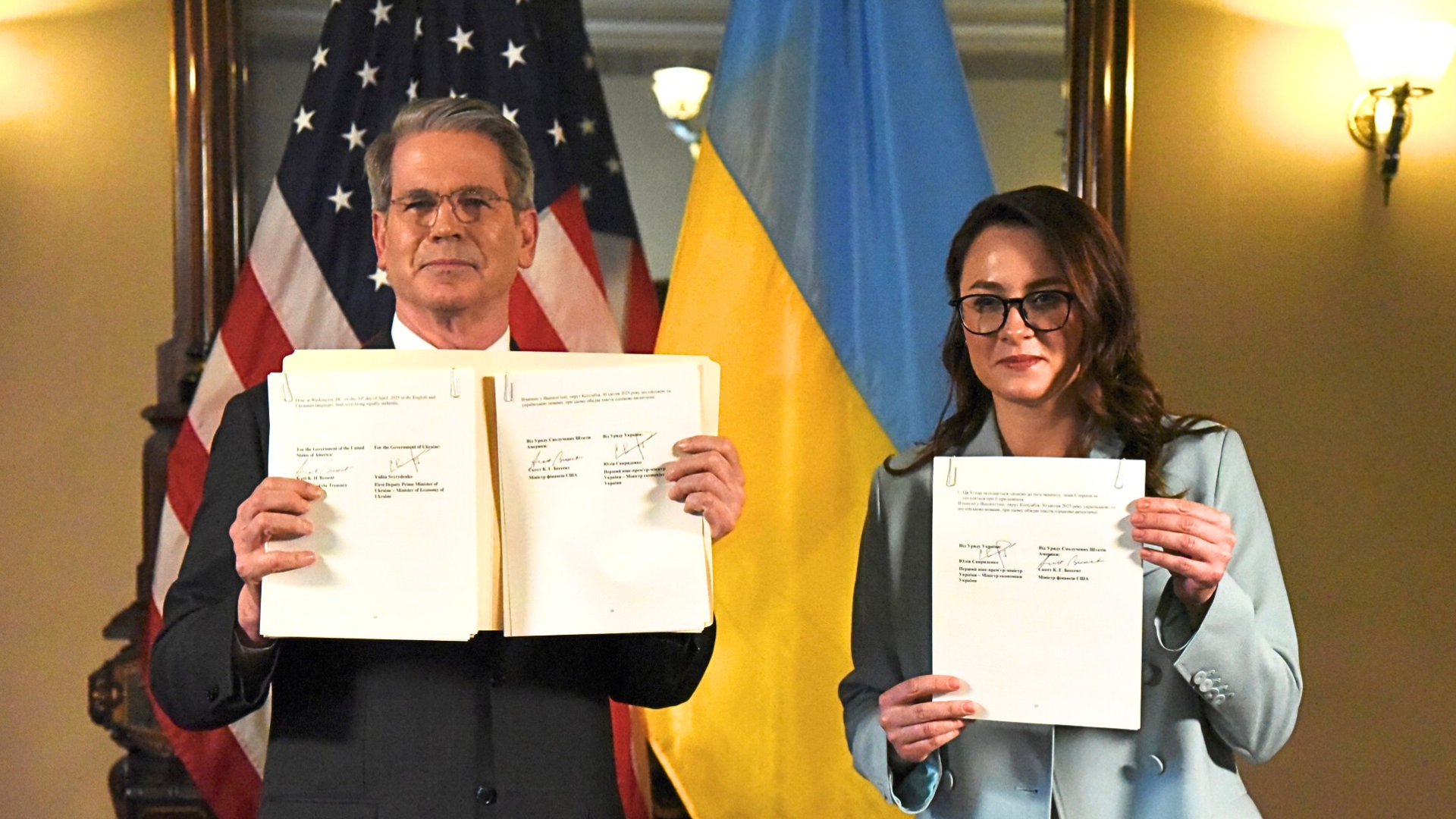
President Volodymyr Zelensky had previously discussed the idea of “shared interest” in Ukrainian mineral resources with Donald Trump, including during a meeting at Trump Tower in September of last year. A planned signing in February fell through after Trump and Vice President J.D. Vance publicly accused Zelensky of “ingratitude,” after which Washington temporarily paused military assistance to Kyiv. Negotiations resumed in the spring: a memorandum of intent was signed on April 16, and the framework agreement was finalized on April 30.
Ukraine possesses deposits of more than 20 critical minerals, which consulting firms estimate to be worth several trillion dollars. However, the state currently receives only about $1 billion annually from royalties. Supporters of the agreement believe that U.S. material interest will strengthen Washington’s political motivation to assist Ukraine even after active hostilities subside. “They got a much better minerals deal than what was originally on the table,” noted former U.S. Ambassador to Ukraine William B. Taylor, calling it “a good sign for ceasefire negotiations.”
However, critics point to the lack of explicit security guarantees in the agreement and warn of the risk of economic dependency. Former U.S. officials confirm that Kyiv’s attempts to tie the deal to continued military assistance were rejected.
The agreement must now be ratified by Ukraine’s Parliament (Verkhovna Rada), and the Ministry of Economy will prepare targeted amendments to the Budget Code. President Zelensky emphasized that the signing is only a “bridge” to “more substantial” security agreements: “We see this agreement as a step toward robust guarantees, and I sincerely hope it will function effectively,” he wrote on X in March.
The new fund sets a precedent by directly linking access to strategic resources with reconstruction efforts and long-term political commitments. Whether it becomes a foundation for peace or entrenches asymmetric dependence on Washington will depend on how quickly the parties agree on a security package — and whether large-scale investment projects can move forward amid the ongoing conflict.