


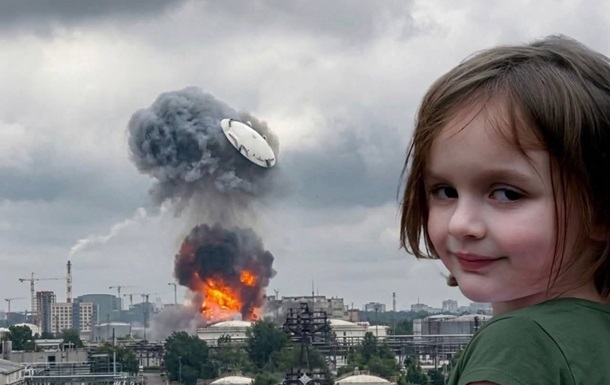
Ukraine continues to move the war deep into Russia's rear, carrying out large-scale strikes on Moscow and on logistics routes to occupied Crimea. The attacks have resulted in fuel shortages, problems for the tourist season on the peninsula and damage to important facilities in the Russian capital. At the same time, the US is increasingly actively discussing Washington's future role in European security, and analysts warn of growing economic problems for Russia.
Ukraine launches one of the largest drone strikes on Moscow since the start of the war
Ukraine has launched a massive drone attack on Moscow and surrounding areas, which could be the largest such strike on the Russian capital since the start of the full-scale war. According to US Mediareports, the attack came after several weeks of intensive Russian strikes on Kyiv and other Ukrainian cities. The raid damaged buildings and sparked a new fire at the Kapotny oil refinery, which supplies much of Moscow's gasoline and diesel fuel needs. Russian authorities have reported hundreds of drones downed and all four Moscow airports temporarily closed.
President Volodymyr Zelensky said the attack was in response to a Russian strike on the Kiev-Pechersk Lavra. He said even Moscow's multi-layered air defense system does not guarantee complete protection from Ukrainian strikes. In a number of settlements in the Moscow region, residents reported the appearance of so-called “black oil rain” after fires at oil refineries, although Russian authorities deny such reports. Large-scale explosions and smoke over the capital region were widely shared on social networks, despite limited coverage of the events by state-run Russian media.
Unique shrines were saved during the fire in the Assumption Cathedral of the Kyiv-Pechersk Lavra
After a Russian drone strike on the Assumption Cathedral of the Kyiv-Pechersk Lavra, clergy, rescuers and law enforcement officers fought for several hours to save historical relics and church values. The fire engulfed the roof of the main church of one of the most important Orthodox centers of Ukraine. Bishop Avraamiy, together with rescuers, organized the evacuation of relics, icons, ancient church objects and exhibition exhibits. The work continued during the air raids and new attacks by Russian drones on Kyiv.
Particular attention was paid to saving the reliquary of St. Stephen, ancient icons and other monuments, some of which survived the Second World War. Rescuers worked in conditions of heavy smoke and high temperatures, and some firefighters were forced to lie down directly on the roof during new explosions near the monastery complex. Thanks to their actions, it was possible to localize the fire before it spread to the main wooden structures of the building. After the fire was extinguished, President Volodymyr Zelensky promised to allocate funds for the restoration of the damaged shrine.
Western analysts warn of growing risks to the Russian economy
The Russian economy is increasingly facing the consequences of the protracted war against Ukraine and significant military spending. As Western experts note Russia's budget deficit has already exceeded the planned figures for the whole year, and financing of state spending is increasingly dependent on the domestic banking system. At the same time, problems in the corporate sector are growing, the number of risky debt obligations is increasing, and the burden on financial institutions is increasing. Analysts also draw attention to difficulties in the automotive, metallurgical, coal and construction industries.
Economic pressure is being exacerbated by sanctions and restrictions on access to international financial markets. At the same time, the Kremlin continues to maintain high military spending, reducing resources for other areas of the economy and social programs. Some experts believe that increased sanctions pressure on the Russian energy sector and mechanisms for circumventing sanctions may further complicate the financial situation in the country. In their opinion, maintaining current trends may put the Russian leadership before a choice between further economic exhaustion and finding ways to negotiate a negotiated settlement to the war.
Ukrainian strikes on logistics have created a fuel crisis in occupied Crimea
Ukraine continues a campaign of strikes on transport routes and supply facilities that provide support to Russian groups in occupied Crimea. According to Western media, Ukrainian drones regularly attack fuel tankers, trucks, railway routes and bridges connecting the peninsula with the captured territories of southern Ukraine. As a result, fuel supply disruptions have occurred on the peninsula, and long queues have begun to form at gas stations. Local authorities have been forced to impose restrictions on the sale of gasoline and diesel fuel.
The problems have affected not only military logistics, but also the civilian population and the tourism industry. On social networks, Crimean residents have reported hours-long waits at gas stations, difficulties with movement and panic buying of certain goods. Some representatives of the tourism business have even recommended postponing trips to the peninsula due to the unstable situation. The Ukrainian military calls these actions part of a “logistical blockade” strategy aimed at limiting Russia’s ability to supply its forces in the southern direction.
Hegseth announced a review of the US military presence in Europe
U.S. Secretary of Defense Pete Hegseth said he intends to conduct a major review of the location of American troops and military bases in Europe. Speaking at a meeting of NATO defense ministers, he criticized some allies for insufficient support for American operations and their unwillingness to provide the necessary infrastructure to carry out military tasks. According to Hegseth, some Alliance partners are not fulfilling their obligations and continue to rely on US military resources. He also stated that the era of “free use” of American security guarantees must end.
The minister announced the start of a six-month analysis of the US military presence on the continent, which was unofficially called “NATO Review 3.0”. According to him, the further level of American contributions to the collective security system will depend on how actively the allies increase their own defense spending. Washington also plans to evaluate the effectiveness of the current location of military bases and rapid reaction forces. Hegseth's statements became another signal of the Donald Trump administration's desire to change the balance of responsibility within NATO.
The political review is based on a personal special issue of VM resident Orest Deychakivsky.
Photo: social media
Author: Danylo Pievchev