


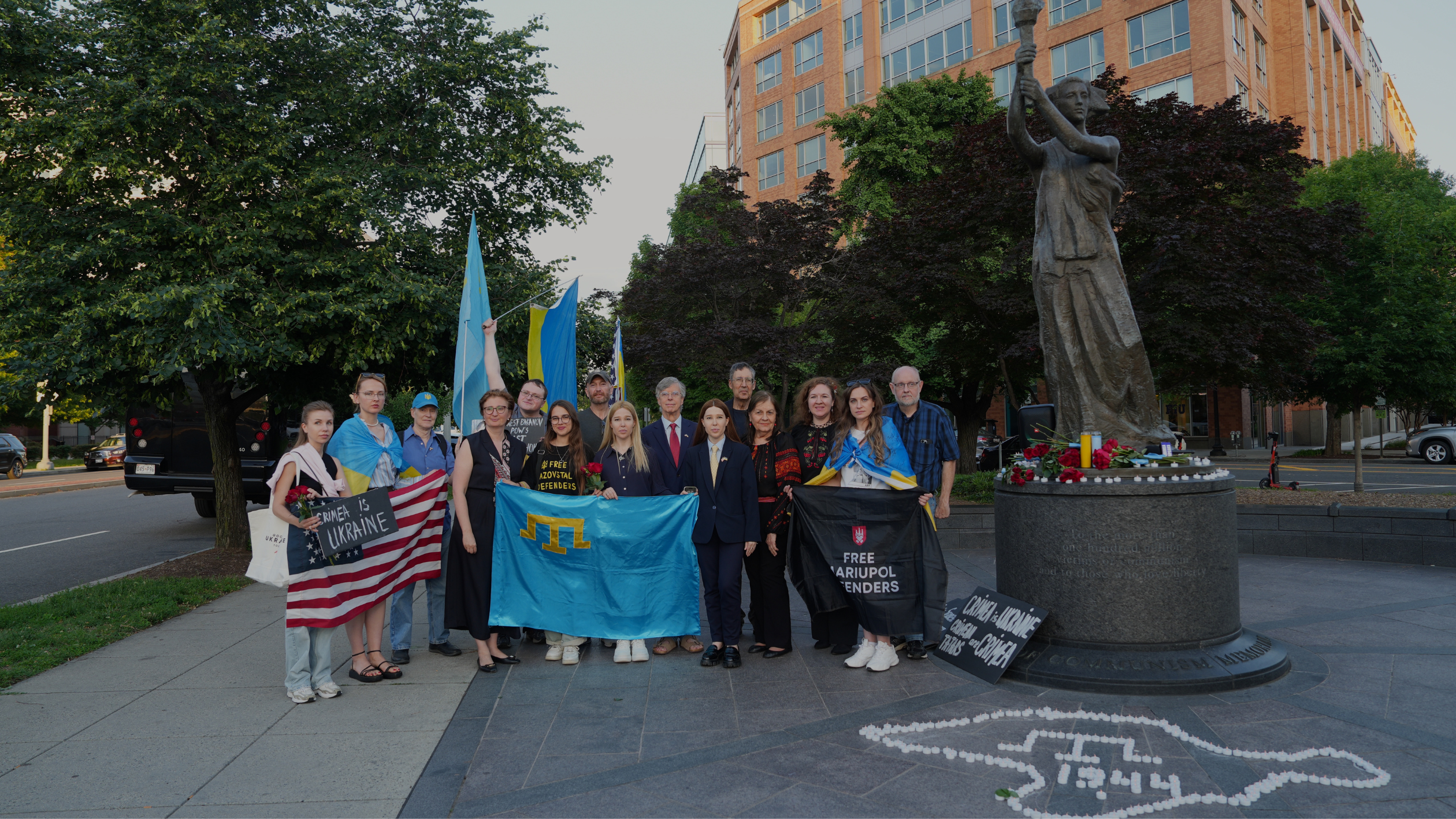
A solemn ceremony was held at the Victims of Communism Memorial to mark the 81st anniversary of the deportation of the Crimean Tatar people. The event was unprecedented in terms of representation. Former U.S. ambassadors to Ukraine, high-ranking diplomats, Ukrainian and Crimean Tatar diaspora representatives, and American public figures honored the victims of the 1944 genocide and showed solidarity with those still being repressed in occupied Crimea.
This was reported to Vilni Media by the press service of the Crimean Tatar Foundation USA.
The event reportedly began with a flower-laying ceremony and candle lighting. It honored the memory of the 423,100 victims of the 1944 deportation and drew attention to the modern repression that has occurred since Russia occupied the peninsula in 2014. The anthems of Ukraine, the United States, and the Crimean Tatar people were performed.
Former U.S. Ambassadors to Ukraine, John Herbst (currently Director of the Atlantic Council’s Eurasia Center) and William Taylor, expressed their support and emphasized the importance of remembering the crimes committed against the Crimean Tatars, stressing that Russian aggression continues to this day. Notably, their presence at the event underscored the consistency of U.S. support for the Crimean Tatar people across different administrations.
"Stalin's treatment of the Crimean Tatar people was a great crime, which leading institutions and individuals recognize as genocide. But this crime continued even after Stalin's death in the 1950s. Crimean Tatars were only allowed to return to their homeland in 1989, during the final years of the Soviet Union," said former U.S. Ambassador to Ukraine John Herbst. He outlined the historical continuity of Russian repression in Crimea from the 18th century to the present.
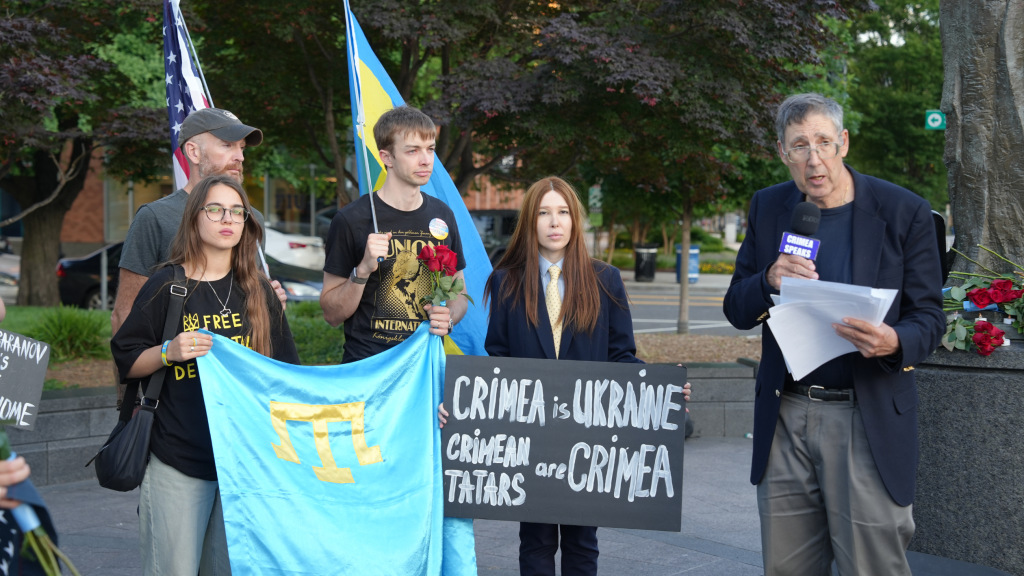
In an act of solidarity with those currently suffering for truth and freedom, a letter of support was read to Remzi Bekirov, a Crimean Tatar journalist imprisoned for his work in Crimea. Bekirov has shown courage in the face of Russian repression.
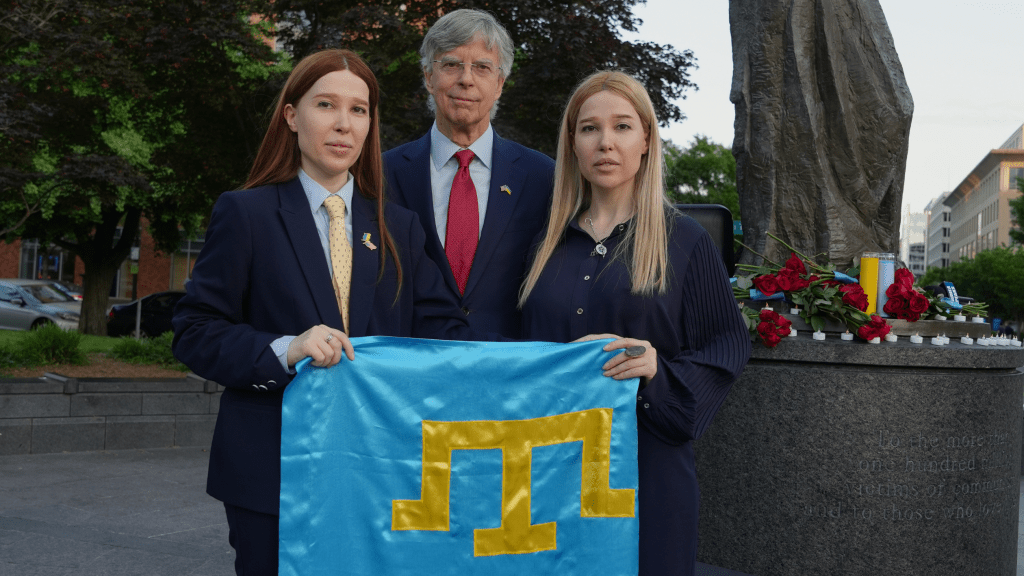
Then, Kateryna Smagliy, the political and public diplomacy counselor at the Embassy of Ukraine in the United States, read the poetry of the repressed Crimean Tatar poet Ablyaziz Veliev in her own English and Ukrainian translations as a poetic reminder of cultural survival despite attempts at destruction.
Activists recalled the massive repression, loss, and displacement of Crimean Tatars over the centuries. There were also calls for international recognition of the ongoing cultural and ethnic genocide.
“We must continue to raise awareness of this genocide—both cultural and ethnic—in the United States and around the world. It is difficult to comprehend that a people fighting for their very existence in occupied Crimea continue to face the systematic erasure of their identity, rights, and in some cases—even their lives,” said Kenneth Johalskin, an American cultural anthropologist specializing in the history of the Crimean Tatars.
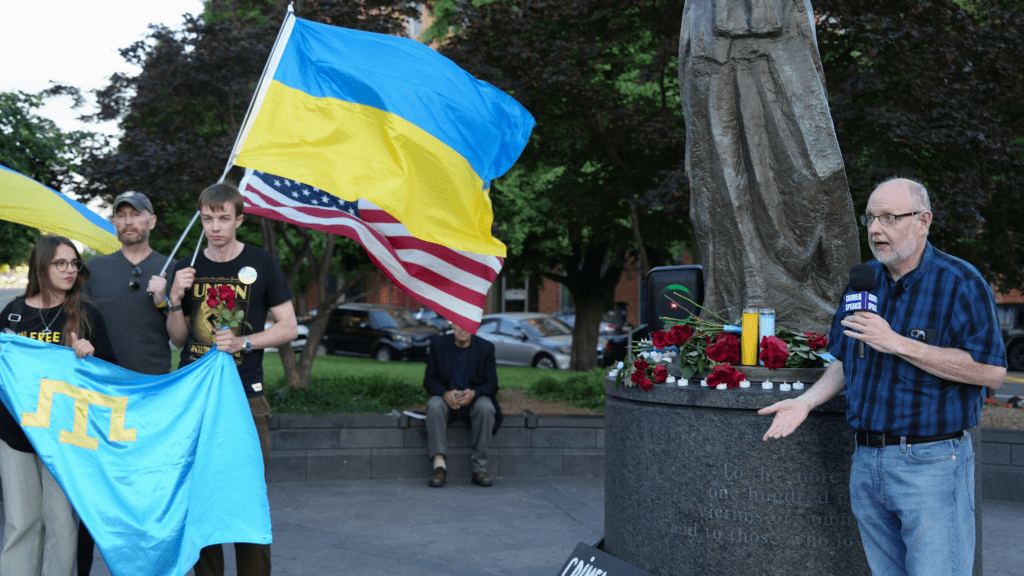
Zera Mustafaieva, president of the Crimean Tatar Foundation of the United States, presented the historical context of the crimes committed against the Crimean Tatars, from the annexation of the Crimean Khanate in 1783 to the 1944 deportation and the ongoing persecution in the twenty-first century.
“…the greatest crime was the genocide of May 18, 1944—when 423,100 Crimean Tatars were deported, 46.2% of whom died within the first 18 months of the repressions… Our people were not merely expelled from their ancestral land. They were subjected to systematic repression: mass deaths, loss of property, deprivation of civil rights and statehood, and a regime of terror in special settlement zones. Their culture, traditions, language, and religion were banned. Their nationality was erased from the Soviet registry of peoples,” stated Zera Mustafaieva, President of the Crimean Tatar Foundation.

Zarema Mustafaieva, Vice President of the Foundation, added particular weight to the ceremony with her remarks. She warned against recognizing Russian sovereignty over Crimea, calling it unacceptable for six key reasons—including violations of international law, infringement on Ukraine’s territorial integrity, and disregard for the rights of Crimea’s indigenous people.
“Don’t be deceived. Russia will not be satisfied with Crimea alone,” emphasized Foundation Vice President Zarema Mustafaieva emphasized, calling for the complete de-occupation of the peninsula as the only guarantee of peace and justice.
Roksolana Vinyar, a human rights activist of the Crimean Tatar community, highlighted the significant contributions of the Crimean Tatars to the history of independent Ukraine.
"The Crimean Tatars played a key role in keeping Crimea part of Ukraine by voting for independence in the 1991 referendum. Their support then effectively stopped Russian separatist movements," Vinyar noted.
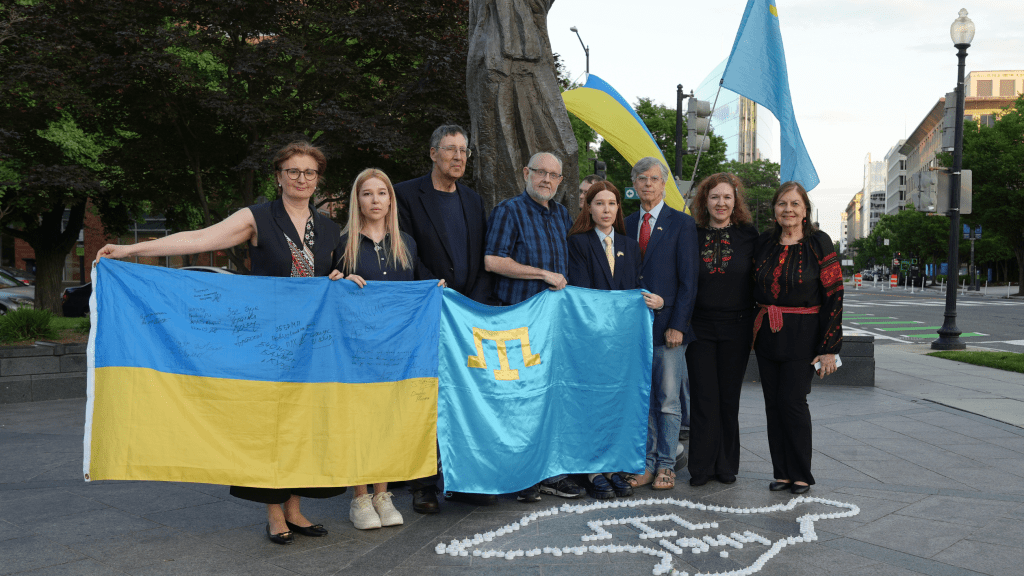
Former Ambassador Herbst, in turn, linked this history to contemporary politics.
When then-President Yanukovych fled to Russia, the leader of the Crimean Tatar national movement, Mustafa Dzhemilev, whom I have met several times—a great hero—made it clear that his people stand with the authorities in Kyiv. And by the way, before Putin began the occupation of Crimea in 2014, he approached Dzhemilev, seeking some form of support, which he did not receive,” added Herbst.
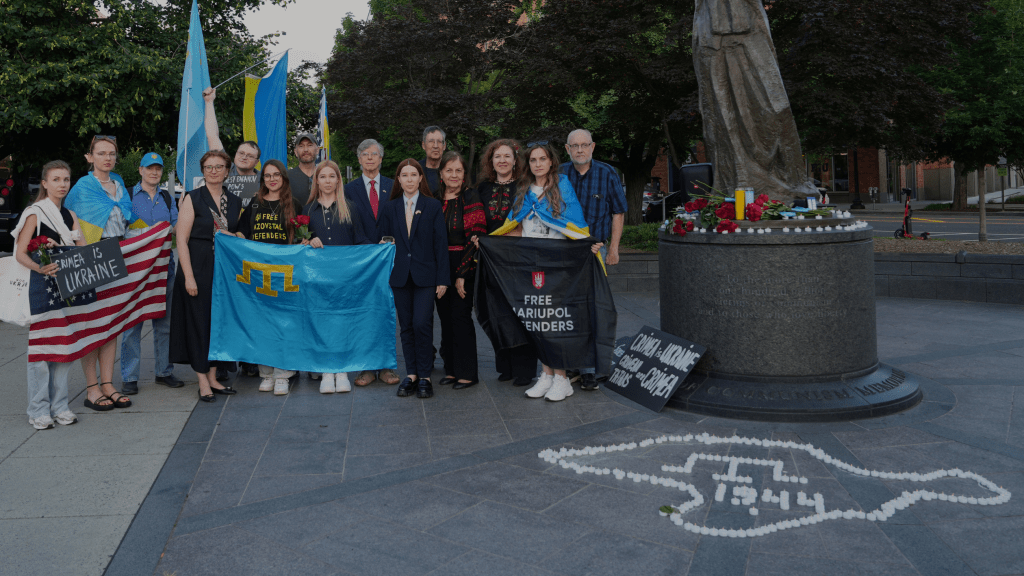
The organizers emphasized that the history of the Crimean Tatars is one of resistance and that the United States must firmly support the people who continue to fight for their future on their native land despite all the tragedies they have endured.
Photo courtesy of the Crimean Tatar Foundation of the USA
Author: Inna Mikhno
Additional Historical Sources for Reference:
1 SOVIET GENOCIDE IN THE UKRAINE