


 Amid a new wave of Russian attacks, the United States emphasizes that support for Ukraine remains a top priority, NATO prepares to increase defense spending, and global leaders are set to meet in The Hague to make long-term decisions on aid to Kyiv.
U.S. Reaffirms Priority Support for Ukraine
The administration of U.S. President Donald Trump has confirmedthat the White House remains committed to the policy of “peace through strength,” while also being open to diplomatic resolution — particularly regarding Russia’s war against Ukraine.
Despite growing tensions in the Middle East, the U.S. maintains its strategic focus on the war in Ukraine, as Russia continues to pose a significant threat to American national security. This position was reaffirmed by former U.S. Ambassador to Ukraine William Taylor.
“Russia is a threat to European security and therefore to the United States. We cannot afford to look away,” Taylor stated.
NATO Pushes for 5% of GDP in Defense Spending
NATO Secretary General Mark Rutte is urging member states to raise their defense and security expenditures to 5% of GDP by 2032 — 3.5% for conventional forces and 1.5% for complementary needs such as cybersecurity, infrastructure, and production.
Norway, which shares a border with Russia, supports the initiative and plans to raise its defense budget from the current ~2.2% (2024) to 3.3% in 2025, eventually reaching 5% without relying on debt. Poland is already allocating around 4.7% of its GDP to defense. Meanwhile, other nations (like Spain) remain hesitant.
This increase is being justified by Russia’s growing military budget — over 7% of its GDP — and the need for NATO to modernize at a “pace of fear.”
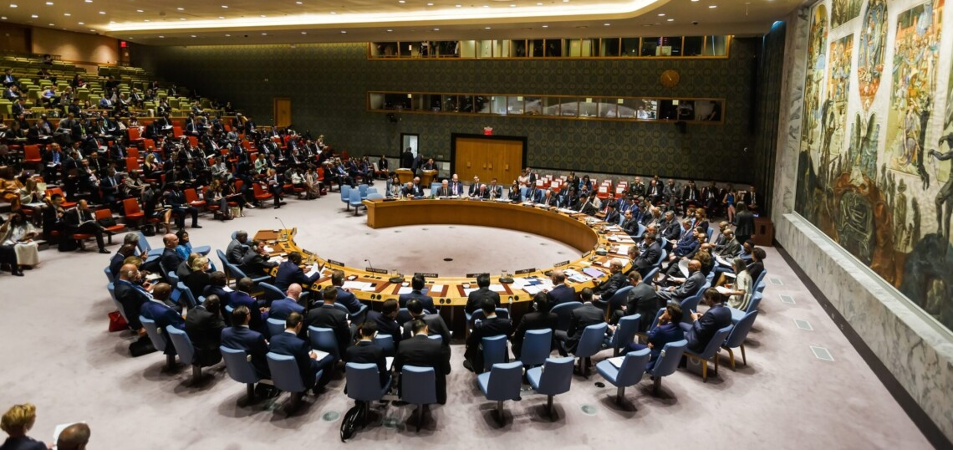
UN Security Council to Hold Emergency Meeting After Massive Strikes on Ukraine
The UN Security Council is convening an emergency session following another wave of massive Russian missile and drone attacks on Ukrainian cities, which resulted in numerous civilian casualties.
Ukraine is calling on the international community to take a firm stance on Russia’s escalating aggression, noting that it has been over 100 days since Kyiv accepted a U.S.-proposed ceasefire — one that Moscow continues to ignore while escalating its attacks.
Ukraine’s Permanent Representative to the UN, Andriy Melnyk, emphasized that the Security Council cannot remain silent in the face of the largest act of armed aggression in Europe since WWII. The Ukrainian delegation plans to present a report on the recent strikes on Kyiv, Kharkiv, Dnipro, Odesa, Lviv, and other cities.
Putin on "One People" and Sumy
Speaking at the St. Petersburg International Economic Forum, Vladimir Putin saidthat “the entire Ukrainian people are ours” and suggested that Russia may seek to occupy the city of Sumy to create a “buffer zone” in the border regions. He once again promoted the myth of a single nation and said he is “open to negotiations” only at the final stage of the war.
Meanwhile, the Kremlin announced plans to schedule a third round of negotiations with Ukraine next week, following a series of prisoner exchanges agreed upon earlier.
 Intensified Attacks on Odesa and Kharkiv
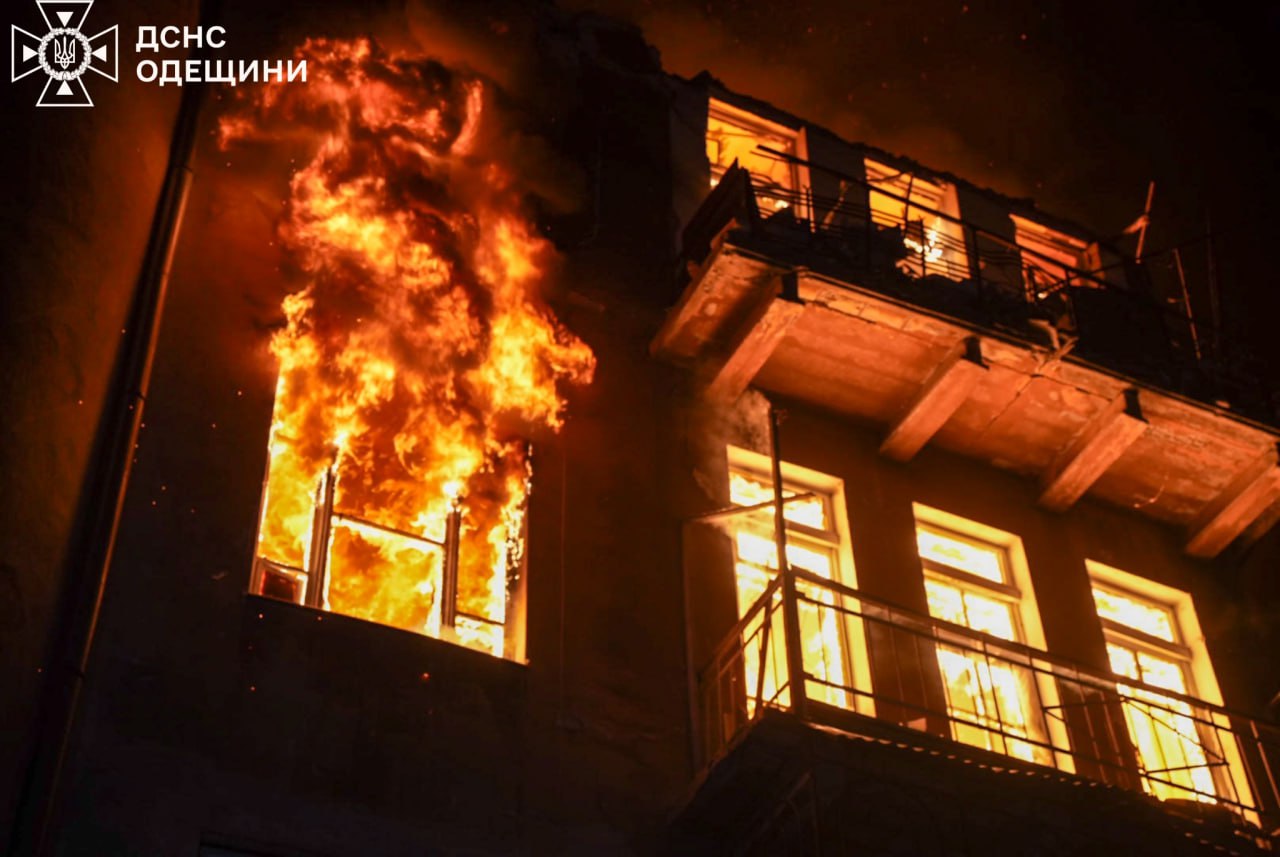
While diplomacy remains elusive, the military strikes continue. Russia launched drones on Odesa and Kharkiv, causing casualties and destruction and prompting fresh calls from President Zelensky for stronger U.S. and EU sanctions.
On the night of June 20, more than 20 strikes were recorded, injuring at least 20 people — including two children (ages 12 and 17) and three emergency service workers. One person was killed in Odesa. In total, Russia launched 86 Shahed-type attack drones — mostly of Iranian origin — targeting residential buildings, civilian infrastructure, businesses, and vehicles.
Ukrainian authorities underscored that Russia is deliberately waging a campaign of terror against civilians. Suggested responses include harsher sanctions on the Russian energy sector, restrictions on the "shadow fleet," and lowering the oil price cap to $30 per barrel.
Putin, in turn, deniedthat Russian forces targeted civilians, claiming instead that attacks were “aimed at military-industrial sites, not residential neighborhoods.”
Ukraine Prepares for The Hague Summit
Ukraine is preparing for the upcoming summit in The Hague (June 24–25), where President Zelensky’s delegation will discuss future security and financial aid. While NATO leaders confirmed their unity in supporting Ukraine, the effectiveness of that support will be determined by the outcomes of the summit.
The summit — to be held at The Hague World Forum — will bring together heads of state from NATO, the EU, partner countries, and Ukraine. Discussions will focus on continued security assistance (weapons, ammunition, air defense systems) as well as long-term financial commitments, both through NATO and the EU, and via bilateral channels. This is also an opportunity for Ukraine to align a multi-year support framework with its allies.
New Prisoner Exchange
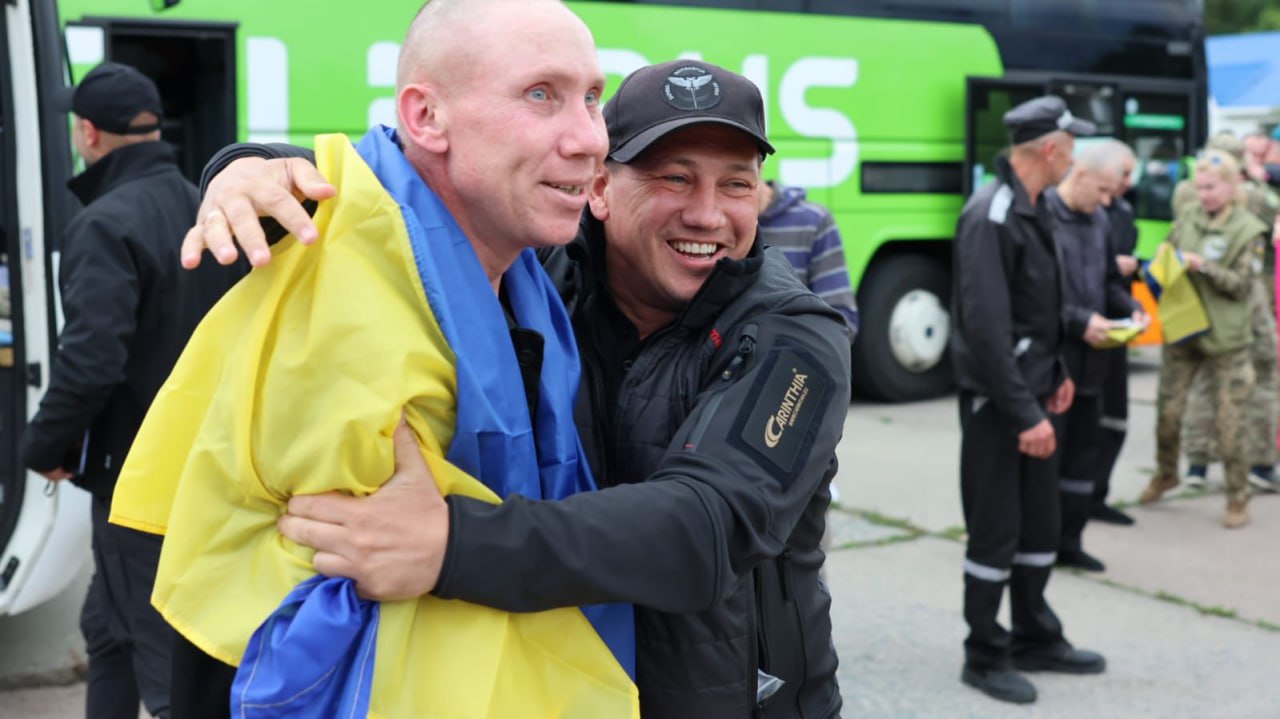
Another prisoner exchange between Ukraine and Russia took place — the second in two days. Most of the freed Ukrainians had been in Russian captivity for more than two years. The released individuals include defenders from Mariupol, Donetsk, Luhansk, Zaporizhzhia, Kherson, Kharkiv, and Chernihiv regions — soldiers from the Armed Forces, National Guard, and Border Service.
Additionally, as part of the exchange, the bodies of fallen Ukrainian soldiers were returned — a vital humanitarian act, helping families with identification and burial.
Author: Inna Mikhno