


The history of the Ukrainian Plast in the USA dates back to the world Scouting movement in the 20th century and the first organizational initiatives of the Ukrainian community in America. Its history combines the development of Plast in Ukraine with the process of formation of Ukrainian Scouting among emigrants in the United States.
This was reported by Almanac of the 100th Anniversary of Plast,, Milena Volyanska..
In 1908, an experienced English officer, Robert Baden Powell, founded a self-educational children's and youth public organization in Great Britain. Its members called themselves scouts, or scouts. In 1910, scouting for girls - guiding - emerged. The main principles of scout self-education were life in nature, chivalry, helping others, endurance and patriotism.
In 1910, Baden Powell visited the United States and Canada with the aim of spreading the Scout movement in North America. He was supported by the Canadian writer and educator Ernest Seton-Thompson, who in 1906 founded the "Forest School of America" and headed the Boy Scouts of the United States. It was during this period that Scouting began to develop actively on the American continent.
In the fall of 1911, Ivan Chmola, a student at the Lviv Polytechnic, translated Baden Powell's book "Scouting for Boys" and became the founder of the Ukrainian Scouting group of the military direction. It included students from educational institutions in Lviv, who gathered for classes in the premises of the "Sokil" society.
In the summer of 1912, 30 scouts and scouts took part in a two-week camp on Chornogora in the Carpathians under the leadership of Ivan Chmola. During the same period, Petro Franko promoted the creation of scouting groups among students of the Academic Gymnasium and young women of the Women's Seminary of the Ukrainian Pedagogical Society.

By the end of 1913, the Ukrainian scouting movement united about 120 people. After Professor Igor Boberskyi proposed to call Ukrainian scouts Plastuns and the organization Plast, the movement received its own name and identity. In April-June 1912, the First Plast Oath took place, and in April 1913, the First Plast Congress in Lviv was held, at which the Statute of the organization, the Plast Law and the leadership were adopted.
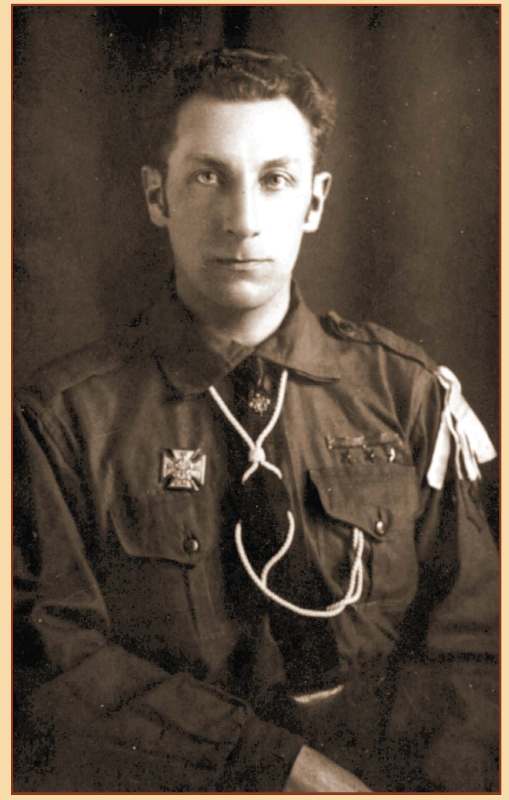
In 1914, Plast spread to Lviv, Ternopil, Stanislaviv, and Bukovina. In June 1914, the Plasts in uniforms marched through the streets of Lviv in a solemn procession to mark the 100th anniversary of Taras Shevchenko’s birth, leaving a lasting impression, including on the American Ukrainians who attended the event.
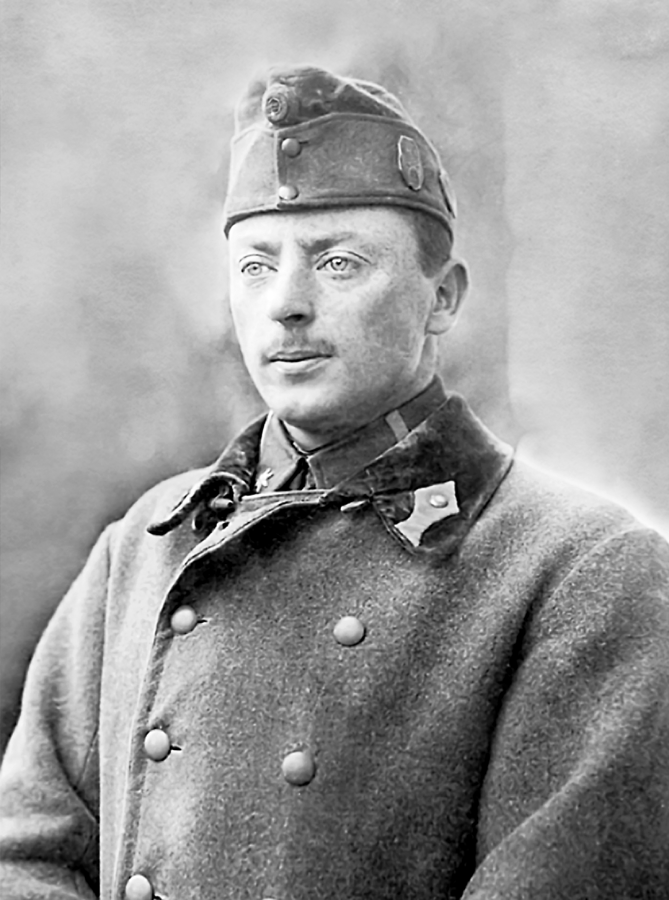
With the outbreak of World War I, the Plasts joined the Legion of Ukrainian Sich Riflemen. After the retreat of Russian troops from Lviv in 1915, the Plast began to recover, with new circles and regiments of young men emerging. During this period, the “Plast Oath” was created, and in 1917, Oleksandr Tysovsky was elected chairman of the Main Plast Council.

During the events of 1918, the Plasts took an active part in establishing Ukrainian power in the cities of Galicia and later became the personnel reserve of the Ukrainian armies. After the division of Ukrainian lands between several states, the Plast in Galicia and Volhynia went into a semi-underground state, and later into an underground one. Despite this, the organization was reborn, building its structure and publishing its own literature.
In parallel, the history of the formation of Plast in the USA began. The first organizational attempts of Ukrainian scouting in America date back to 1915 and are connected with the activities of the organization "Sich". In 1918, "Molodech Sich" in New York was reorganized into the Ukrainian Plast at the People's House. The head was a teacher Petro Zadoretsky, and his employees were Katrusya Shutak-Kedrovska and Bohdan Kashtanyuk.
The organizers faced a lack of funds, premises and community support. The uniforms were the same as those of the American scouts, and the activities were conducted according to the model of American scouting, but under the blue-yellow flag next to the American one. Thus, the "First Troop of Ukrainian Scouts" was established in New York, which numbered 95 boys and girls.
Plast activities in New York continued until 1921, and were later revived in 1924 at the Ukrainian School. Plast became part of the American Scouting structure, which gave it the opportunity to use camps, infrastructure, and support from American society. The organization held marches, concerts, exercises, trips, and camps, and participated in public events. The first Plast Fest was held in Czech Park in Astoria.

By the end of the 1920s, Plast activities in the United States had declined, but in the 1930s, Plast centers began to emerge again in New York, Chicago, Scranton, Philadelphia, and other cities. After World War II, Plast was revived in the United States in 1949-1951 and quickly built a network of villages. As of the spring of 1951, there were 31 Plast villages in the United States, uniting 1,617 people.
In April 1951, the First National Plast Congress was held in the USA, which elected the National Plast Starshyna and the National Plast Council. In the following decades, Ukrainian scouts from the USA played a leading role in the world leadership of Plast. The organization created its own homes and camp spaces near Cleveland, Detroit, Buffalo, and Chicago, which became centers of Plast life.
Photo: ukrainianpeople.us, 100krokiv.info
Author: Danylo Pievchev