


 At the diplomatic level, Ukraine and the United States are moving into the final phase of coordinating security guarantees. At the same time, Moscow is responding with intensified escalation, including the use of ballistic missiles and strikes on civilian infrastructure. Against this backdrop, European countries are considering tougher pressure tools—from sanctions to direct measures targeting Russia’s energy revenues.
U.S. at the UN Security Council: Moscow Escalates the War Despite a Chance for Peace
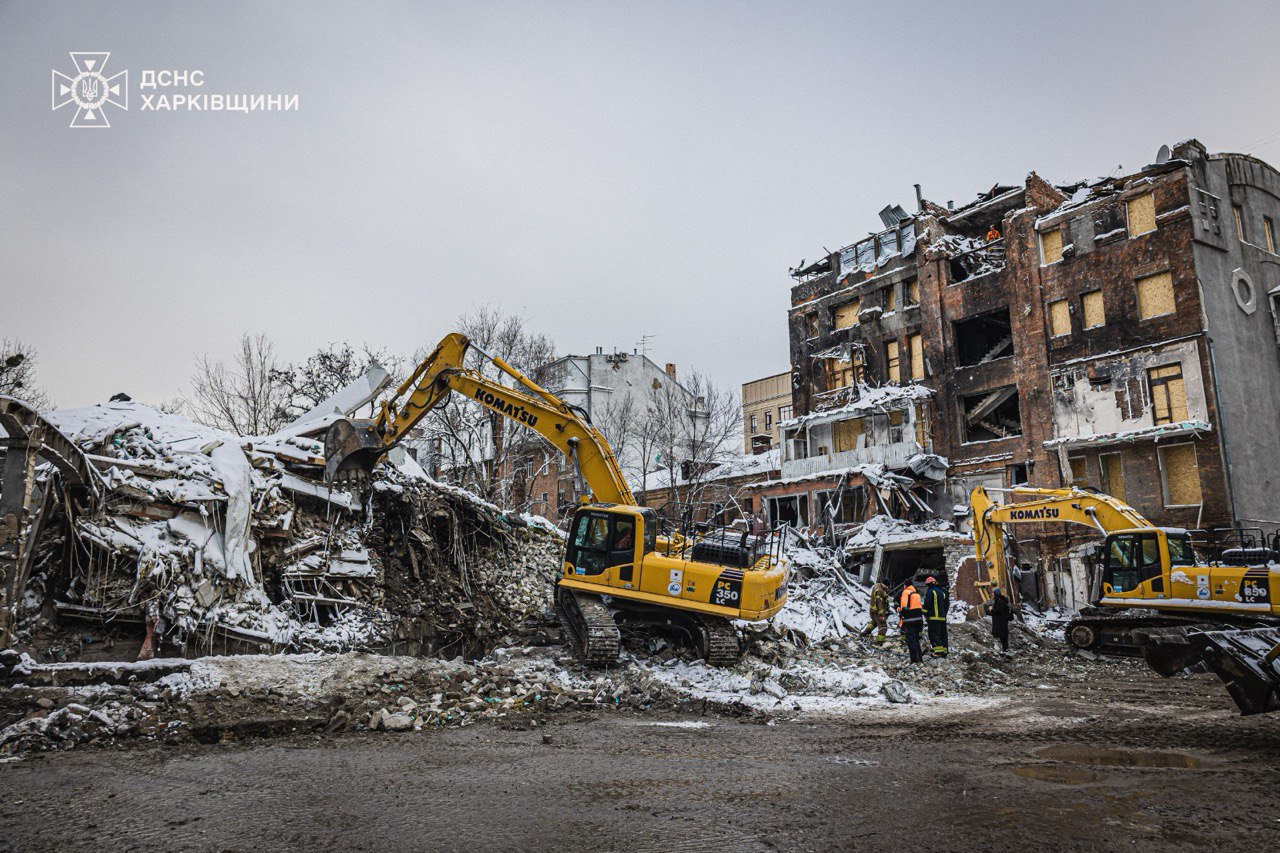
The United States announced the UN Security Council that the possibility of reaching an agreement to stop the war is now closer than at any time since the full-scale invasion began, but Russia’s actions contradict that prospect. The U.S. delegation stressed that despite diplomatic efforts by Washington, Kyiv, and partners, Moscow continues to escalate militarily. Particular concern was raised by the use of the “Oreshnik” ballistic missile — capable of carrying a nuclear payload — near NATO borders. The United States described this as a dangerous signal at a moment when negotiations are ongoing.
The American side also strongly condemned intensified strikes on Ukraine’s energy system and civilian infrastructure. According to the U.S. representative, such actions “undermine the very idea of peace” and risk widening the war. She noted that Russia itself voted for a UN Security Council resolution calling for a swift end to the conflict. “It would be good if Russia backed up its words with actions,” the diplomat said.
 The U.S. Will Deliver the Final Version of a Security Guarantees Agreement
President of Ukraine Volodymyr Zelensky also reportedUkraine is entering the final stage of preparing a security guarantees treaty with the United States. According to him, the document has reached a “historic level” and is to be submitted for consideration at the highest political level. In parallel, the sides are coordinating a schedule of meetings and a possible signing within the next two weeks. The talks concern not only security guarantees, but a broader package of arrangements with the United States and Europe.
Zelensky also focused on economic documents related to Ukraine’s reconstruction and development. He said work is underway on a “Ukraine Prosperity Roadmap” and mechanisms for using partner funds. The president stressed that next steps depend on Russia’s response — whether it is ready to end the war. “If there is no such readiness, pressure on the aggressor must continue to increase,” he said, calling for Russia’s export revenues to be maximally restricted.
U.S. Congress Proposes a Bill on Annexation and Statehood for Greenland
Republican Congressman Brian Fine introduced a billthat would allow the U.S. president to begin a process for the annexation or purchase of Greenland. The document is presented as a tool to strengthen U.S. national security and counter growing Chinese and Russian influence in the Arctic. The author said control over Greenland would mean control over key Arctic routes and the security architecture of the United States. The initiative also calls for a report to Congress on the possibility of granting Greenland statehood.
The explanatory memorandum argues that the Arctic is becoming one of the key arenas of global competition. The bill’s sponsor criticizes previous U.S. policy for “losing strategic positions” in the region. The proposal effectively opens a debate about a radical expansion of America’s presence in the Arctic, while also raising questions about international law and U.S. relations with European allies.
UK Prepares Legal Framework to Seize “Shadow Fleet” Tankers
The UK government is considering the use of military force against oil tankers belonging to Russia’s “shadow fleet.” According to British Media, officials have identified legal mechanisms that would allow the military to board and detain sanctioned vessels—citing the Sanctions and Anti–Money Laundering Act 2018. No operations have been carried out yet, but preparatory work is ongoing.
British authorities believe the mechanism could be applied to ships without lawful registration that help finance the war against Ukraine. More than 500 such vessels are already under UK sanctions. Potential seizures would represent a major escalation in pressure on Russia’s energy income, though it remains unclear when a first operation might take place.
 The Netherlands Insists Ukraine Must Be Able to Buy U.S. Weapons with an EU Loan
The Netherlands, together with allies, proposed allowing Ukraine to use at least €15 billion from an EU credit package to purchase weapons from the United States or other countries outside the EU.
The Hague argues that current restrictions — effectively limiting spending to the European defense industry — do not match Ukraine’s battlefield needs. According to the outlet AD, the Dutch position contrasts with France’s, which insists the funds should support EU manufacturers only. The Netherlands cites the urgency of the situation and the need for rapid deliveries.
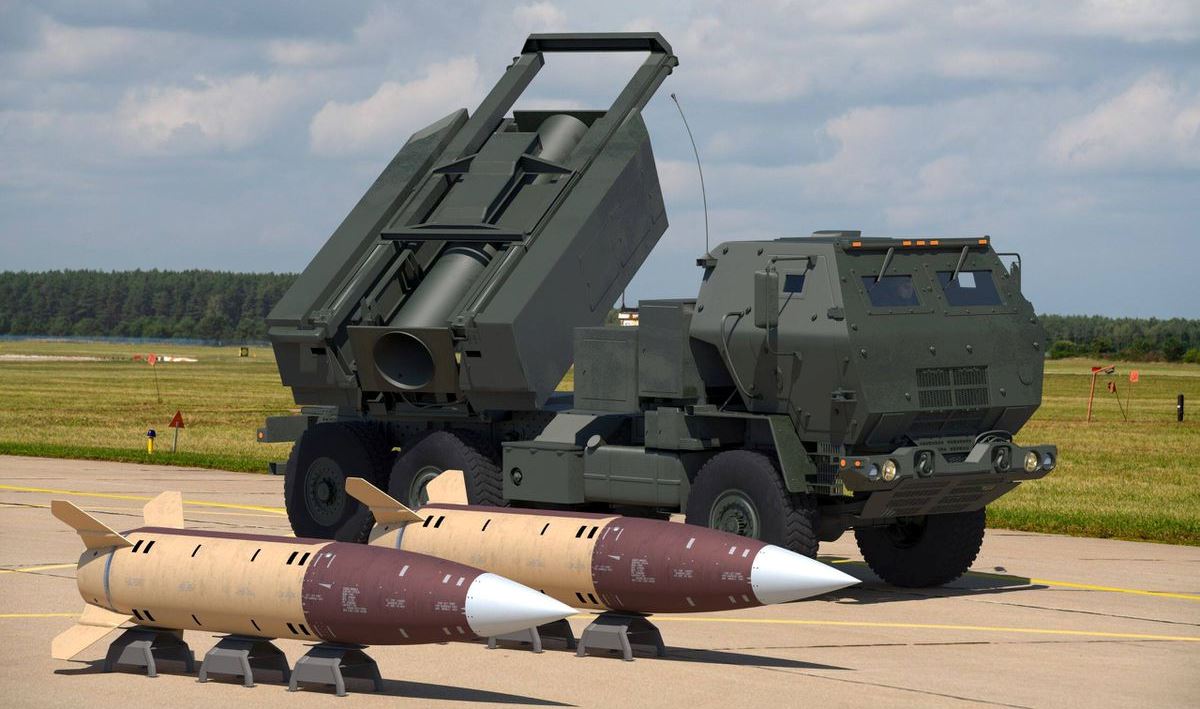
Officials in The Hague and Berlin reportedly fear that without access to American weapons systems, Ukraine will not be able to sustain effective defense. This includes critical components for F-16 fighter jets, missiles for Patriot systems, and long-range strike capabilities such as ATACMS and HIMARS, which Europe does not currently produce in sufficient quantities. Dutch estimates suggest that about two-thirds of the EU loan would be needed specifically for arms purchases. That is why the Netherlands and partners argue Kyiv should have broader flexibility in choosing suppliers to avoid delays and critical shortages.
Photo: M142 HIMARS MLRS and ATACMS missiles, Mariusz Burcz
Author: Danylo Pievchev