


US President Donald Trump sets a deadline for the European Union on a trade deal, threatening new tariffs if a compromise is not reached. In parallel, Europe is discussing strengthening defense against the backdrop of Russia’s war against Ukraine and threats from Iran. All these processes demonstrate that the economy, security and diplomacy are increasingly intertwined into a single crisis agenda, despite which Ukraine continues to seek new opportunities for itself.
Trump gives the EU a deadline of July 4 to implement a trade deal
Donald Trump said, that the European Union has until July 4 to implement the terms of a trade deal with the United States. If the agreements fail, Washington threatens to sharply increase tariffs on European goods, including cars. According to Trump, during a conversation with Ursula von der Leyen, the parties also discussed the issue of Iran and agreed that Tehran should not obtain nuclear weapons. The American president stressed that he had been “patiently waiting” for the EU to fulfill its obligations under the agreements concluded in Scotland.
Brussels confirmed the continuation of negotiations and announced “significant progress” towards reducing tariffs by the beginning of July. At the same time, the European Parliament acknowledges that the process of implementing the agreement is progressing slowly due to disputes between member states over protection mechanisms. Some deputies insist on tougher conditions for the United States, including the possibility of suspending the agreement if Washington fails to fulfill its promises. The next round of negotiations between the parties is scheduled for May 19.
Germany “for” the deployment of American Tomahawk missiles to deter Russia
German Foreign Minister Johann Wadeful said, that Germany needs the deployment of American medium-range Tomahawk missiles as an element of deterring Russia. According to him, Berlin and Washington “will find a solution together” on this issue, and the very presence of such systems should demonstrate NATO’s readiness for defense. Vaddeful emphasized that despite the tensions in bilateral relations between the United States and Germany, contacts between the governments remain close. He specifically noted the cooperation with US Secretary of State Marco Rubio and the constant communication between the defense departments of the two countries.
The German Foreign Minister also commented on the discussions surrounding Chancellor Friedrich Merz’s statements on Iran and the United States. According to Vaddeful, the Chancellor’s words were misinterpreted, and Berlin fully supports Washington’s actions aimed at preventing the emergence of nuclear weapons in Iran. The minister emphasized that Merz was trying to send a signal to Tehran that attempts to “humiliate the American president” were unacceptable.
Zelensky does not recommend visiting Moscow on May 9
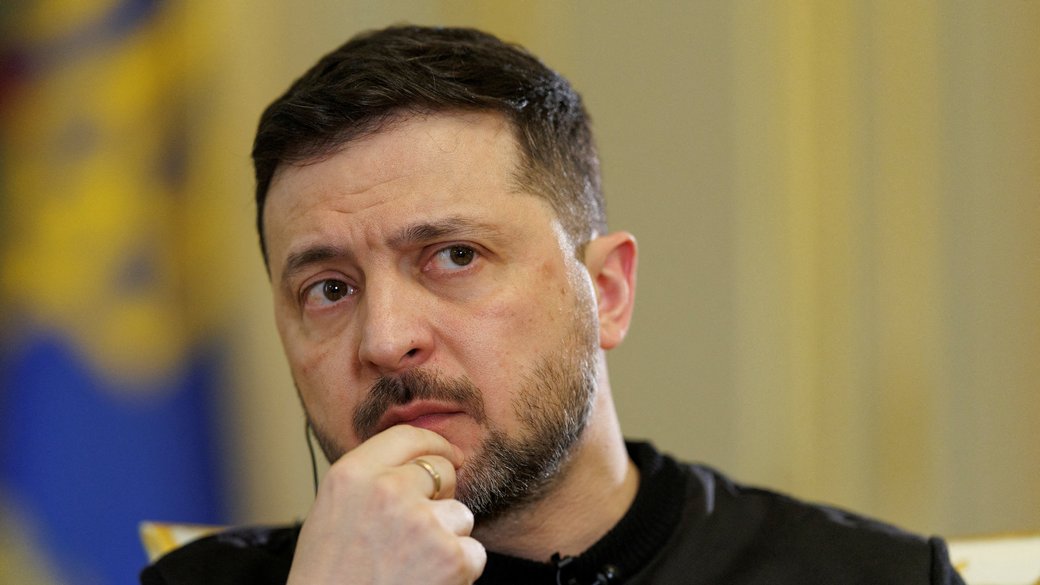
President of Ukraine Volodymyr Zelensky saidthat Ukraine does not recommend that representatives of states close to Russia be in Moscow during the celebrations on May 9. According to the head of state, Ukraine offered Russia a ceasefire from May 6, but in response received only new strikes and threats. Zelensky stressed that the Kremlin seeks to hold a military parade in safe conditions, and then continue hostilities against Ukraine. The president called such logic “strange and definitely inadequate”.
Zelensky also reported that the Ukrainian side has received signals from individual states regarding the plans of their representatives to come to Moscow for the parade. He stressed that Russia is already talking about possible strikes after May 9, which, according to him, demonstrates the Kremlin’s true attitude to peace initiatives. Against the background of these statements, the Ukrainian authorities continue to emphasize the need for international isolation of Russia and increased pressure on it. The issue of symbolic support for Moscow by individual states remains sensitive in the context of the ongoing war.
Blinken said that Europe invested more in supporting Ukraine than the United States
Former US Secretary of State Anthony Blinken said, that the allegations that the allies "used" the United States in supporting Ukraine are not true. According to him, for every dollar of American aid, Ukraine received one and a half dollars from European and other partners. Blinken emphasized that a significant part of the funds allocated by Washington actually remained within the American economy. This concerns the purchase of weapons for Ukraine and the replenishment of the Pentagon's reserves.
The former Secretary of State also highly praised the development of the Ukrainian defense sector. He said that Ukraine has become one of the main centers of military innovation, especially in the field of drones and modern warfare technologies. According to Blinken, the experience of the war against Russia has forced Western armies to reconsider their own approaches to defense and adapt to new conditions. He called the war a catalyst for change for NATO and Western military structures in general.
US Department of Justice lifts restrictions: Ukrainian weapons will be able to enter the American market
The US Department of Justice has removed Ukraine from the list of countries subject to arms import restrictions, reported Ukrainian Ambassador to the US Olga Stefanishyna.
This decision legally opens the possibility for the permanent import of certain categories of Ukrainian weapons, ammunition and components to the US, and also removes regulatory barriers for Ukrainian DefenseTech manufacturers to enter the US market. According to her, the step ensures regulatory consistency between the approach of the United States Department of Justice and the policy of the US Department of State, which now considers Ukraine as an ally.
It is known that applications for the import of firearms from Ukraine will be considered individually by the Bureau of Alcohol, Tobacco, Firearms and Explosives, and will not be automatically rejected. The period of public discussion of the new rules will last until July 6, 2026, after which the agency will take into account comments and prepare the final version of the document, which will still undergo interagency approval before official publication.
Photo: REUTERS/Valentyn Ogirenko
Author: Danylo Pievchev