


Discussion of the implications of the US elections for Ukraine

"What emerges is the picture of a bold gamble, played in great secrecy and fueled by desperation," The Economist has revealed the details of the preparations for the Kursk operation. It was launched to remove Russian troops from the Donbass and to gain an advantage in any future negotiations. A little later, President Zelensky told Indian media that the Kursk offensive was carried out to disrupt plans to capture Kharkiv and Sumy. However, the Kursk operation not only affected events on the front, but also shook the dogma of Russia's security, questioning the confidence of the population of the aggressor country in the capabilities of their own state. The issue of the use of conscripts in the Kursk battles and the dissatisfaction of the elite with the actions of the Russian authorities undermine Putin's position.
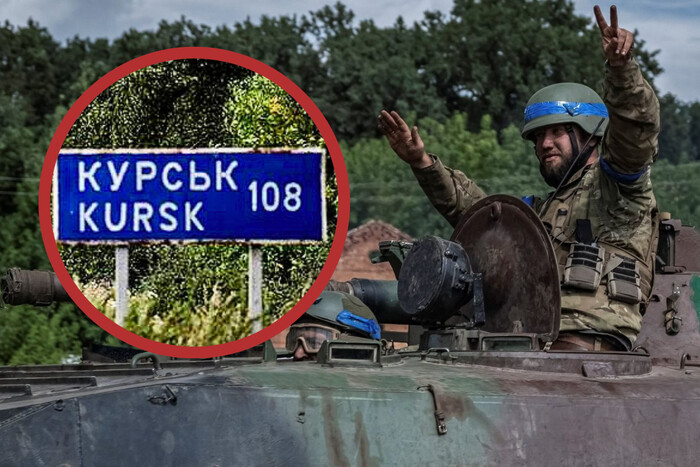
So, while the Kremlin is promoting a "new normal" to its citizens out of fear of internal unrest, some experts are talking about the United States' fear of Russia's collapse. Vladyslav Faraponov, head of the Institute of American Studies and an analyst with Internews Ukraine, discussed whether this is true and what Ukraine should expect from Washington after the U.S. presidential election.

According to the analyst, further assistance to Ukraine should be considered in two ways. The first is the funds that do not expire after the end of the fiscal year in the United States, i.e. September 30. "They could theoretically last even until January-February 2025. It depends on the intensity of the aid announcements and the estimated amounts. Until then, we can be more or less calm, because we are talking about the supply of weapons and equipment that were contracted earlier."
The second point is that the funds will be available until the end of the fiscal year, so the Biden administration should use them as soon as possible, Vladyslav emphasizes. This thesis is confirmed by the fact that at the end of September the United States approved another $7.9 billion defense aid package for Ukraine.
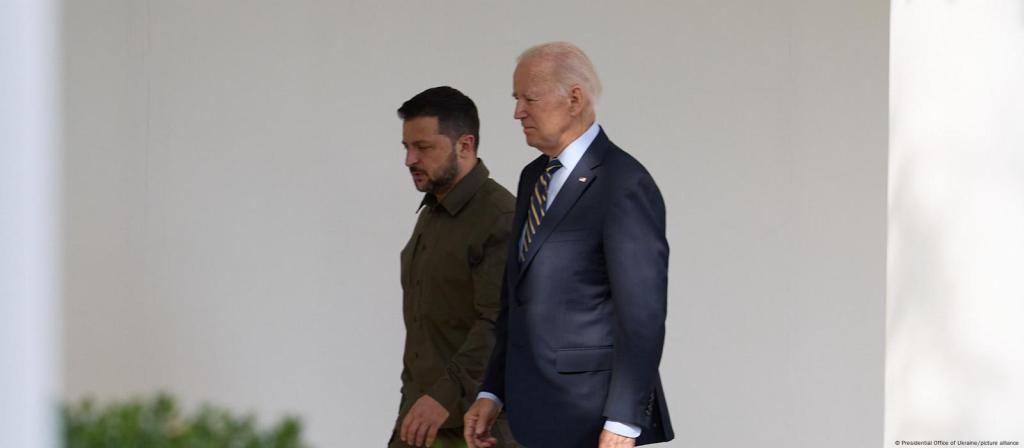
"However, there is a huge gap in the fact that there is no public work on the next stage of assistance," the Americanist notes, specifying that the new package is a small part of global aid. "Of course, it is very difficult to predict what the composition of Congress will be, whether the Republicans will have a majority, and if so, what kind of majority. Right now, the balance of support is shaky: if a few Republicans do not vote, there is a risk that the decision will fail. If the majority of Congress is Democratic, who will be the Speaker? There have been 15 speaker elections in the current Congress. All of this has a significant impact on future aid from the United States.

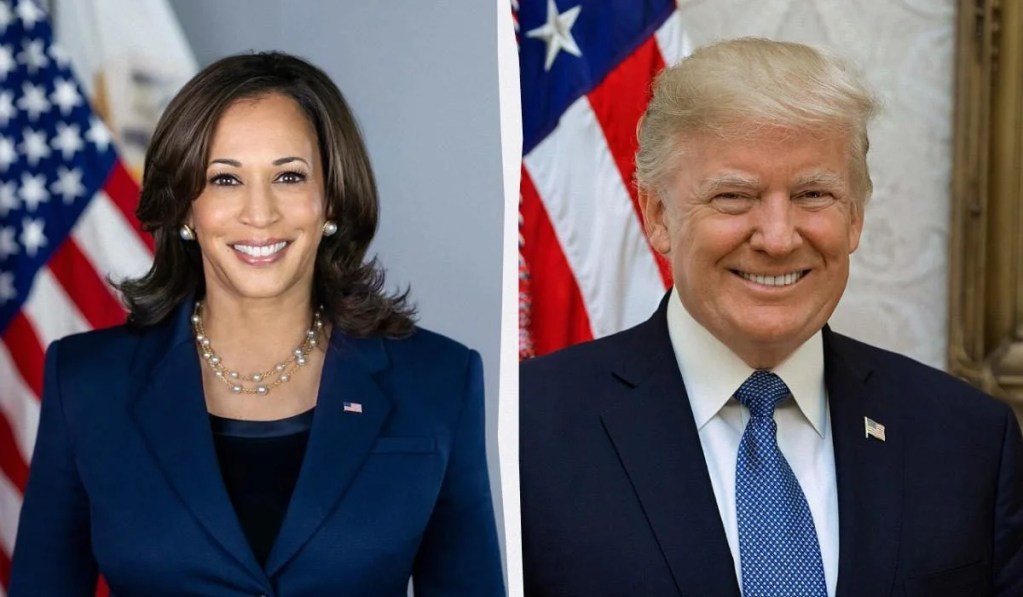
However, it is difficult to predict whether the position on Ukraine will be affected by the replacement of the national security adviser when Jake Sullivan leaves office. "Of course, advisers will influence Trump or Harris. The National Security Advisor is no exception. But on the other hand, it is the president who sets foreign policy. We know from the memoirs of former top officials in the Donald Trump administration that no matter what they advised Trump on, the only thing that mattered was what he had in mind. Yes, advisors are important, but they adapt very quickly to the president's rhetoric. That is why it is worth starting with the candidates for this position, because, as Harry Truman said, "The buck stops here," meaning that the chip does not go further - decisions are made in the Oval Office.
According to Vladyslav Farapov, the main task of the Ukrainians in working with the US government now is to give the US an understanding of the operational strategy: what Ukraine is going to do, what the Kursk operation means and what it will lead to, and how the US can be effective in its assistance. All this will influence the approval of a new phase of assistance after the presidential elections.
The restrained reaction to the Kursk operation, Vladyslav Faraponov notes, is proof that it is up to Ukraine to decide how to wage and end the war. The analyst also believes that the United States will allow the use of weapons inside Russia. "Maybe it will not be public. Perhaps it will be postponed, but I think it will be authorized."
Despite the fact that Trump's position, especially as stated in Project25, is an attempt to protect the world from World War III, the focus of the United States' confrontation for global leadership is China, not Russia. The Kremlin, according to the Americanist, is mentioned in the context of cooperation between Russia, the DPRK and Iran. "This means that both parties are interested in exposing specific cooperation between Iran, the DPRK and Russia - this is how they see global influence. Therefore, it is also about how support for Ukraine can weaken these states so that they do not in turn strengthen anti-American sentiment."

Returning to the question of how to react to the possible collapse of Russia, Vladislav Faraponov uses the concept of unpreparedness rather than fear. It is impossible to predict what will happen to the government. "There are lessons from 1991, when the world was unprepared for the collapse of the Soviet Union. The United States has no ready-made plan for possible regime changes in Russia, the configuration of power and territories. This very unpredictability frightens the Americans a little, because it creates discomfort. In this case, many times more resources are needed in this area, and the key and consensus position of Republicans and Democrats is to prevent China from gaining primacy on the world stage."
The Americanist concludes that Ukraine's role in this process is to give the United States an understanding of how China is helping Russia in its criminal actions, and that these two states are two puzzles in the same picture of "world evil".

Author: Bohdana Sadomska