


The second week of the Ukrainian Cultural Festival in New York has come to an end. Throughout the week, numerous events dedicated to Ukrainian art and literature took place. These included poetry readings, book presentations, exhibitions of contemporary artists, and screenings of animated films about war and identity.
This was reported on the website of the event organizer Razom for Ukraine.
As part of the festival, October 18 was dedicated to Ukrainian poets and their role in documenting and testifying to the events of the war. Poets such as Ostap Slyvynsky, Yuliia Iliukha, and Alex Averbukh presented their works that reveal the horrors of war and the personal stories of people who survived the violent invasion.
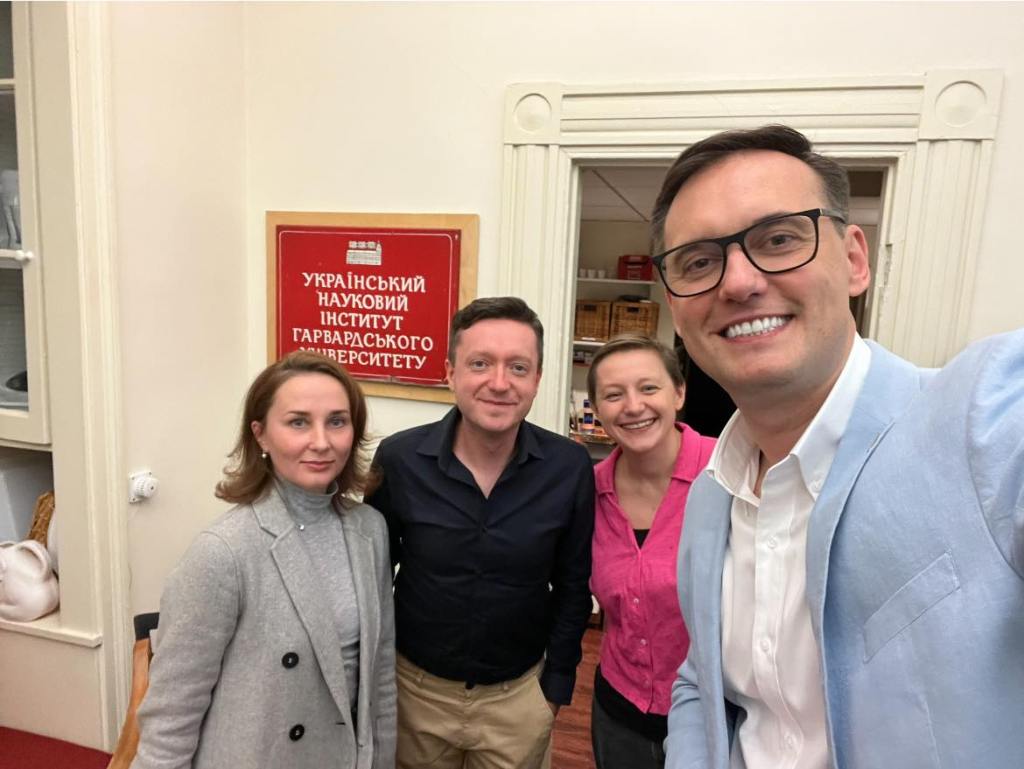
On October 19, Yuliia Iliukha's book My Women, translated by Hanna Leliv, was presented in New York. This collection of short stories, which won the 128 LIT International Prize, reveals the stories of women who faced the brutality of war. The book draws attention to those who have lost loved ones, who fight and refuse to give up, reflecting their pain and resilience through poetic repetition.
On October 20, Rukh Art Hub presented the exhibition "Drops of Water on Burning Stones" at the Mriya Gallery. The exhibition featured works by prominent contemporary Ukrainian and Spanish artists Nina Murashkina and Xavier Escala that demonstrate beauty and experimentation in times of war. Painting compositions combining different elements created a space for new emotions and ideas.
On October 21, ten short animated films by Ukrainian directors were screened in partnership with the LINOLEUM festival. Among the works presented were Coma by Sonya Leliukh, Sprouts by Elina Pupina and City on Sand by Vladyslav Kalensky, which reflect the complex themes of identity, memory and war experiences.
Also on that day, Ukrainian poet Marianna Kyianovska presented her collection Voices of Babyn Yar, in which she pays tribute to the victims of the Holocaust through poetry. In her poems, she shares the voices of those who survived the horrors of the past and reminds us of the importance of remembrance and responsibility for history.
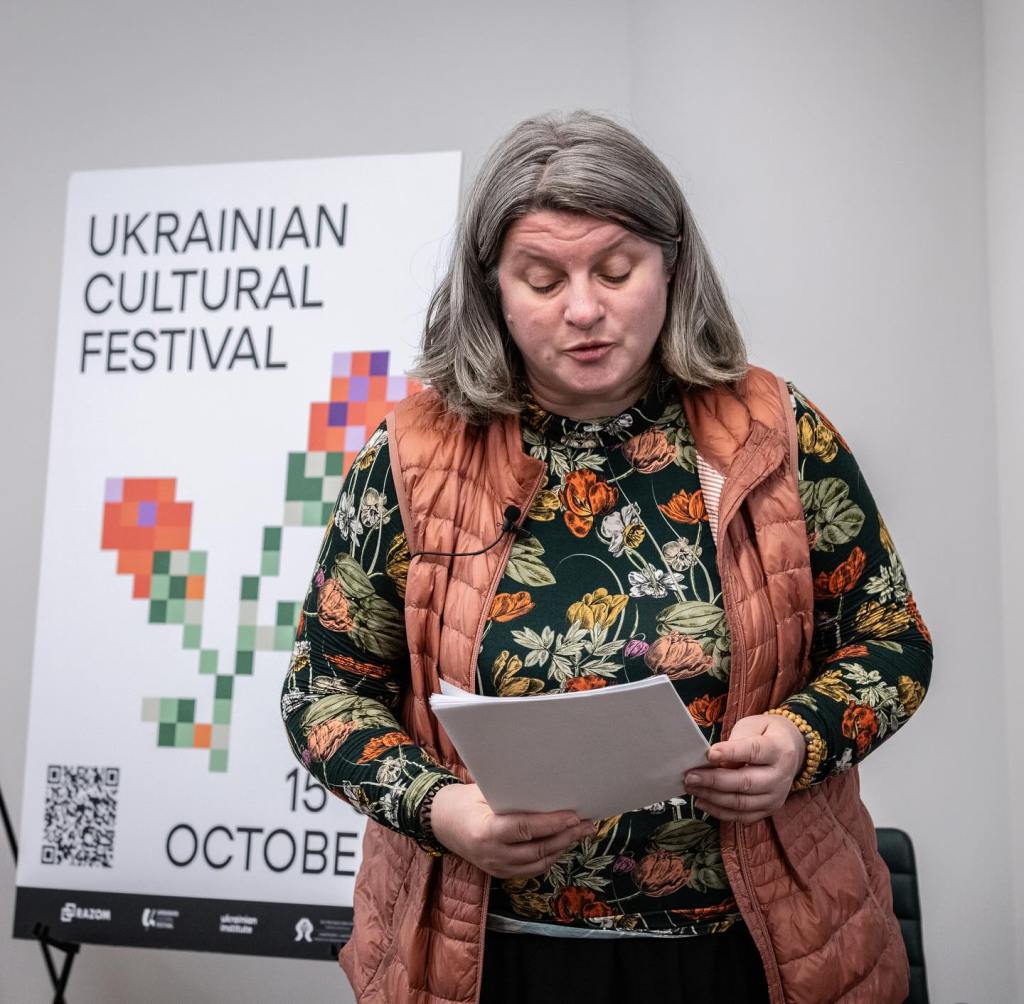
On October 22, the film The Porcelain War was screened, showing how three Ukrainian artists found inspiration during the war while defending their culture. The film illustrates how art becomes a form of resistance and a way to survive tragedy.
On October 23, the Ukrainian Museum also hosted a presentation of the exhibition "Alexandra Exter: The Stage is the World," dedicated to the avant-garde artist Oleksandra Exter, who influenced a generation of Ukrainian artists.
On October 24, a lively discussion took place with Tetyana Filevska and Petro Doroshenko about a new guide for museums aimed at decolonizing Ukrainian art. The initiative, which emerged after the full-scale Russian invasion, aims to preserve Ukraine's cultural heritage.
On the same day, October 24, there was a screening of the award-winning feature film La Palisiada, which reveals the links between past and present violence, and highlights the complex social and political issues facing a new generation of Ukrainians.
The film was presented by one of the main actors, first-year master's student in the Department of Cinema Studies Yarema Malashchuk, who also answered questions from the audience. The auditorium was completely sold out, and there was loud applause at the end of the film.
Photo: Maria Genkin, Rukh Art Hub, Razom for Ukraine, Mriya Gallery
Author: Inna Mikhno