


Ukraine is in the midst of a dynamic process of finding solutions to end the war while laying the groundwork for post-war reconstruction. This article summarizes key news that sheds light on the progress of negotiations, international support and economic prospects for the country that has been at war for four years.
Minerals deal with the US and Zelensky's visit
According to a number of media reports, Ukraine and the United States are close to signing a wide-ranging economic agreement that will include a joint investment fund and new rules for access to Ukrainian mineral resources. Kyiv hopes that this step will help keep the flow of American military aid, which is crucial for the continuation of its defense. President Volodymyr Zelenskyy is scheduled to arrive in Washington on February 28 to finalize the agreement and discuss possible terms of further military partnership with the United States. At the same time, U.S. officials note that final security guarantees are not included in the text of the agreement; these details may be the subject of separate negotiations between the two presidents.
European Initiatives and a Possible Peacekeeping Mission
European capitals are considering options for sending their own troops to Ukraine as part of a peacekeeping mission after a possible ceasefire. According to UNIAN, the idea of sending troops to ensure security in Ukraine was raised by representatives of France, Germany and the United Kingdom. For its part, Turkey, which has the second largest army in NATO, has also expressed its readiness to join the peacekeeping contingent, but only if it participates in all preliminary consultations.
High-level meetings and talks with Russia
Meanwhile, many hours of talks between representatives of the United States and Russia took place in Istanbul, dedicated to restoring the full work of diplomatic missions and "testing" Moscow's readiness to end the war. These talks were held in a closed format, and the Russian delegation left the meeting without commenting to the press. Although the details remain unclear, the U.S. side has repeatedly stressed the importance of maintaining a "vigorous diplomatic presence," insisting that without security guarantees for Ukraine, a lasting peace is unlikely to be achieved.
New dynamics in US-European relations
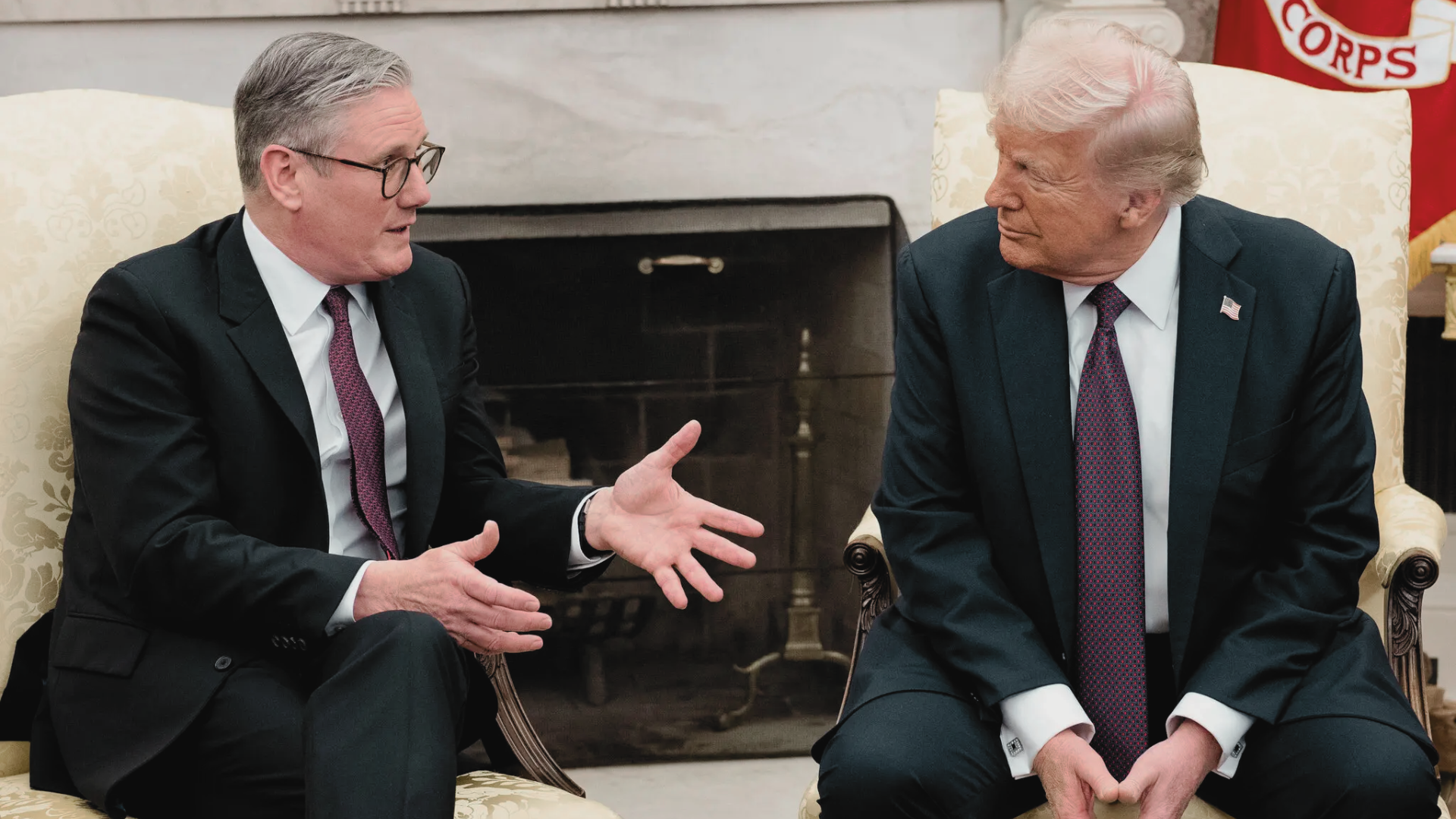
At the same time, US President Donald Trump is actively consulting with European leaders. Yesterday, he met with British Prime Minister Keir Starmer, who said that London is ready to send military trainers or peacekeepers to Ukraine if a sustainable peace settlement is reached. However, Starmer stressed that any "hasty" agreement that does not take into account future security risks will only postpone the problem and expose Europe to a new threat from Russia.
Zelenskiy's visit and plans for Ireland and the UK
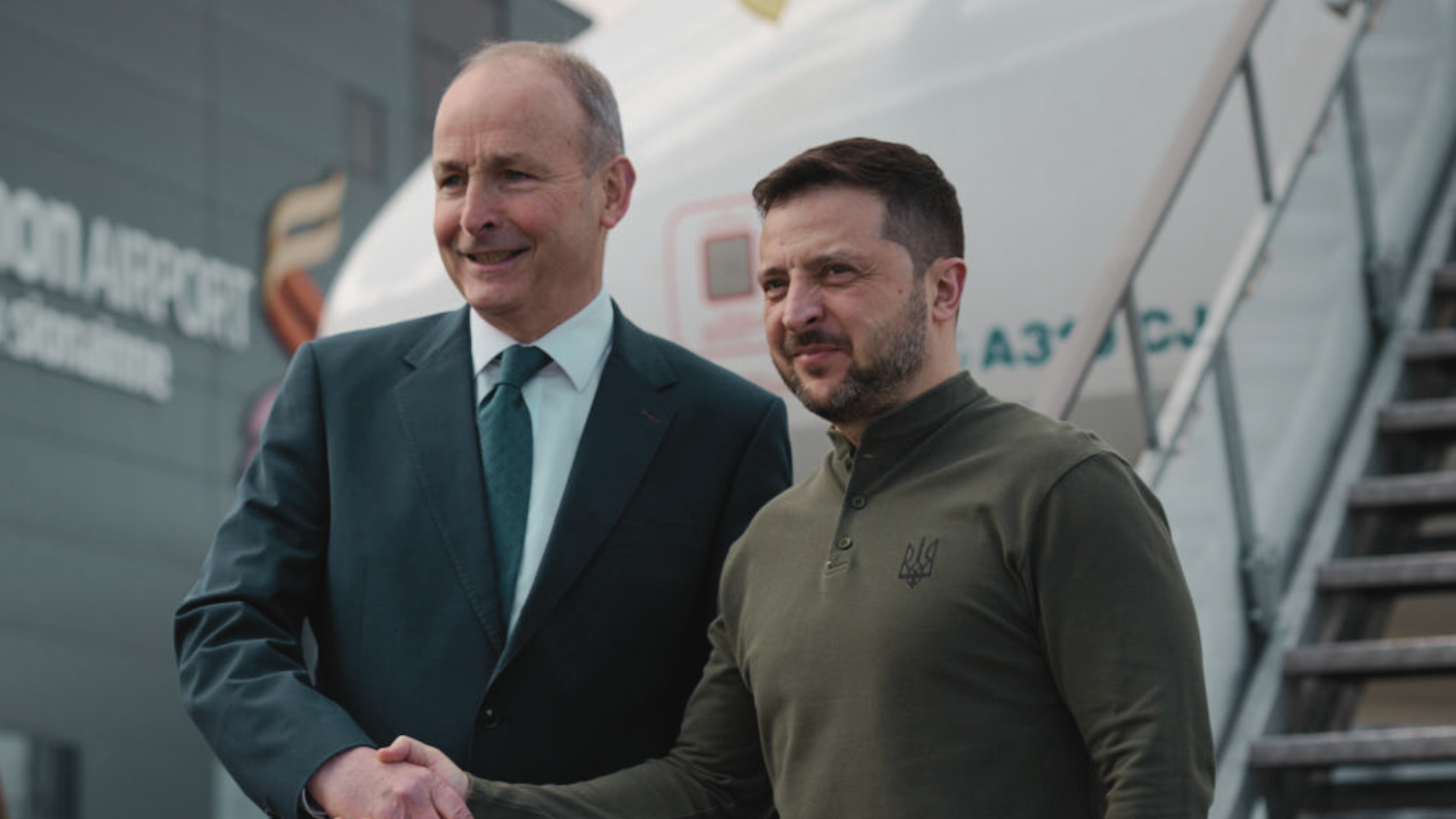
Today the President of Ukraine is in Ireland to meet with the country's leadership. According to Western media reports, Zelenskyy will next travel to the United States for talks with Donald Trump, and on his way home he plans to stop in London to brief European capitals on the results of his visit to Washington, D.C., along with his British allies.
Economy and post-war recovery
The Ukrainian government continues to work toward macroeconomic stability. Representatives of the European Bank for Reconstruction and Development note that despite the challenges, Ukraine is maintaining economic management, and the EBRD itself is preparing to invest in reconstruction projects if peace talks really move forward. According to their forecasts, a possible ceasefire next year could boost GDP growth by up to 5%. At the same time, experts warn that rebuilding the country after several years of war will require decades of intensive work and substantial international assistance.
Looking ahead
Although no final agreement has been reached among the major players, including Washington and Moscow, the creation of joint reconstruction funds, discussions about peacekeeping contingents, and the revival of diplomatic contacts indicate a search for ways to end the fighting. All parties emphasize that real, not formal, peace requires long-term security guarantees for Ukraine and clear political mechanisms to monitor the implementation of agreements.
Thus, as of February 27, the situation remains complicated, but there are signs of a resumption of negotiations. The success or failure of these negotiations will depend on the willingness of the parties to guarantee Ukraine's security, ensure its recovery, and uphold the principles of international law. Despite the differences, Volodymyr Zelenskyy's visit to Washington and a series of high-level contacts in the coming days may be key to determining the fate of the conflict and the prospects for both long-awaited peace and economic recovery.
Author: Lukian Selskyi