


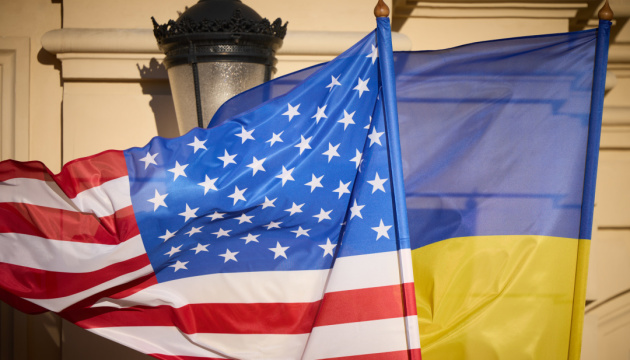
The United States is reassessing its role in peace talks, hinting at a possible withdrawal from mediation efforts due to a lack of progress from moscow. At the same time, Ukraine is voicing clear conditions: no neutrality, no capitulation, and no concessions to the aggressor. Meanwhile, Trump, despite once again blaming Zelenskyy, appears to be softening his tone, while Latvia is calling on the international community to force russia to peace. Against this backdrop, Washington and Kyiv are advancing economic cooperation, with a focus on joint resource development.
Trump blames Zelenskyy for the war, but softens rhetoric
US President Donald Trump has again accused Volodymyr Zelenskyy of bearing responsibility for the war, stating that "millions have died because of three people." However, he later softened his stance, noting that he does not believe Zelenskyy is to blame for russia’s invasion, though he continued to criticize the Ukrainian leader.
U.S. and Ukraine sign memorandum on economic partnership
Ukraine and the U.S. signed a memorandum of intent, marking the first step toward an agreement on joint mineral resource development and the creation of an investment fund for Ukraine’s reconstruction. The agreement includes special U.S. access to Ukrainian resources as a form of compensation for past military assistance. The final agreement is expected to be signed by April 26.
Next round of U.S.-Ukraine talks on resources set for April 24
Ukraine and the U.S. are preparing for the next phase of talks on joint use of Ukrainian mineral resources. According to Deputy Economy Minister Taras Kachka, working groups are finalizing technical details and the final wording of the agreement. The upcoming deal envisions the creation of an investment fund that will allow the U.S. to receive a return equivalent to its past aid, without classifying it as a debt. The main document is set to be signed on April 26 between a Ukrainian state enterprise and the U.S. International Development Finance Corporation.
U.S. may withdraw from peace talks if no progress is made
U.S. Secretary of State Marco Rubio saidthat the U.S. could pull out of mediating peace talks between Ukraine and russia if there is no progress in the coming days. Although Ukraine agreed to the U.S.-proposed 30-day ceasefire, the kremlin rejected the plan and escalated military action.
Paris demands full ceasefire: Ukraine maintains a no-compromise position
During the 1932–1933 negotiations in Paris, representatives from the U.S., Ukraine, and the EU agreed on the need for a full ceasefire for at least one month — without partial arrangements. Ukraine outlined several red lines: a firm rejection of neutrality, demilitarization, and peacekeeping missions that have proven ineffective in the past. Kyiv insists on the return of all deported Ukrainians and prisoners of war, as well as clear security guarantees from the U.S. European representatives supported the continuation of strict sanctions against russia.
Latvia: russia is not supporting peace — it must be forced
Latvia’s Foreign Minister Baiba Braže strongly condemned renewed russian attacks on Ukraine, particularly in Kharkiv, where a missile hit near a residential building. In a statement, she emphasized that there are no signs of russian support for the U.S. peace initiatives. Braže called on the international community to force russia into supporting peace, highlighting the kremlin’s military aggression as “traditional values” expressed through war crimes against civilians — even on Good Friday.
Author: Danylo Pievchev