


Only a hundred miles from Manhattan’s concrete roar, the hush of the forest blossoms. There, amid resin-scented breaths and dawn mists, the “Carpathians” camp lies hidden. Its name holds a mountain memory; its grounds cradle generations of hearts yearning for Ukraine. A traveler turns off the broad interstates onto narrower roads that wind among hills and suddenly finds another reality: spruce trunks whisper forgotten lullabies, and the sunrise, filtering through the branches, gently reminds everyone, “Remember who you are.”

The smiling faces of young Ukrainians flicker in the glow of the bonfire, just as the faces of their grandparents once trembled seven decades ago when they laid the first beams of the future camp. Those who came for “weekend workdays” knew no rest—only the thirst to carve out a patch of Homeland that neither time nor distance could scatter.
Maria, now a silver-haired SUM veteran, recalls the brick-sweet smell of pitch they melted for the roofs and the crash of felled trees blending with children’s laughter. The spruces fell beneath the saws only to rise again as a chapel, a dining hall, cabins. Each new building was more than timber and nails; it was a fragment of a grand design—to craft a place where youth and children could feel Ukrainian without geographic limits.
Decades pass, yet the camp does not age. It adapts, expands, sprouts new paths and pavilions, but above all it never loses its mission. Night is still shattered by campfires, and above them soar songs that clutch the heart: someone hears “Chervona Ruta” live for the first time, someone repeats the words of insurgent marches, someone weaves lines of the current war into ancient melodies, turning them into prayer and promise at once. In blue-and-gold reflections of flags the young shout “Hartuys!”—not an empty ritual but a password that binds a community scattered across the world.
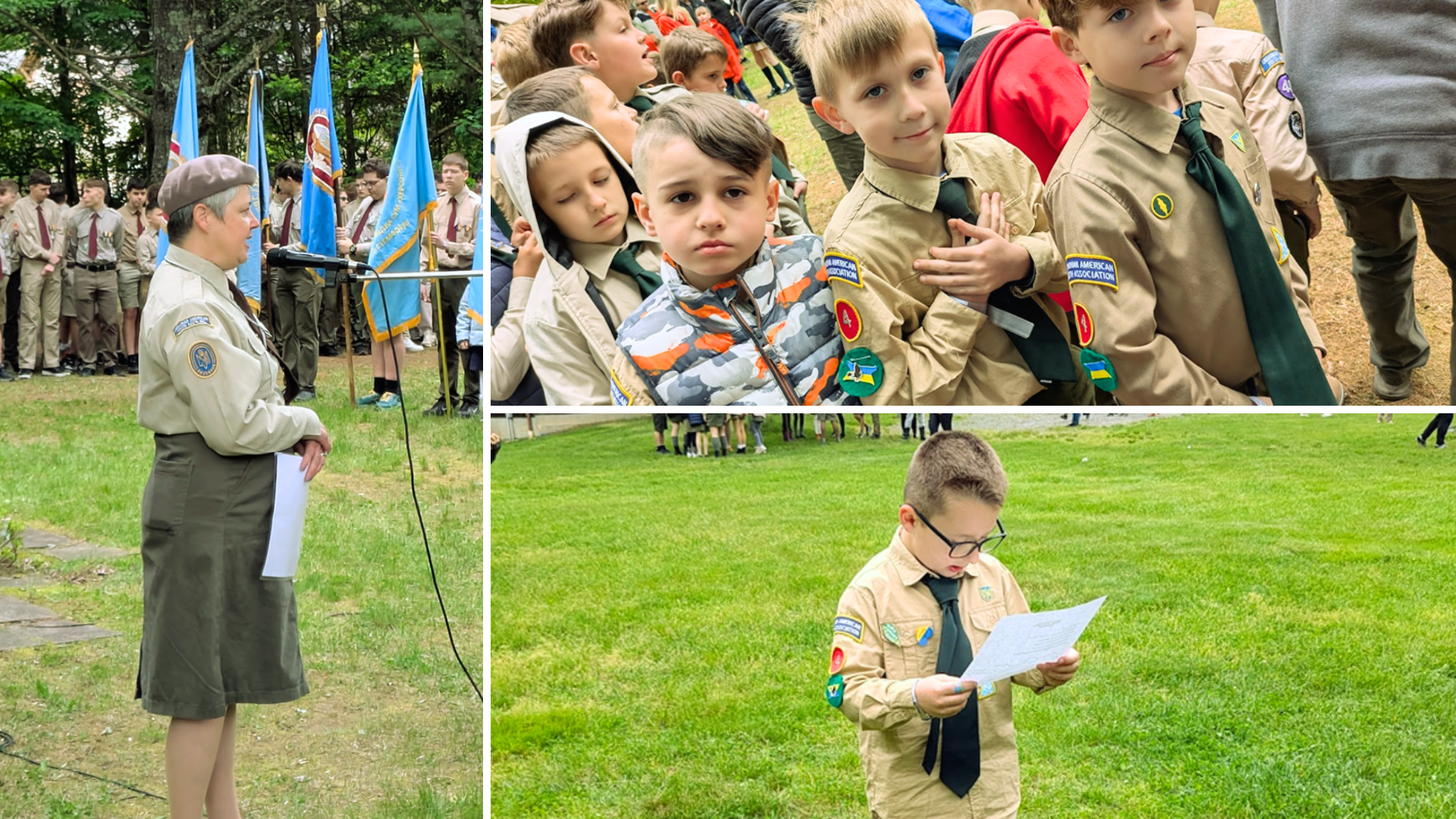
For this year’s sixty-third Rally, coinciding with SUM’s venerable centenary, more than six hundred boys and girls from fourteen U.S. branches arrived at the “Carpathians.” Brought by buses, by parents’ and counselors’ cars, but above all by the sense that here, in these woods, they would find a lifeline to their roots. The solemn opening unfolded with an outdoor Divine Liturgy. As the priest read prayers for the fallen, the windy rustle of leaves carried each name heavenward, adding a brass note to the celestial choir.
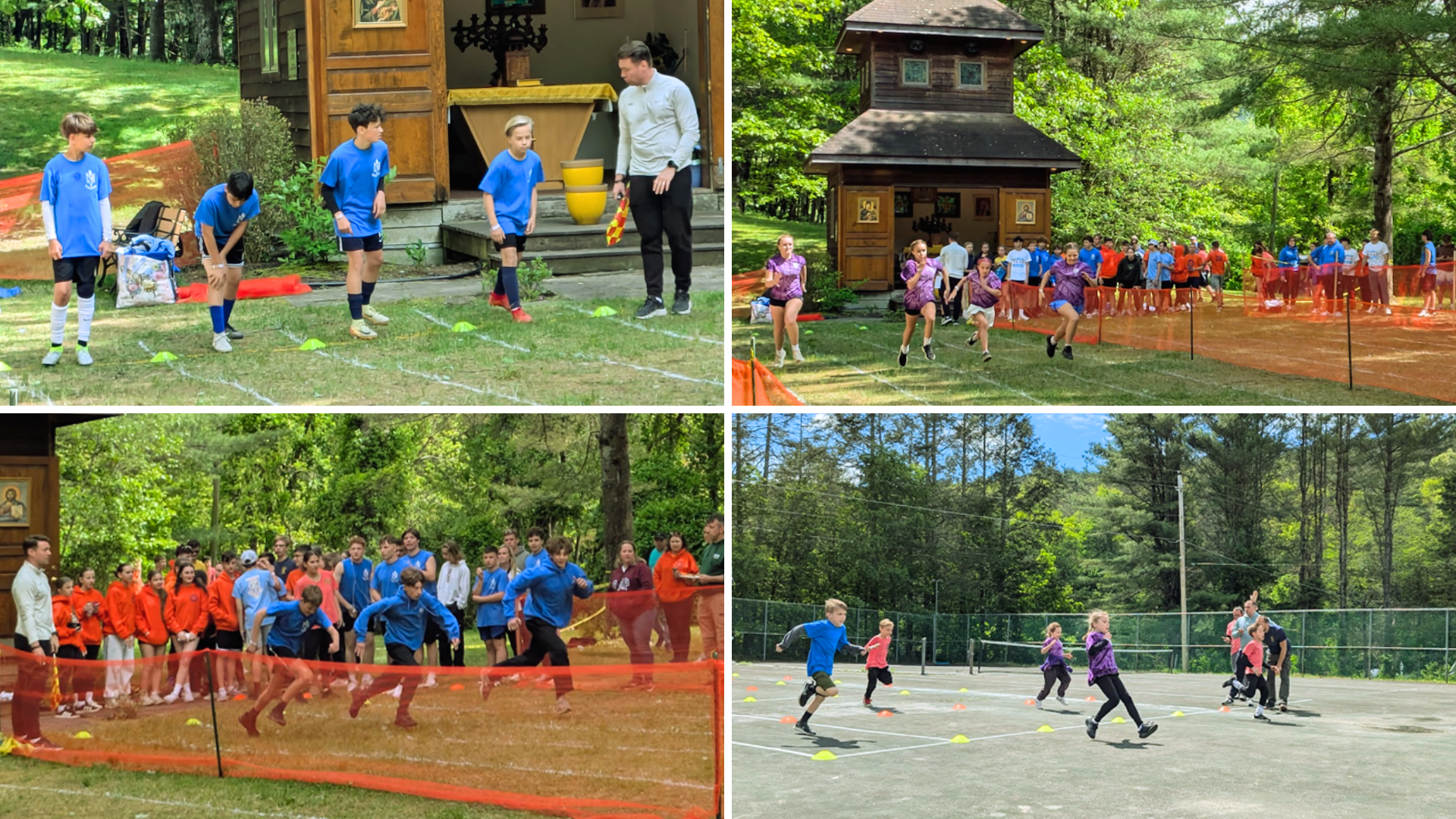

The contests began with a history quiz: youngsters tackled tough questions about the Kharkiv region, about SUM’s first steps in the 1920s, about the heroes of Donetsk Airport. Focus then shifted to the arts: someone screened a short film that captured a siege in a single breath; someone danced a warrior hopak; someone, having gathered an impromptu string ensemble, unfurled “Shchedryi Vechir” before the audience as though Christmas were arriving in the neighboring tent. Track athletes fought for fractions of seconds, future footballers traded shots, and the thud of shot-put rang like a climactic chord among the trees.
What lingers most is not the medal table but eyes alight with joy. Here is Bound Brook gleaming with the champion’s cup; there is Cleveland serenely posing with a flag and silver on their chests. Whippany, Stamford, and Passaic share bronze—modest, yet happy. But when evening falls, score sheets fade; what matters is the common circle by the fire, where no one divides into firsts and thirds.

Under the starry canopy, counselors remind the youth how the Ukrainian Youth Association, born in storm-tossed 1925 Kyiv, gathered boys and girls determined to preserve the nation’s spine in Soviet darkness. Since then the organization has endured persecution, weathered waves of emigration, yet never disappeared, spreading to dozens of countries. In Canada and Australia, Germany and Argentina, in the United Kingdom and, of course, in Ukraine, SUM members have rallied around two inseparable pillars: faith in God and service to the people. After 2014, when another Russian offensive turned into full-scale war, these young men and women became volunteers, journalists, medics, logisticians—and some, defenders at the front. Brick by brick, camp skills, organizational drills, and the steel of love for Ukraine, which despite thousands of miles feels nearer than the next state, have fused in their lives.
The tent city falls asleep to the fragrance of smoky air. Over many tents hang paper lanterns like small talismans against separation. Someone softly picks out the chords of “Plyve Kacha” on a guitar. It matters not where you first saw the world—Passaic or Ternopil, Brighton Beach or Kharkiv. Here everyone is Ukrainian, each bearing an unseen brand of responsibility: when there is a place where a child learns to love a country without having been there, that child will never betray it—neither through fear nor indifference.
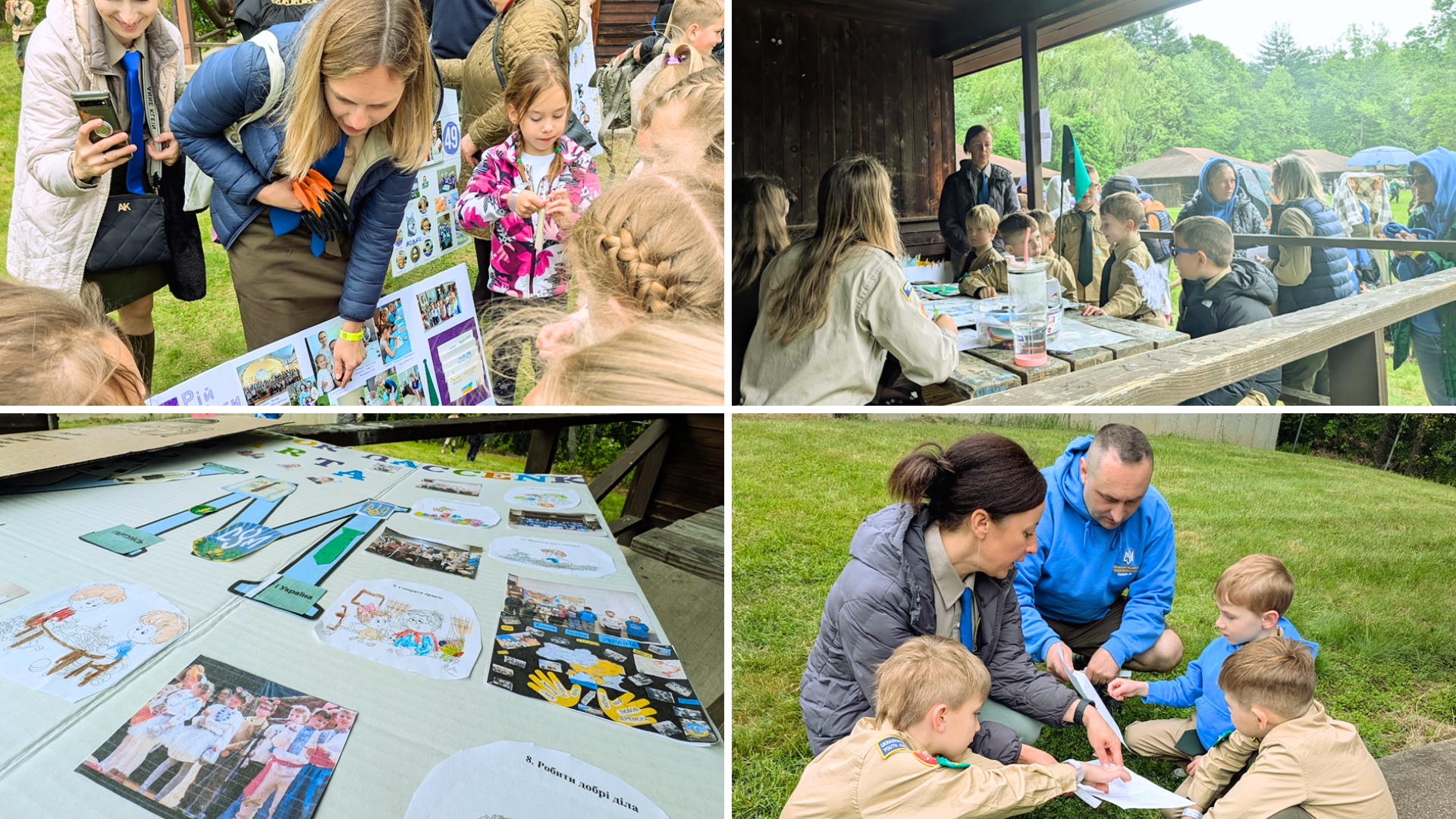
The “Carpathians” stand as living proof of this axiom. They are not a museum, not nostalgic resort, not decorative folklore. They are a school of memory, where character is nurtured and identity takes root. The first breath of a mountain morning plants in the chest the conviction that the war is not overcome while solidarity lives. And so, when dawn again touches the spruce tops and gently wakes the camp, it seems to whisper once more, “Remember who you are,” and the echo flies across America and farther— from Manhattan’s skyscrapers to the waves of the Pacific. For wherever a heart beats in young breasts beneath a blue-and-yellow flag, Ukraine long ago stepped beyond the borders of any map and settled in the safest refuge of all—human souls.
About Author:
