


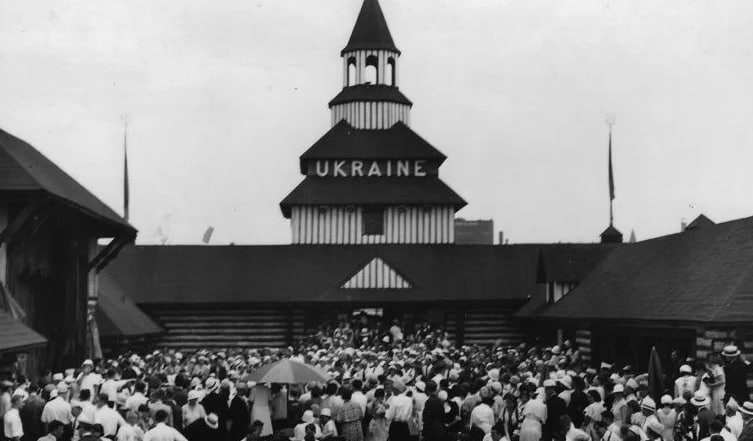
On November 17, 1933, a multi-thousand Ukrainian demonstration took place in downtown Chicago against the artificial Holodomor, organized by the Stalinist regime in Ukraine. Two weeks earlier, the Ukrainian pavilion at the World's Fair of Progress had closed. The president of the exhibition committee, Dr. Myroslav Simenovich, led the protest march. However, at the intersection of Madison and Polaine streets, peaceful demonstrators were brutally attacked by communists. Dozens of Ukrainians were injured. Myroslav Simenovich provided first aid to the victims right on the street.
This was reported by Halyna Parasyuk, PhD in History.
The Holodomor of 1932–1933 became one of the most tragic pages in the history of Ukraine - a terror famine that claimed the lives of millions of peasants. In terms of the number of dead, Ukraine lost more people than in the First World War and the years of the revolution combined. The world was silent for a long time - a "conspiracy of silence" prevailed even in free countries.
The first reports of the famine came through the escapes beyond Zbruch, often tragic. Ukrainian figures tried to reach the world. Elizaveta Skoropadska wrote: "To your heart, brother and sister! If help for the starving is not organized immediately, up to 12 million souls may die in the winter." The head of the Union of Ukrainian Women, Milena Rudnytska, appealed to the League of Nations and even declared a hunger strike. Artist Edward Kozak, editor of the magazine Komar, depicted Death in Budyonny on the cover of the August 1933 issue, leading Muscovites to famine-stricken Ukrainian villages, signing: "A great famine reigns in Greater Ukraine...".
Oleksandr Oles wrote about Europe's silence:
"When Ukraine reaped a bloody harvest
Having gathered for the executioner, she herself was dying
And even lost her words from hunger,
Europe was silent..."
Despite the famine, on September 18, 1933, the Soviet Union was admitted to the League of Nations. The Ukrainian newspaper Svoboda wrote about the contrast of events: in the USA, President Franklin Delano Roosevelt was beginning the era of the "New Deal", while Ukraine "was fenced off from the world by the densest iron curtain".
That same year, Chicago celebrated its 100th anniversary and hosted the World's Fair of Progress. Ukrainians gained the right to have their own pavilion - a symbol of a nation without a state, which presented itself alongside the countries of the world. The flag of free Ukraine with a trident flew above the pavilion, and the number of visitors reached almost two million. At the end of August 1933, Ukrainian Week was declared with parades, concerts, and congresses. After the pavilion was completed, on November 17, the Ukrainian community held a demonstration against the famine in Ukraine and the admission of the USSR to the League of Nations.
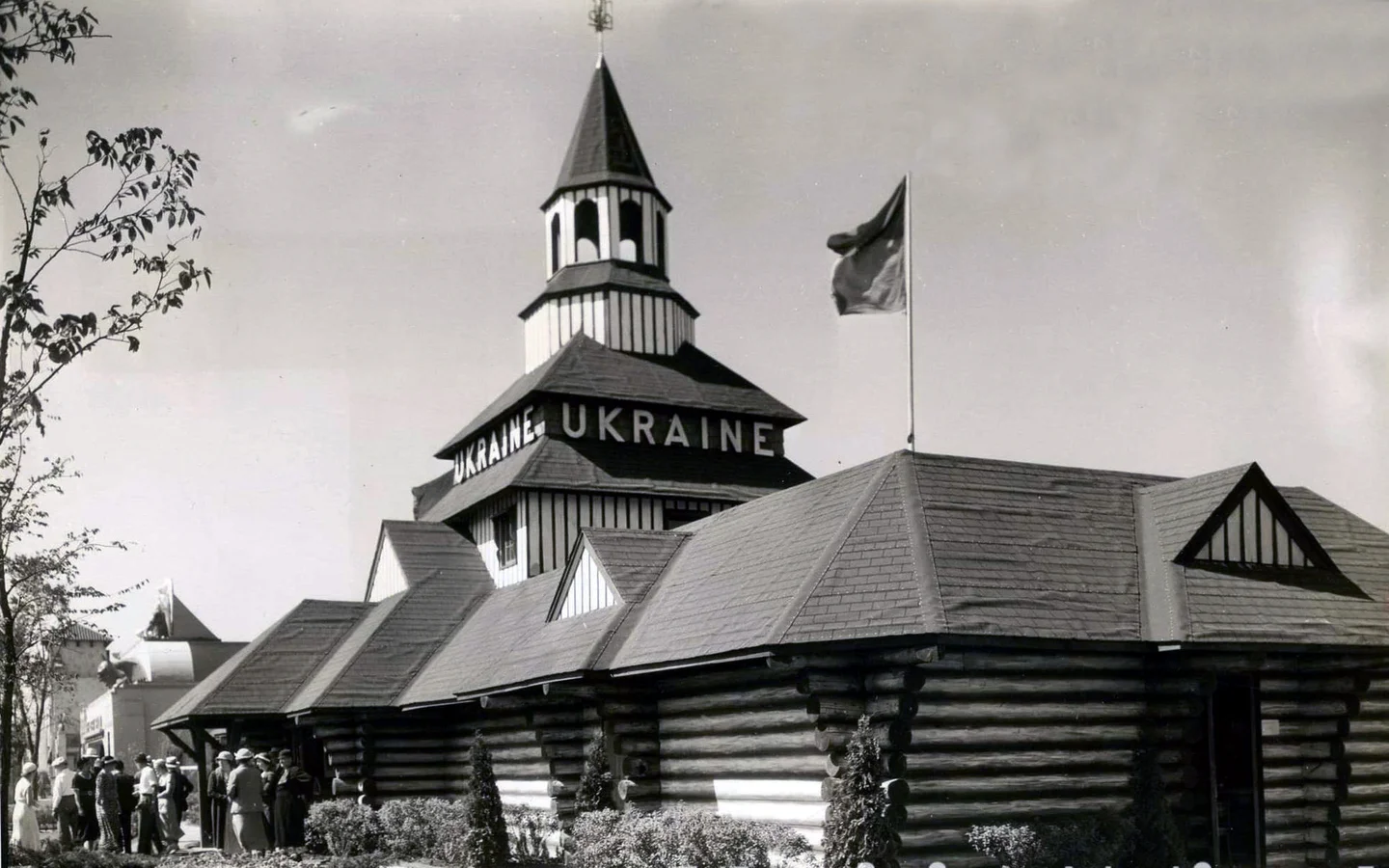
The protest was organized by activists of the Hetman's Movement "Sich", in particular the departments named after Yevhen Konovalets, Colonel Shapoval, members of the Ukrainian People's Union, and church organizations. The demonstration escalated into a clash: Chicago and Detroit communists attacked the demonstrators, injuring dozens of people. The Chicago Tribune reported numerous hospitalizations. Among the victims were Marko Shiyan, Isidor Levtyukh, and Ivan Smuk. The communists tore down and destroyed the American flag. Ukrainian youth distinguished themselves with courage in defense – O. Lyubas, J. Pashkovsky, M. Morynets.

Despite the attack, the Ukrainians reached Plumbers Hall near Union Park, where a vigil was held. There, doctors Myroslav Simenovich and Ivan Smuk continued to help the wounded.

Publications of the Chicago Tribune and Ukrainian newspapers preserved the memory of this protest. The community believed that it had fulfilled its moral duty – it did not remain silent about the genocide of Ukrainians.
Meanwhile, the world press focused on the trials in Moscow of British engineers, not paying attention to the Ukrainian famine. New York Times correspondent Walter Duranty cynically justified the silence, stating: “But it was only about Ukrainians.”
On November 16, 1933 – the day before the Ukrainian demonstration in Chicago – the United States officially established diplomatic relations with the USSR, recognizing the Soviet Union as a state.
It became possible to talk about the Holodomor in Ukraine only in the late 1980s. On November 26, 1998, the Decree of the President of Ukraine established the Day of Remembrance of the Victims of the Holodomor (the fourth Saturday in November). In 2003, the Verkhovna Rada of Ukraine recognized the Holodomor as an act of genocide.
Author: Danylo Pievchev