


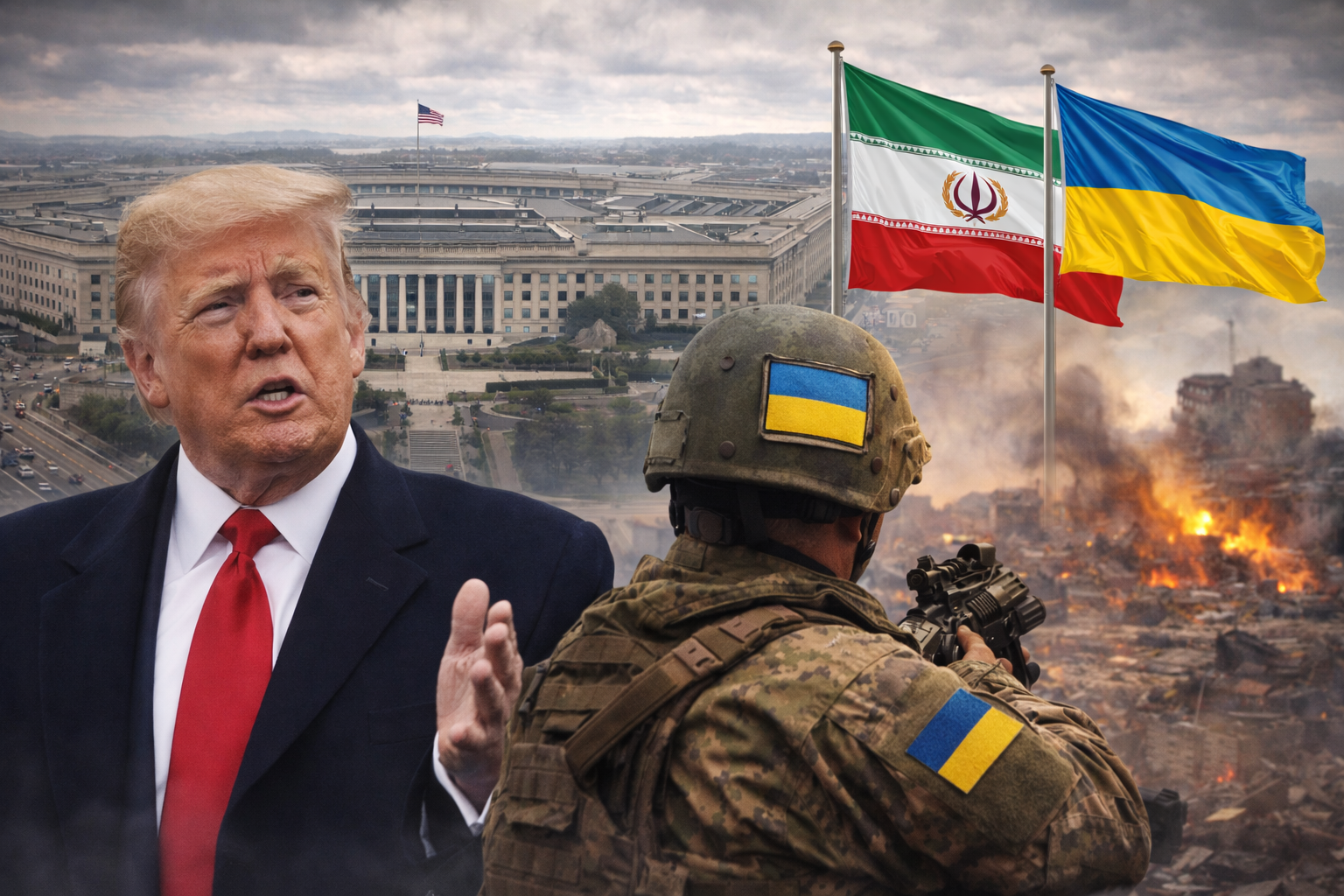
Ukrainian experience in warfare is becoming a benchmark for modern armies and is changing approaches to combat operations. At the same time, international support is becoming more pragmatic and dependent on the interests of allies. The United States is reconsidering its role, and Europe is forced to take more responsibility for the security of the continent. Against this background, the war in Ukraine is becoming part of a broader global transformation of security policy.
The United States has allowed operations with Russian oil, Ukraine calls for the return of sanctions
The United States has issued a new license that allows operations with Russian oil and petroleum products loaded before April 17. This is a temporary relaxation of restrictions, which includes technical operations - mooring of vessels, repairs, ensuring the safety of the crew and other related processes. The license will be valid until May 16, 2026, which actually opens a window for the completion of a number of deals that were previously subject to sanctions. This decision was made against the backdrop of attempts to stabilize energy markets.
At the same time, the Ukrainian side criticized this approach. The Ukrainian Ambassador to the United States, Olga Stefanishyna, urging to restore restrictions, emphasizing that the easing of sanctions allows Russia to receive additional income for waging war.
“We cannot allow Russia to benefit from the actions of its ally, Iran,” the ambassador noted.
Stefanishyna also emphasized that financial flows from energy resources directly affect Russia’s ability to continue aggression and support other forces hostile to the United States.
The Pentagon said that support for Ukraine cannot depend on the United States
The US Department of Defense announced, that further military support for Ukraine cannot continue to be based on American resources. The head of the Pentagon’s policy direction, Elbridge Colby, emphasized that previous assistance was largely carried out at the expense of limited US reserves, which is no longer a sustainable approach.
“Europe must accelerate its assumption of primary responsibility for the continent’s defense,” he said.
According to him, this is not a matter of choice, but of strategic necessity.
Against this background, the United States has effectively reduced military assistance to Ukraine, focusing on the model of selling weapons at the expense of allies. At the same time, European countries have begun to increase their own contributions, in particular in the field of air defense, drones and long-range weapons. Despite this, Ukraine continues to face a shortage of air defense equipment, especially for intercepting ballistic missiles. The Pentagon emphasizes that solving this problem will require strengthening Europe’s defense-industrial base.
The United States said that Ukraine has changed modern warfare
US Secretary of the Army Dan Driscoll saidthat the experience of the Ukrainian Armed Forces has significantly influenced modern approaches to warfare. Speaking at a meeting of the US Congress, he stressed that the Ukrainian military has introduced innovations that are changing the very nature of combat operations.
“I was in Kyiv, I spent a lot of time with representatives of the Ukrainian leadership. They have fundamentally changed the way people participate in conflicts,” the official noted.
According to him, these changes are already affecting the military thinking of Ukraine’s partners.
Driscoll also emphasized that the American side is actively studying the Ukrainian experience.
“I publicly declare that we are learning a lot from them and absorbing many of the lessons they have given us,” he said.
The minister called the work on innovations used by the Ukrainian military on the battlefield “absolutely amazing.” According to experts, such technological solutions, in particular in the field of drones and digital control systems, have already become an important part of modern warfare. Driscoll, who is considered close to US Vice President J.D. Vance, is playing an increasingly prominent role in shaping the defense policy of the Donald Trump administration.
Allies fear hasty US deal with Iran
European allies are expressing concern about the possible rapid conclusion of a framework agreement between the US and Iran. to to diplomats, Washington may seek a quick political result, which will lead to superficial agreements without resolving key technical issues.
“The problem is not that there will be no deal, but that it may be bad,” said one European diplomat.
Experts emphasize that Iran’s nuclear program is an extremely complex topic that requires long and detailed negotiations. They also draw attention to the deep distrust between the parties and different approaches to the negotiation process. European countries have effectively found themselves in secondary roles in this process, although they have significant experience in previous negotiations. Diplomats warn that hasty decisions could create new risks instead of stabilizing the situation.
Merz, Macron at odds over Strait of Hormuz
German Chancellor Friedrich Merz and French President Emmanuel Macron have different visions for the future mission in the Strait of Hormuz. Germany favors coordination with the United States and is considering the possibility of American forces participating in ensuring the security of shipping.
“There are good arguments in favor of this,” Merz said, commenting on the potential cooperation.
France, on the other hand, insists on the creation of a separate European coalition without the participation of the United States, Israel and Iran. Paris proposes to focus on peaceful measures, including mine clearance and escorting ships under European leadership. French representatives emphasize the need for security guarantees from Iran and the United States for stability in the region.
Photo: AI
Author: Danylo Pievchev