


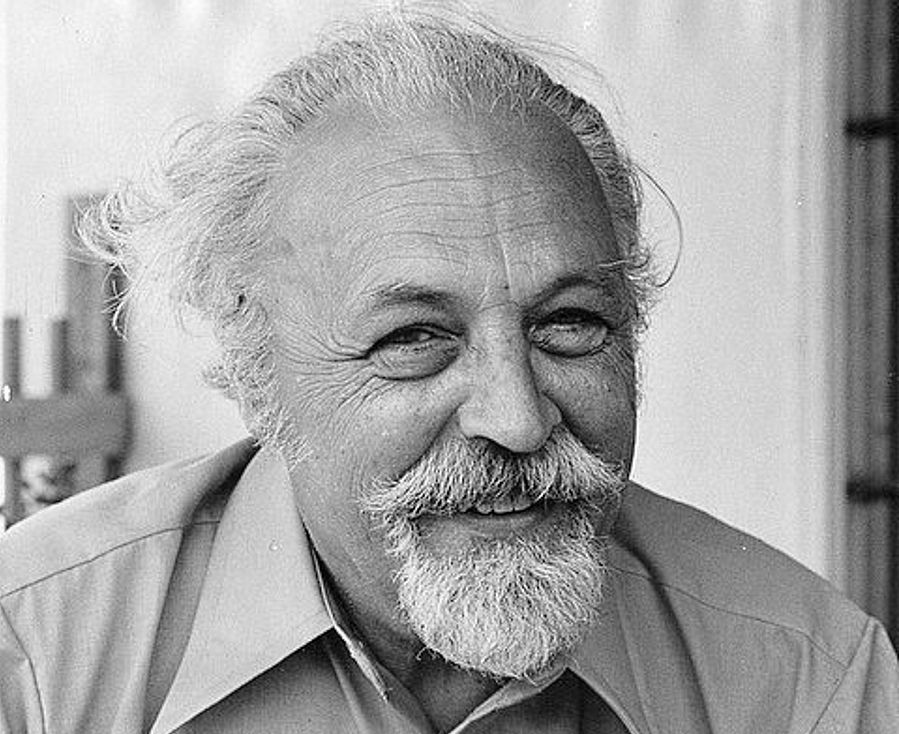
115 years ago, Myroslav Hryhoriyev (1911–2000) was born – a Ukrainian artist, graphic artist, illustrator, journalist, translator and publisher, known in the Czech Republic and the USA, as well as a public figure and the author of the cover of the first Ukrainian-language edition of George Orwell’s dystopia “Animal Farm” (1947).
This was reported by Museum of the Ukrainian Diaspora.
Myroslav Hryhoriyev was born on April 26 (May 9), 1911 in Kamianets-Podilskyi into an intelligent Ukrainian family. His father Nikifor Hryhoriyev had a reputation as a staunch nationalist: the reason for the search of their house was a denunciation of “terrible separatism”, since portraits of Ukrainian writers hung in the house instead of icons, and little Myroslav spoke Ukrainian.
As a child, he witnessed the events of the Ukrainian Revolution of 1917–1921. His father was a member of the Ukrainian Central Rada and held government positions, and later became one of the leaders of the Ukrainian emigration. In 1920, the family emigrated to Czechoslovakia, where they continued their active public, political, and cultural activities.
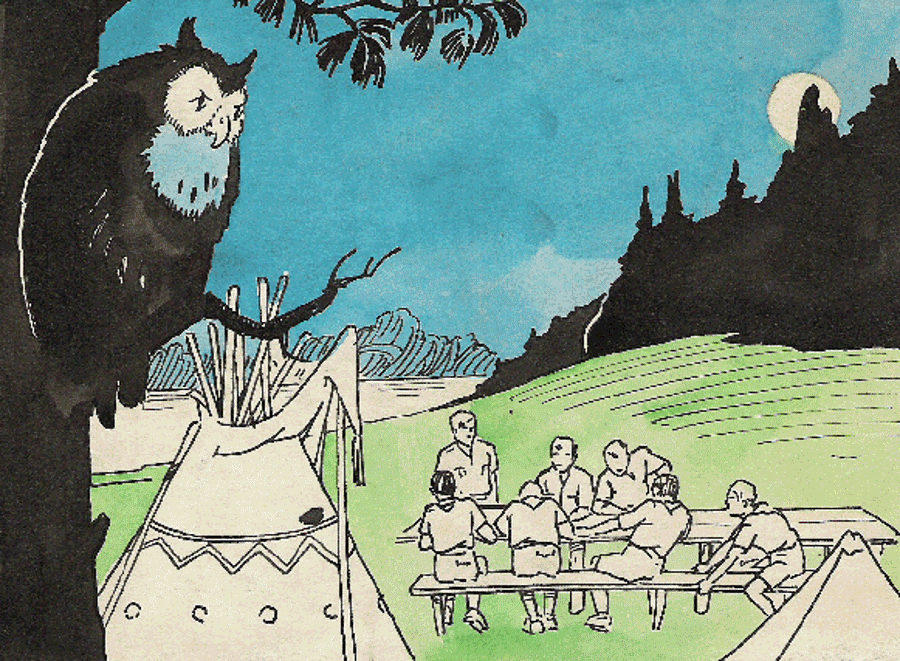
Hryhoriyev was educated at Czech and Ukrainian gymnasiums near Prague, where he joined the Plast movement. In 1926, he became a member of the scout organization and received the pseudonym “Mariquita” (“Mariquita” – “Sun”), which later became his main creative name. Already in his youth, he co-founded the Ukrainian children's magazines “Smoloskyp” and “Ranok”.
In 1930, he entered the Commercial College in Prague, where he studied several languages. In parallel, he investigated socio-political processes and later chose journalism as a profession. Since 1931, he worked as a correspondent for Ukrainian and European publications, in particular, "Life and Knowledge", "New Ukraine", "Ukrainian Correspondence", and also collaborated with the Czechoslovak agency "Centropres".
In 1933, during a journalistic investigation, he was arrested in Uzhgorod on charges of Nazi propaganda, but the charges were later dropped. After that, he worked in the Czech scout community as an editor and illustrator, and also founded the magazine "Ukrainkor", which informed Europe about the life of the Ukrainian community.
In the 1930s, Hryhoriyev also proved himself as an artist and organizer of cultural events: he won a poster competition for the Czechoslovak State Radio and won a prize at the international illustrators' competition in Krakow. At the same time, he wrote scientific works on propaganda in the Soviet and communist press.
During World War II, he was persecuted by the Nazis because of his anti-Nazi stance. In 1941, he was arrested, but managed to avoid forced labor in the German Ministry of Propaganda. During this period, he continued to work as an artist and even created sets and costumes for the Lviv Opera Theater's production of Hamlet.
After the war, he ended up in camps for displaced persons in Germany, where he organized humanitarian aid and the evacuation of refugees. He was arrested again - this time the American administration handed him over to the Soviet side, but he managed to escape. Later, he organized an illegal camp, saving about 6 thousand people.
In the post-war period, Grigoriev was actively involved in publishing: he illustrated Ukrainian books, created covers, in particular for George Orwell's Animal Farm (1947), and also worked on the popularization of Ukrainian literature in English.
In 1947, he moved to the United States, where he continued his creative and public activities. He worked in children's magazines, advertising companies, and joined the scout movement. He was an active participant in Ukrainian diaspora life, spoke at forums, and was engaged in the popularization of Ukraine through the media.
In 1954, he joined the board of the Ukrainian Technical Institute in New York, where he taught advertising theory. Since 1955, he has worked in the Ukrainian service of the Voice of America as a translator, editor, screenwriter, and head of youth programs.
In 1958–1967, he worked as an artist in the US War Department, and also collaborated with the Washington Post and Washington Star newspapers. His activities also included scientific work and cooperation with Ukrainian scientific institutions.
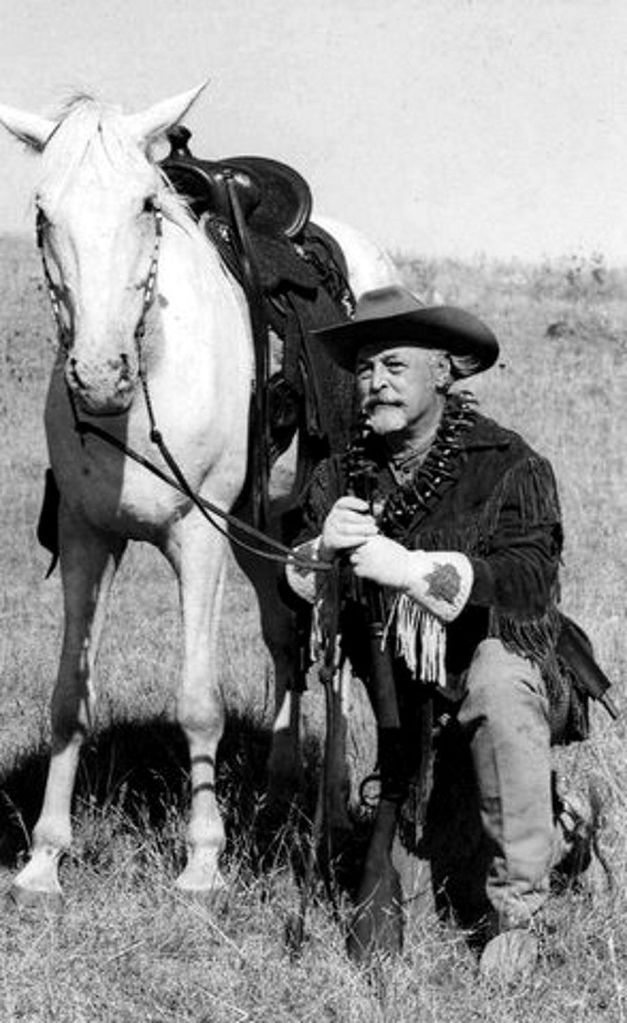
Myroslav Hryhoriyev left behind a significant artistic legacy: book illustrations, paintings, portraits, theater posters, and bookplates. His work was highly praised - in particular, the Washington Post compared him to the famous illustrator Albert Hirschfeld.
The artist died on June 7, 2000 in Silver Spring (Maryland, USA). He lived a life full of creativity, public activity, and the struggle for Ukrainian identity, leaving behind a significant cultural legacy.
Photo: 100krokiv.info
Author: Danylo Pievchev