


Ukrainian-American businesses in the United States generate around $60 billion in annual revenue, support roughly 300,000 jobs and pay approximately $9 billion in taxes each year, according to the authors of the UA2USA Business Index 2026.
The UA2USA Business Index became the first systematic attempt to assess the scale and structure of Ukrainian-American business in the United States. Until then, the Ukrainian entrepreneurial presence in America had existed mostly as individual success stories, diaspora organizations or local business communities without a unified analytical picture.
The report is the second edition of the UA2USA Business Index, following its 2025 debut. The project has evolved into two research products: an annual Business Index measuring year-over-year changes and a broader Impact Study that analyzes Ukrainian-American businesses across individual U.S. states. The second edition of the Impact Study is currently in development.
According to the UA2USA Business Index 2026, Ukrainian-American businesses generate about $60 billion in annual revenue in the United States - roughly equivalent to the entire economy of North Dakota. Beyond revenue, these companies pay about $24 billion in wages to American workers each year and contribute roughly $9 billion in annual taxes, or $90 billion over a 10-year horizon. The technology sector alone accounts for about 130,000 jobs, nearly half of total employment across the ecosystem.
Technology is the largest sector in the Ukrainian-American business ecosystem, with 43.5 percent of respondents working in technology and IT. Health care is the second-largest category, at 13 percent, followed by construction and real estate, each at 10 percent. Transportation and Warehousing account for 9 percent of companies, while finance and legal services together make up 8 percent. Researchers also point to the emergence of a new segment - agricultural technology and unmanned systems which already accounts for 7 percent of respondents.
The researchers verified at least 2,270 companies through a dedicated survey in which businesses provided information about themselves. These are the companies the researchers know "by name" within a confidential database.
The key indicators - revenue and employment were calculated through extrapolation. Data from the sample of more than 2,000 companies were categorized by sector and then scaled to an estimated population of 45,000 companies.
The study's key conclusion is that Ukrainian-American businesses are moving from a "survival mode" to a stage of strategic growth. While in 2025 companies were focused primarily on internal stabilization, the 2026 Index recorded a sharp increase in their focus on partnerships, access to capital and scaling.
This year's study also recorded a sharp shift in business priorities. The share of companies focused on strategic partnerships rose from 17% to 42% over the past year, while interest in raising capital increased from 9% to 36%. More than 90% of surveyed businesses said they plan to expand further in the United States. At the same time, the Index identified its most significant constraint. Visa and immigration barriers increased from 51% to 55% over the past year, overtaking operating costs to become the No. 1 challenge facing Ukrainian-American businesses. The technology sector has been hit particularly hard: 60% of tech companies identified visa restrictions as their biggest obstacle, even though 95% said they plan to hire additional employees this year. According to the researchers, about 200 Ukrainians lose their legal status in the United States every day, while more than 155,000 are not covered by Temporary Protected Status (TPS), which is set to expire on October 19, 2026. As a result, passage of the Ukrainian Adjustment Act (H.R. 3104) has become a key advocacy priority.
The study's methodology is unique. In the United States, there is no official category for a "Ukrainian business." Government statistics do not track companies founded by Ukrainians, meaning there is no existing database that researchers can simply compile and analyze. As a result, one of the team's biggest challenges was defining which companies should be considered part of the Ukrainian-American business ecosystem.
Rather than focusing only on "Ukrainian companies," ISE Group built its methodology around the broader concept of "Ukrainian American Business." The category includes companies founded both by citizens of Ukraine and by Americans of Ukrainian descent, including second- and third-generation members of the diaspora. The key criterion was not the country of registration or the founder’s passport, but self-identification and a conscious connection to Ukrainian heritage.
The category includes companies founded or co-founded by Ukrainians and Ukrainian Americans, from small local businesses to technology firms operating in all 50 states, employing American and Ukrainian workers and contributing to local economies.
The approach treats Ukrainian-American businesses not as a niche ethnic category, but as part of the broader U.S. economy.
How Ukrainian Business Became Part of the Economic Conversation in the U.S. Congress
The May update of the UA2USA Business Index 2026 reinforced a message that had been made just weeks earlier in Congress: Ukrainian-American businesses are becoming part of the broader economic fabric of the United States.
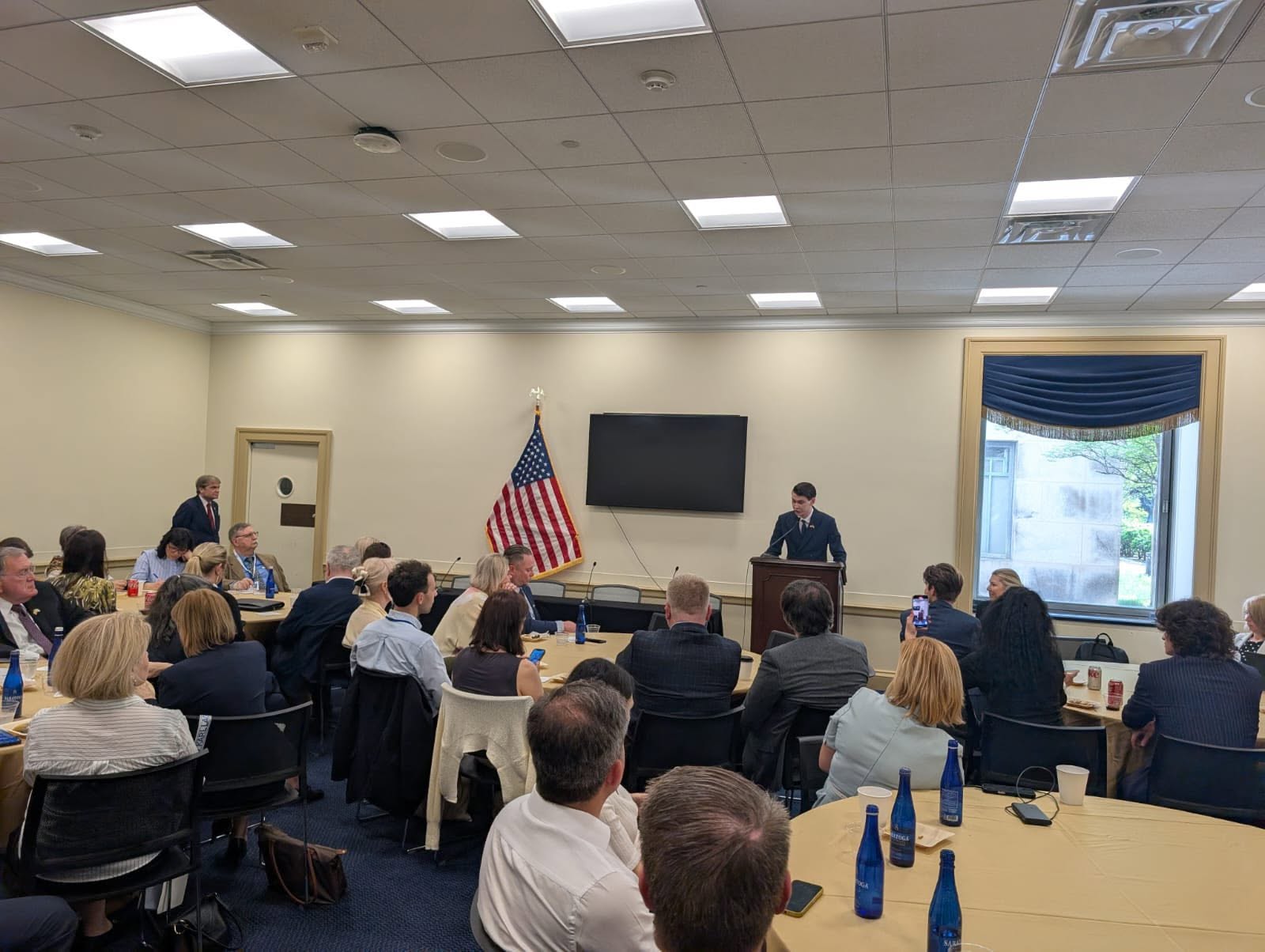
That idea was the focus of the UA2USA Capitol Hill Business Dialogue, held April 16 at the Rayburn House Office Building, where members of Congress, investors, government officials and entrepreneurs gathered to discuss the growing economic role of Ukrainian-American businesses.
Organizers describe the Capitol Hill Dialogue as a turning point - the moment when the Ukrainian-American community began speaking in Washington not through the language of humanitarian aid, but through economic data, capital and U.S. strategic interests.
According to Alexander Romanishyn, a member of the ISE Group's board and one of the project's authors, the study demonstrated that Ukrainian-American businesses should be viewed as measurable economic assets, contributing through reinvestment, tax revenue, job creation and business activity.
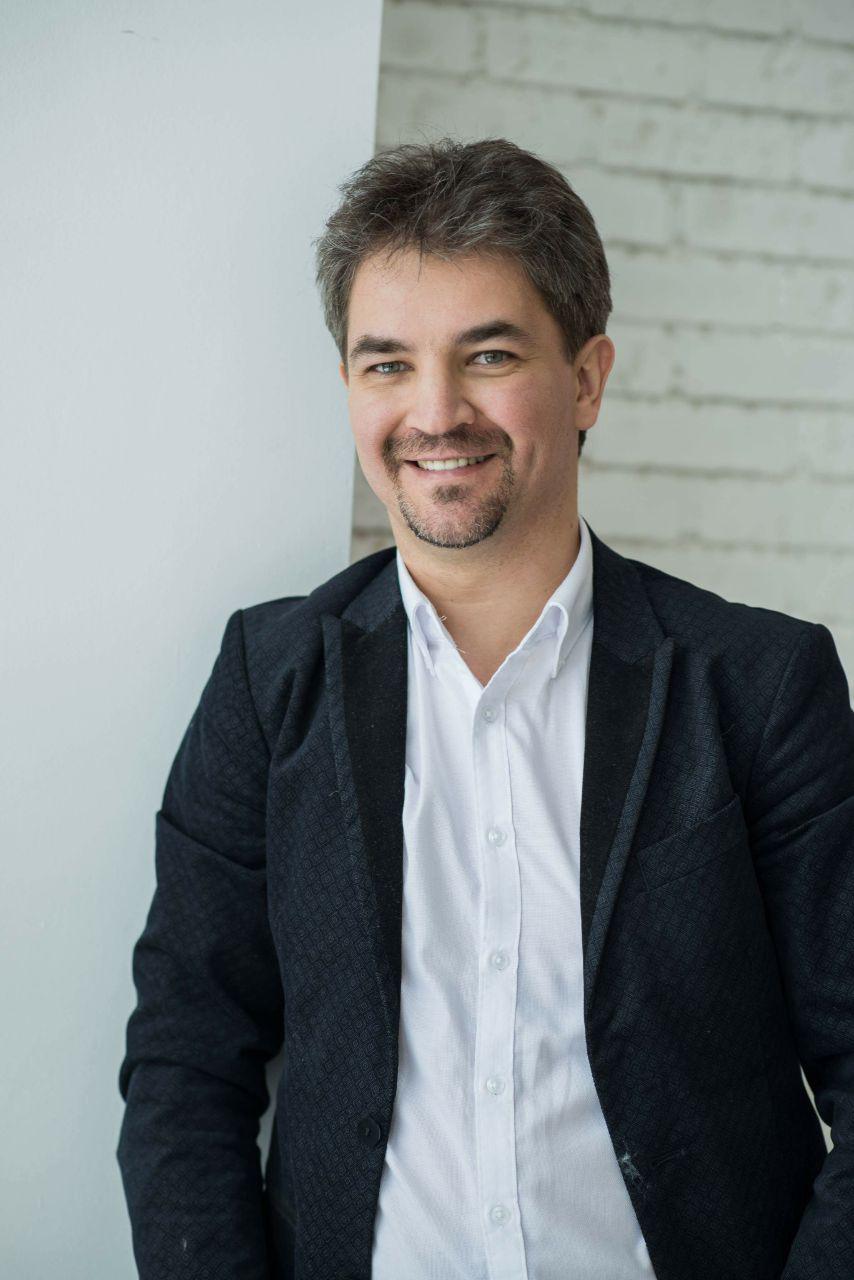
“For years, the Ukrainian-American business community was visible in Washington mostly as a humanitarian story,” Romanishyn said. “But on April 16, 2026, it came to Capitol Hill as an economic argument, with data, a capital model and a legislative agenda.”
For Nova Ukraine CEO, Ambassador Erin McKee, the presentation of the UA2USA Business Index on Capitol Hill marked an important step toward changing the conversation about the Ukrainian community in the United States - from a humanitarian cause to an economic case.
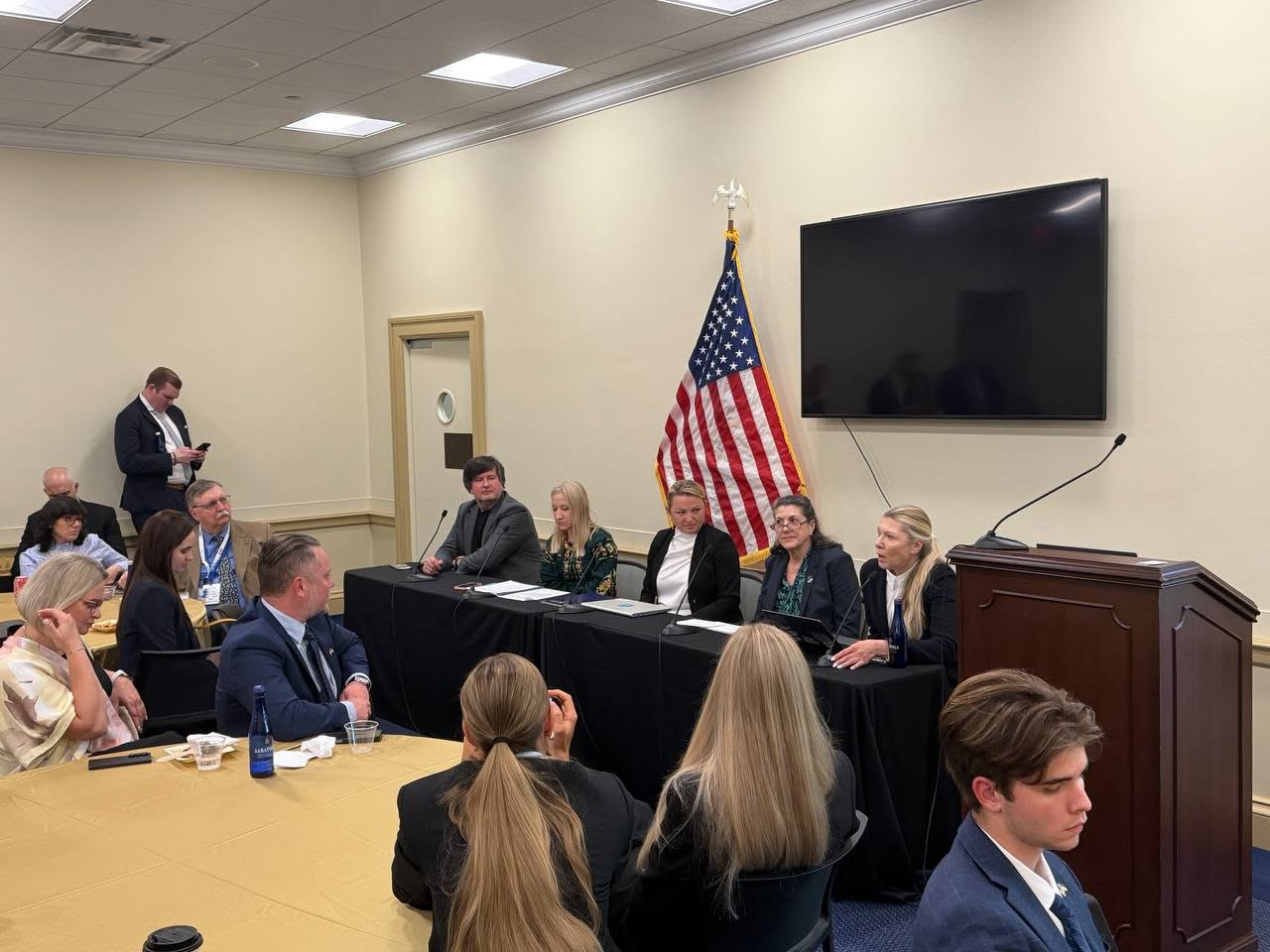
“It was an opportunity to let Members of Congress know that Ukrainian American businesses are an asset to the U.S. Across the country, they’re creating jobs, generating real revenue, and strengthening local economies,” McKee said.
A similar message came from Rep. Mike Quigley, a co-host of the UA2USA Capitol Hill Business Dialogue. For Quigley, the discussion of Ukrainian-American businesses extended well beyond economics, linking their success to Ukraine's future and to the lives of the Ukrainians who have rebuilt their lives in the United States since Russia's full-scale invasion in 2022.
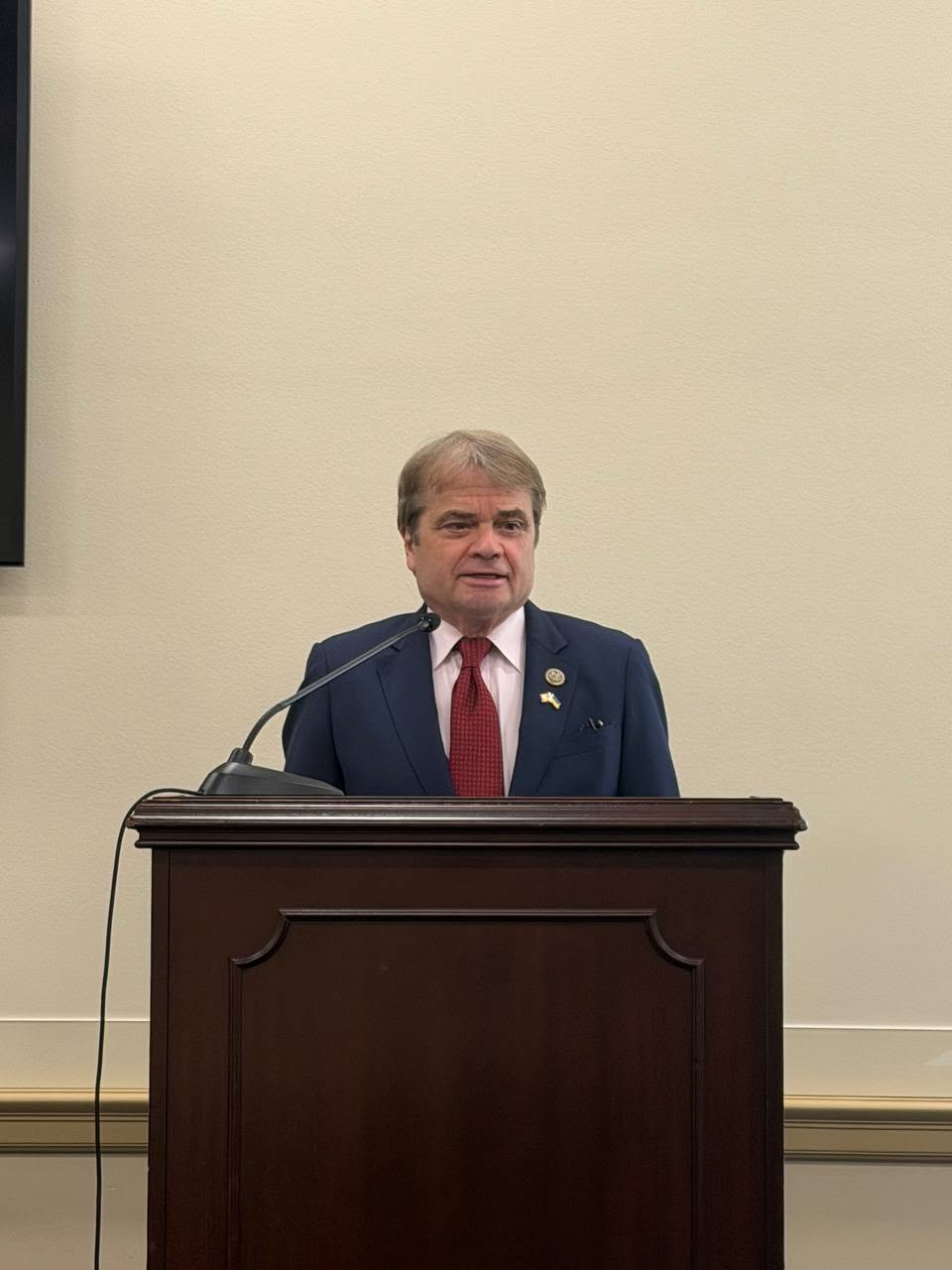
“I want to help you do business. I want to help rebuild Ukraine,” Quigley said. “There’s a school in Chicago where there are Ukrainian kids who are refugees, orphans. The job is to help them now. The job is to help Ukrainian businesses in Chicago and in the United States thrive. But it all hinges on how things go in Ukraine.”
Quigley described the current moment as a turning point, one that will shape not only Ukraine's future but also the future of a new generation of Ukrainian immigrants and businesses establishing themselves in the United States.
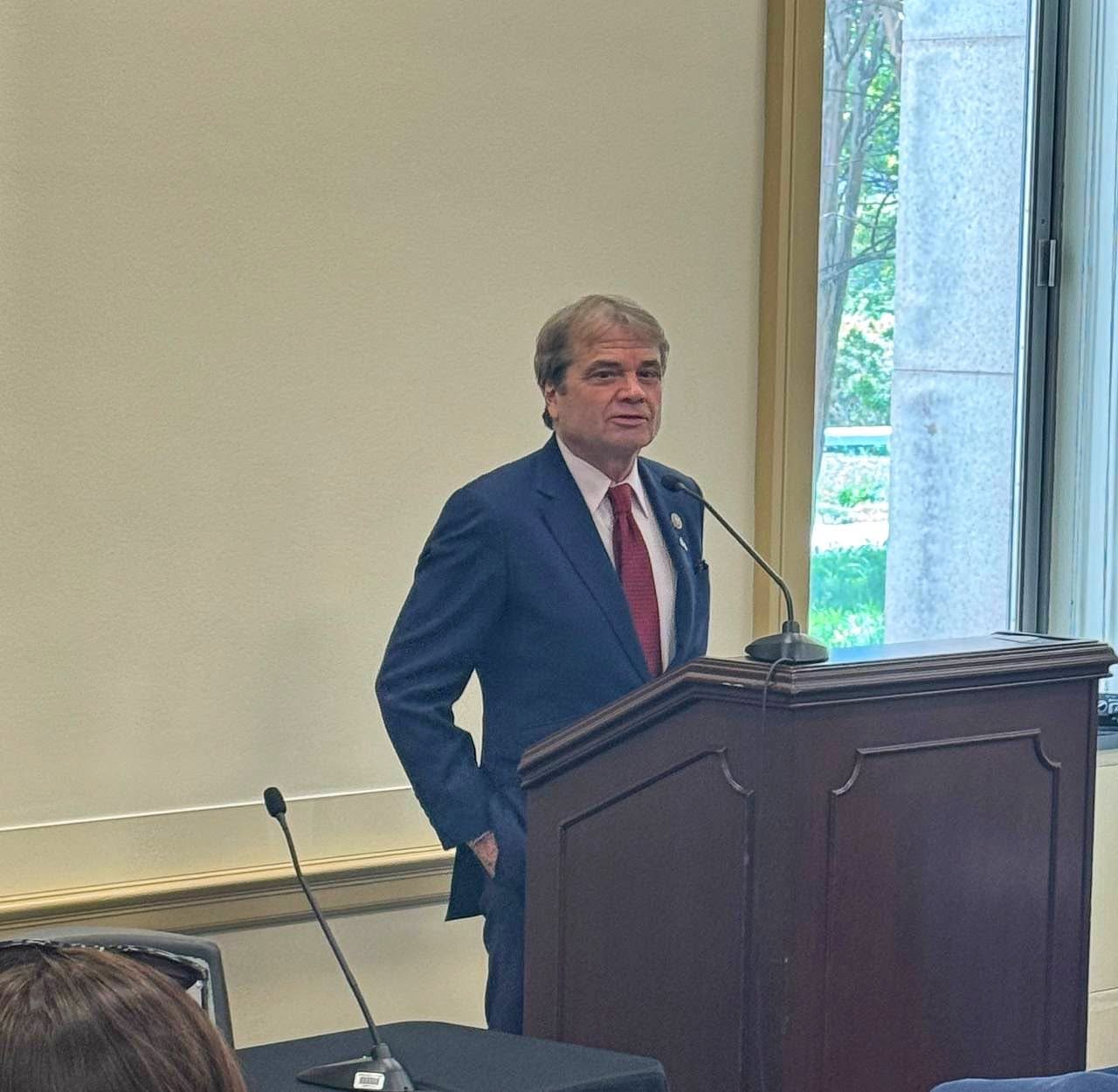
“It is a pivot point that we all must face and meet,” he said. “I want to help you move forward in the American dream.”
Eva Sigaev, president of the Ukrainian American Chamber of Commerce & Industry (UACCI), said the biggest challenge facing Ukrainian American businesses in the United States has never been a lack of successful companies. Rather, it has been the near invisibility of their economic contribution to U.S. policymakers and institutions.

“They said, ‘Ukrainians have great food and nice music, but we don’t see you. Can you provide us numbers?’ And that’s why this research was developed,” Sigaev said. “When we saw the numbers and realized how much money we were paying back to the American community, we were impressed. For now, the highest-leverage gap is policy support, access to capital and visibility - with visibility as the foundation that makes the others possible to interconnect. Going back to the research, we brought visibility. We are sharing the data.”
Nova Ukraine CEO, Ambassador Erin McKee said visibility is the key: “I would agree with visibility - keeping the reality, the facts and the truth front and center: that partnership with Ukraine - economic, humanitarian and security is good for America.”
Nova Ukraine is one of the leading Ukrainian advocacy organizations in the United States and a co-organizer of the Ukraine Action Summit, where Ukrainian Americans who are eligible to vote meet with members of Congress to advocate for continued U.S. support for Ukraine. For many lawmakers, those meetings and the arguments presented by constituents help shape decisions on military assistance, sanctions and long-term U.S. policy toward Ukraine.
According to Erin McKee, the data behind the UA2USA Business Index are becoming an increasingly important tool in advancing Ukraine's interests in Washington, particularly during meetings with lawmakers.
“When we meet with members of Congress, one question comes up again and again: How many Ukrainian businesses are operating in the U.S and in their districts? We need that answer to advocate effectively”, McKee said. “The first ISE study, the UA2USA Business Index, and now this second edition, give us something powerful: clear, credible proof of the real contributions Ukrainians are making throughout the United States.”
In the United States, business owners traditionally carry significant weight in the political process, and lawmakers often view them not only as constituents but also as employers and taxpayers, said Marianna Tretiak, President of the Board of the American Coalition for Ukraine, which coordinates congressional advocacy for Ukraine and mobilizes voters to engage with lawmakers.
“We are a country that prides itself on business,” Tretiak said. “In our political system, business owners have a big voice. They are not just people who live in a district and pay taxes as citizens or residents. They pay taxes as businesses. They employ people.”
Tretiak points to Valerii Iakovenko, founder of DroneUA and Agroforce, as an example. His company operates in Pennsylvania, creating jobs and paying taxes in the United States while maintaining deep business ties to Ukraine. Iakovenko participated in this year's Ukraine Action Summit, where, Tretiak said, he met with members of Congress as a constituent and was able to demonstrate both his company's economic impact in Pennsylvania and the strategic value of supporting Ukraine.
“At our last summit, Valerii Iakovenko took a lot of big meetings in Pennsylvania as a constituent,” Tretiak said. “He was able to highlight the impact of his business in Pennsylvania, but he was also able to showcase the upside of what Ukraine is doing and the importance of U.S. support for Ukraine because this is good for the United States.”
In Tretiak’s view, Ukrainian American businesses should become a more important part of Ukraine’s advocacy infrastructure in the United States. Civic organizations, churches and schools have long formed the base of pro-Ukraine networks across the country. Now, she said, companies founded by Ukrainians can become part of that coalition as well.
“I always encourage every state delegation to maintain a list of the key stakeholders who support Ukraine in a particular district or state,” Tretiak said. “In Pennsylvania, for example, we can put together a list not only of nonprofits, schools, civic organizations and churches, but also of businesses that support Ukraine or are owned by Ukrainians. That gives us another way to demonstrate the value of this community in a congressional district and show that its impact extends across many different aspects of local life.”
From Data to Influence: UA2USA Expands Across the States
The UA2USA Business Index was not designed as a one-time study but as an ongoing analytical platform that is gradually moving to the level of individual U.S. states, Romanishyn said. Its findings, he argued, can serve not only Ukrainian advocacy efforts but also state governments, creating a new layer of economic and political synergy.
The team plans to adapt the index to local conditions and develop state-specific recommendations — from regulatory changes to business-support programs - that can be presented at local forums.
“For each state, we will produce a tailored set of recommendations on what needs to be improved and organize forums similar to the one we held in Washington,” he said.
The idea is to help state governments better understand the needs of Ukrainian American businesses and identify the sectors with the greatest potential for growth.
“States compete with one another to attract businesses through tax policy, incentive programs and access to capital,” Romanishyn said. “Our job is to provide them with the data and expertise they need to attract and retain companies that are already creating jobs and investing in local economies.”
Over the next several years, the team plans to expand the project to at least five to seven states, transforming the index from a nationwide study into a network of state-level snapshots of Ukrainian American business. The first focus states are Texas, Georgia, Illinois, California and Pennsylvania. At the same time, the initiative is expanding its outreach on Capitol Hill to more than 50 congressional offices in 2026, with the next annual benchmark, the UA2USA Business Index 2027, scheduled for release in the first quarter of 2027.
The effort underscores a broader message: Ukrainians are not simply recipients of assistance. They bring expertise, investment and economic value, working alongside American partners to strengthen local economies while building a foundation for Ukraine's future reconstruction.
DroneUA's expansion into the United States offers one example of that approach. Valerii Iakovenko, one of the pioneers of the drone industry in Ukraine and globally, considered technology hubs in California and Austin, Texas, before ultimately establishing the company's engineering center in Newtown, Pennsylvania. Speaking at the UA2USA Capitol Hill Business Dialogue, Iakovenko said the region encompassing Philadelphia, Delaware, New Jersey and New York has become a key hub for recruiting Ukrainian talent.
“We found that near Philadelphia, Delaware, New Jersey and New York, there is a huge Ukrainian community, about half a million people,” Iakovenko said. “For us, that is an important talent pool. We are trying to work with the diaspora and with the network of our partners who come from the wave of Jewish migration in the late 1980s and 1990s, when many people left Ukraine for the United States. Here, we can find the specialists we need, as well as support through contacts that can help us further develop the business.”
Iakovenko stressed, however, that while the Ukrainian diaspora plays an important role, long-term success in the United States depends on building strong ties with local communities and the broader American economy.
“Our business receives support from the Ukrainian community in the form of human capital, technology and knowledge-sharing,” Iakovenko said. “But our expansion in the United States is supported to a large extent by the local community. Without that support, it would be extremely difficult.”
According to Yakovenko, one of Ukraine’s most important contributions is the experience and technology developed during the war. He believes Ukrainian innovations could significantly strengthen the U.S. economy.
“The technologies being developed in Ukraine are no longer just military or dual-use technologies,” Iakovenko said. “They are commercial technologies that can be applied across a wide range of engineering sectors. Ukraine's experience has the potential to strengthen the U.S. economy so significantly that it would be a mistake not to seize this opportunity.”
Iakovenko emphasized that the economic partnership between Ukraine and the United States must be a two-way relationship.
“This is not a one-way street,” Yakovenko said. “If we receive support, including financial support, we also have to give something back.”
Yakovenko said operating in the United States has helped Ukrainian entrepreneurs better understand the rules of global business and gain access to capital. He urged Ukrainian business leaders to speak more openly about Ukraine's economic potential and the value Ukrainian companies can bring to the global economy.
“Building a business here, understanding the rules and having access to capital can help any Ukrainian entrepreneur achieve global success,” Yakovenko said. “Ukraine is a force, an economic force, a defense force and a force of opportunity. We simply have to talk about it more. These numbers need to be shared as widely as possible, because this is the reality. We are changing the situation.”
How Ukrainian Business in the United States Could Become a Strategic Asset for Ukraine’s Reconstruction
For Romanishyn, the UA2USA Business Index is more than an economic study. He sees it as a tool for a new model of Ukrainian business diplomacy in the United States. In his view, bringing the business community into Ukraine's advocacy efforts could fundamentally reshape how Ukrainian interests are advanced in Washington.
“It is important for Ukraine not to overlook the fact that there is a force in the United States that can become an asset for business diplomacy and strengthen Ukraine’s negotiating position,” Romanishyn said. “Right now, much of the effort depends on volunteer movements and civic organizations, but they have their limits. When the business community becomes part of the conversation, it elevates the discussion to an entirely different level.”
At the same time, Romanishyn argues that if Ukraine wants to engage Ukrainian American businesses in the country's postwar reconstruction, it must treat them first and foremost as American companies, using the same investment, financing and risk-sharing tools available to other U.S. businesses. He also sees a central role for the UA2USA platform, which he believes can serve as a bridge connecting data, business leaders and concrete investment projects.
“If we want to bring Ukrainian American businesses into Ukraine’s reconstruction, we have to understand that these are American companies like any others,” Romanishyn said. “Yes, they may have a Ukrainian background or Ukrainian roots among their founders, but they need to be engaged through the same mechanisms used with other American companies - guarantees, risk-sharing and other business tools. The main task now is to connect the data with real people and concrete investment pipeline projects. That is the kind of bridge the UA2USA platform can help build.”
Romanishyn argues that the unique strength of the Ukrainian American business community lies in the trust it has earned in both the United States and Ukraine. Yet he believes that potential remains largely untapped.
How Ukraine Is Trying to Turn Reconstruction Into a Global Investment Opportunity
“Ukraine is open for business,” said CEO of Nova Ukraine, Ambassador Erin McKee, describing the country's economic outlook. Speaking about economic cooperation and reconstruction, she said Ukraine's resilience is already creating new opportunities for American companies.
“What's remarkable is that, despite the war, businesses are continuing to operate,” McKee said. “We also heard that Ukraine's GDP is now above its prewar level. That's extraordinary. If you're an investor or an American company looking to expand, that sounds like a very attractive opportunity to me.”
Speaking in Washington, National Bank of Ukraine Andriy Pyshnyy urged investors not to wait for the war to end, but to invest in Ukraine now.

“My message to potential investors today is simple: Come to Ukraine,” Pyshnyy said. “We are ready to welcome you, and you will have our full support. Ukraine is no longer a question. Ukraine is the answer.”
Pyshnyy portrayed Ukraine as a country that has not only withstood more than three years of full-scale war but has also developed a unique ability to operate under constant uncertainty - an experience that is drawing growing interest from Western partners.
He said Ukraine's banking system "did not stop for a single minute" after Russia's full-scale invasion, and that the country has learned not only to survive crises but to adapt and evolve under pressure. Pyshnyy also noted that Federal Reserve Chair Jerome H. Powell used the word "uncertainty" seven times during one of his recent speeches. For Ukraine, he said, uncertainty has long been an everyday economic reality.
“For Ukraine, uncertainty is routine,” Pyshnyy said. “The rest of the world is only beginning to live with uncertainty. We have already learned how to manage it.”
A central theme of Pyshnyy's remarks was "antifragility" - the ability of systems to emerge stronger from periods of crisis. He argued that Ukraine's ability to function under the pressures of war, risk and constant change could become one of the country's most undervalued exports to the West.
At the same time, Pyshnyy stressed that Ukraine's postwar recovery will require large-scale private investment.
According to the World Bank, rebuilding Ukraine will require an estimated $588 billion over the next decade, with at least 60 percent of that total expected to come from private investors.
A separate session focused on how Ukraine can attract large-scale international investment for its future reconstruction. Organizers framed the discussion around a new narrative for Ukraine — one centered on America's economic interests, private investment and the country's long-term recovery. Representatives of Franklin Templeton and the Ukrainian government discussed an investment model that could connect American private capital with Ukraine's reconstruction program.
Marius Dan, Chief Executive Officer for Central Asia for Templeton Global Investments presented the national investment fund model that Franklin Templeton has already implemented in Romania and Uzbekistan to reform state-owned assets and attract global capital. Under the model, the government transfers stakes in major state-owned companies into an investment fund, while professional international asset managers restructure those companies, improve corporate governance and prepare them for listings on international stock exchanges.
“Investors are essentially buying access to the country through the fund,” Dan said. “For Ukraine, this is more than just an investment vehicle. It is capital that can be used to rebuild assets and modernize the economy. At the same time, the government does not have to sell those assets at today's depressed prices. Once companies undergo governance reforms and become more efficient, they could be worth significantly more in a few years.”
Dan said international interest in Ukraine is already exceptionally strong and is expected to grow even further once the war ends.
“There is an extraordinary level of trust and goodwill toward Ukraine around the world. Many investors will want to take part in the country's reconstruction. We are talking about multibillion-dollar funds capable of mobilizing hundreds of millions and eventually billions of dollars to rebuild state-owned assets,” Dan said.
Dan argued that Ukraine's biggest challenge is not a lack of capital, but the political will and commitment to implement reforms.
According to Franklin Templeton's estimates, a national investment fund for Ukraine could range in size from $1.5 billion to $2 billion to as much as $8 billion to $9 billion, depending on which state-owned assets are included in the portfolio.
Speaking in Washington, Daria Marchak, Ukraine's deputy economy minister, outlined the government's strategy for attracting investors even during wartime. She said the effort centers on privatization, professional management of state-owned assets and expanding war-risk insurance to reduce the risks for international businesses.
“Our philosophy is that we are not waiting for the war to end,” Marchak said. “We are already working with our international partners to develop risk insurance mechanisms for investors who are ready to enter Ukraine and participate in privatization.”
She said Ukraine sees privatization not simply as a way to raise money, but as a means of reshaping the country's economic governance — by introducing professional management, drawing on international expertise and reducing the state's role in the economy.
In a written statement, the Embassy of Ukraine in the United States said: “The Embassy of Ukraine supports all forms of bilateral economic cooperation that benefit both Ukraine and the United States. Ukrainian American companies contribute to local economic growth and create jobs across the United States. At the same time, they are trusted partners for America's participation in Ukraine's reconstruction. Their experience operating in both Ukraine and the United States gives them a unique combination of knowledge and expertise that few other companies possess. That, in turn, strengthens the prosperity and security of both the United States and Ukraine.”
Nova Ukraine CEO, Ambassador Erin McKee argued that governments, nonprofit organizations and the private sector must work together rather than in parallel.
“None of us — not the private sector, not governments and not nonprofits can do this alone,” McKee said. “That is why strong partnerships and building those connections are essential to sustaining long-term engagement, cooperation and support.”
Looking ahead, McKee described the economic ties between the United States and Ukraine as a strategic bridge that will remain important long after the war is over.
“That is why American business will create new opportunities. That’s the power of partnership. That’s the power of strategic investment,” McKee said.
The Transatlantic Infrastructure of Business Trust: Linking U.S. Economic Interests to Ukraine's Reconstruction
Romanishyn said the UA2USA platform is designed to operate simultaneously in two political and economic arenas. On one level, it seeks to strengthen the advocacy infrastructure for Ukrainian American businesses within the United States - at the state level, through regulatory policy, local economies and business associations. On another, it is building the framework that will allow those same companies to play a larger role in Ukraine's reconstruction while forging a new generation of transatlantic economic ties.
“There are two key tracks,” Romanishyn said. “The first is advocacy around domestic issues and domestic policy in the United States. The second is using business as an asset for Ukraine's reconstruction and international business advocacy. These two stories are stitched together by one goal, and an entire ecosystem can be built around that.”
In a broader sense, UA2USA is an attempt to build a new infrastructure for Ukrainian American relations - one in which humanitarian support is increasingly complemented by economic interests, investment and long-term partnerships. The platform is conceived as a two-way economic bridge between Ukraine and the United States: a system through which capital, data, business relationships and political signals can move in both directions.
Its central idea is to create synergy among U.S. states, international investors, Ukrainian American businesses and Ukraine's future reconstruction.
In doing so, UA2USA seeks to turn Ukrainian American business from a collection of disconnected diaspora success stories into a full-fledged ecosystem of influence - a network capable of operating both as part of the U.S. economy and as a future transatlantic mechanism for Ukraine's recovery.
The platform's next step is the second edition of the UA2USA Impact Study, featuring state-by-state analysis. The study is being prepared by ISE Group in partnership with Nova Ukraine, a collaboration formalized at the Harvard Kennedy School in March 2026 that builds on Nova Ukraine's network across all 50 states. The initiative will be followed by the annual UA2USA Index 2027. Companies interested in participating in the next phase of the study can register at https://ise-group.org/yourstory
