American and Ukrainian surgeons collaborate on complex facial reconstructions at Lviv’s Okhmatdyt Children’s Hospital, combining surgical expertise, custom implants from Dallas, and a partnership built over years.
Some of the most demanding reconstructive surgeries at Okhmatdyt are planned up to half a year in advance. Ukrainian and American surgeons met online to discuss how to rebuild missing or severely deformed facial bones, using custom titanium implants and bone grafts from the patients themselves.
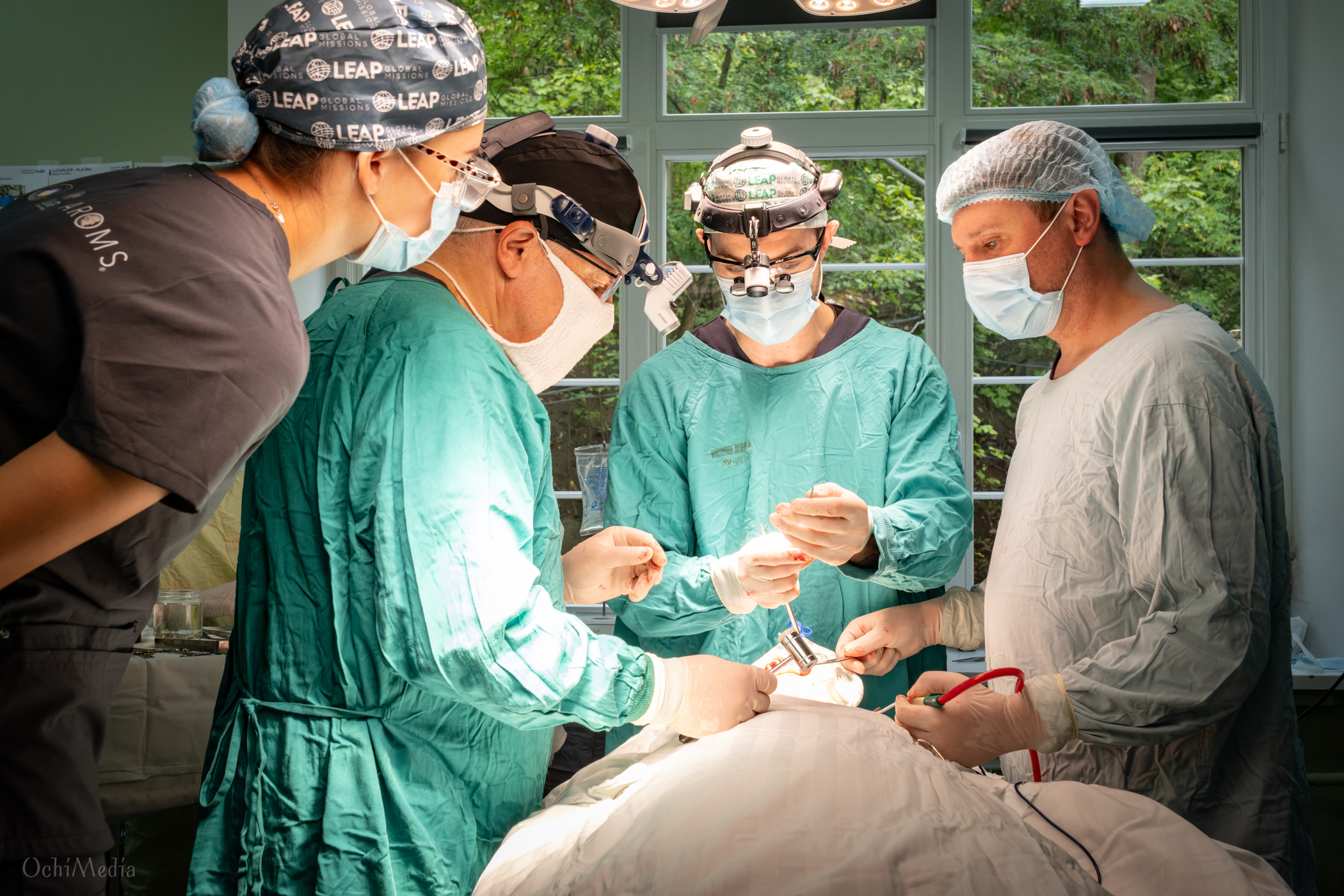
In September 2026, Ukrainian surgeon Khrystyna Pohranychna and her colleagues worked alongside American surgeons John Sands and John Frodel on some of these cases. About 15 operations were scheduled, primarily for children with congenital facial conditions and injuries.
Bringing the surgeons, patients, and specialized equipment together required coordination between the Lviv-based Christian Medical Association of Ukraine and its U.S. partners: LEAP Global Missions, Ed’s Friends, and AROMS.

MedCAD, a Dallas-based medical technology company, provided the computer modeling, 3D models of the facial skeleton, and custom implants. With this support, the medical team reconstructed the jaws of two young patients using custom plates and bone grafts.
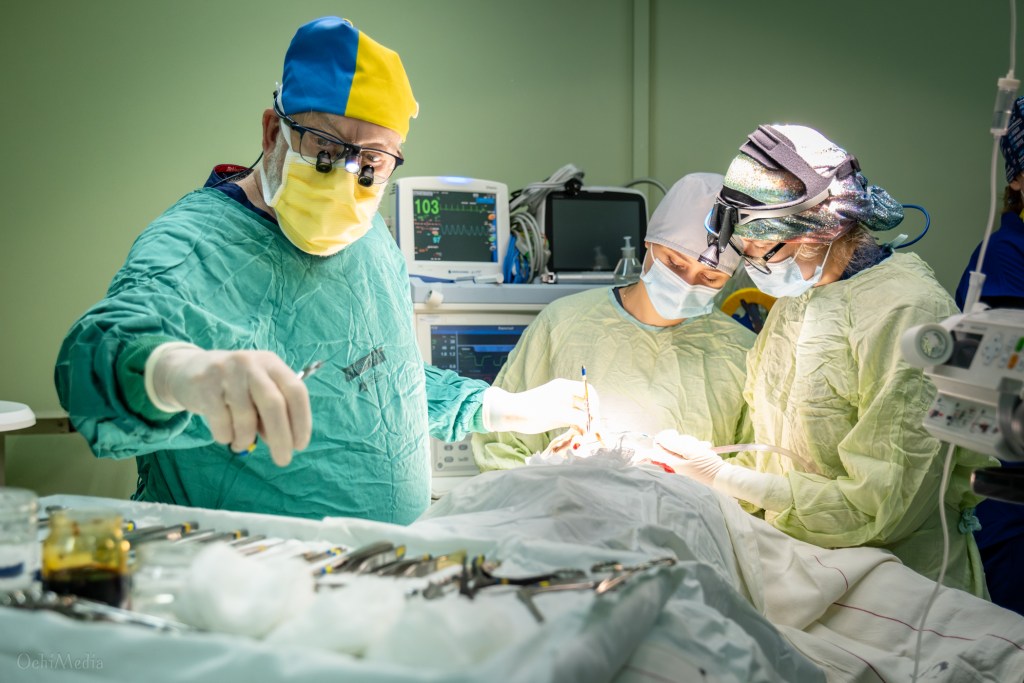
Ukrainian surgeons Roman Ohonovskyi and Yurii Melnychuk worked closely with Sands on cases involving patient-specific implants. Both also teach at Danylo Halytsky Lviv National Medical University, passing their clinical experience to the next generation of doctors.
Neither American surgeon was new to Ukraine. Sands was on his fourth mission since May 2025. Frodel, who has worked with several medical mission groups since 2022, was completing his 14th. Their skills complement each other: Sands focuses on reconstructing facial bones, while Frodel works on the nose and soft tissues. Their repeated visits have also allowed them to follow patients through multiple stages of reconstruction and develop long-term relationships with Ukrainian colleagues.
The surgeons also performed a second major operation for 20-year-old Yana Horbatiuk from Rivne, whose treatment with the team began in October 2025. According to Sands, she is now nearing the final stages of her surgical treatment.

Yana was born with hemifacial microsomia, a condition in which one side of the face does not fully develop. After three surgeries in early childhood, she spent years being turned away by doctors across Ukraine or told to wait until she stopped growing.
“I never imagined that surgeons from America would fly to me,” she said. “Not me flying to them, but them coming to me.”
On each mission, American and Ukrainian specialists plan cases together and work side by side in the operating room. Among them was Ukrainian orthodontist Andrii Miskiv, who assisted Sands during surgeries. His involvement connects the reconstructive operations with orthodontic treatment before and after surgery, including the correction of patients’ bites.
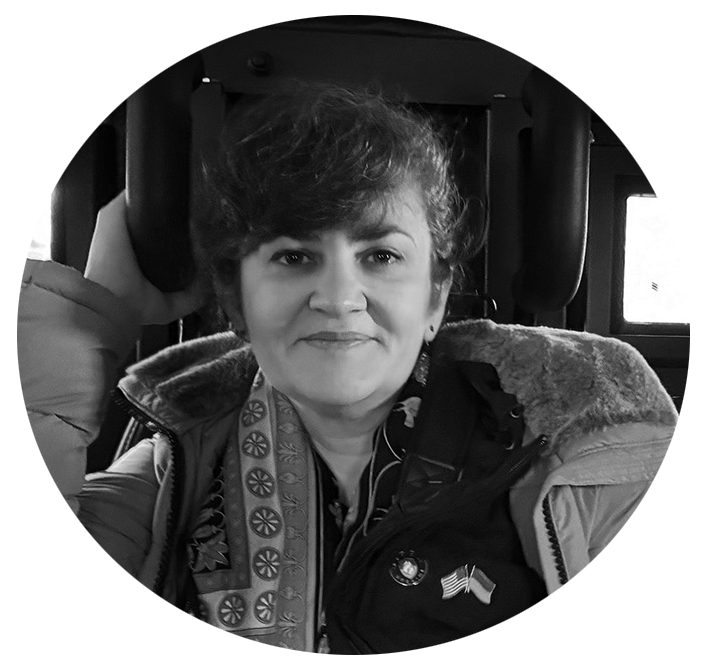
Some of Pohranychna’s patients come from frontline areas, where families often cannot access even basic treatment planning. With medical resources limited during the war, her team has had to find ways to keep treatment costs down.
But the work doesn’t stop when the visiting doctors leave. The Okhmatdyt reconstruction team performs complex surgeries independently between missions, and each visit from their American colleagues further strengthens their ability to take on more demanding cases.
“We’ve gained more confidence in ourselves. We have more experience,” Pohranychna said.

For Sands, the follow-ups are the most rewarding part: “It’s just crazy to think that we have some patients that we’ve been following for over two years, and just seeing how they’ve gone from their first surgery to today, how well they’ve healed, how happy they are, and how their quality of life has improved.”
The missions have also become a way to stay connected with Ukrainian colleagues and patients throughout the war.
“It reminds everyone that the world still cares and that we’re all still involved,” Sands said. “I’ve come to appreciate how much we lift each other’s spirits, almost as much as the impact of the surgeries we do.”

Ukrainian surgeons deeply appreciate the courage of their American colleagues, who travel to Ukraine during the war to operate alongside them. Working relationships have grown into close friendships, and so have bonds with some patients.
Reflecting on what keeps bringing him back, Sands put it simply:
“You come because of the war, but you stay because of the people.”
Disclosure: The author accompanied the September 2026 medical mission in Lviv as a documentary photographer and videographer.