


The Revived Soldiers Ukraine charitable foundation has been operating in the United States since 2015. It all started with a desire to help a few soldiers with their treatment, but later this initiative grew into an international activity to support Ukrainian defenders. In our conversation with Iryna Vashchuk-Disipio, President of Revived Soldiers Ukraine, we talk about how the foundation's activities have changed since the start of the full-scale invasion, as well as Ukrainian soldiers' injuries, prosthetics and rehabilitation.

- The Revived Soldiers Ukraine charitable foundation was established in 2015. How did you start your activity and what was the scale of appeals at the beginning of the war?
- In 2014, as soon as the severely wounded started arriving in military hospitals, I started to deal with the complex treatment of soldiers. We negotiated with some of the best American hospitals, and they took them in free of charge. They set up beds on international Ukrainian airlines and transported seriously wounded Ukrainian soldiers to New York.
As early as 2015, we opened the Revived Soldiers Ukraine charitable foundation to simplify the documentation system. Then we started bringing Ukrainians not only for treatment, but also for long-term rehabilitation. The first soldiers, paralysed from the chest down, were admitted to the NextStep centre in Los Angeles for long-term rehabilitation in the US in mid-2015. Then we sent them home, brought others and realised that there were a lot of very difficult cases, we could not keep several people for six months.
And in 2018, I decided that we would open a NextStep rehabilitation centre in Ukraine, in Irpin. I wanted to do it with someone, buy equipment, train specialists and let them go on their own, so I travelled a lot to Ukrainian rehabilitation centres and hospitals. But it didn't work out that way. So this year we set up the Revival of Ukraine's Defenders charitable foundation to run the NextStep rehabilitation centre and help pay for the medical costs of the military in Ukraine.
We realised that the military could not get proper treatment for free because private clinics were still charging them. So we started taking care of these cases not only in the US, but also in Ukraine. We even paid for chemotherapy for soldiers with cancer. We continued to bring the most seriously wounded to the United States. By the time the full invasion began, it was about 12-15 soldiers, and up to a hundred more a year were receiving help from us in Ukraine. We were a small charity.
- How did things change once the invasion began in earnest?
- We were actively involved from the very beginning of the invasion. The Foundation's volunteers and the Ukrainian community in the United States, who had previously been able to help a few times a year, began collecting donations on a daily basis, buying bulletproof vests, drones, cars, ambulances and other items for the army. We began receiving requests from Ukrainian military and civilian hospitals, and purchased medical equipment, including portable X-ray and ultrasound machines. Some requests were passed on to partner foundations.
We realised that the losses and consequences of this war would be very high, and around the summer of 2022 I started thinking about expanding the rehabilitation centre in Irpin, which had miraculously survived the occupation, and building another NextStep in Lviv. We bought a building there and within a year had it up to all medical standards. This centre opened in November 2023.
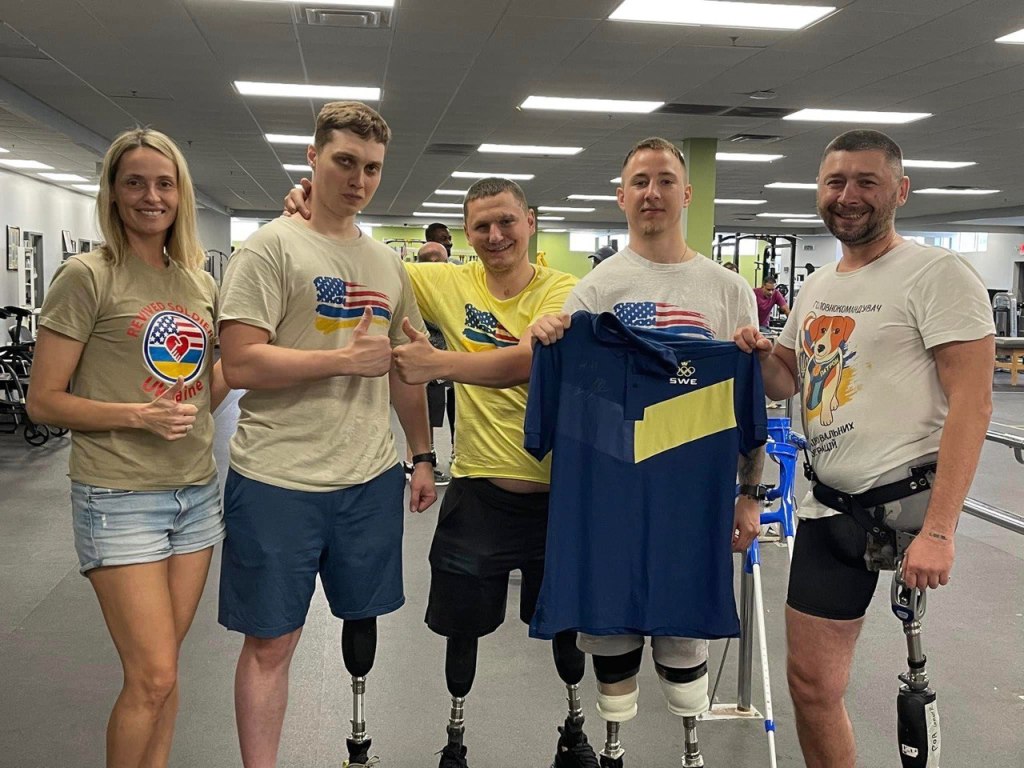
The number of enquiries from the USA has increased. They were both complex treatments and complex amputations. We started doing bionic prosthetics on a large scale, double and triple prosthetics. We brought the wounded to the USA who had been refused help in Ukraine. The experience of prosthetists in the US is much greater. In Orlando, for example, the Prosthetic and Orthotic Associates centre has been fitting 'legs' to the military since 2016. If we're talking about double-high prostheses, a person stays here for three to five months, every day at the prosthetic centre. We have also had cases where we have admitted military personnel with high double amputations. Not only do we fit them with prostheses, but we also teach them how to use them. The same goes for treatment - there are cases that take six months, a year and sometimes more. One soldier from the Alpha Special Forces Unit has been with us for two years. It is a very complicated and long process that requires a lot of resources from our charity and a lot of volunteers.
- How many patients have you treated in Ukraine?
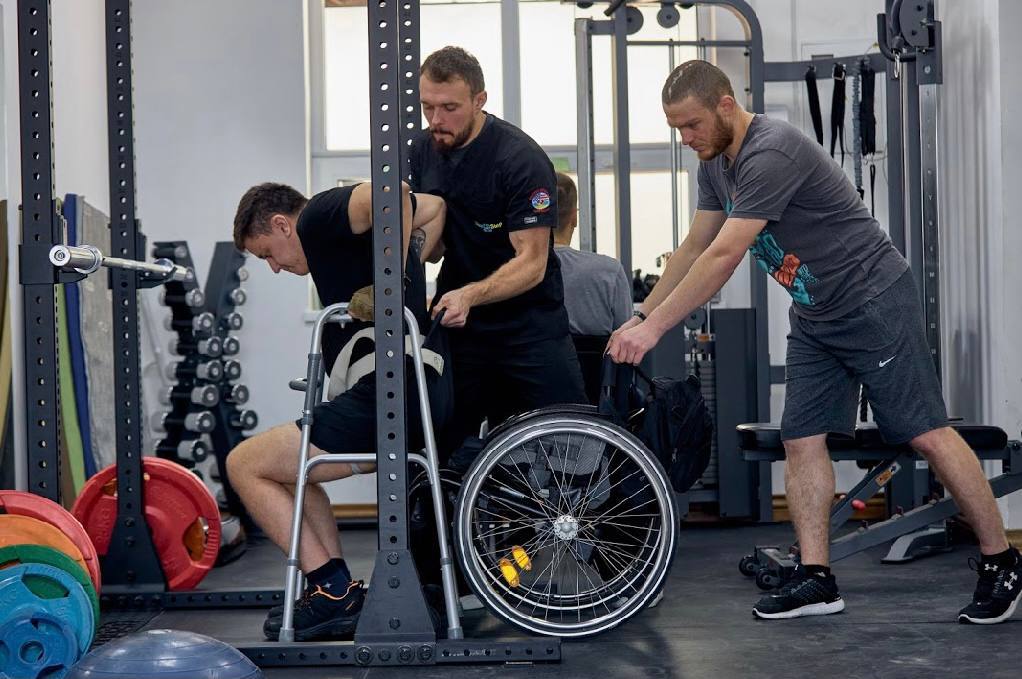
- Over the past year, we have admitted about 300 severely wounded soldiers for long-term rehabilitation in Ukraine: about 150 soldiers each in Lviv and Irpin. We are talking about complex cases, people who are in wheelchairs: with spinal cord injuries, traumatic brain injuries, peripheral nervous system injuries, when the nerve endings in the arms or legs are affected, and we restore sensitivity. There are many, many such cases. But you have to understand that people do not recover 100% after a neurotrauma, they recover partially and they need rehabilitation in a year.
In my opinion, our NextStep rehabilitation centres are the best in Ukraine in terms of neurotrauma. Our rehabilitation specialists travel to the USA to improve their skills and we have adapted equipment. We cooperate with Brooks Rehabilitation Hospital, they share their experience with us and recommend something if there are good things for rehabilitation.
- What usually causes these injuries to the central nervous system?
- When it comes to traumatic brain injury, we are talking about bullet or shrapnel wounds to the head. They also include strokes, when half of a person's body is removed, and gunshot wounds to the spine and neck. Leg and arm amputations and injuries to the peripheral nervous system are usually caused by shrapnel and bullet wounds. These are also injuries sustained when a soldier jumps into a trench or goes swimming incorrectly, dives and breaks his neck. In other words, these are injuries sustained both on the front line and in everyday life, because we work not only with active military personnel, but also with veterans of the Russian-Ukrainian war who have not served for years.
- And what kind of prosthetics do they need most?
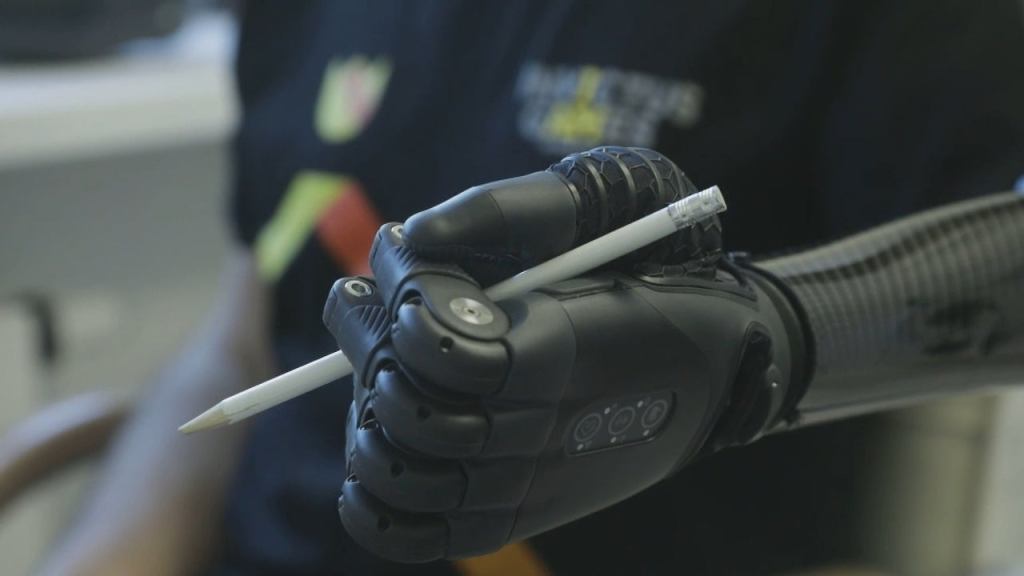
- We get a lot of requests for prosthetic hands. Of course, everyone wants a bionic prosthesis, which is an electric arm prosthesis that helps a person live a more functional life. However, this area is not well developed in Ukraine due to expensive spare parts and a lack of experience among prosthetists.
We also don't often bring our military to the US for prosthetic hands because it's expensive. For example, a prosthetic arm costs us $35,000, while a prosthetic leg costs $25,000. At the same time, in our experience, military personnel use their legs more than their arms, and the latter's prostheses break more often because they are high-tech items that need constant repair.
- How did support for the Foundation change during the full-scale war?
- When the full-scale war started, a lot of Americans joined us. If in 2014 they said they had their own severely wounded soldiers and would help them first, in 2022 the Americans were completely open to helping Ukraine and especially Ukrainian veterans. They no longer believe that the Ukrainian military is 'not theirs'; on the contrary, they say that if it were not for Ukraine, our children would be fighting there.
Of course, all this is slowly fading away, and you don't hear much about Ukraine on TV. The American support is still there, but maybe 20-25% of what it was is left.
- How do you manage to complete the fundraising? Are you attracting other funds and companies?
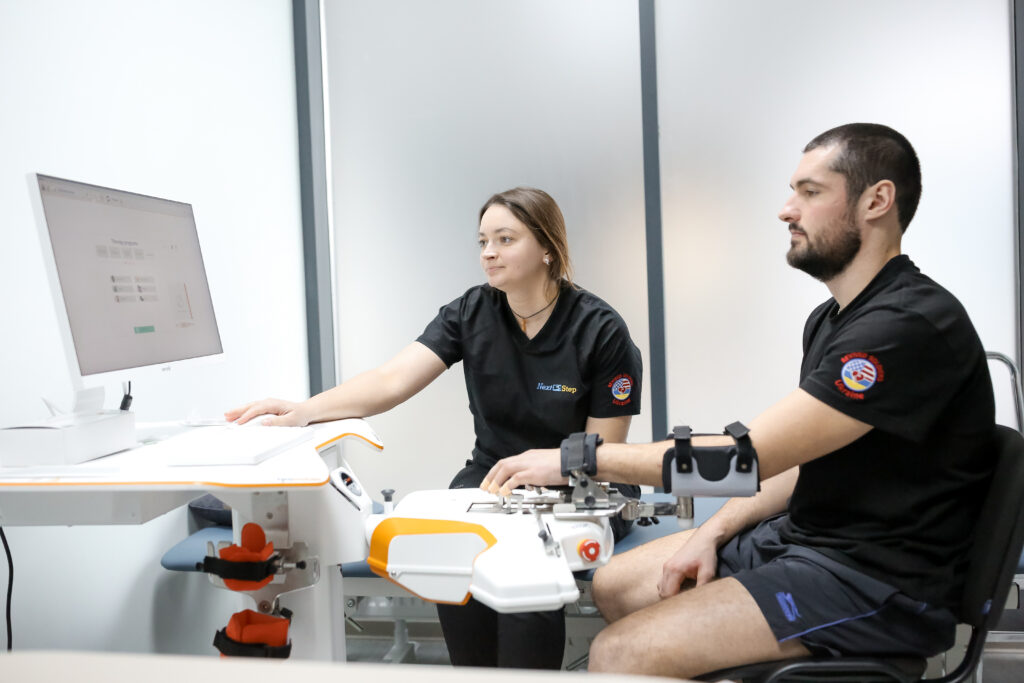
- We work closely with the American Brother's Brother Foundation. They help us a lot with the purchase of rehabilitation equipment. For example, thanks to this foundation, we are now importing the first medical rehabilitation simulator for hands to Ukraine, which costs $65,000. Before that, in 2022, they had already bought several pieces of equipment for us to have in Ukraine.
We are also supported by Ukrainian charitable foundations, cultural centres, churches, museums and institutes. The Ukrainian diaspora in the United States helps us a lot in raising funds for the rehabilitation of severely wounded Ukrainian soldiers, and we do a lot thanks to them.
Anastasia Krupka