


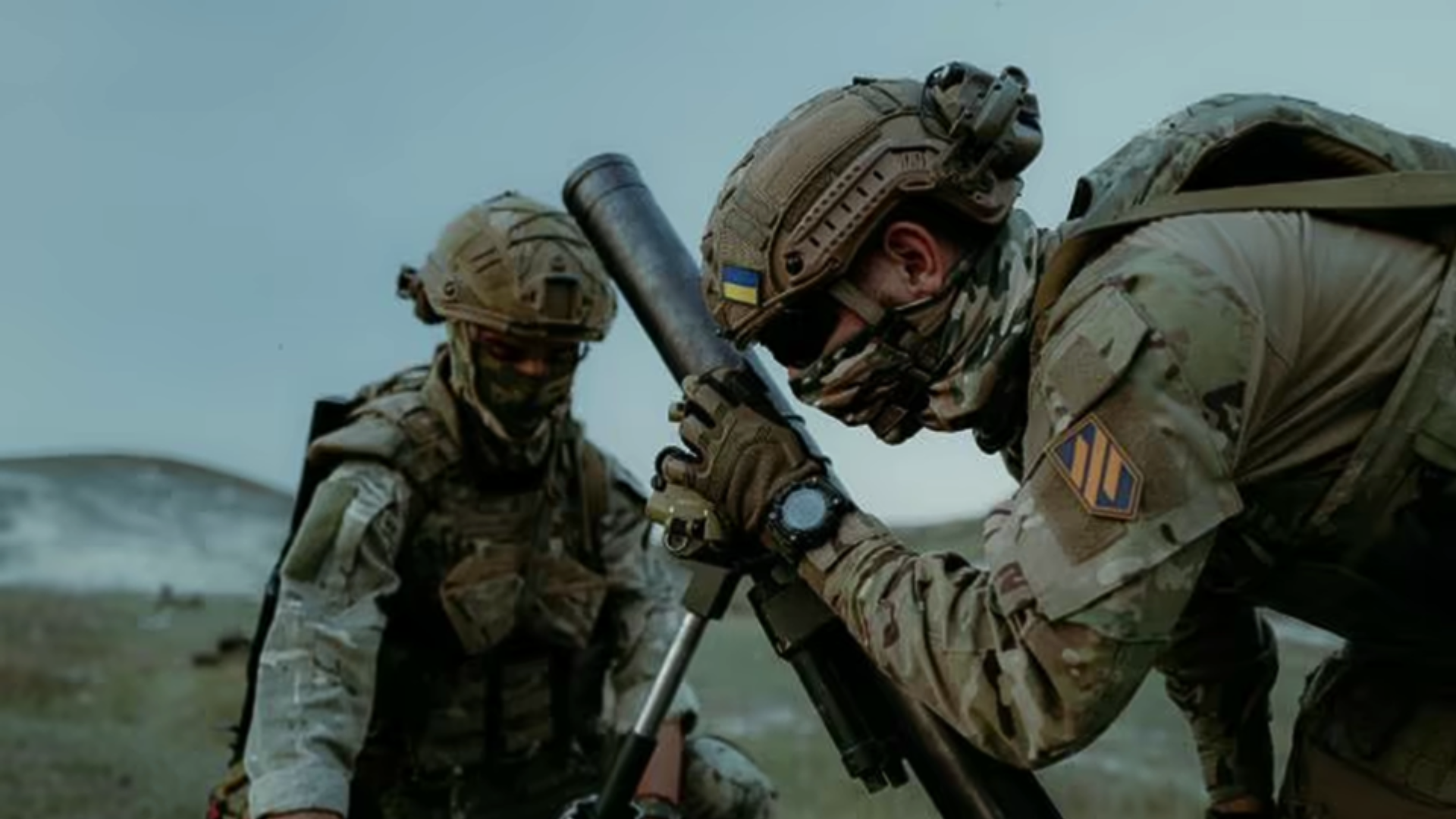
As Ukraine enters the fourth year of its full-scale war with Russia, it finds itself in an increasingly precarious position, much like at the start of the invasion. Concerns are mounting that U.S. President Donald Trump could abandon Ukraine to appease Putin or even partner with Russia against Kyiv. However, in February 2022, few in the West thought Ukraine stood a chance against Russia. Once Ukraine gained the upper hand on the battlefield in 2022, Russia resorted to nuclear threats in a desperate attempt to reverse its setbacks.
Ukraine defied expectations throughout the war, successfully repelling Russia’s initial assault on Kyiv, reclaiming large portions of occupied land in 2022, and pushing Russian forces back in Kharkiv and Kherson. In 2023, Ukraine's defenders continued to hold the line in Bakhmut, Avdiivka, and other fiercely contested areas, enduring relentless Russian meat-grinder assaults.
When the U.S. Congress withheld weapons supplies for over six months starting in October 2023, Ukraine had to deal with severe artillery shortages. Forced to rely heavily on infantry to containing breakthroughs, it suffered heavy losses among its most skilled troops. The U.S. only finally provided Ukraine with long-range ATACMS missiles in April 2024 – a long overdue reinforcement.
Then, in August 2024, Ukraine stunned the world by launching a cross-border incursion into Russia’s Kursk region, seizing around 1,200 square kilometers of territory. The operation marked the first time foreign troops had invaded Russian soil since World War II. Former U.S. Secretary of State Antony Blinken stated, “The Kremlin often claimed it had the second strongest military in the world — and many believed it. Today, many see Russia's military as the second strongest in Ukraine."
Despite Moscow’s constant counterattacks, Ukraine has managed to hold its positions, forcing the Kremlin to redeploy troops from other fronts and even call in reinforcements from North Korea. The offensive further exposed Russia’s manpower shortages and logistical struggles, while demonstrating Ukraine’s ability to take the fight beyond its own borders. But Ukraine didn’t stop there. Building on its momentum, Ukraine has continued its offensives in Kursk.
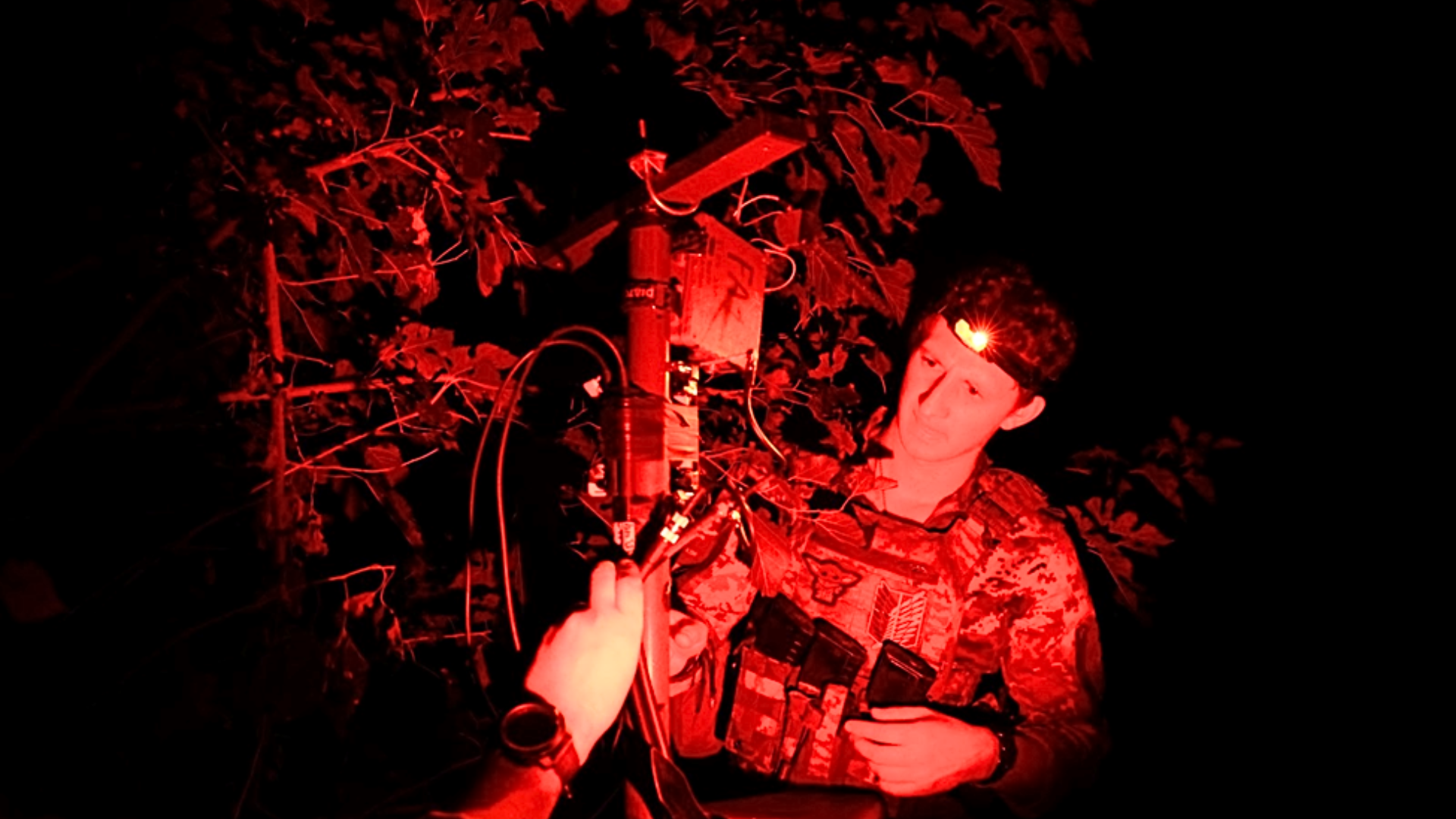
But Ukraine now faces another battlefront – one fought not with weapons, but with narratives. After years of relentless Russian disinformation campaigns, the effects are becoming evident. Reacting to Donald Trump’s increasingly pro-Russia stance, Ukrainian President Volodymyr Zelensky remained defiant, warned of negotiations happening behind Ukraine’s back. "I have a feeling that negotiations are taking place now with the same mood now – this time between representatives of Russia and the United States. About Ukraine, again about Ukraine and without Ukraine. I wonder why they believe Ukraine would accept all these ultimatums now if we refused them at the most difficult moment."
Denys Prokopenko, commander of the 12th Special Forces Brigade Azov of the National Guard of Ukraine, wrote on social media: “The courage of Ukrainian soldiers is envied by desk generals in every army in the world. The bravery and selflessness of Ukraine’s resistance are honored by millions.”
Yet as Western resolve weakens Ukrainian soldiers on the frontlines have no choice but to fight on. For them, the war is far from over.
Ukrainian Soldiers Reflect
For Andriy, known as "Muzyka" from the 59th Brigade, 108th Separate Mechanized Battalion (Da Vinci Wolves), the war has become a battle of endurance. He has watched countless patriots fall. Exhaustion is setting in, yet he remains certain that Ukraine can still win – if it receives the necessary support. "A lot of patriots have died. People are tired, but there are still many who can and will fight."
But sustaining the fight requires one key element: weapons. "If America continues to support us with weapons, the Russians will not be able to win this war."
The political debate in Washington over future aid to Ukraine means little to the soldiers on the front lines. Their message is simple. "Republicans or Democrats—it doesn’t matter to us. We need weapons."
Illia, known by his callsign "Malik," serves in the 13th National Guard Brigade (Khartiia) and has been fighting since the first days of the invasion.
"In 2022, almost everyone tried to contribute in some way, while others chose to flee—each followed their instincts. Back then, motivation was high. People formed volunteer organizations, joined Territorial Defense units, and did whatever they could."
But as the war dragged on, the sense of unity that defined the early months began to fray. While many Ukrainians returned to normal life, frontline soldiers and volunteers found themselves grappling with dwindling support. "Volunteers can no longer gather resources in the same volumes as before. Western partners no longer supply as many shells as they once did. Where we once had around 200 artillery rounds per day, now it’s far less," Illia said. "These days, nearly everyone not directly involved in the war just hopes it will resolve itself without them."
Dima, whose callsign is "Passport," is a Company Commander in the 98th Separate Territorial Defense Battalion, 108th Territorial Defense Brigade. For nearly three years, he has led his men into battle. Now, on the Southern Front in Zaporizhzhia Oblast, he commands a diverse group of foreign fighters, including Brazilians and Colombians,who have joined Ukraine’s struggle.

"In three years, I have seen so much devastation. So many people left without a roof over their heads, without homes. So many displaced, so many broken hearts. So many young men wounded, struggling, and psychologically shattered."
"Many have left Ukraine. Many no longer see a future for themselves here. I think many will never return."
"Parents are trying to take their children to Europe. Our population is shrinking. Many people don't grasp the reality of what’s happening. We need serious guarantees from the United States and Europe. We need stability in the coming years," Dima said.
"Of course, everyone is watching what’s happening, the meetings between the U.S. and Russia," he added. "There is a growing fear that soon, Ukraine will be left without support. If that happens, we won’t survive. That is the reality. Everyone understands that the economy is barely functioning. Most of what still works is sustained by foreign capital – aid that keeps us going."
What Comes Next?
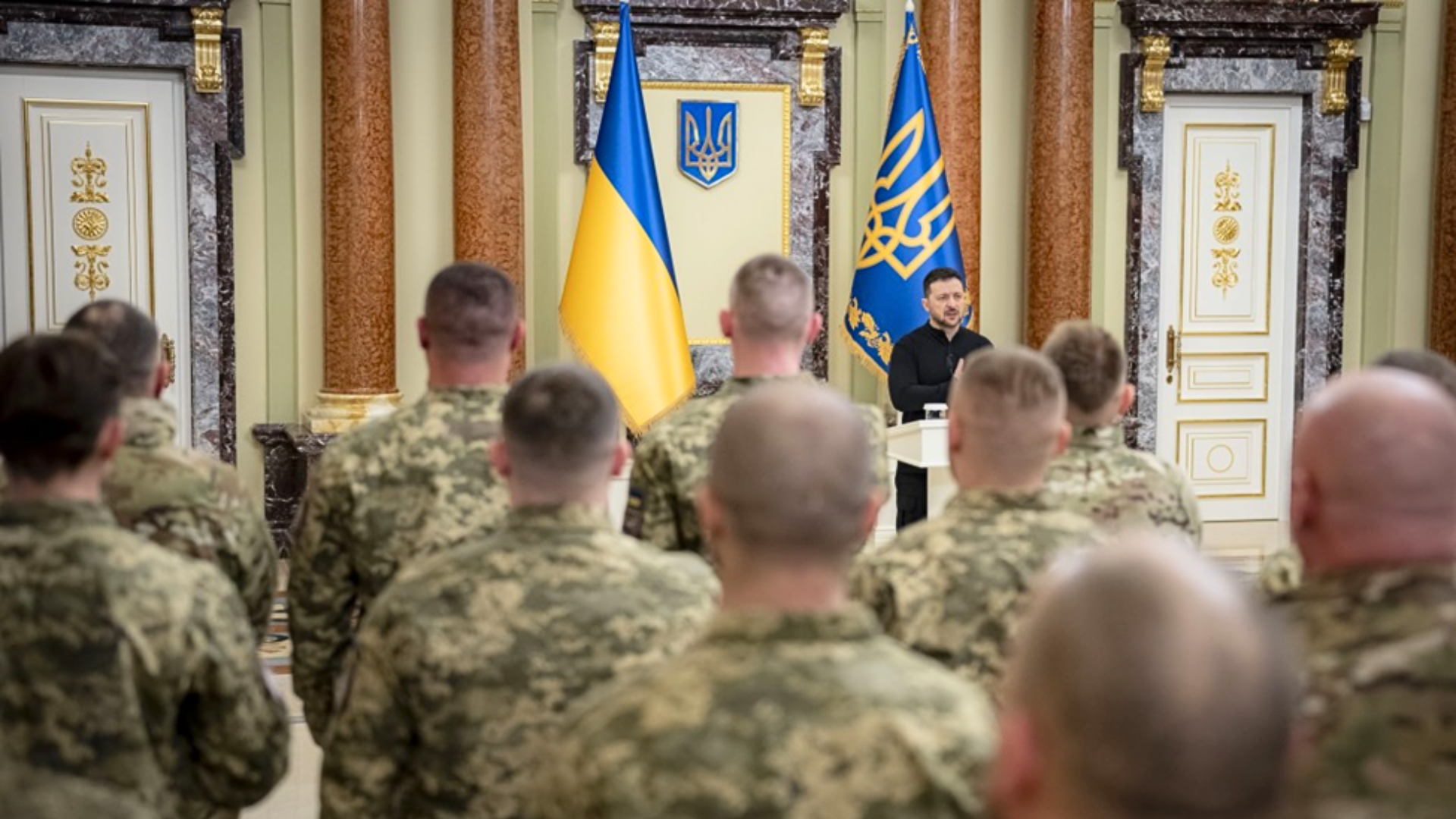
The world is watching to see whether the United States will abandon Ukraine, along with the very ideals that have defined the Western order for decades. Autocrats across the globe are eager to test the limits of American resolve, sensing an opportunity to dismantle the international system, destabilize global security, and wage new wars on their own terms.
Trump recently stated, "Ukraine should have never started it. They could have traded land." He also called Ukrainian President Volodymyr Zelensky a dictator. The Economist reported that Trump’s administration has expressed a desire to remove Zelensky from power.
Yet history has shown that dictators are never appeased. They do not respond to concessions. They respect strength and fear consequences. Now, more than ever, Ukraine is projecting strength as it enforces its own "kinetic sanctions" against Russia.
In 2014, the Obama administration treated Ukraine as a secondary concern, allowing Russia to seize Crimea without serious repercussions. That decision did not prevent further war; it set the stage for a much larger war. Today, the same question remains: Will the West project strength alongside Ukraine, or will it repeat the mistakes of the past?
If Zelensky refused Russia’s ultimatums at the war’s most desperate moment, he should not accept them now. He must remain defiant. Trump will not respect a leader who capitulates, nor will Putin. Few have dared to challenge Trump in the United States or abroad. Yet Zelensky continues to do so. In a time where Western leaders are paralyzed with fear and indecision, he has become the de facto leader of the free world.
Author: David Kirichenko