



Ukrainian is increasingly becoming not just a subject of study but a symbol of solidarity and support for Ukraine in U.S. universities. As part of the Razom’s Ukraine on Campus research project, conversations were held with instructors and students from leading universities, including Harvard, Columbia, Kansas, UNC, and Yale. Participants shared their motivations and experiences, emphasizing that language is not just words — it carries memory, identity, and resistance.
This was reported by Razom for Ukraine.
Dr. Nataliya Shpylova-Saied from Harvard University said her students come with diverse academic and professional interests, yet all are united by a desire to better understand Ukrainians.
“Learning the language gives a student access to the Ukrainian context,” she noted.
According to her, some students deliberately stopped studying Russian after 2022 as an act of solidarity with Ukraine.

William Debnam, a Ukraine on Campus fellow and Ph.D. student at Columbia University who began studying Ukrainian while at Cambridge, also shared his experience.
“When you study Ukrainian, you become part of a small but growing community. Everyone tries to support each other and help in the learning process,” he said.
He added that Ukrainian offers “a unique perspective on the world — one you don’t get by studying more hegemonic cultures.”

Professor Oleksandra Wallo from the University of Kansas emphasized that students who choose Ukrainian often find ways to apply their knowledge in future careers — from translation to research and civic engagement.
“The greatest satisfaction for a teacher is seeing students use the knowledge they’ve gained. I’m glad to help them grow professionally and personally, understanding what it means to stand on the side of justice in today’s world,” she highlighted.
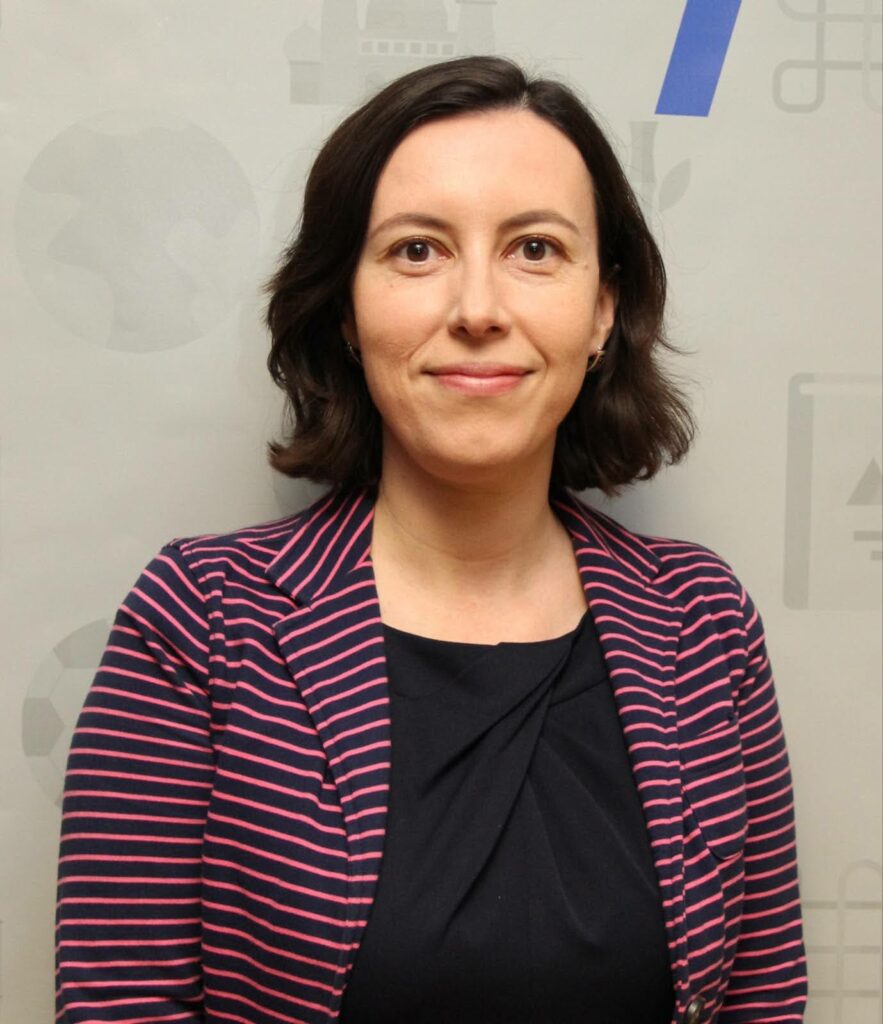
Dr. Olha Tytarenko from Yale University noted that teaching Ukrainian today is not only an academic pursuit but also a moral choice.
“Supporting Ukrainian programs highlights the diversity and richness of Slavic cultures, countering a history of enforced marginalization. Investing in the development of Ukrainian is an investment in the language of democracy, cultural survival, and the future,” she stressed.
Razom’s Ukraine on Campus underscores that Ukrainian in American universities is increasingly turning into a movement for democracy, culture, and justice.
“By investing in Ukrainian, we invest in the language of freedom and the future,” the initiative’s authors concluded.
Photo: Razom for Ukraine.
Author: Danylo Pievchev