Israeli Experience and Ukrainian Security. Part Two

The first part of this study focused on the origins and logic of Israel’s security model — from its historical foundations and the formation of a survival culture to the principles of a mobilization army, the role of reserves, technological superiority, and the doctrine of preemptive action.


Israeli Experience and Ukrainian Security. Part One

Russia’s war against Ukraine has changed not only the European security landscape — it has also raised fundamental questions for humanity about values, freedom, and the very nature of the international order....

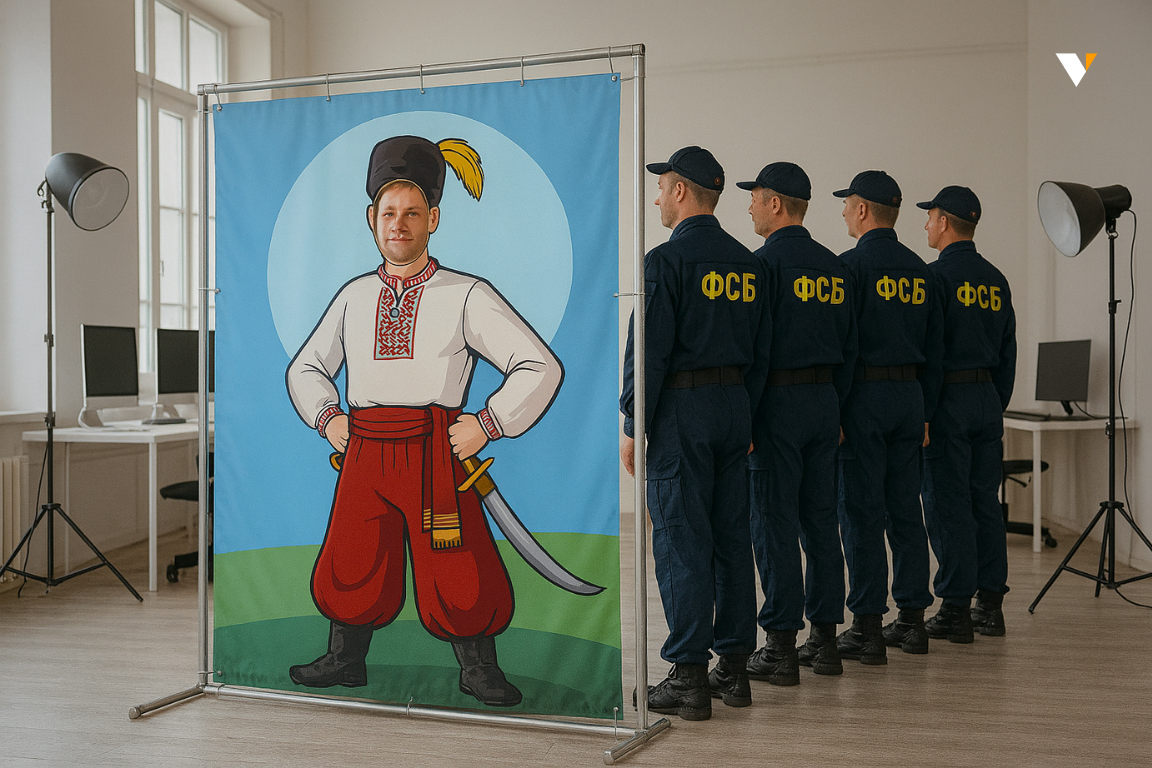
Deepfake Patriotism: How Fake Support for Ukraine Harms More Than Indifference

Sometimes it seems that war is only about bullets, tanks, drone attacks, and endless reports from the General Staff of the Armed Forces of Ukraine. But in reality, it has long been waged not only in the trenches. The war of the 21st century has many fronts — informational, emotional, symbolic. And on each of these fronts, Ukraine, without choosing to, has become the object of constant scrutiny...

The Role of Artificial Intelligence, Deepfakes, and Social Media Algorithms in the Spread of Disinformation in Society

The world today has changed not only technologically but also fundamentally in terms of information. People no longer search for news—it finds them. The TikTok algorithm feeds us “truth” in one-and-a-half-minute videos, while Facebook already “knows” what interests us even before we realize it ourselves. All of this is convenient and fast, but at the same time—very dangerous.

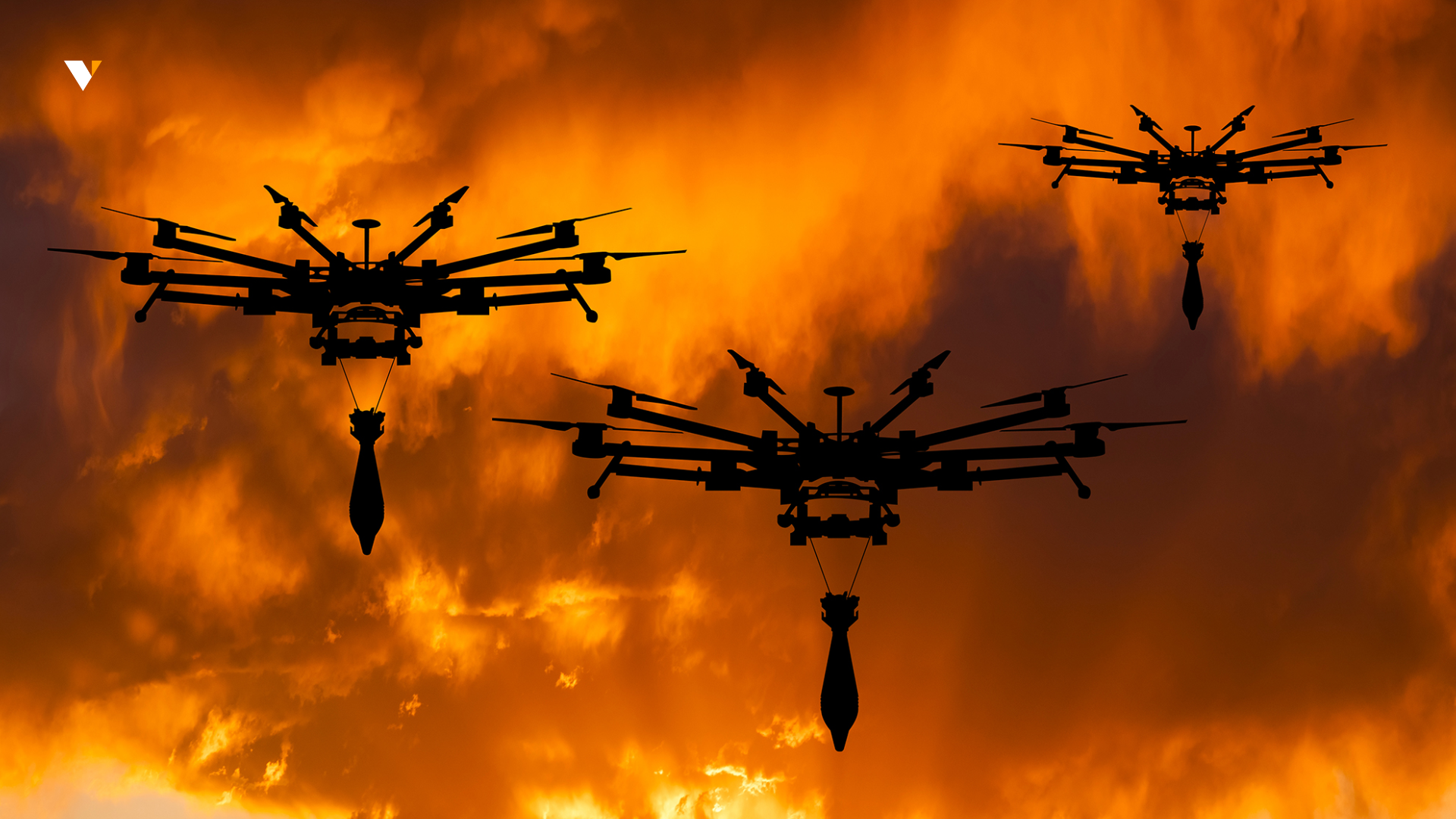
How do the most advanced technologies influence 21st-century geopolitics?

In the 21st century, technologies have become not just tools for development but key factors determining the geopolitical balance of power. The impact of technological progress on international relations is evident in many areas: from military conflicts to economic sanctions, from digital sovereignty to global energy security.