


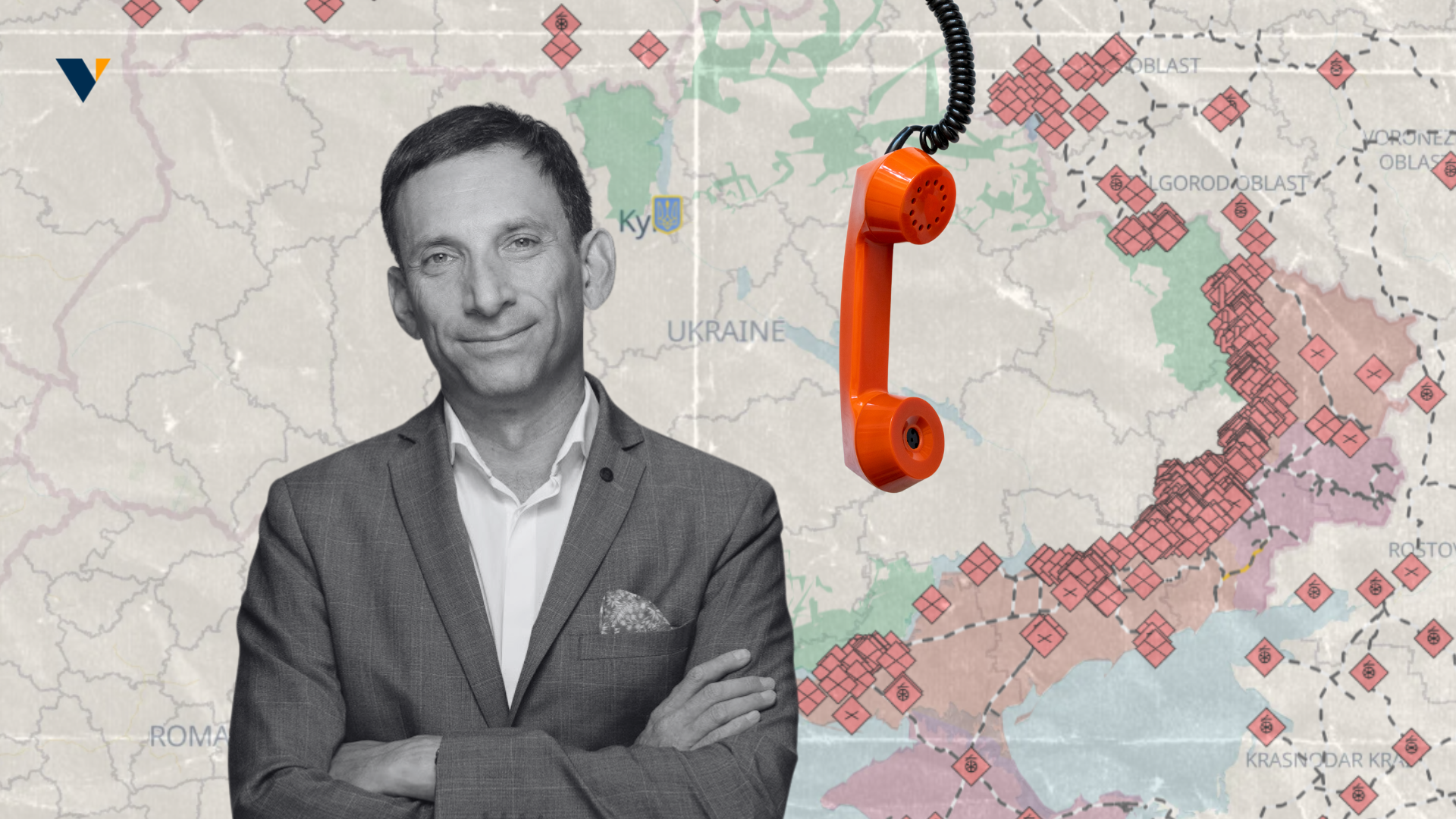
The anticipated phone conversation between the Presidents of the United States and Russia – apparently the first since Donald Trump’s inauguration – shocked Ukrainians and Europeans alike but left more questions than answers regarding how the issue of ending Russia’s war against Ukraine will be addressed under the new American president.
There are only a few key aspects that can be stated with certainty.
It is evident that Donald Trump, staying true to his promises to stop the loss of human lives, attempted to persuade Putin to cease fire. However, in response, he received a categorical refusal from his Russian counterpart – Putin once again reiterated that he seeks "lasting peace" and the elimination of the root causes of the conflict. But the conditions for such lasting peace, as well as the actual root causes of the conflict – not those imagined by the Russian president – still need to be negotiated.
Trump’s problem is that, for Putin, the root cause of the conflict is not his protest against Ukraine’s potential accession to NATO but rather the very existence of Ukraine and other former Soviet republics as independent states, as well as the West’s interference in Russia’s attempts to put an end to this independence and sovereignty. And this is certainly not the kind of "root cause" that Donald Trump could eliminate, even if he wanted to. Because if one were to theoretically imagine a U.S. president who agreed to such demands from Moscow, Europeans – whose security would be directly threatened by such a solution – would certainly not accept it. And neither would Ukrainians, who have too much to lose – their state, their future, their lives.
Thus, the only thing left for the Presidents of the United States and Russia is to agree on the start of negotiations. Donald Trump has already announced the formation of his own team of negotiators, while Putin is still in the process of assembling his. And it is becoming clear that, for him, the priority today is not ending the war but rather the negotiation process itself and personal contacts with Trump, which allow him to demonstrate the failure of the political isolation of Putin’s regime in the West and claim an apparent diplomatic victory for the Kremlin. But this is a story about process, not about results.
Most importantly, we still do not have an answer to the question of what President Trump actually plans to do if he becomes convinced of President Putin’s persistent unwillingness to end the war. After all, following Putin’s rejection of a ceasefire, Donald Trump did literally nothing—there were no threats, no actions, only a demonstrated willingness to negotiate. But if it turns out that there is nothing to negotiate, what instruments of pressure does the President of the United States have at his disposal – and is he willing to use them? This is not about the militant statements from representatives of the new administration, which they can retract within mere hours, as recently happened with Vice President J.D. Vance’s statement regarding the possible presence of American troops in Ukraine. This is about the U.S. president’s own vision.
Until this vision becomes clear, any Russian-American consultations and negotiations will remain nothing but a smokescreen, concealing the lack of understanding of how, in reality – without promises, slogans, and excessive flattery towards Trump – the American president’s promise to end the war and save Ukraine can actually be fulfilled.
Author: Vitaly Portnikov