


For over three years, the Co-Pilot project of Razom for Ukraine has implemented important medical missions in Ukraine, including Face the Future Ukraine and Face to Face. During this time, over 100 surgeons from the U.S. and Canada, along with their Ukrainian counterparts, have performed more than 800 intricate reconstructive surgeries. Vilni Media has compiled interesting stories from the New York Times article "Rebuilding Faces, Lives, and a Sense of Self in Ukraine" about Ukrainian patients whose lives have been transformed thanks to modern technology and international collaboration.
This was reported by The New York Times.
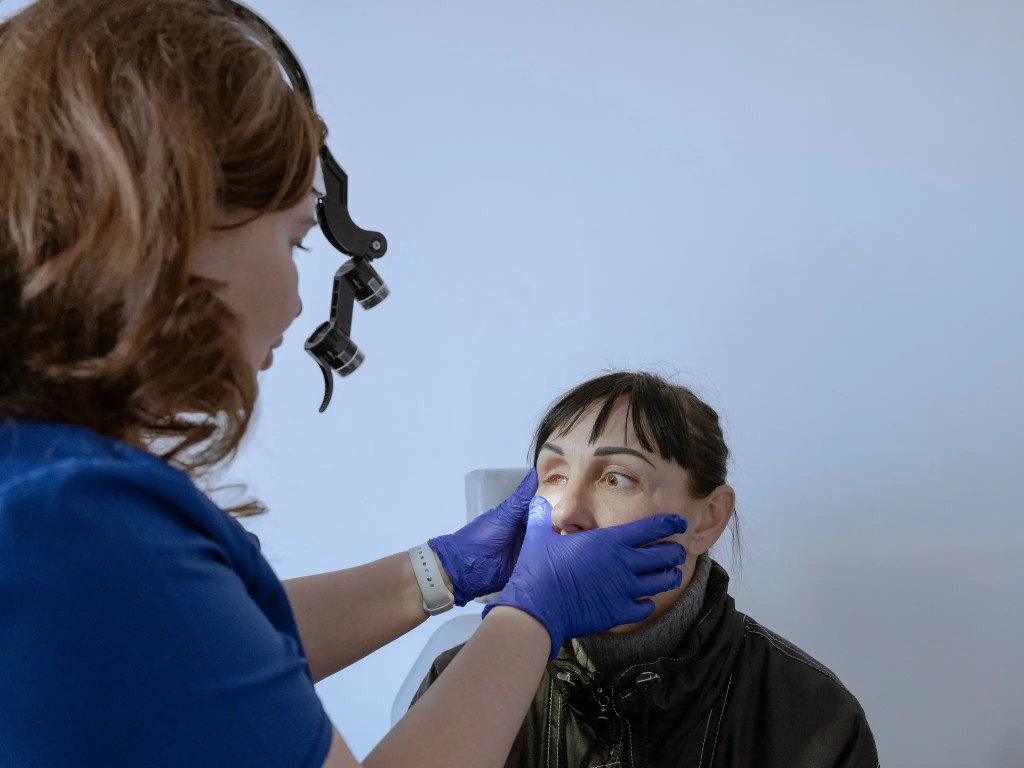
The publication describes how 3D printing of custom implants and surgical templates helps restore not only the appearance but also the emotional state and dignity of patients. The article features the stories of victims: soldier Volodymyr Melnyk, who underwent more than 50 operations after being seriously wounded and returned to service; Artur Tkachenko, who lost his parents in a rocket attack and suffered serious facial injuries; Nelya Leonidova, who survived a bombing in 2014 and now plans to help other wounded people; and Bogdan Poplavsky, who lost his sight and ability to speak after being blown up by a mine, but continues to recover thanks to the support of his family and doctors.
"I want to live. For my children. For the life that was stolen, but not lost. I want to find peace in the ruins that remain,” said Nelia Leonidova. Her story began in 2014, when she was wounded during an airstrike. She was mistakenly presumed dead and placed on the “cargo 200” list. After spending two months in a coma and undergoing dozens of surgeries, she decided to devote her life to helping other victims.
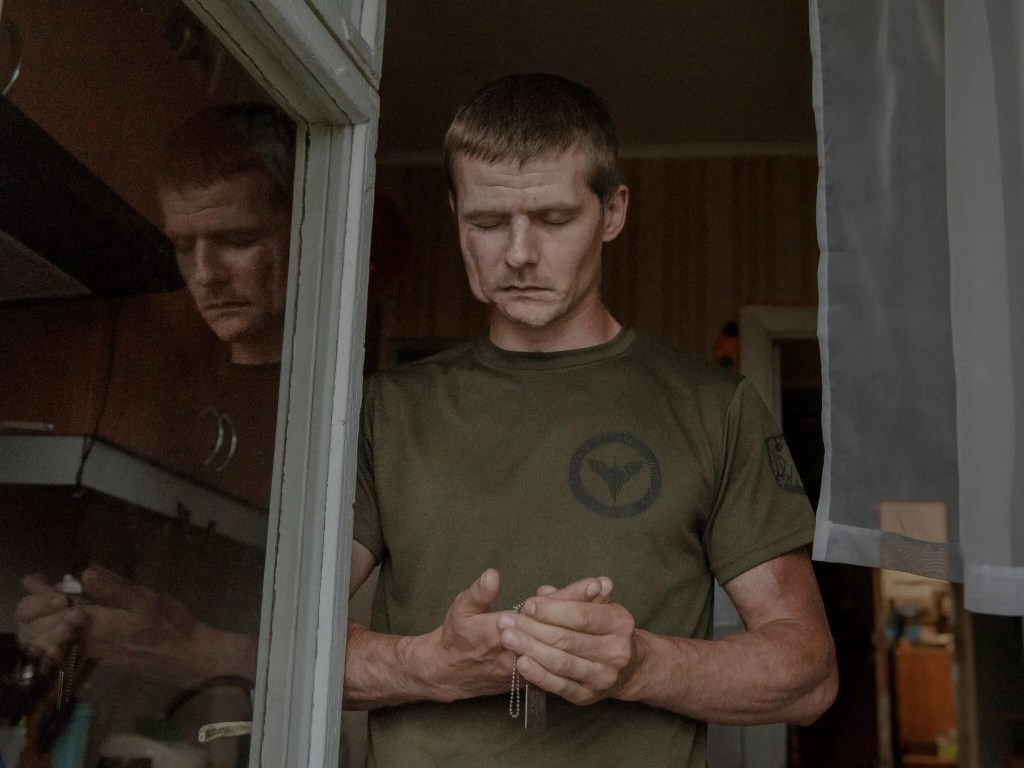
Volodymyr Melnyk was wounded in 2023. He suffered numerous injuries to his face and nerves and survived 23 hours of combat without evacuation. He confessed: “It's the same struggle—for yourself, for your life. Both in the trenches and in a hospital bed after being wounded." He emphasized that the most important thing was to regain the ability to chew and eat because it provides energy, especially for a soldier.
Artur Tkachenko's story exemplifies how danger persists far from the front line. After returning from the war, he lost his parents in a Russian missile strike that also seriously injured his wife and young daughter. "I couldn't feel parts of my face. I couldn't even speak," he recalls.

Bogdan Poplavsky lost his sight and ability to speak after an explosion from a landmine. He did not want his children to see him for a long time. "Imagine looking in the mirror and not recognizing yourself. Now, imagine that your wife or child sees you that way," says Andriy Kopchak.
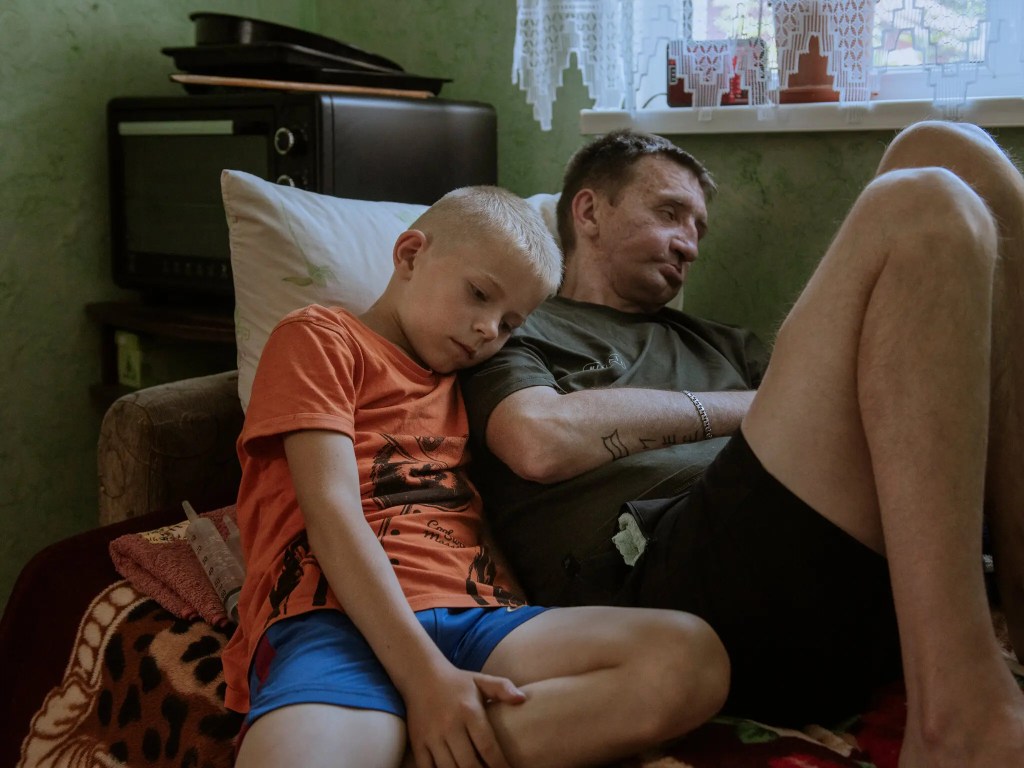
Doctors emphasize that the psychological consequences of such injuries are often more severe than the physical ones. Social stigma also makes it difficult to return to normal life. International teams, particularly from Finland and France, are sharing their expertise in complex reconstructions and nerve transplants with Ukrainian specialists. Volunteers help coordinate transporting the wounded, providing necessary materials, and training medical personnel. "A soldier loses a leg, and society calls him a hero. But if you lose your face, you become a ghost," said Ukrainian surgeon Andriy Kopchak.
Razom for Ukraine provides travel logistics and necessary equipment for Ukrainian surgeons, as well as supporting training programs. "Together, we are rebuilding lives and futures," says the charity, calling for stories to be shared about the resilience and courage of Ukrainians.
Photo: The New York Times
Author: Danylo Pievchev