


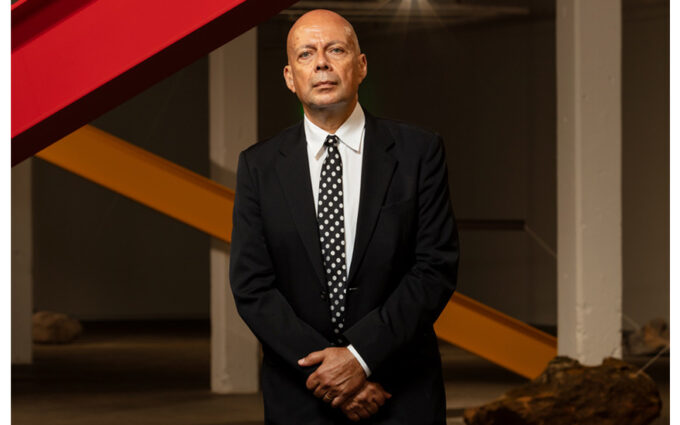
Peter Doroshenko, a renowned art manager of Ukrainian origin and former director of the PinchukArtCentre and the Dallas Contemporary museum in the US, has led the Ukrainian Museum in New York for over three years. The museum will celebrate its 50th anniversary in 2026. During the war, the museum has become a platform that tells the story of Ukrainian art and combats Russia's appropriation of prominent artists' names. Doroshenko, the head of the largest Ukrainian museum in North America, spoke about his ambitious plans: the decolonization of art, exhibitions of works by artists such as Primachenko, Exter, and Tatlin, and his intention to make the Ukrainian Museum one of the top five museums in New York.
This was reported by Ukrinform and Суспільне.Культура.
“I would like more art institution directors—not music institution directors—to distinguish between Russia and Ukraine. Because now, most of them are completely confused, and for them, everything is Russia. That is why the Ukrainian Museum in New York is working on decolonizing Ukrainian culture. We have to educate everyone on what Ukrainian culture is. It's not just painting and sculpture, but also cinema, choreography, and culinary traditions. The museum must comprehensively cover all types of art," says Doroshenko.

That is why the museum is actively working on decolonizing Ukrainian culture and has released T-shirts bearing the slogan, "Ukraine is not Russia."
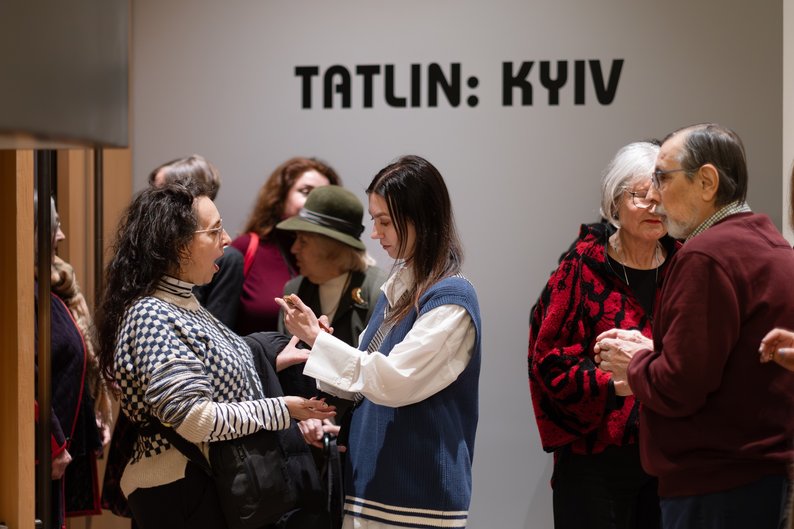
Since 2022, the museum has hosted several notable exhibitions, including "Maria Prymachenko: Glory to Ukraine" (the artist's first large-scale exhibition outside Europe), "Alexandra Exter: The Stage is the World" (the artist's first solo exhibition in North America), and "Tatlin." "Maria Prymachenko: Glory to Ukraine" (the artist's first large-scale exhibition outside of Europe), "Alexandra Exter: The Stage is the World" (the artist's first solo exhibition in North America), and "Tatlin: Kyiv" (the first US exhibition dedicated to the Ukrainian period of the avant-garde artist). The latter project recreated the atmosphere of Tatlin's Kyiv studio and included a reconstruction of the 1927 podium, as well as stories about a stork that lived on the artist's bed while he slept on the floor.
"How can you say that Alexandra Exter was Russian if she lived in Moscow for less than two years?" Russia constantly distorts the facts and lies, spreading propaganda. And that hurts me a lot. Now is the time to restore the truth," added the museum director.
The museum plans to hold exhibitions on Ukrainian Jews of the 20th century, Ilya Repin, Vasyl Yermilov, and the Shestydesiatnyky (Sixties), as well as a large-scale project on Kazimir Malevich in the context of decolonization.
“The world must know that Kazimir Malevich had Polish roots, but he was born in Kyiv, where his relatives still live today. Europeans can more easily understand that Ukraine was part of the Russian Empire and was then forcibly annexed to the Soviet Union. In the US, however, it is more difficult to convey that Malevich, Repin, and other artists who have long been considered Russian have Ukrainian roots. We are trying to change that. This is an important task for the Ukrainian Museum in New York and for me personally," Doroshenko emphasized.
In addition to its exhibitions, the museum implements the SAFE (Safeguarding Ukrainian Culture) program. This program helps Ukrainian museums in at-risk areas by providing equipment, digitizing collections, preparing for post-war restoration, and offering legal support for the return of stolen artifacts.
Doroshenko shared that his ancestors came from the Zaporizhzhia, Kherson, and Donetsk regions. During World War II, they were taken to Germany for forced labor. They later immigrated to the United States, where the future museum director grew up in Chicago's robust Ukrainian community and spoke Ukrainian as his first language.
"It's a big mountain — it's not easy to climb. But we're not stopping. We shouldn't expect Moscow to stop lying. We must constantly create projects and spread truthful information to affirm Ukrainian culture," he emphasized.
Photo: unwla.org, supportyourart.com

Author: Inna Mikhno